2016 Duchamp Prize Shortlist Exhibition
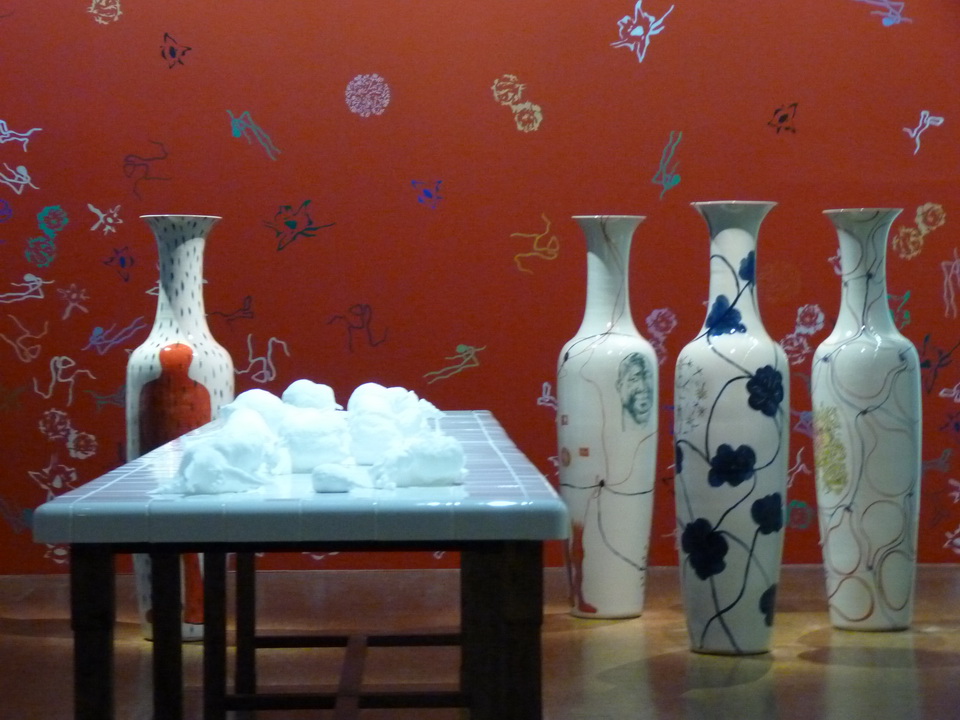
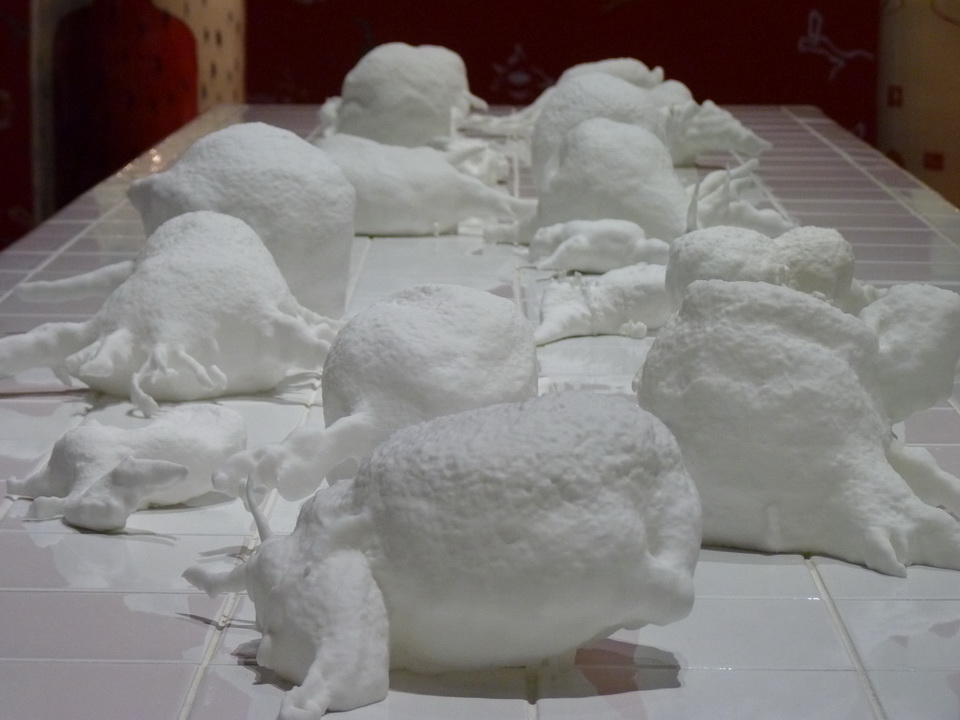
Bartheley Toguo Conquers the Virus porcelain height each 200x center radius 50cm object painting and installation 2016
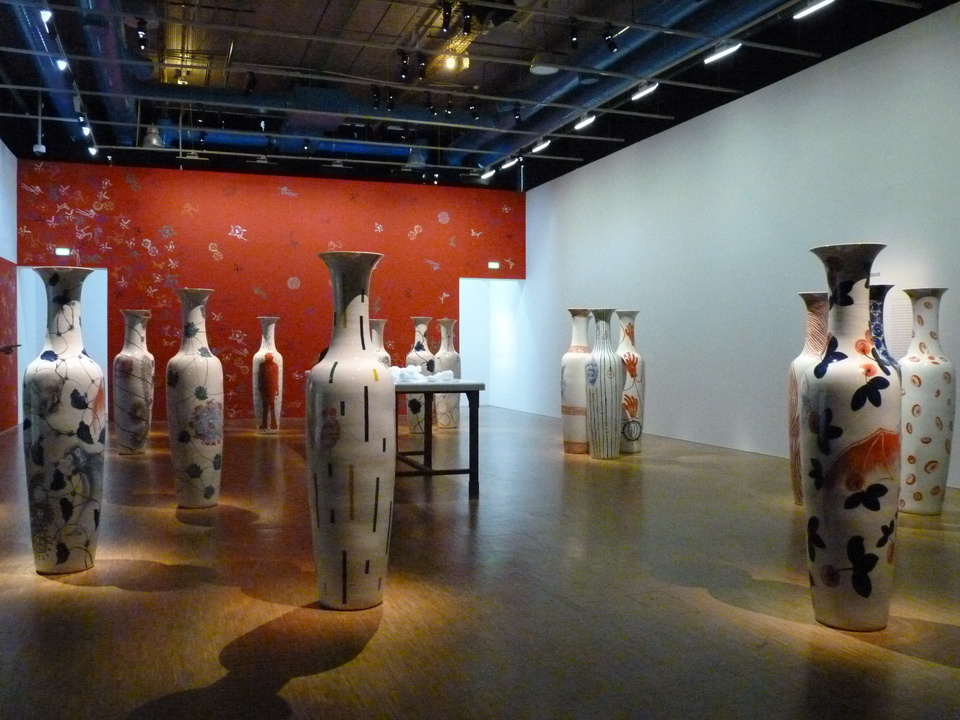
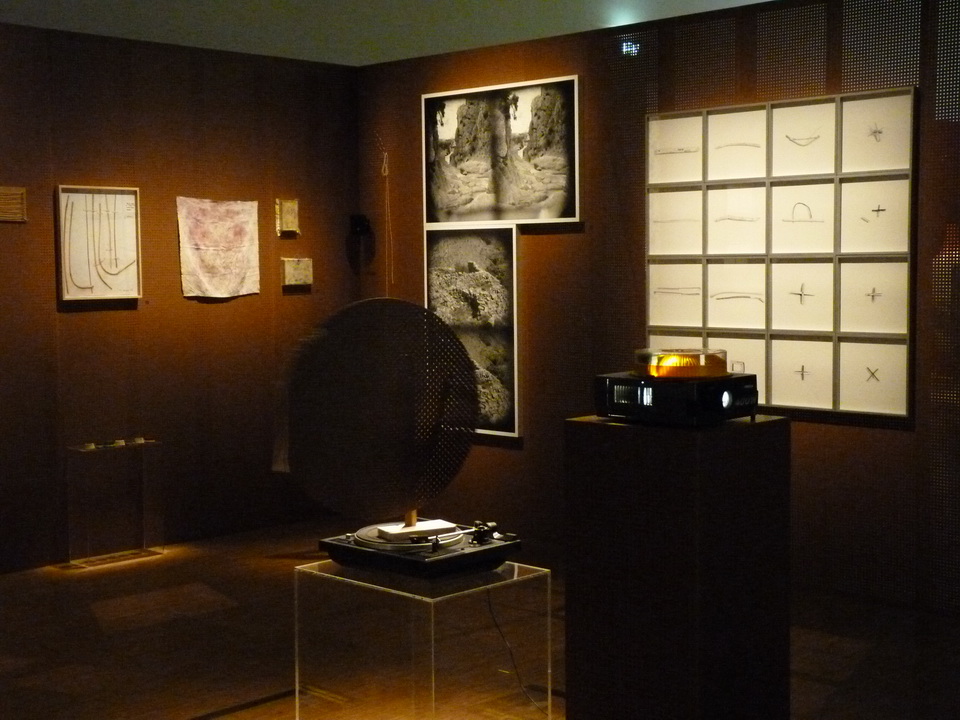
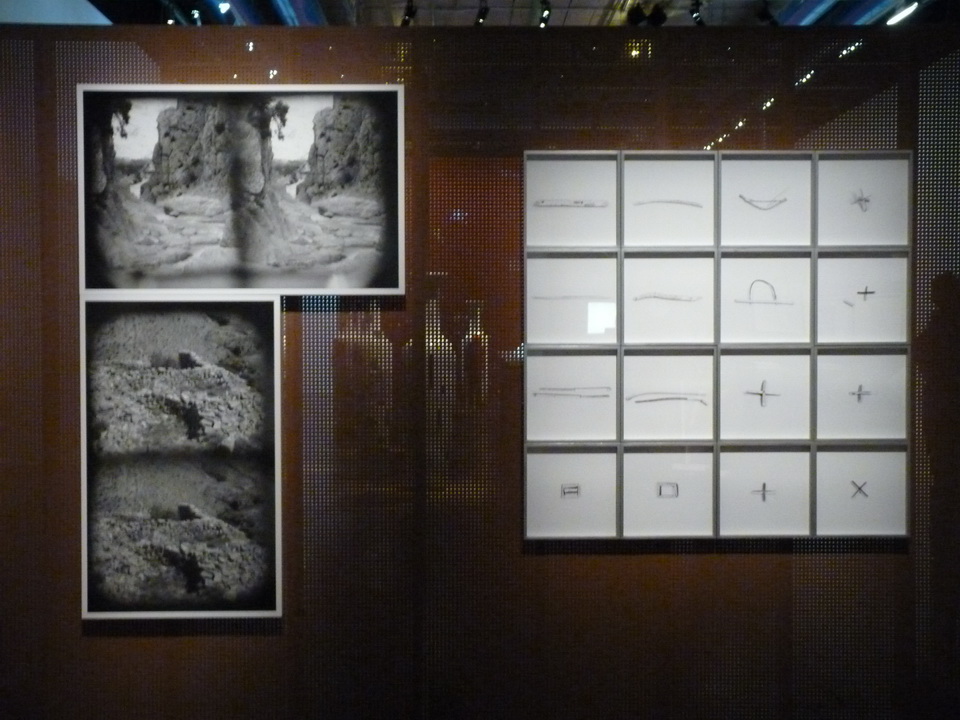
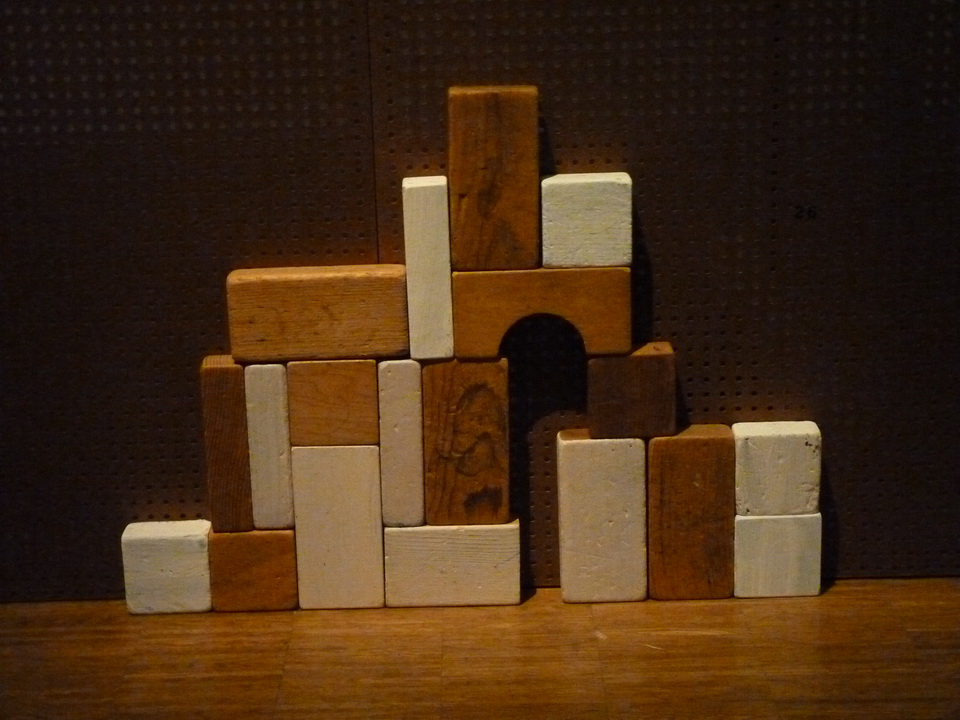
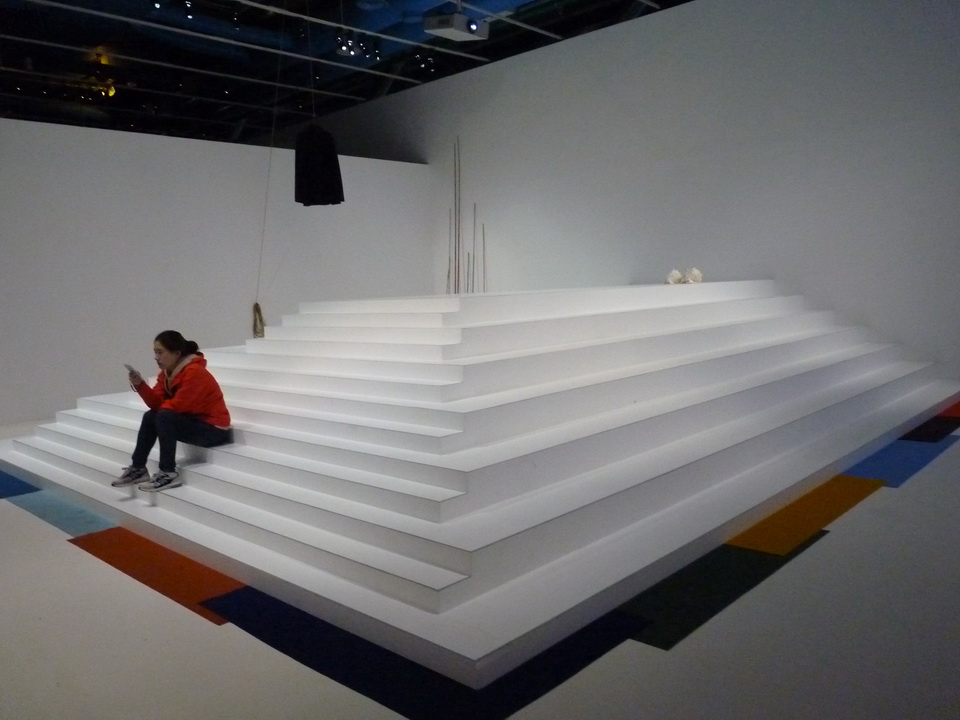
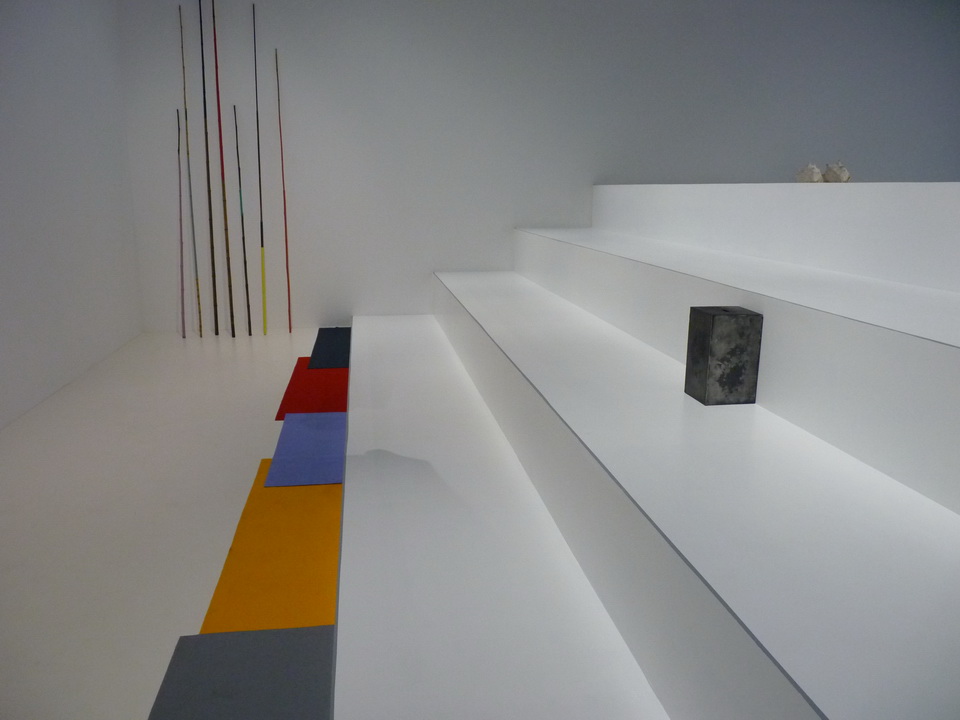
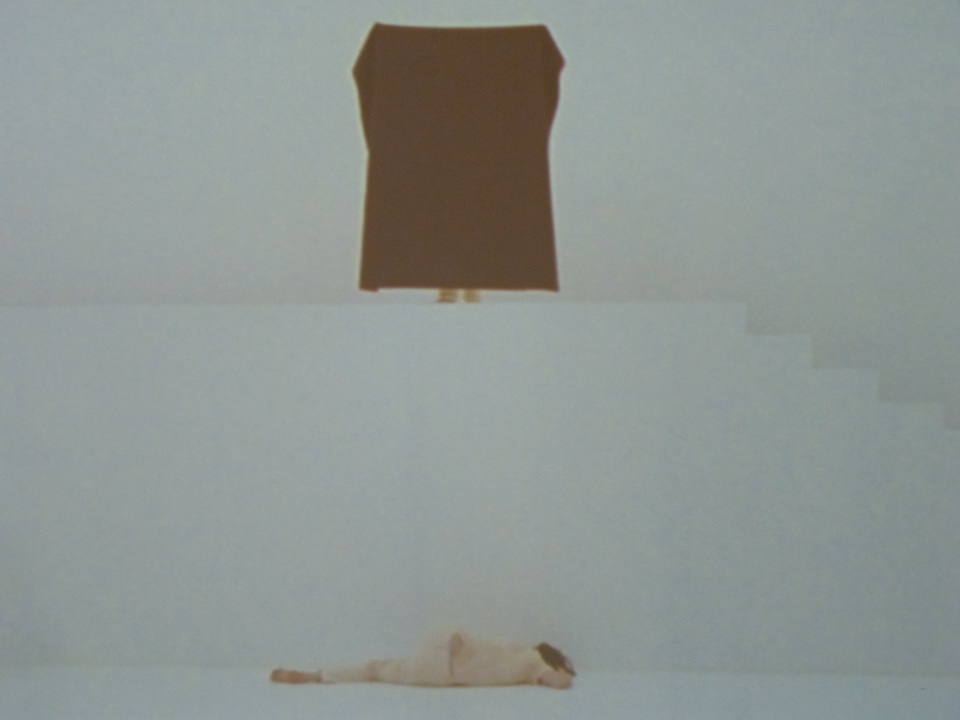
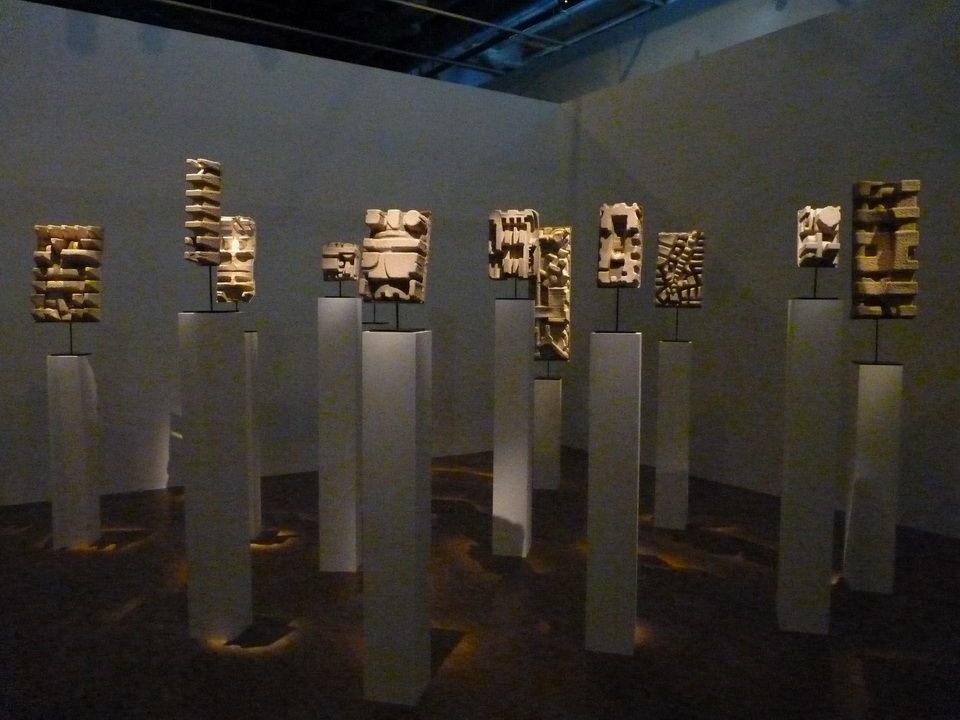
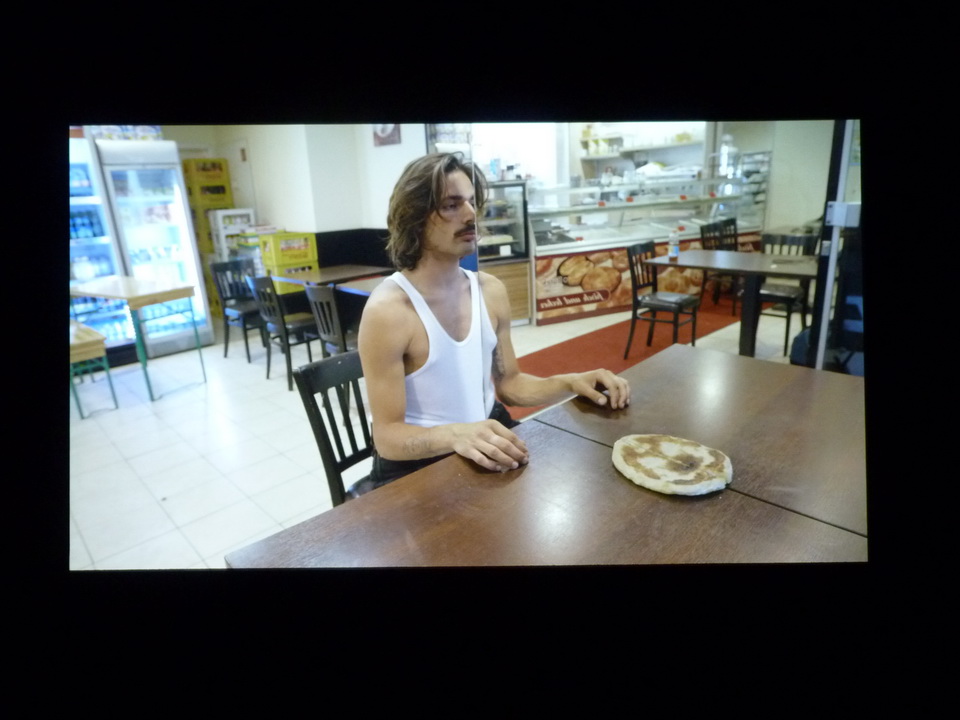
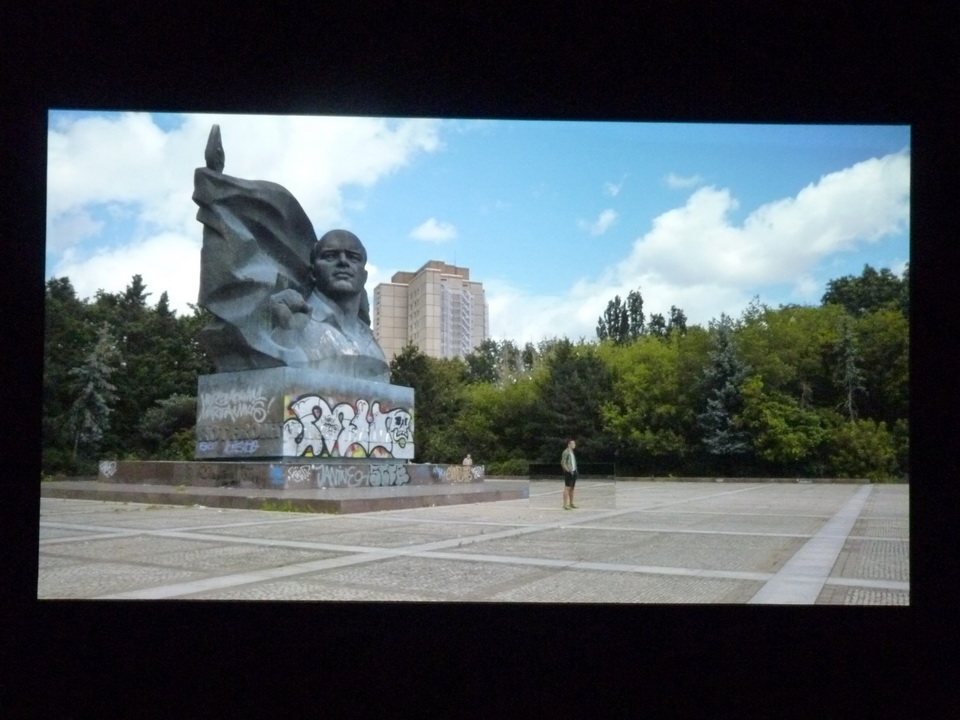
Text/Photos by Chen Chi-Hsiang. Location: Centre Pompidou, South Gallery on the First Floor. Dates: October 12, 2016 to January 30, 2017. The Duchamp Prize is a benchmark of French contemporary art. Established in 2000 as the highest award and platform to encourage creation within French contemporary art, akin to Britain's Turner Prize, it has now (after sixteen years) become part of France's contemporary art establishment. Each year, four emerging artists are shortlisted from the French art scene (they need not be French nationals, provided their work is created in France). Since this year, the prize has been administered by the Association for the International Development of Contemporary Art (ADIAF). The shortlisted artists clearly represent cross-disciplinary creations, making their debut exhibition at the Centre Pompidou. Most have already distinguished themselves in their practice, with some even entering the art establishment or market. This year's shortlisted artists are Kader Attia, Yto Barrada, Ulla Von Brandenburg, and Bartheley Toguo.
Kader Attia and Bartheley Toguo are already somewhat well-known, both appearing as "stars of tomorrow." Using their unique vocabularies and expressive methods, they confront contemporary anthropological and political issues through experiences that feel like spiritual catharsis. Treating illness as a social pathology and symptom, they propose four unimaginable scenarios: Kader Attia addresses the trauma of collective consciousness among ethnic groups or individuals, assisted by psychiatrists and scholars; Yto Barrada explores the tragic life of ethnologist Thérèse Rivière; Bartheley Toguo presents the devastation of AIDS and Ebola in Africa, focusing on scientific and ethical research considerations, while the artist contemplates points of broader transformation for individuals and society. The exhibition allows them to question, acting as healers who might treat society. Meanwhile, Ulla Von Brandenburg proposes a sense of ritual surrounding the reconstruction of gift economies within a new community. (Note - the following paragraph is from the exhibition introduction.)