The 2013 Paris Parc de Bagatelle
Exhibition signage at the 2013 Paris Parc de Bagatelle
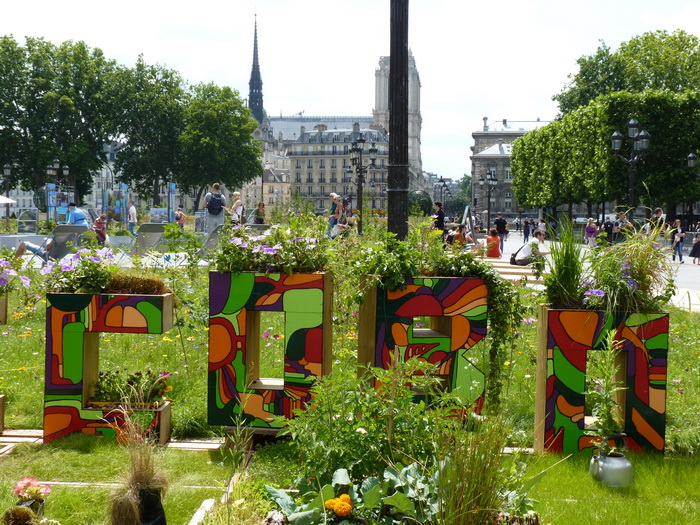
Text and photos by Chen Chi-Hsiang. Paris has become the world’s top tourist destination, and there is reason for pilgrims to flock to it. As a city of art and flowers, this image has long been established. Its famous landmarks are well known; its cultural landscapes and environment are no exception. Paintings, luxury goods, art, wine, coffee, cuisine, culture, sports, and flora have created Paris’s richest and most proud tourism assets, attracting tens of thousands of visitors annually from around the globe. This peaks during summer holidays, with events such as the Bastille Day military parade on the Champs-Élysées, large concerts and dazzling fireworks under the Eiffel Tower (nearly 700,000 gathered beneath the Lady’s skirt last night), followed by the Tour de France entering the Champs-Élysées, and Paris’s annual beach season beginning. A series of trendsetting activities keeps Paris constantly in the global spotlight.
Paris serves as France’s most important showcase for politics, economy, and commerce, as well as its central hub, and is undoubtedly a key tourism stronghold. However, its status as a city of flowers and art was not achieved overnight; it has deep historical roots and conditions. It also owes much to the forward-thinking planning, construction, and promotion by the Socialist Party municipal government over the past twelve years. Examples include the striking summer beaches and the planned walkway along the Seine from the Musée d’Orsay to the Musée National du Quai Branly, intentionally transforming Paris into a leisure park.
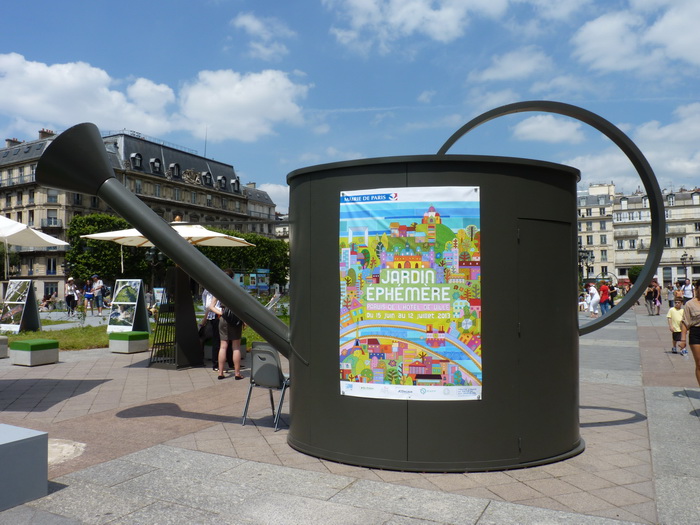
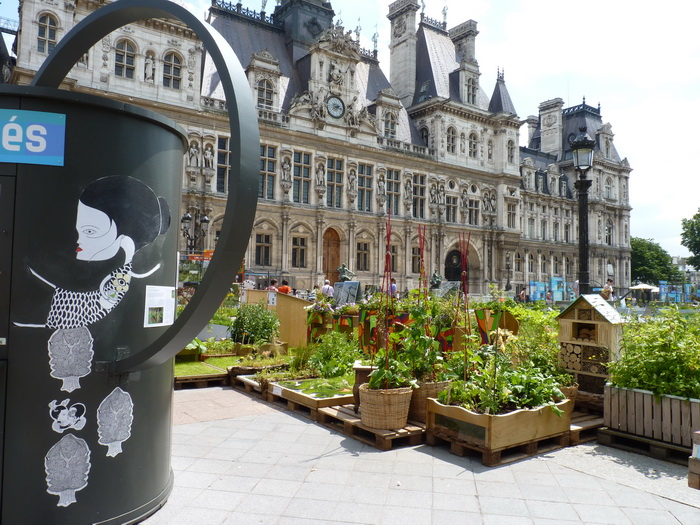
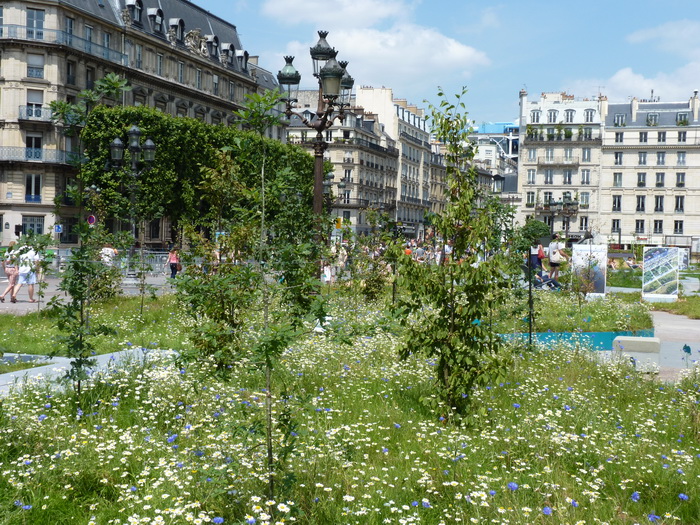
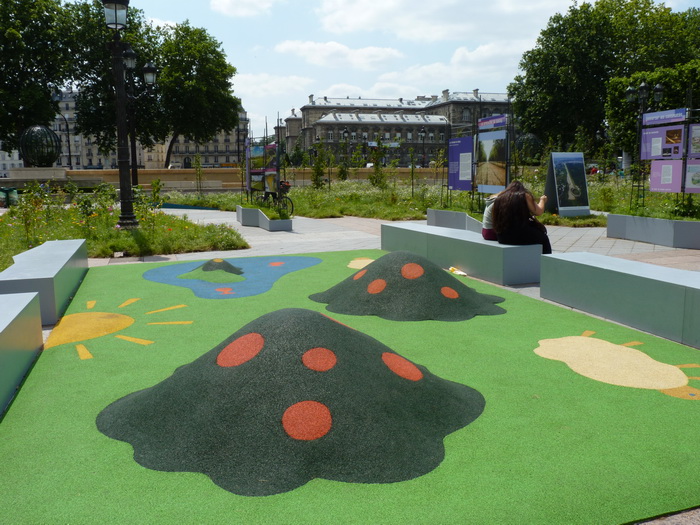
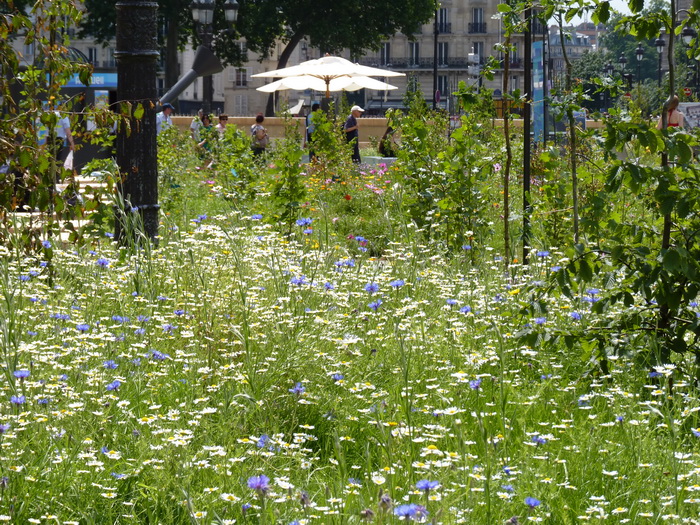
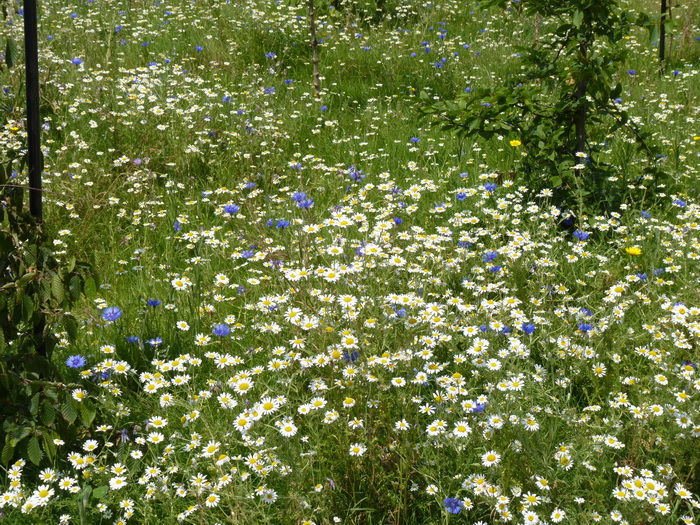
Each year, the Paris municipal government builds new prospects for urban greening for the future of its floral identity. New park concept exhibitions are held annually at Place de l’Hôtel de Ville. This year’s Parc de Bagatelle focused on wildflower gardens that return to simplicity. Given the current constraints of tight municipal finances and limited resources, the challenge is how to make nature an exquisite park under the most economical conditions. Natural ecology has thus become the current strategy for Paris’s green space planning, both now and in the future. The exhibition explains how the city’s greening units operate, how urban environments and landscaping are planned, profiles of team members, and information on various leisure spaces across Paris. Clearly, this year’s horticultural exhibition leaned toward information and demonstration.