Chen Chi-Hsiang "Observing the Mind, Surveying the Realm - Did You See It?" (2015)
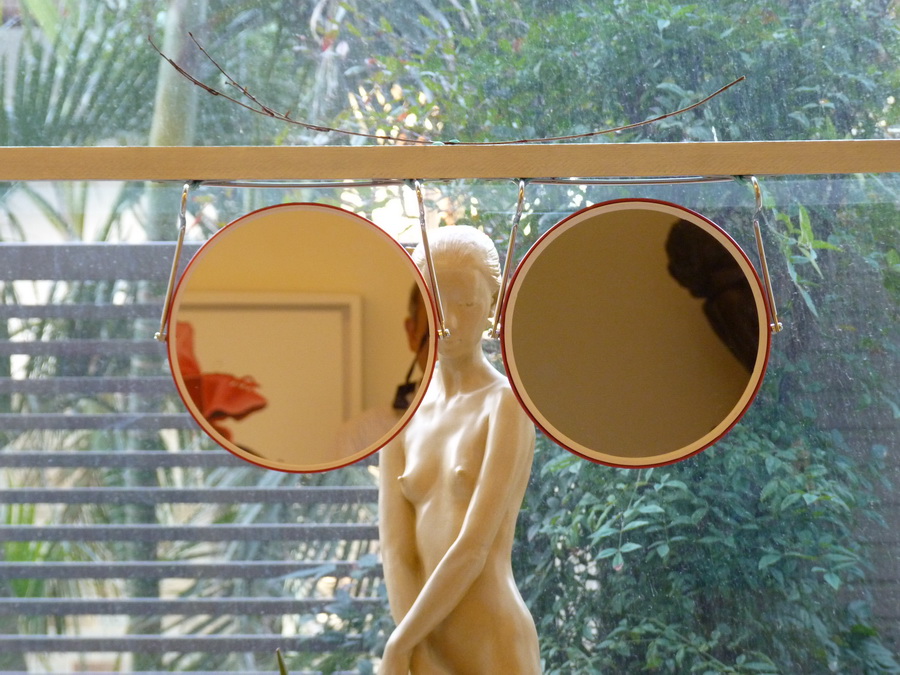
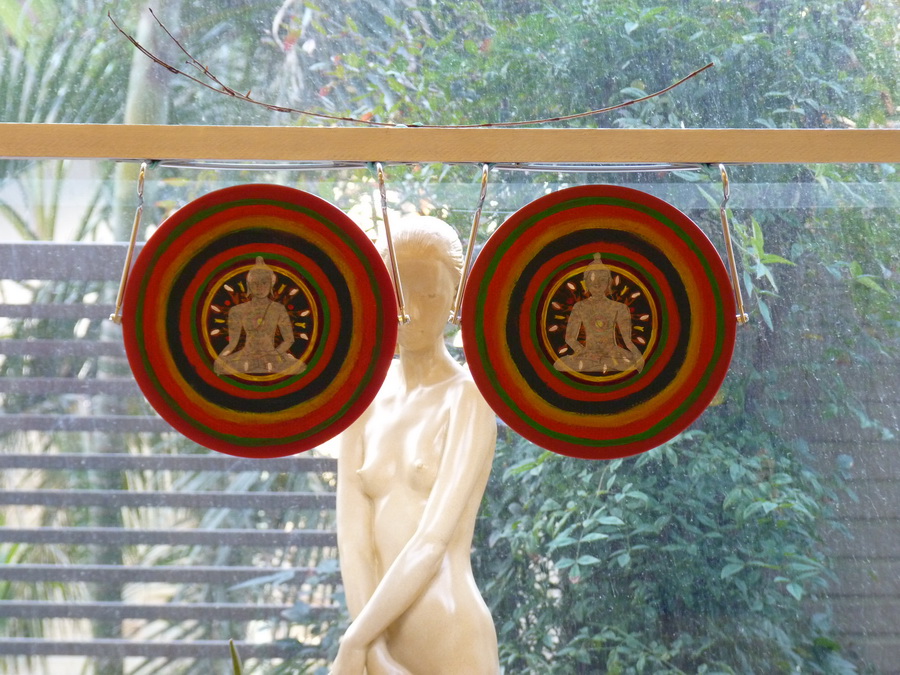
"Observing the Mind, Surveying the Realm - Did You See It?" (2015) is an object-space interactive installation consisting of a set of double-sided round mirrors placed between windows.
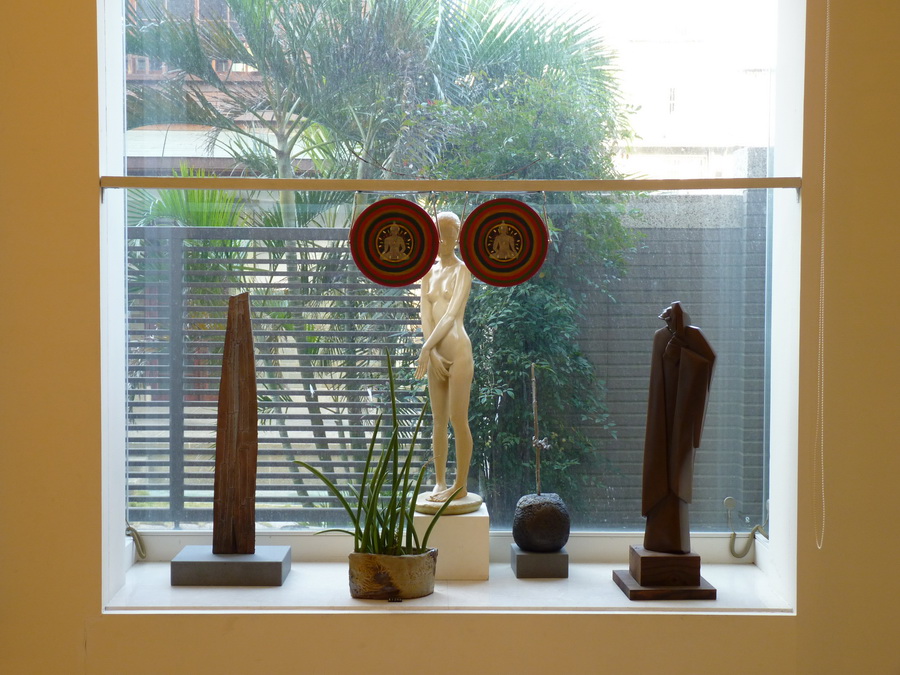
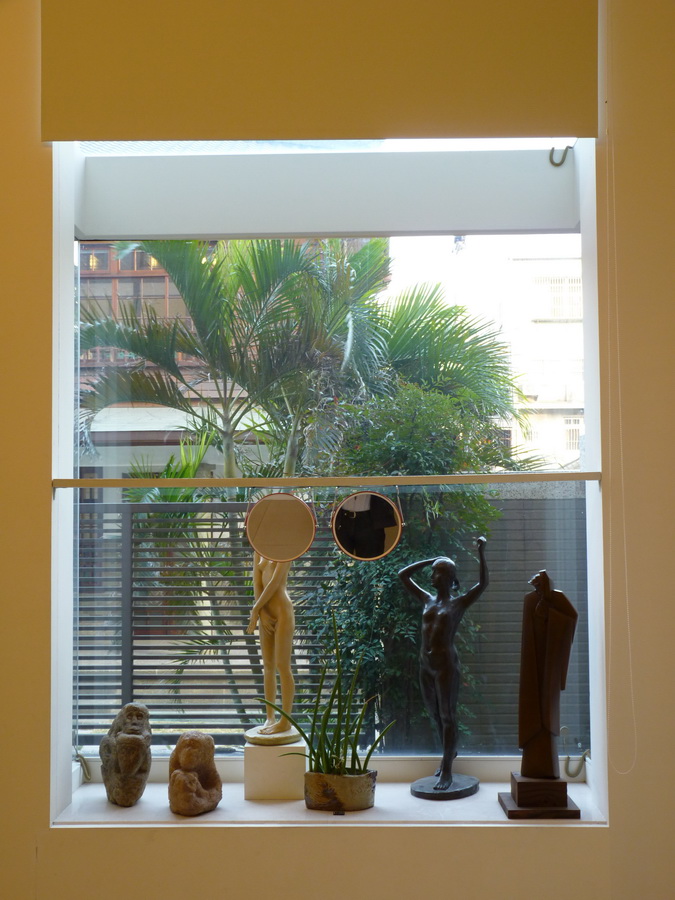
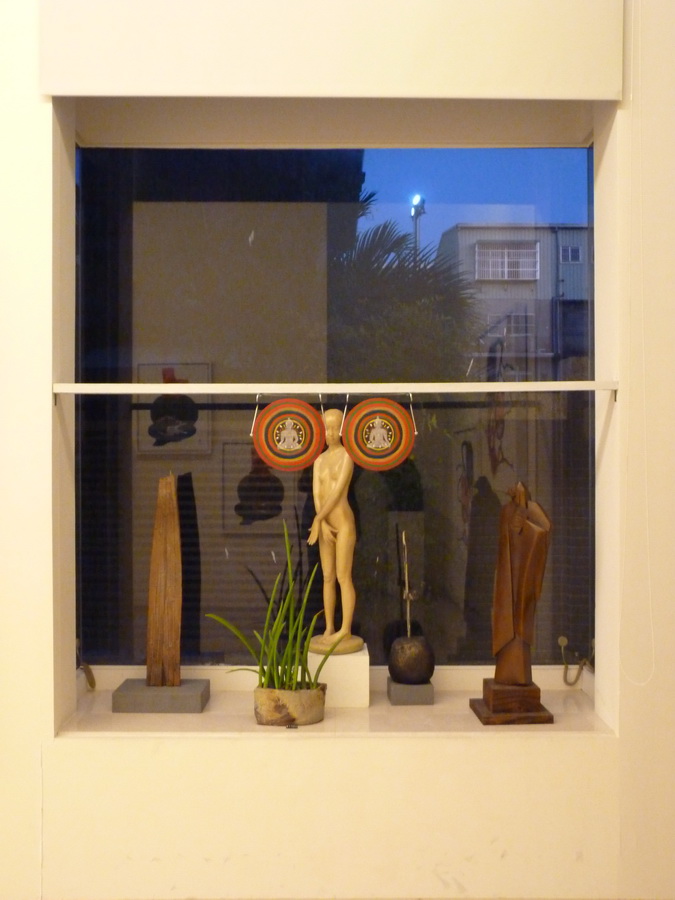
Starting from the solo exhibition "As It Is" (2013), works have been created specifically for spaces, such as the clock set "One Square Inch" and the neon light set "One Moment." In this solo exhibition "Looking for 'My' Sky in Mirrors," it is no exception; amidst unavoidable window interference, a creative piece titled "Observing - Did You See It?" was ingeniously crafted. This is the inevitable result of the mirror-image effect revolving around "realm" and "image" over the past decade or so. The mirror resembles the realm, the realm resembles the mirror; "realm" is "mirror," and "realm" serves as the interface for internal and external self-dialogue. Everything is created by the mind; the illusion of emptiness and reality is the true existence.
"Observing - Did You See It?" expands upon the conscious insights of the new series "Qi Xiang - Formless." It is an object-space interactive installation composed of a set of double-sided round mirrors placed between windows. The front is a mirror reflecting the surrounding environment, while the back (plastic) features concentric circles of colored light radiating outward, with a serene Buddha statue seated in meditation at the center. Viewers can freely rotate the mirror surface to observe themselves or gaze at the reflected scenes, which transform as the viewer moves. Indeed, whether one sees or not depends on "one mind." When we gaze inward at ourselves, we can deeper understand our true nature (Buddha-nature), referencing the inscription on the back of the mirror: "All appearances are illusory. If you see that all appearances are not appearances, then you see the Tathagata."
The thematic prompt "Did You See It?" poses a question to the audience, suggesting that everything exists within "one mind"; if you see the mind, it is there. "Observing - Did You See It?" places a set of double-sided round mirrors between windows, where the windows become the frame and context or domain of the work. It not only shifts focus away from statues displayed on the windowsill but also turns them into the background. The work transforms with the atmosphere of time and space. During the day, the interplay of emptiness and reality is obvious under the sunlight, making existence seem distant; at night, the space is shrouded in mystery and poetry, touching upon the unknowable depths.
"Observing - Did You See It?" and "Observing - Saw It" are two sides of the same coin. "Did You See It?" is a questioning, while "Saw It" affirms the present moment. Seeing is a consciousness of existence; experiencing oneself through seeing is the path to illuminating the mind and realizing one's nature, representing the journey of life domains I have been obsessed with creating and exploring in recent years.