2018 AICA International Association of Art Critics: Conference Agenda
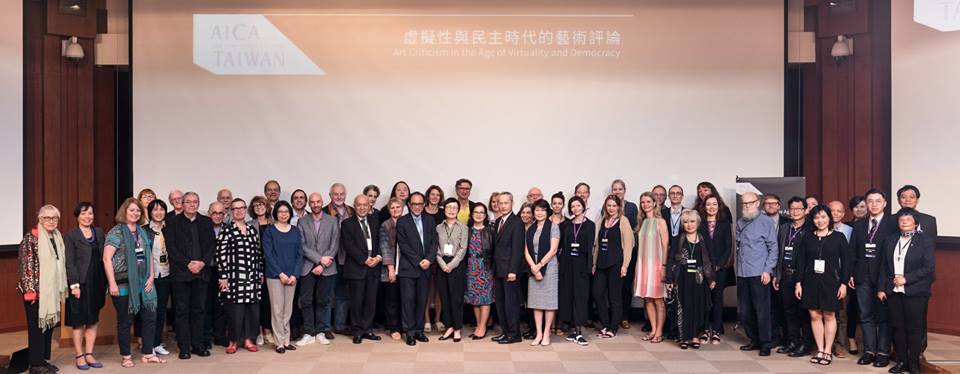
2018 AICA International Association of Art Critics: Taipei World Congress - Grand Opening Group Photo of All Attending Experts and Scholars (Image from Taiwan Art Critics Branch official website)
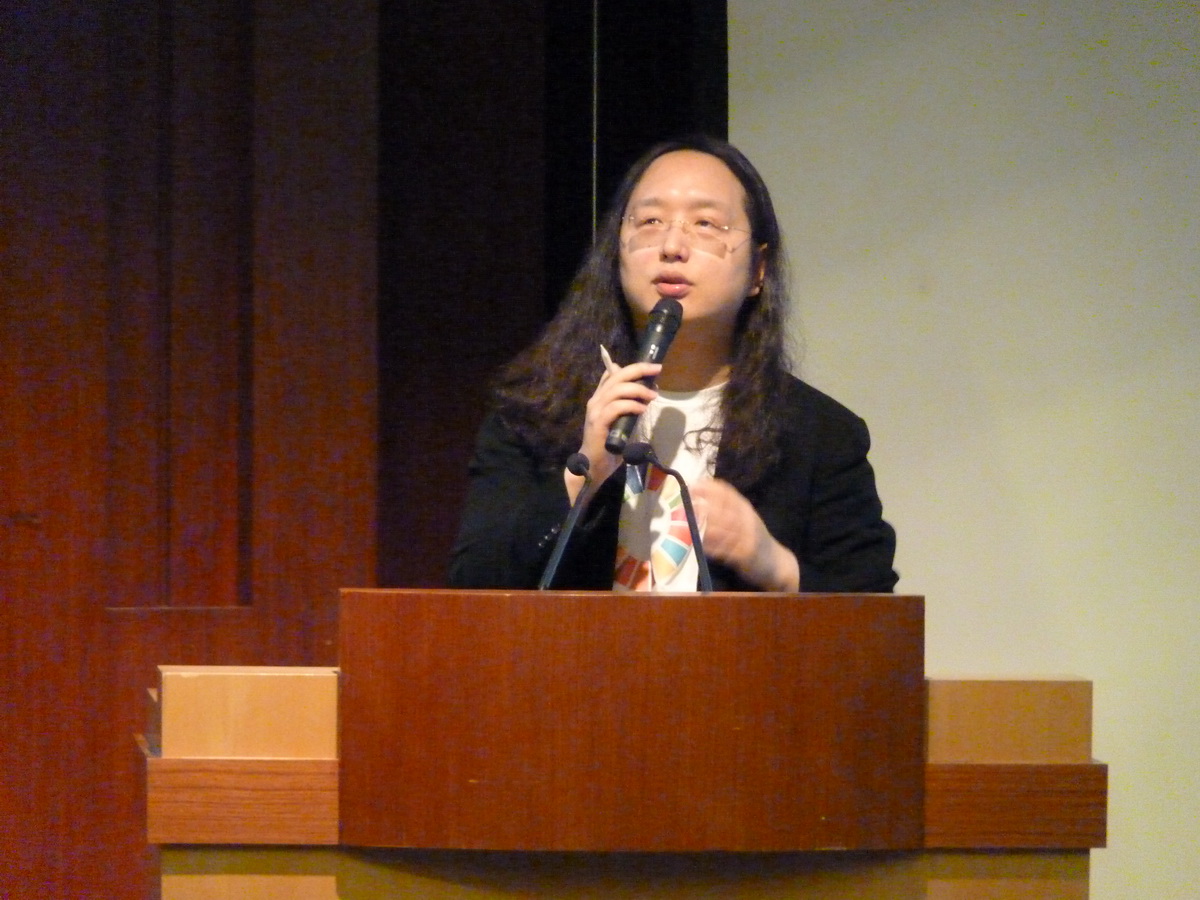
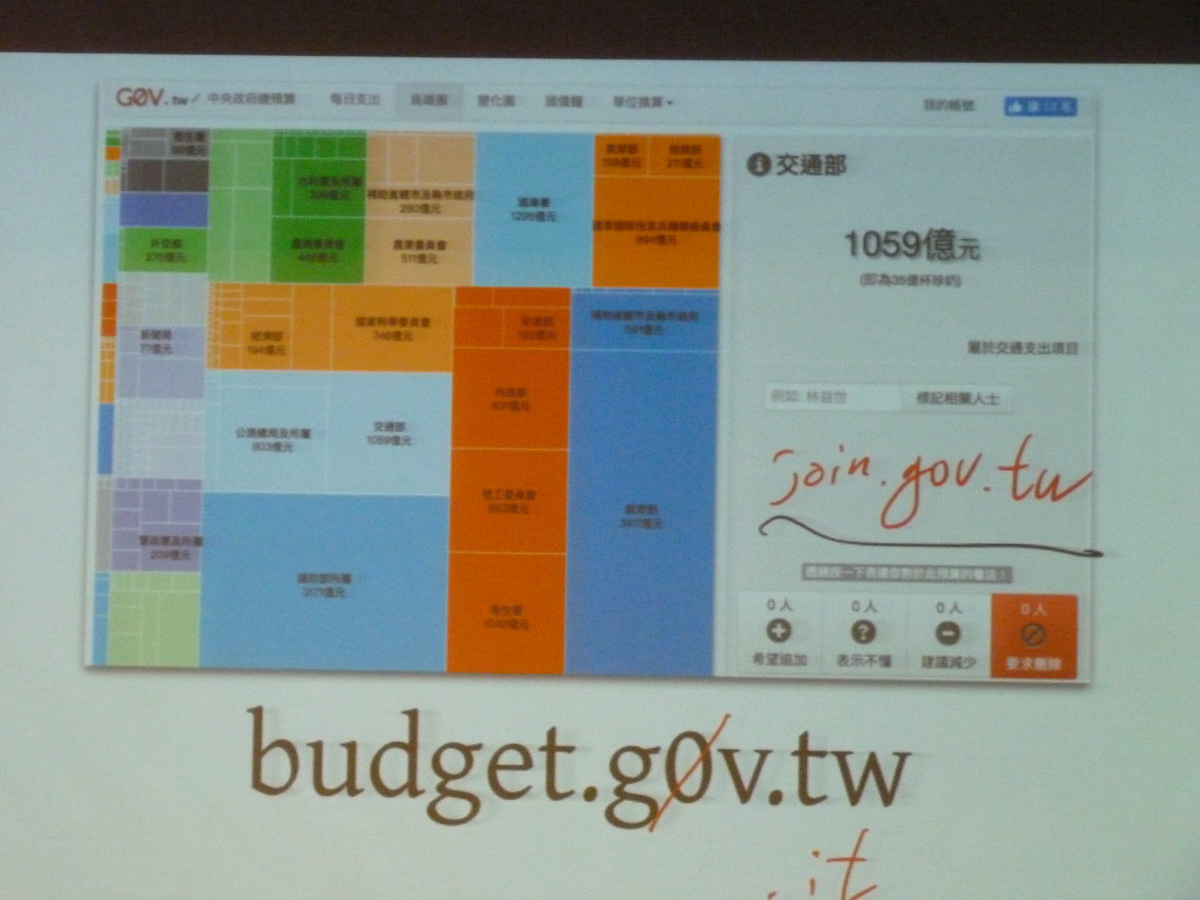
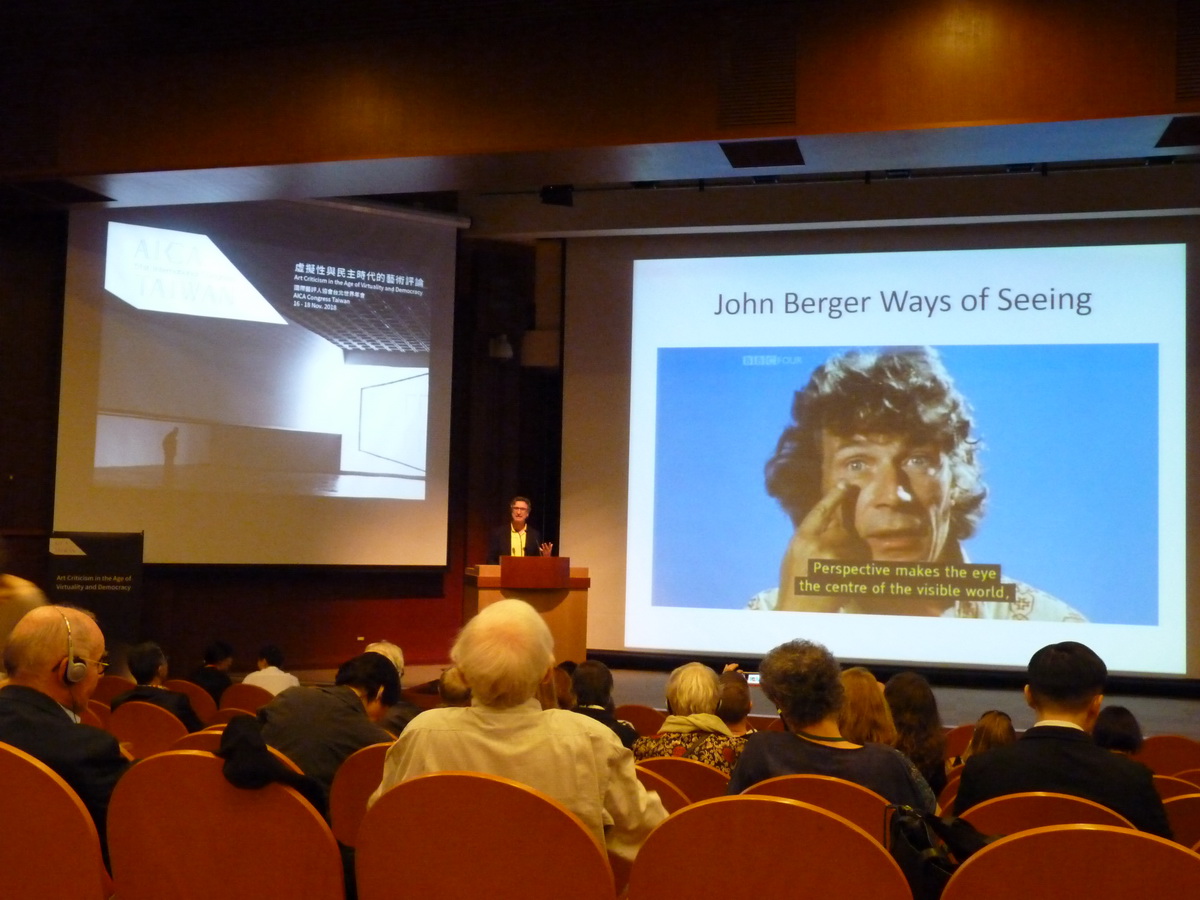
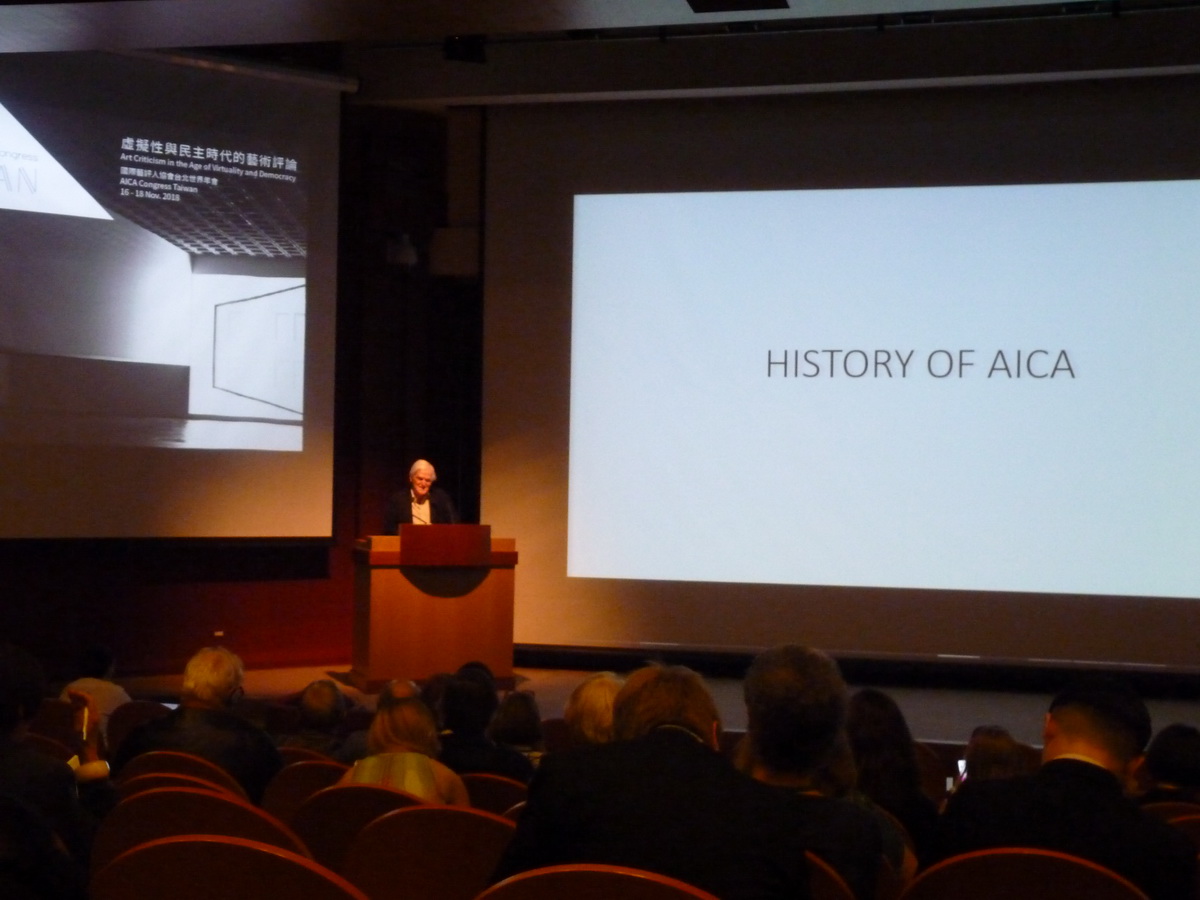
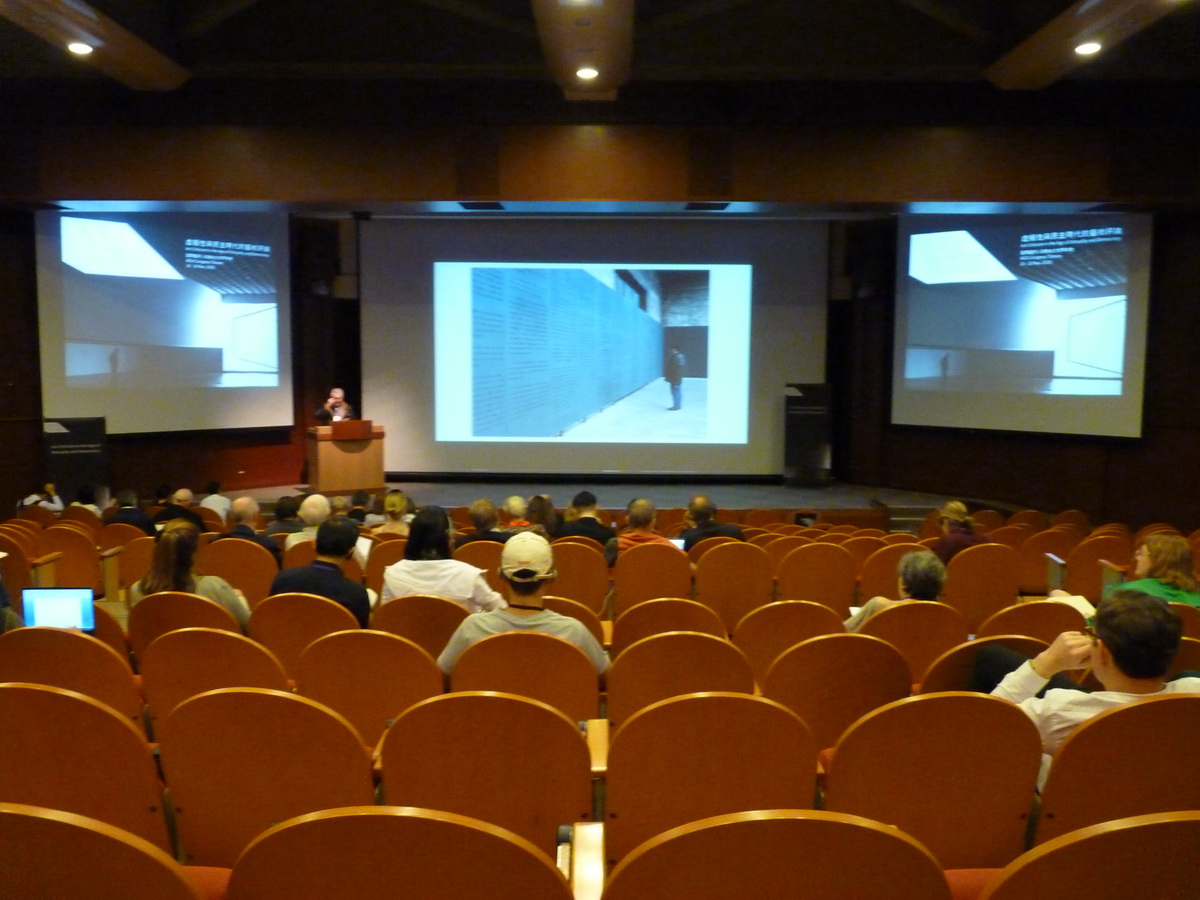
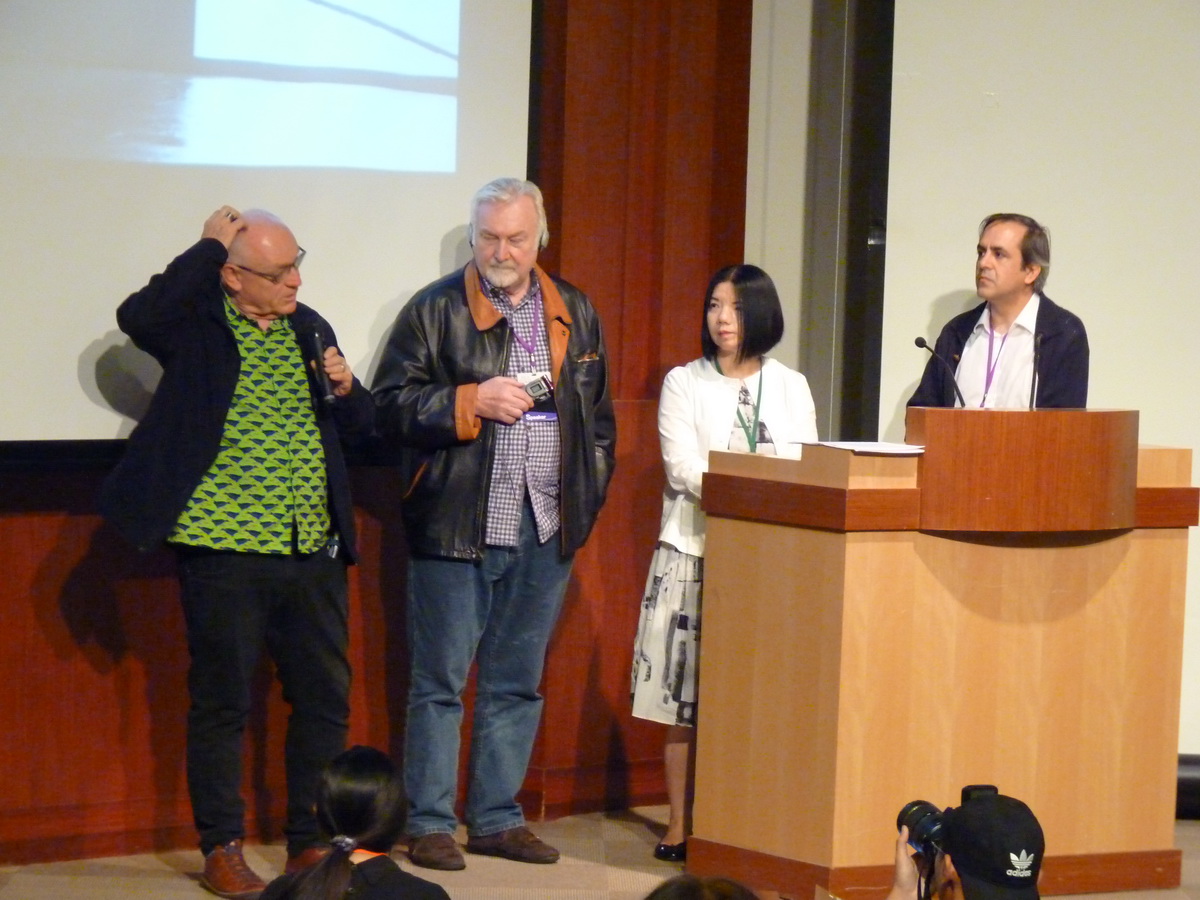
Text and photos by Chen Chi-Hsiang. The 2018 AICA International Association of Art Critics conference agenda spanned three days, November 16–18, held simultaneously at two locations in Taipei. The opening ceremony took place in the lecture hall of the Taipei Fine Arts Museum. I was honored to participate in the opening, which was simple yet grand.
This year’s theme was “Art Criticism in the Age of Virtuality and Democracy.” Nearly 33 domestic and international art critics, curators, and artists shared their latest perspectives. They discussed how the current internet era, with its digital new media, technology, bio-science, artificial intelligence, and social network creations, has profoundly altered people’s horizons and understanding of the world. These changes have reorganized values and identities deeply embedded in daily life, exerting an omnipresent influence and qualitative shift on contemporary art, while also liberating democratic society—raising questions about how it might change or even reshape this established aesthetic and social field. How do artists intervene through action or performance? In the process of democratization, transitional justice has become a focal point. How does art respond? During transitional periods, how can we analyze and construct the relationship between art, conflict, and justice? Furthermore, how can art play a positive role in democratic freedom? (Note: Information from the conference agenda).
The annual meeting’s theme closely aligns with art criticism under virtuality and democracy, divided into two sub-themes:
- Art Criticism in the Age of Virtuality
- Art Discourse Facing Challenged Democracy
A total of 30 papers will be presented at the annual meeting and compiled into the 2018 AICA Annual Meeting Proceedings for publication. (Note: Information from the conference agenda).