2018 Paris Nuit Blanche – Exhibition-Hopping Is All-You-Can-Eat
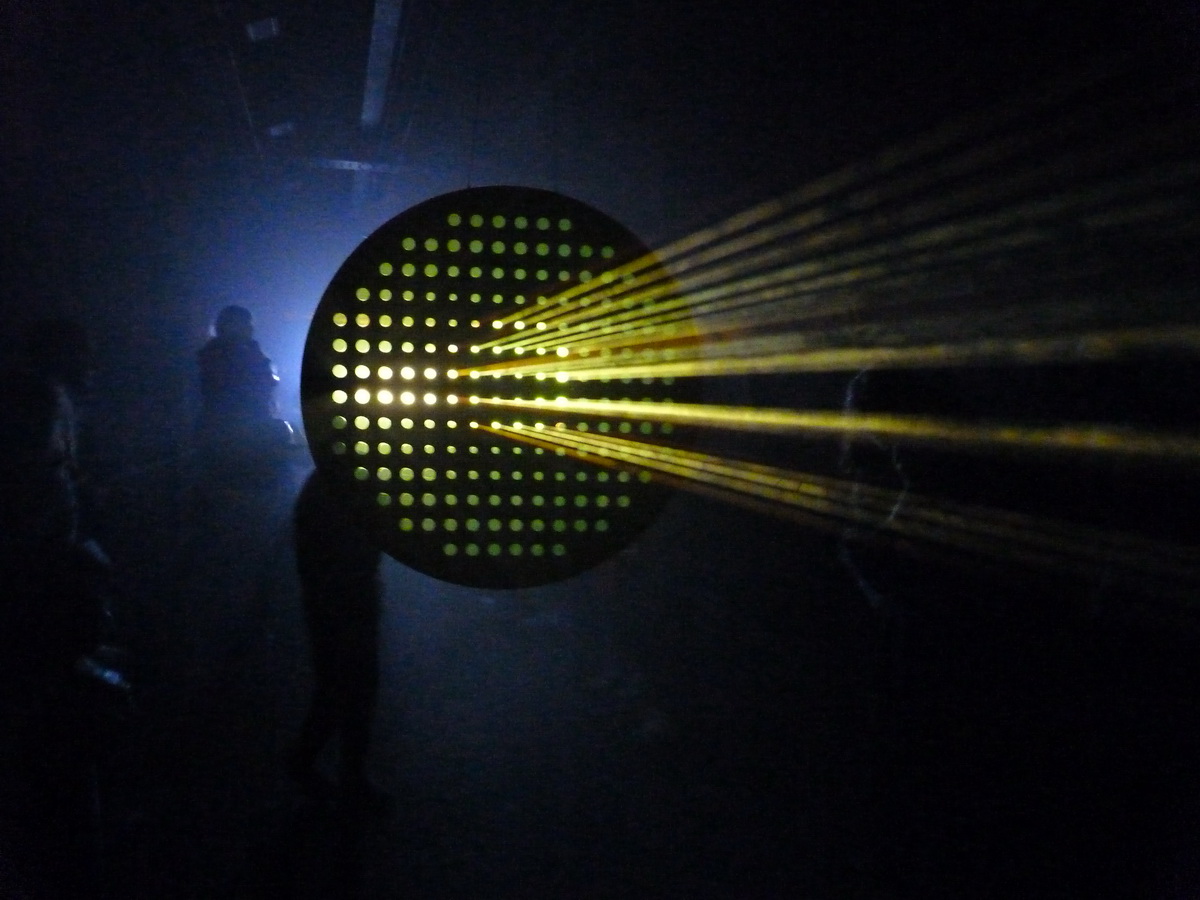
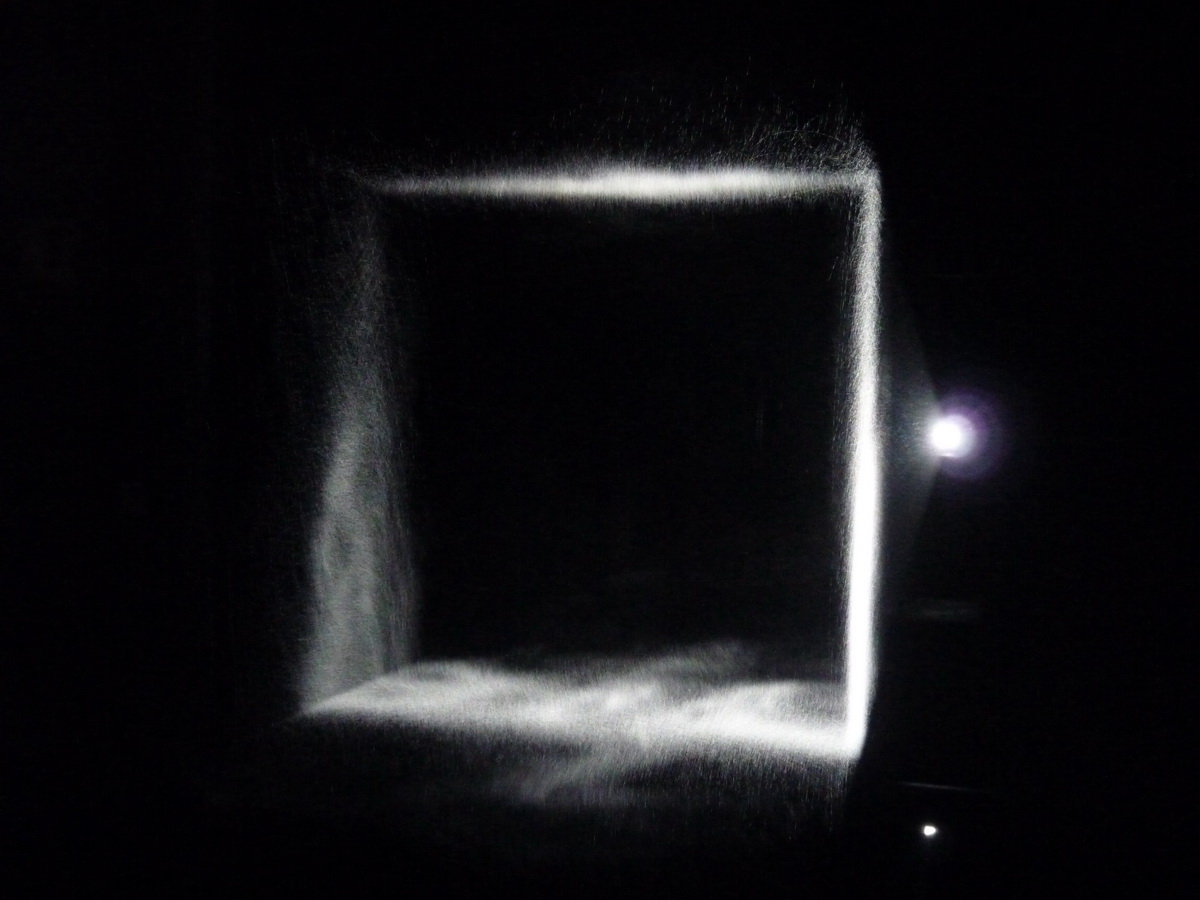
Felicie d'Estienne d'Orves Music-Franck Vigroux "SUN" Sound and light installation
Text/Photos by Chen Chi-Hsiang. The annual Nuit Blanche, as usual, brings a festive atmosphere to the city that surpasses Christmas or New Year’s Eve, bustling with energy rivaling any carnival. This grand artistic event feels like a city-wide movement; Paris is filled with crowds everywhere. Whether you’re joining the revelry, taking the opportunity to enjoy the leisurely ambiance of art spaces, admiring the beautiful night views under the day-night cycle, or absorbing the cultural energy of Parisians, it is all worthwhile.
This year marks the seventeenth edition of Paris Nuit Blanche, curated each year by a different curator (Gaël Charbau this year). Exhibitions are held across various districts, updating and highlighting iconic landmarks. Divided into four main zones this year, the route starts from Île Saint-Louis in the city center (the first time Nuit Blanche has been held on this island), passing through the City Hall and market areas, the Invalides Military Museum, crossing the Seine via the stunning Alexandre Bridge, the Grand Palais, the Petit Palais, and the Champs-Élysées. To the north lies the entire Parc de la Villette, stretching from the Cité des Sciences to the Maison de la Radio (Paris Symphony Hall); to the south, the Porte Dorée extends towards the Bois de Vincennes and its nearby zoo. It is surprising to see art activities in unexpected places like the zoo, making artistic influence omnipresent and integrated into daily life, even appearing at RER stations.
The exhibited works this year are highly diverse and composite: painting, sculpture, objects, video, photography, digital (virtual reality), sound, lighting, performance, dance, reading, games, sports, street art, robots, and various concerts (solo or bands, especially the six-hour relay performances by three symphony orchestras at the Paris Symphony Hall). In addition, Nuit Blanche offers opportunities for artists to revisit their work, featuring food, art activities, and events open to everyone. Many environmental installations focus on interactivity and activity types, emphasizing theatricality and entertainment.
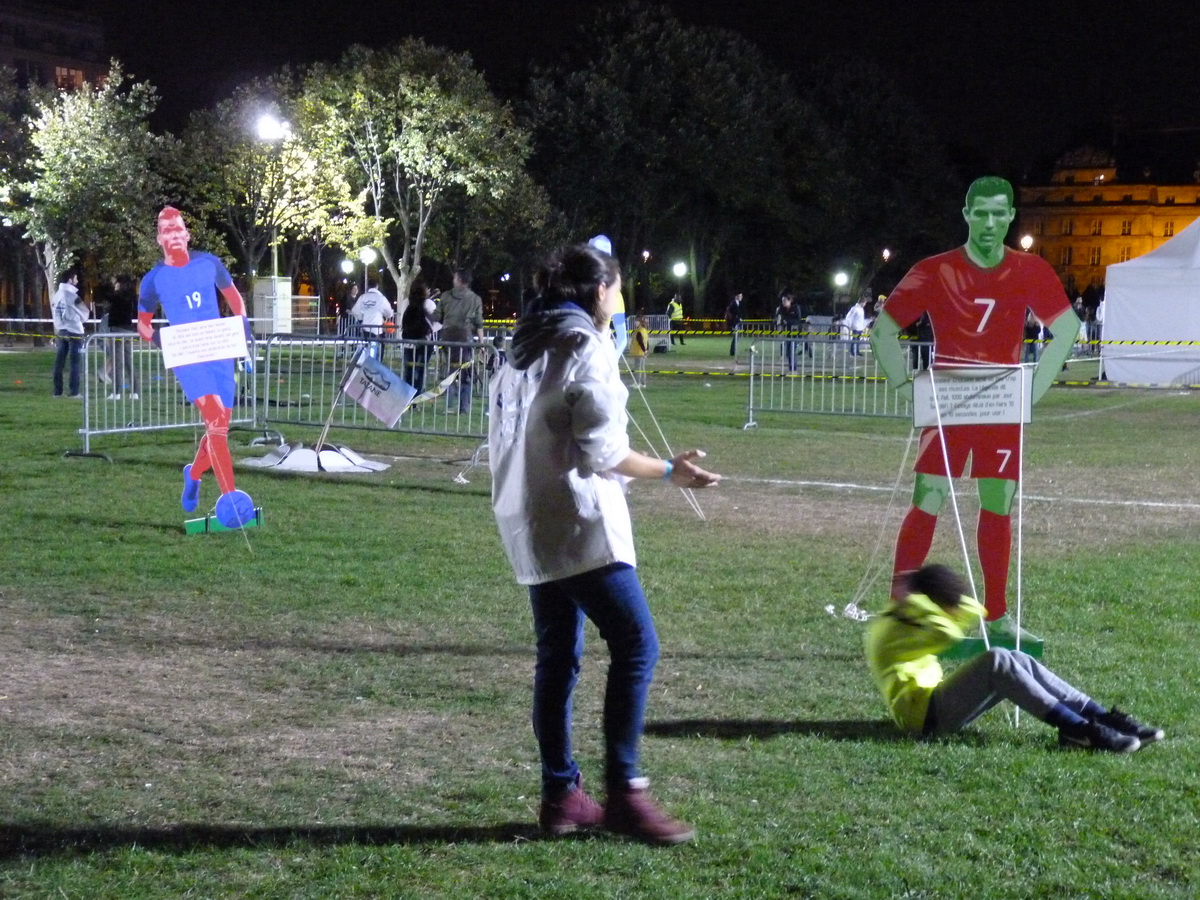
Given the four zones, it is impossible to visit everything in one night, and indoor exhibitions often have long queues (wasting time). I strategically chose to visit two major areas. I started with the Invalides Military Museum zone, aiming for a quick visit. Exiting the metro quickly, I joined a queue without fully knowing what lay ahead, soon entering a crowded light show. Unexpectedly, I encountered a new-generation artist, Felicie d’Estienne d’Orves, who projected strong light onto a perforated disc. As Franck Vigroux’s music played, the light slid forward slowly, creating a dramatic effect. Outside, the lawn and roads of the Invalides square were filled with curious spectators mesmerized by the confusing lights, watching groups gather for ongoing performances. A collaboration between new-generation artists Julien Berthiere and Tatane titled “Game Rules” illustrated football rules as akin to life, featuring paper cutouts of three football stars and children playing football on site. On the opposite lawn, another football match accompanied by the sounds of running players created an interactive game-like performance. I intended to enter the military museum but saw a queue at least fifty meters long and lost my footing.
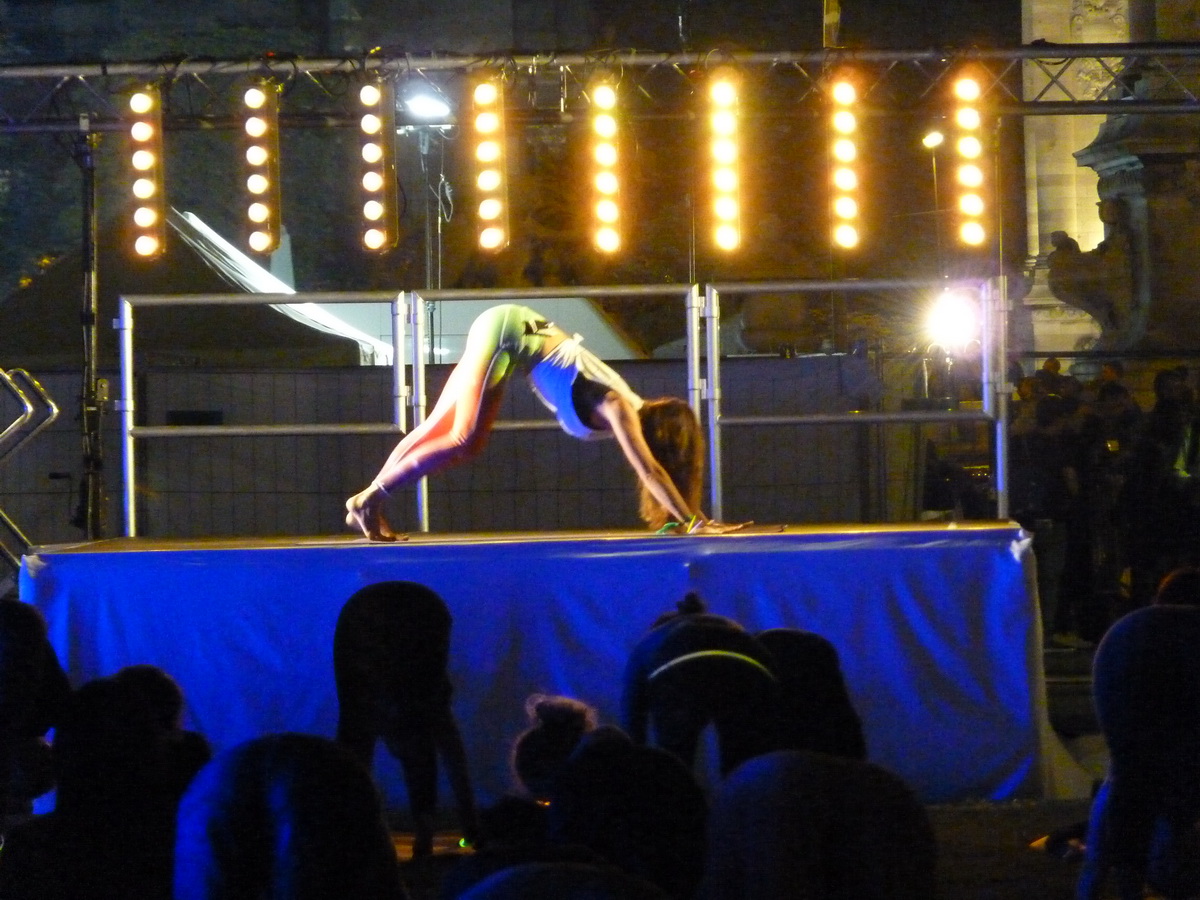
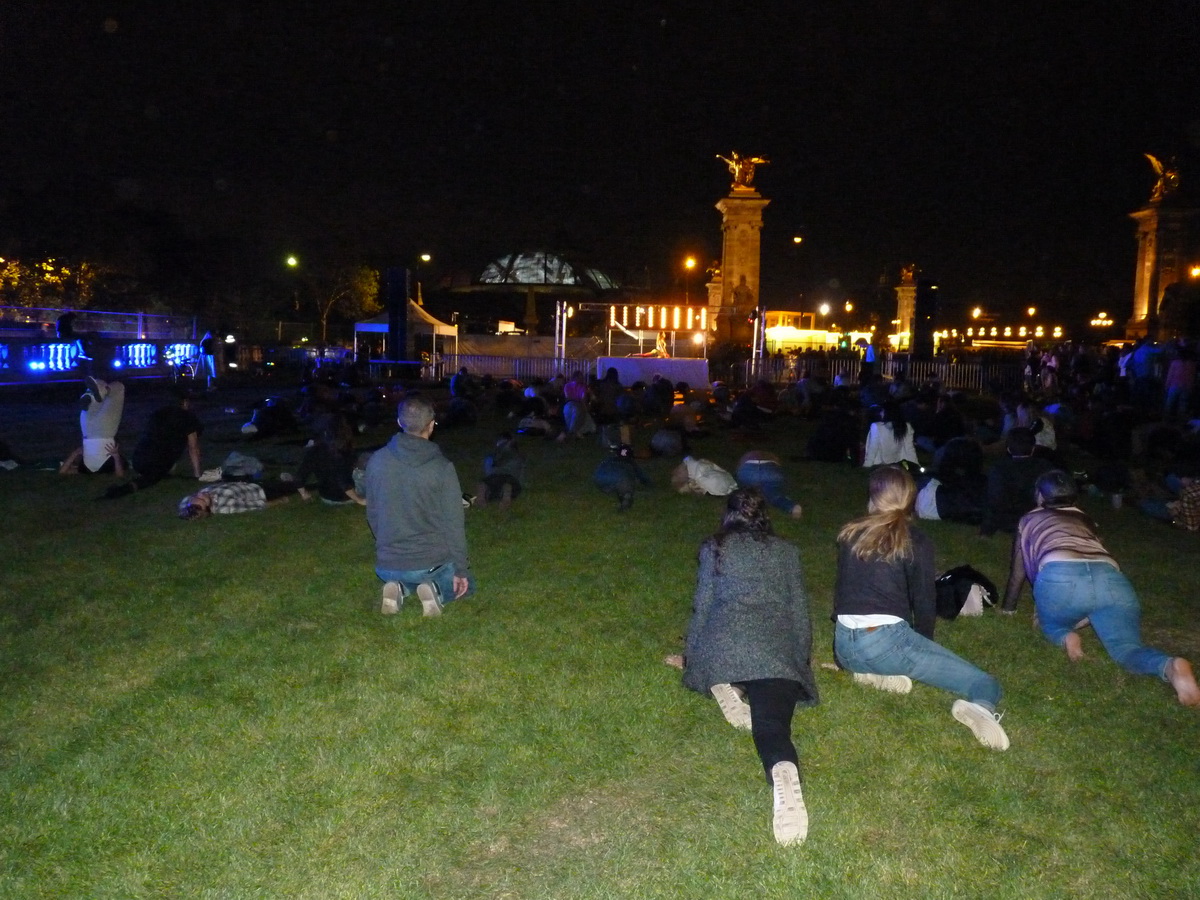
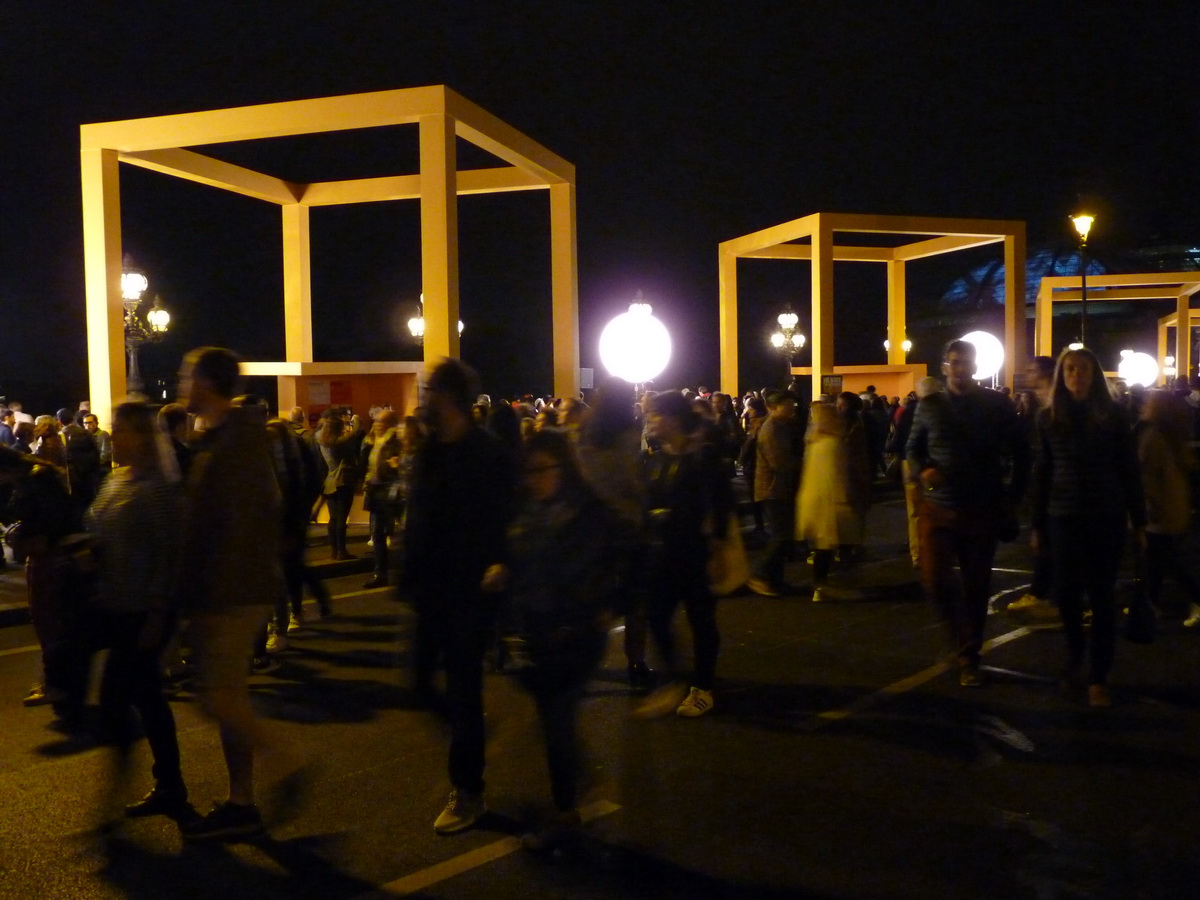
Continuing toward the Grand Palais, many young people sat on the lawn drinking beer, eating, and chatting, enjoying the pleasant Nuit Blanche amidst the crowd. Remarkably, a group was doing stretching and yoga led by teachers Serial Yogger and Nicole-Marty. Is this art? Indeed, it is the art of living. Facebook also appeared here, where people could lie on chairs gazing at the Parisian starry sky displayed via digital virtual reality. Parisians are usually too busy to forget the starry sky after dusk. On the beautiful Alexandre Bridge, crowded with pedestrians, five large yellow hollow squares housed five famous NGOs (such as the well-known poverty association) and cultural organizations, ideally using the bridge as a symbol of exchange between art, humanities, and society.
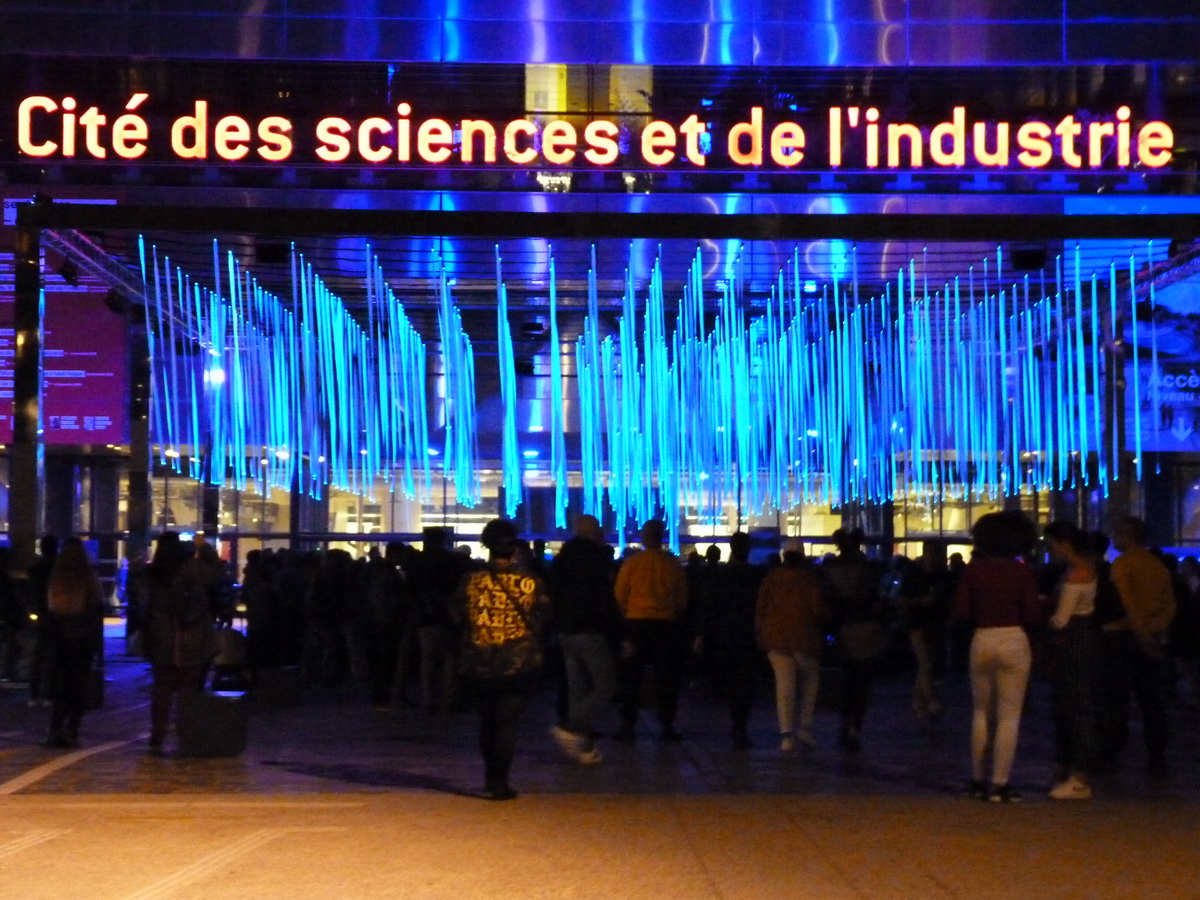
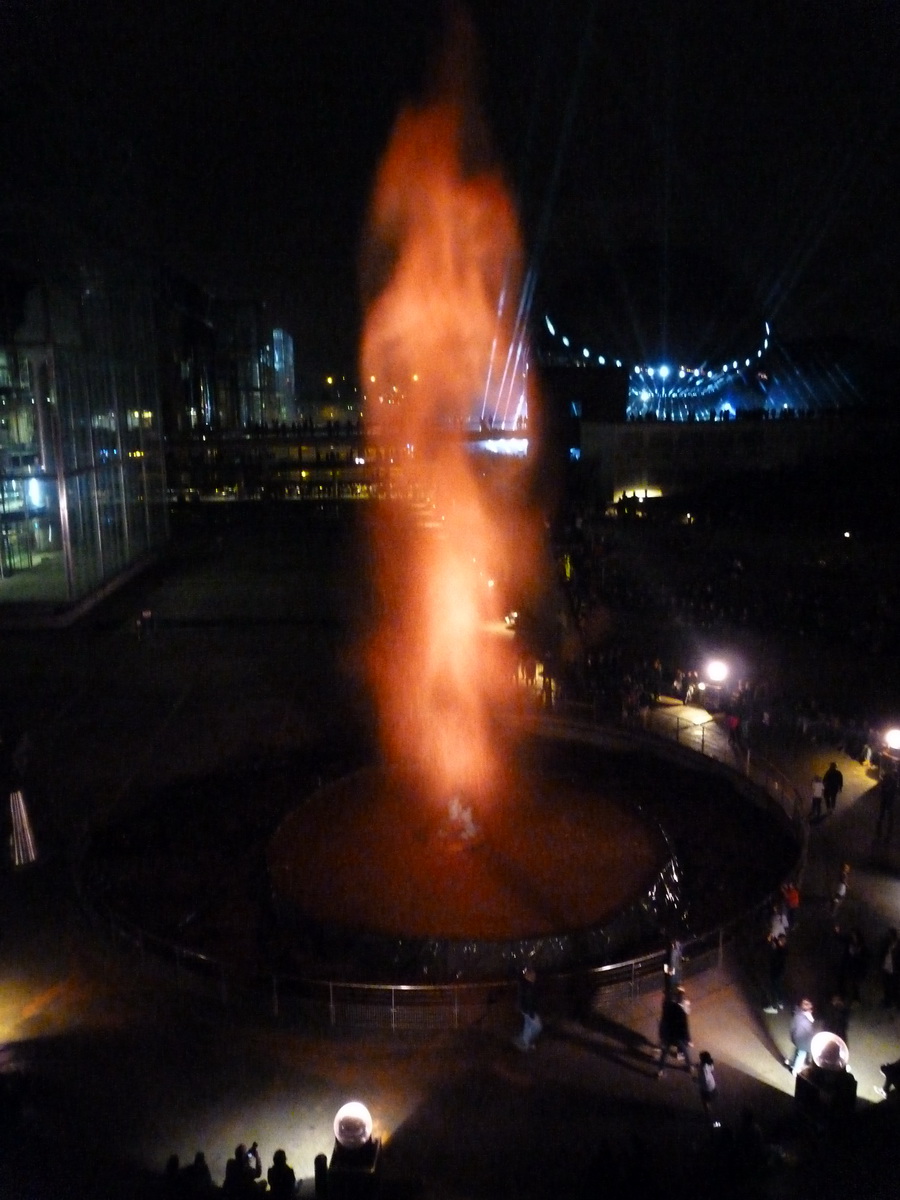
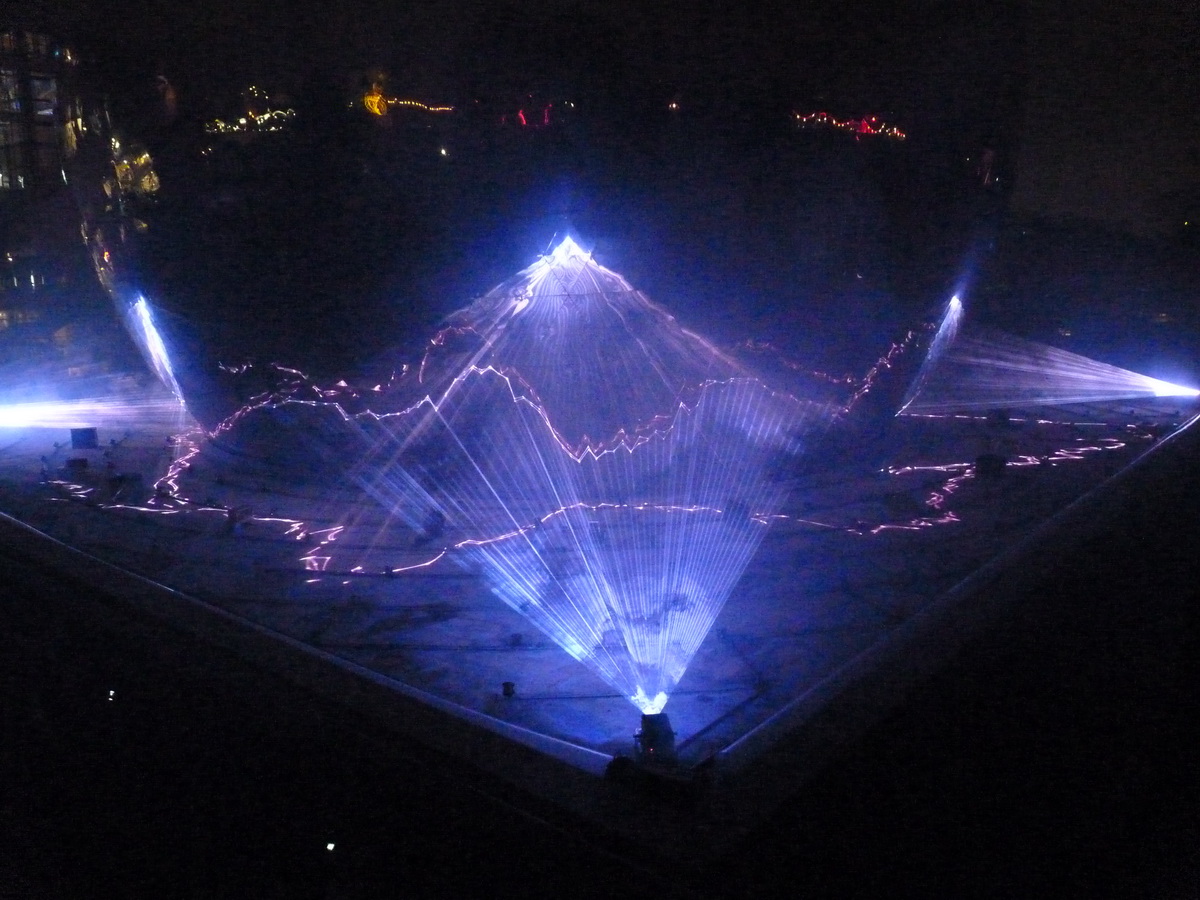
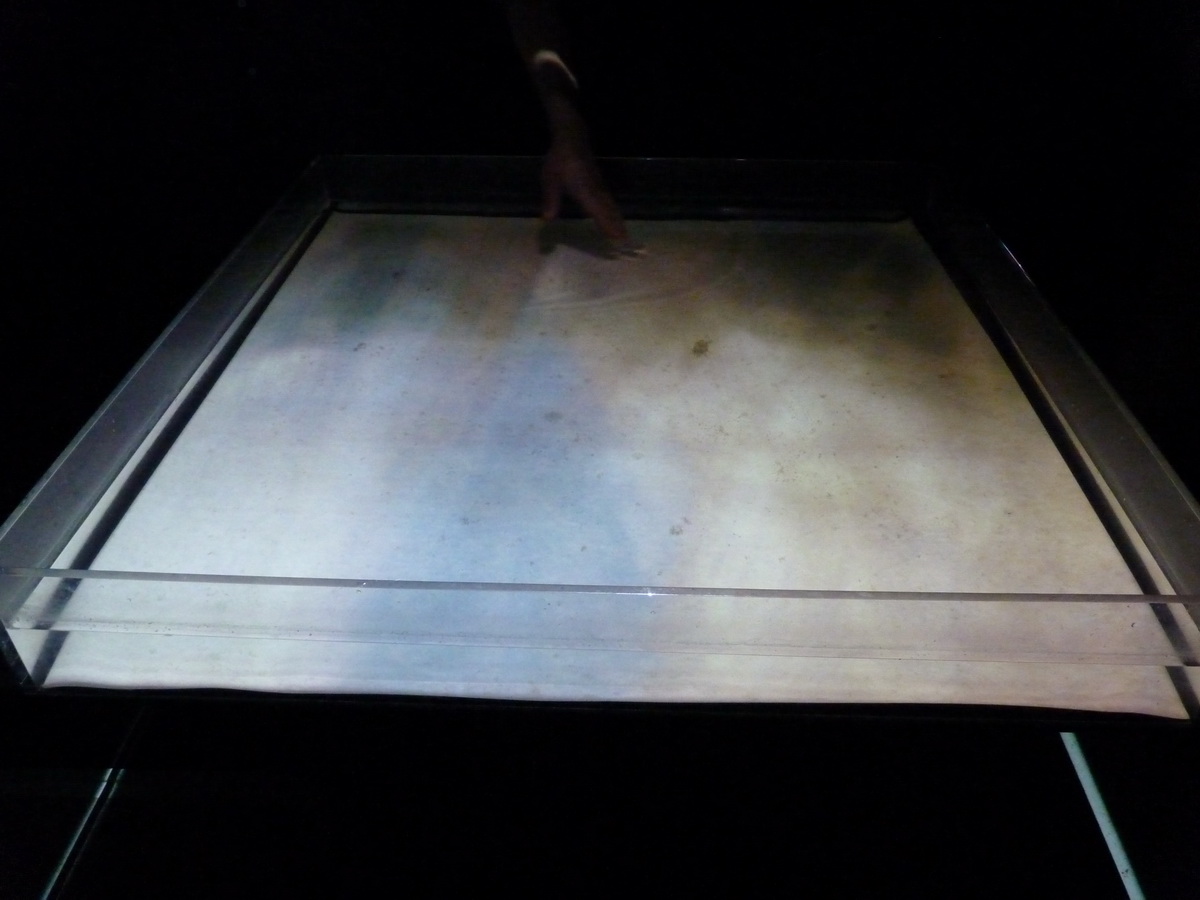
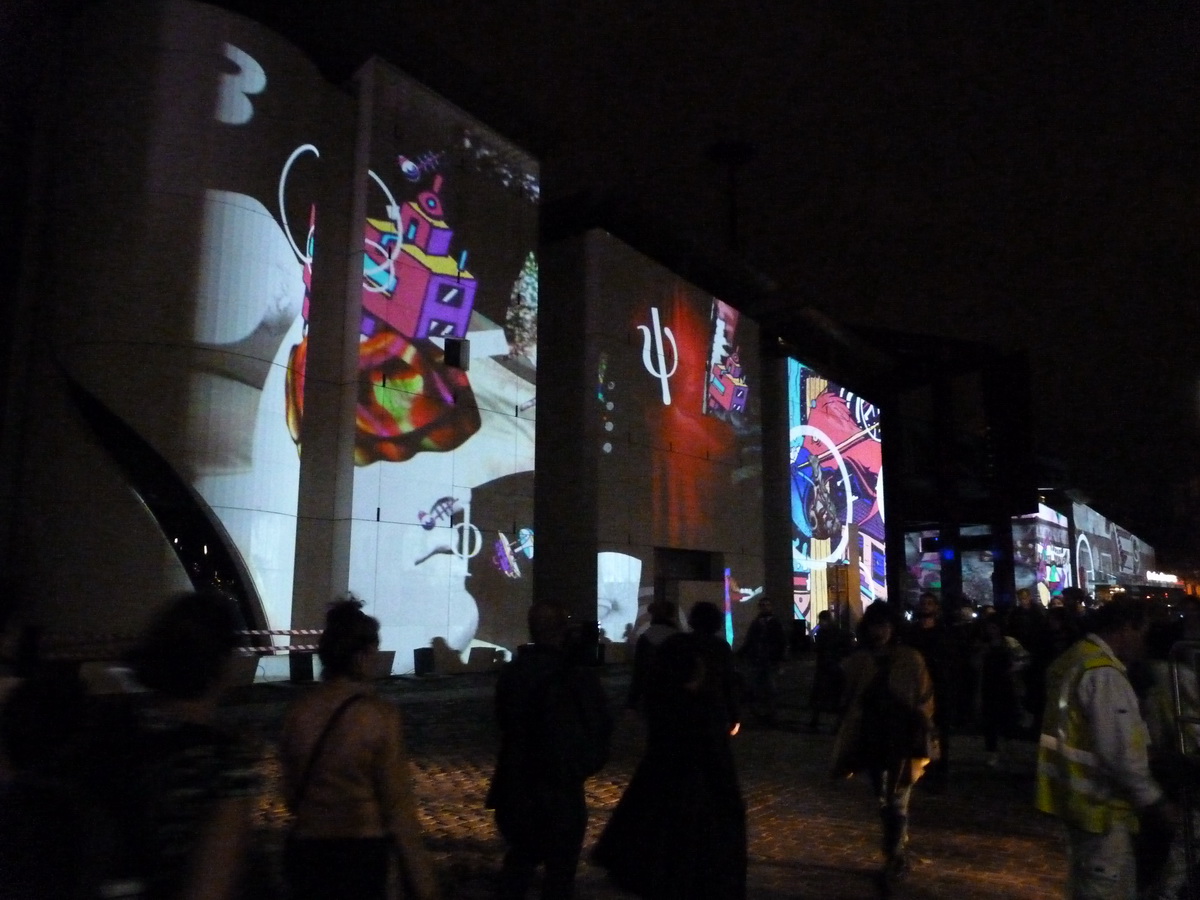
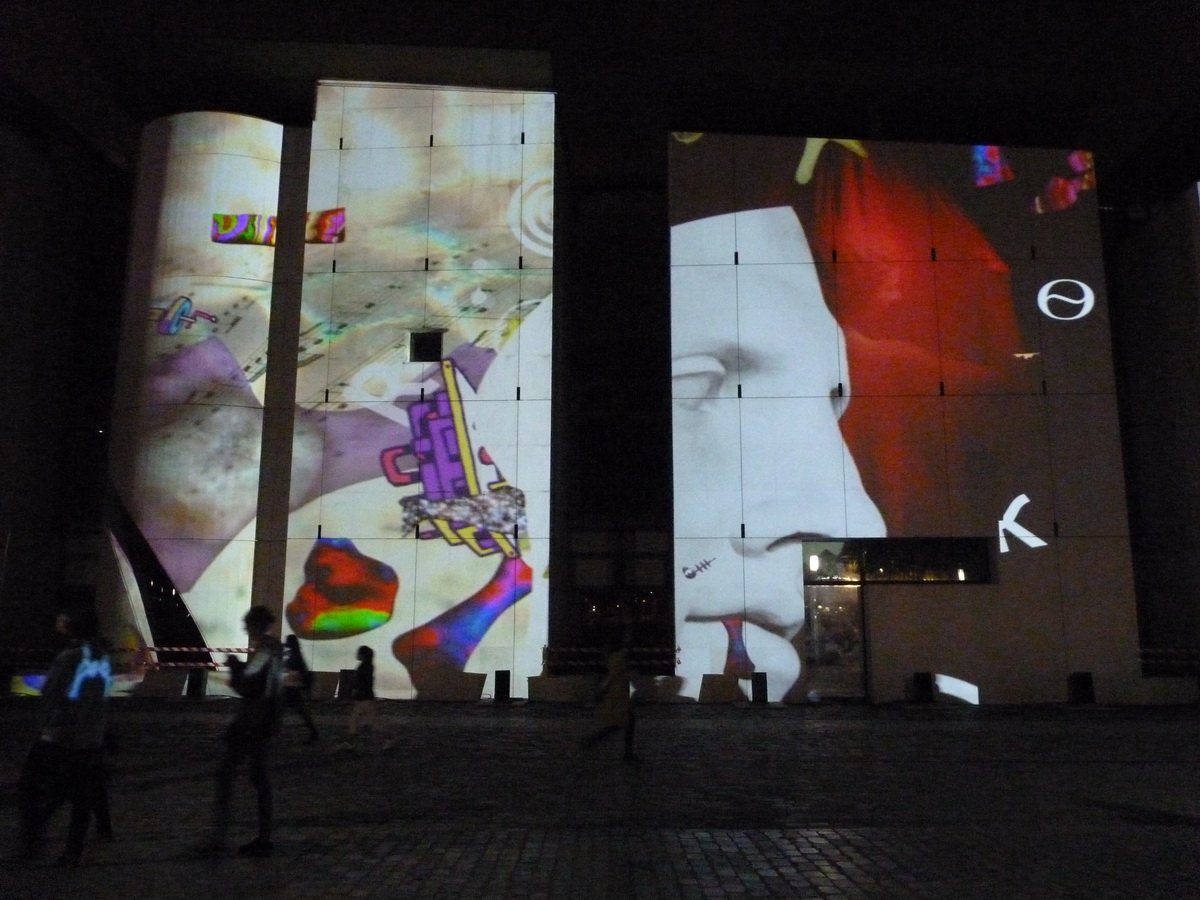
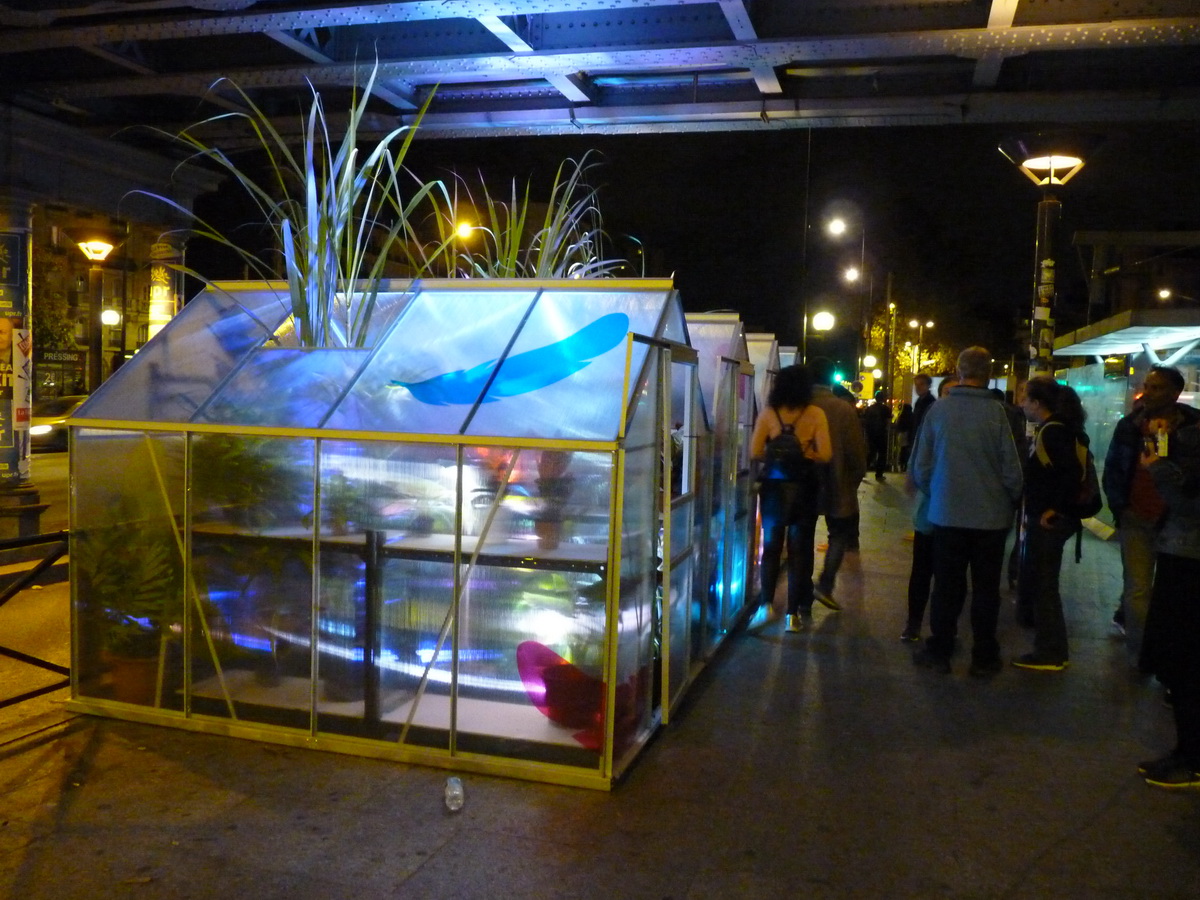
I tried to enter the Grand Palais but joined the wrong line, realizing my mistake after nearly half an hour and having to run. Taking the metro directly to northern Villette, I arrived at this spacious outdoor park. Although still crowded, it was more comfortable. At the entrance of La Villette Industrial City, I enjoyed a relaxed musical light show called “platonium” by artists Eric Michel and Akari-Lisa Ishil, a multimedia work immersing people in harmony of color and sound. Turning a corner behind the industrial city, I found Fabien Leaustic’s “geysa,” the most spectacular and unforgettable work I saw this year. A pool of dark red muddy water periodically erupted into a twenty-meter-high fountain, full of imaginative space, evoking the magnificent scene of an active volcano at the boundary of engineering and sculptural art. On a mirrored sphere behind the industrial city, the sound and light installation “Termenss wardenclyffe” presented a dramatic lightning display. Crossing the canal to the other side, I encountered the striking, crazy digital-multidisciplinary “Winter Encounter and Dialogue, Platform of Obscurity and Brightness,” a crazy digital process regarding water resource issues: potential images of water. Arriving at the First Concert Hall of the Maison de la Musique, a series of image walls constantly changed, produced by Athem and Cruz-Diez studio and the Paris Art Team, using video to narrate time, history, and humanities. Next to the Second Concert Hall, checking the time, it was already 1 AM. Thus, I headed home, ending this year’s Nuit Blanche tour with satisfaction. Riding the convenient RER back, unexpectedly, I encountered Florian Viel’s “Urban Jungle” at the station, a gift saying goodnight to Paris.