Contemporary Art Workshop - 7: From Beuys' "Social Sculpture" – On Contemporary Art Regarding Cultural Self-Awareness
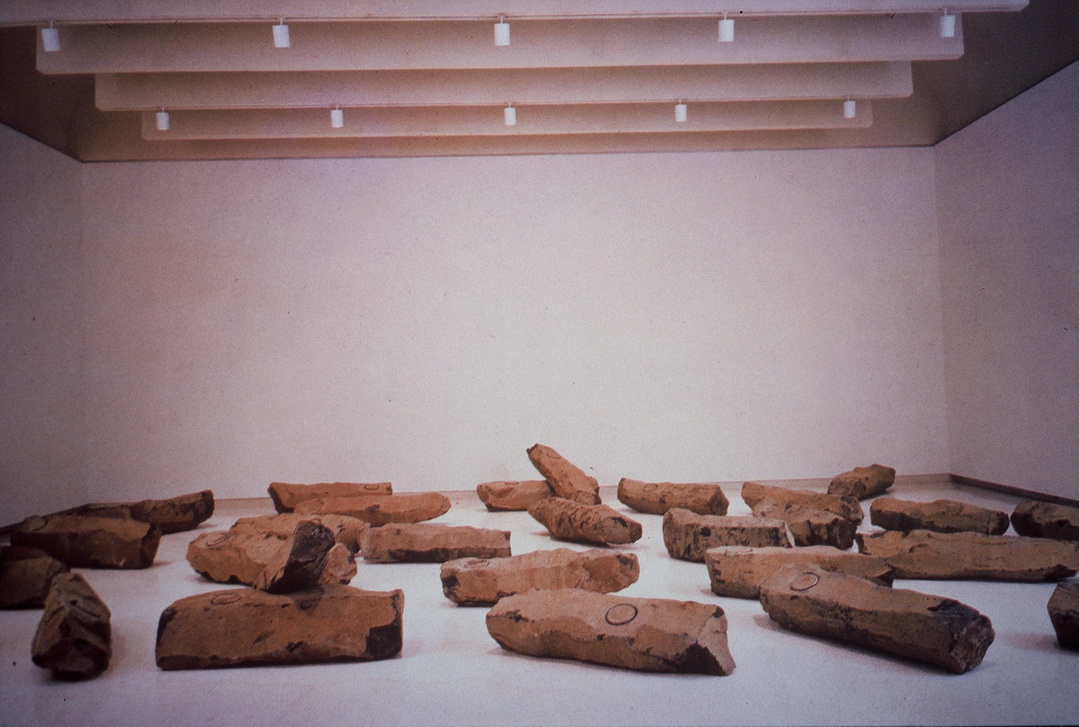
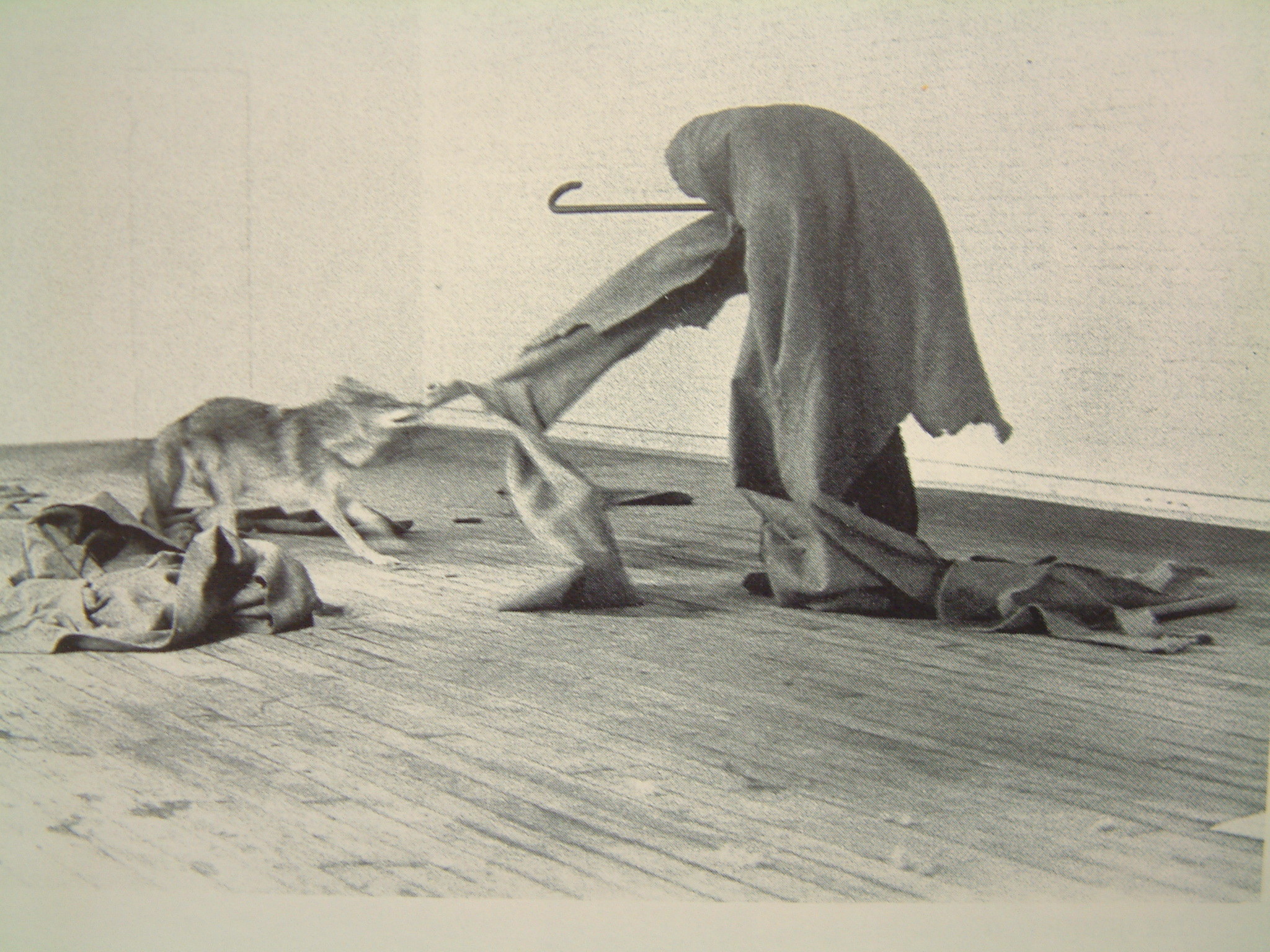
Jeseph Beuys 1921-1986 Untitred 1970 London Tate Modern Collection
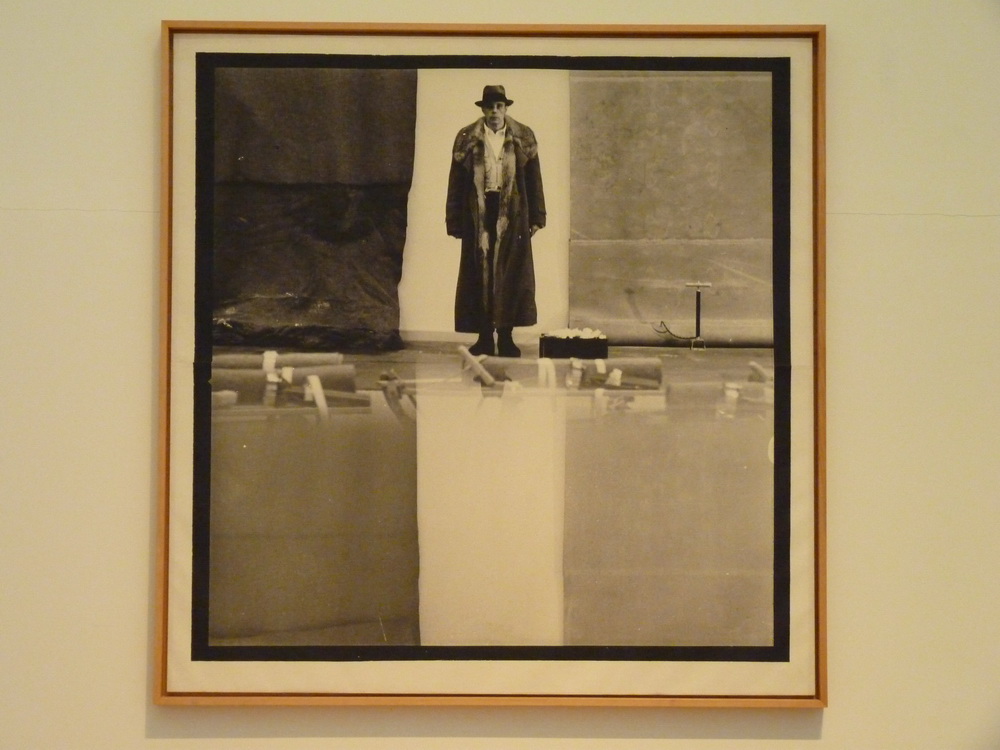
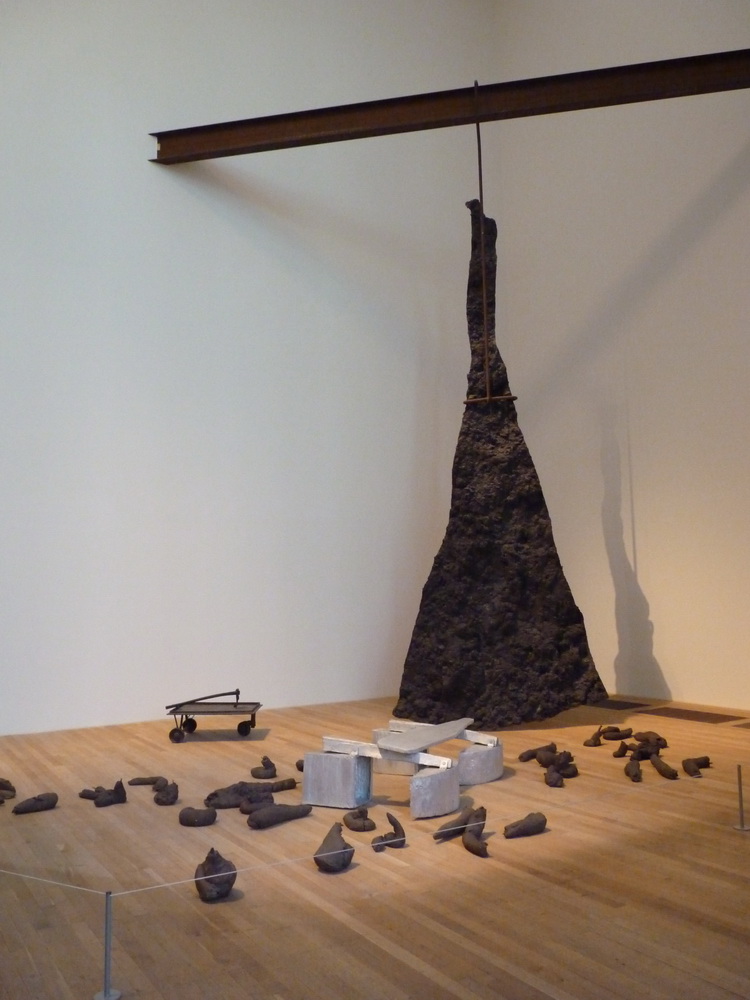
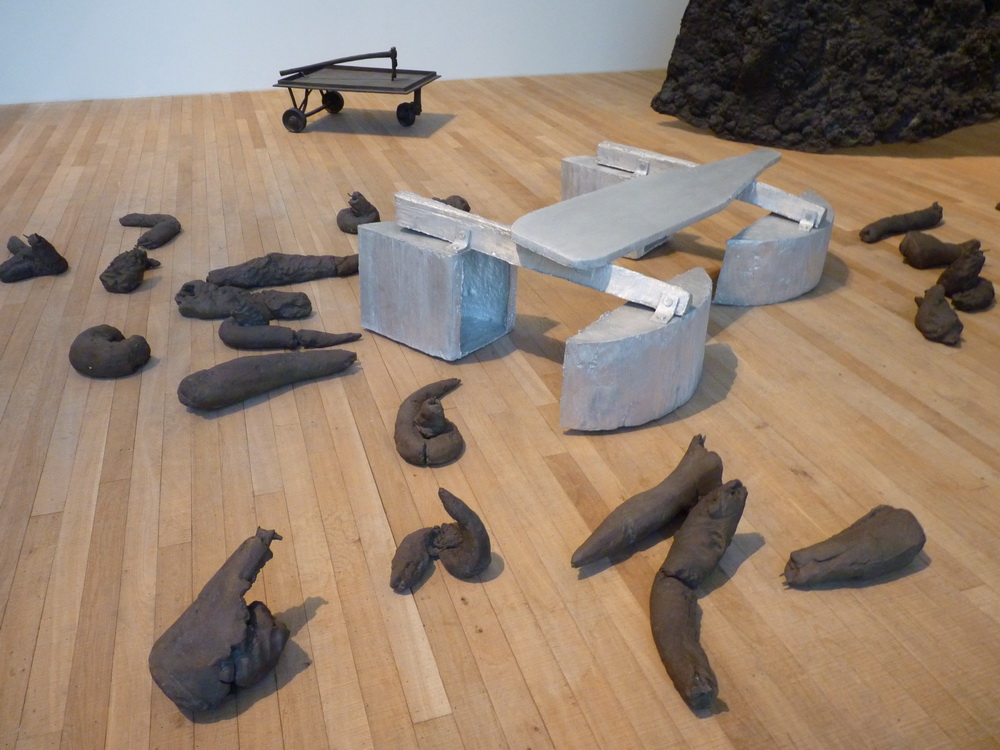
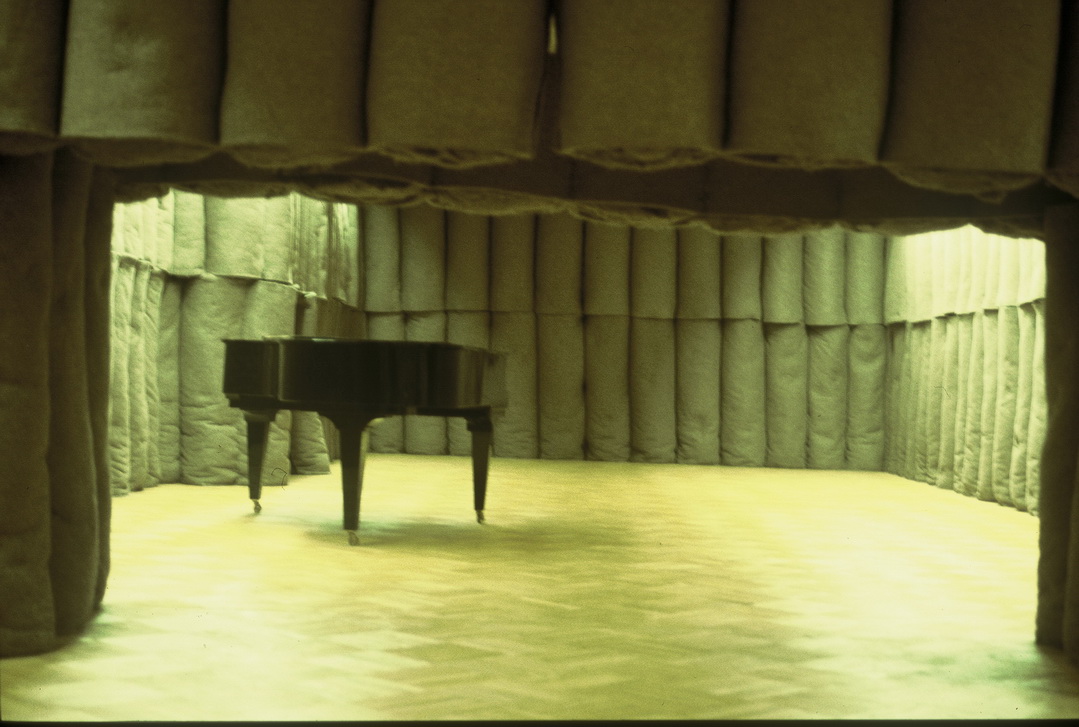
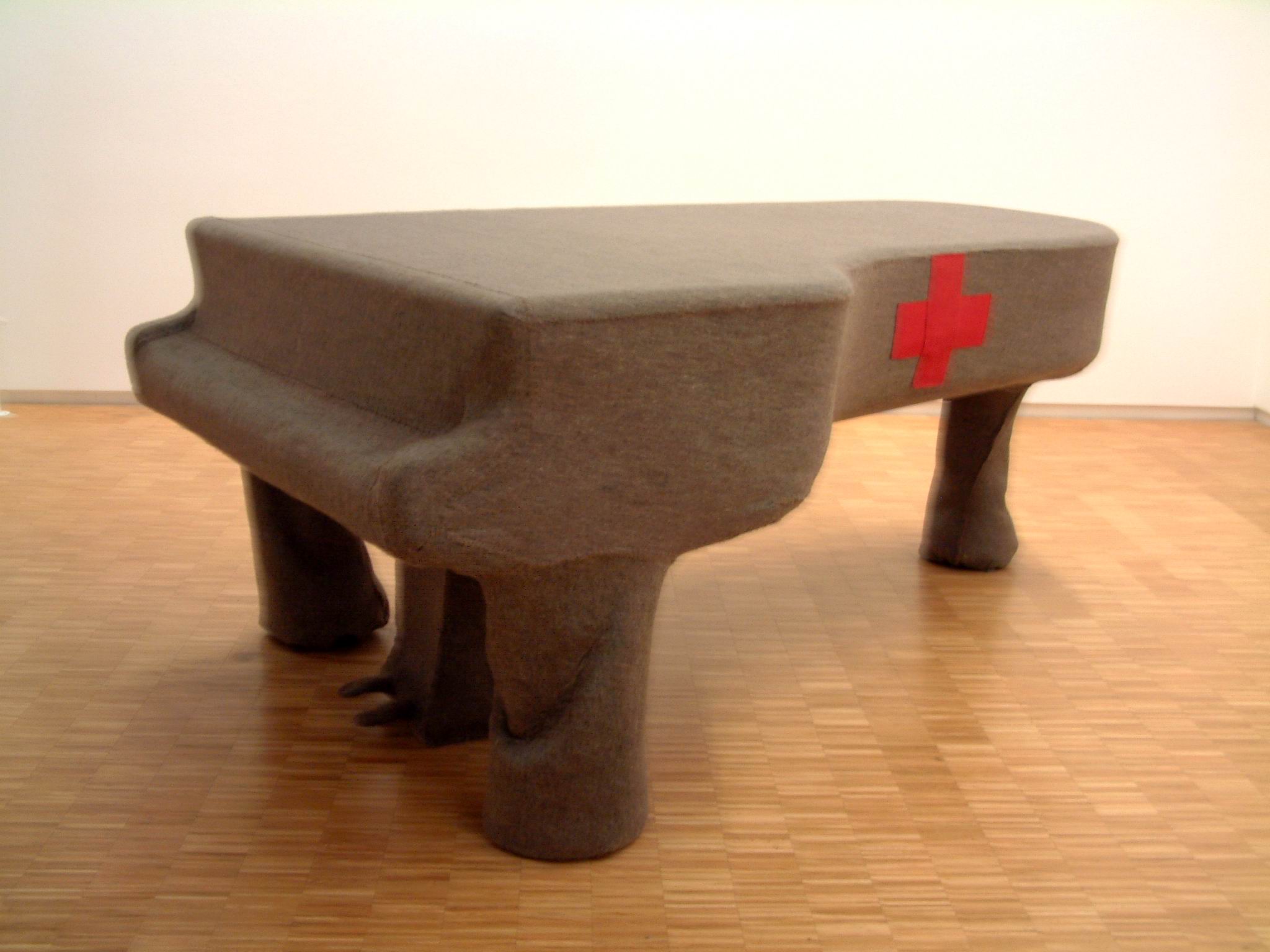
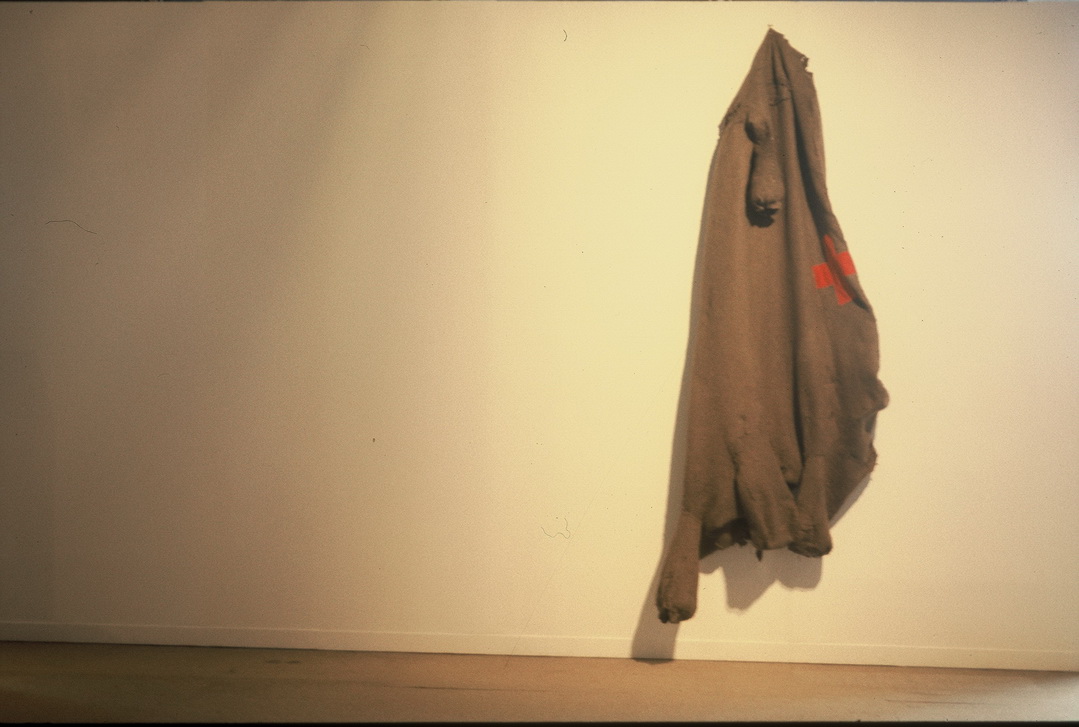
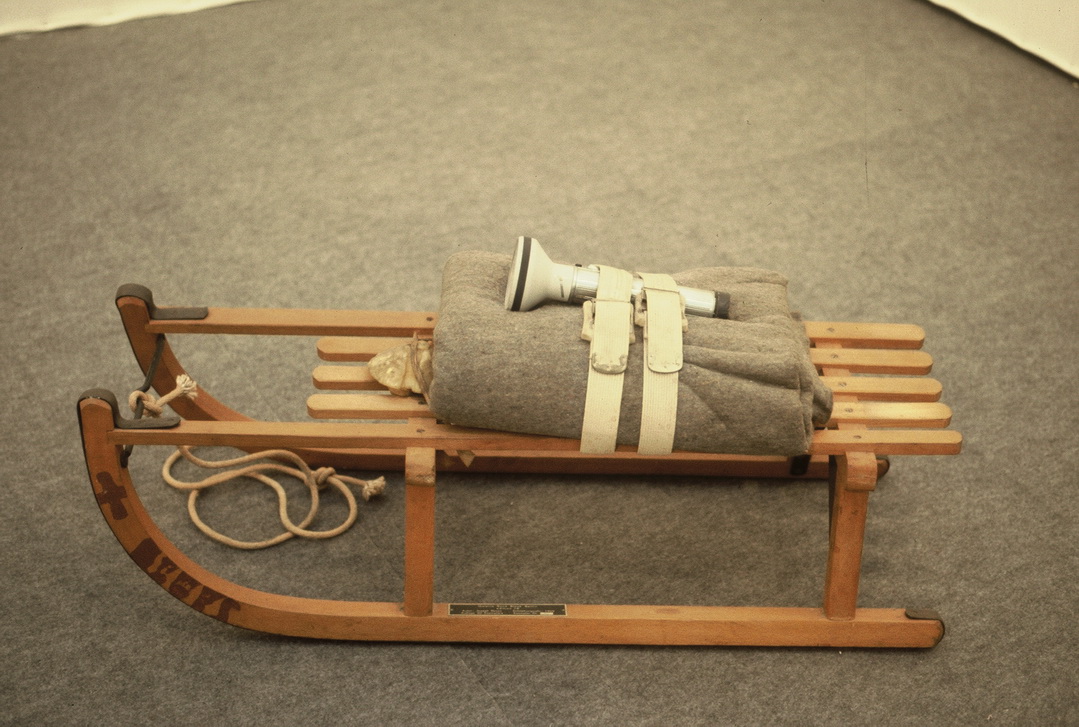
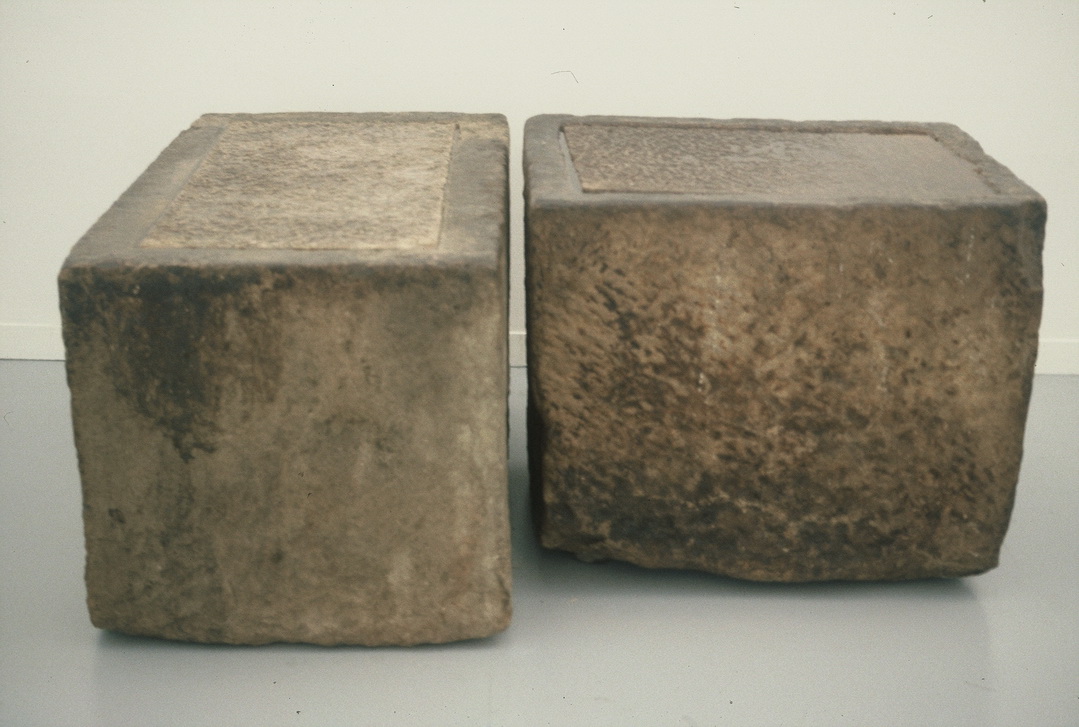
Text and images by Chen Chi-Hsiang. Contemporary Art Workshop – 7. Speaker: Chen Chi-Hsiang. Topic: From Beuys' "Social Sculpture" – on contemporary art regarding socio-political issues of cultural self-awareness. Curator: Pema Lamo. Date: February 27, 2017, 1:00–5:00 pm. Location: Chiayi (see details below).
When mentioning contemporary German art, one immediately thinks of Joseph Beuys, who became the symbol of German avant-garde art. Endowed with his thoughtful sculptural aesthetics, through sharp protest and radical pioneering that broke historical taboos and interrupted a cute, naive academic aesthetic, he became the radical spokesperson for modern progressivism. However, through his expressive sculptures and original installations, a new feeling and distinct Germanic character emerged. Thus, from cultural self-awareness, post-war German art was remarkably revived, filled with vitality and new hope, continuing to deeply influence German art to this day.
Beuys is the most legendary, subversive, profound, and famous artist in contemporary art, like the most symbolic hero figure in the contemporary art world, the last utopian idealist in the West, and even the enlightener of postmodern art. His most important quote is "Everyone is an artist." This represents Beuys' concept of the expanded artwork or the reconstruction of humanity's original creativity, granting humans a new life, and also serving as a method to heal the social body. The idea that everyone is an artist is the manifestation of the expanded concept of art as social sculptural form, reconstructing human identity to exert creative power.
Beuys' creation can be broadly divided into three directions: First, relatively famous sculptural work, including actions (performance art and political speeches). Second, organization within the expanded concept of art. Third, stemming from his inherent political activities: the groundbreaking "Social Sculpture."
Beuys used art as a tool for social revolution and believed that art could truly change the world, moving from the "expanded concept of art" to "social sculpture." Beuys led art toward freedom through aesthetic education, into an aesthetic and ethical state, much like the philosopher Schiller believed: "Art is like pedagogy teaching community and society." Beuys demonstrated a desire for deepened humanism through sculptural exploration; via thinking and self-awareness, often breaking free from the constraints of minimalism and conceptual art, he conceived his actions within a sense of social and political responsibility, starting from the living environment, using symbolic elements, beginning with awakening Germanic self-awareness and human dignity, and marching bravely toward the utopian ideal world.
Beuys' exploration of the artistic situation of "Social Sculpture," on a broad and heterogeneous humanistic culture, is like Da Vinci at the core of the Renaissance. For both artists, artworks were not their only activity. They served more like critical theoretical explorations, contradictory and continuous throughout all existing processes. Ethics and aesthetics are often closely mixed; his passion encompasses all forms of life (such as language, energy, materials, rhythm, body, and animals), these subtle and acute organs, unusually and clearly gathered, attempting to salvage human life from these gradually disappearing forms.
Key points for workshop discussion: Deep dive into Beuys' contemporary art topics: discussing cultural self-awareness, society, politics, ethnic subjectivity, etc. Participants may propose discussion topics or reserve individual time for "art diagnosis" consultations, such as questions about contemporary art—creative development, exhibition curation, gallery management direction, collecting contexts, art fair development trends, etc.
Event Time: February 27, 2017, 1:00–5:00 pm Lecture Location: Chiayi Little Black Cat Art Cafe Address: No. 518, LinSen East Road, Chiayi City Workshop Quota: 15 participants Registration Method: Please message to inquire and register. Fee: Confirm registration and payment one week before the course begins.