AICA Annual Congress - 6
On the 29th, the AICA Annual Congress convened in the conference room of Chelsea College of Arts, opposite the Tate Britain.
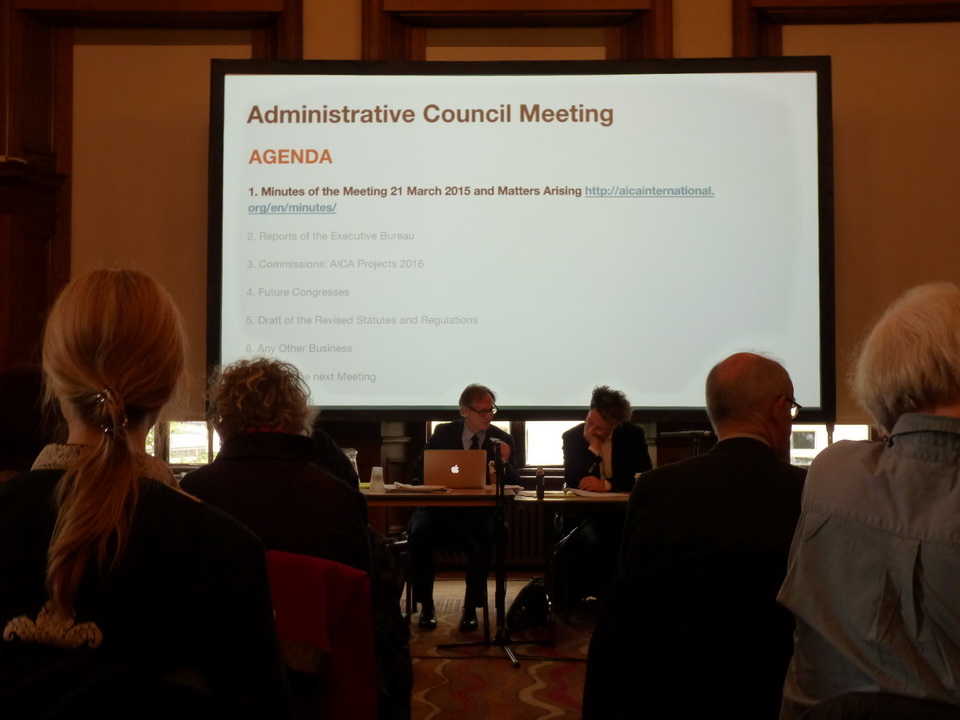
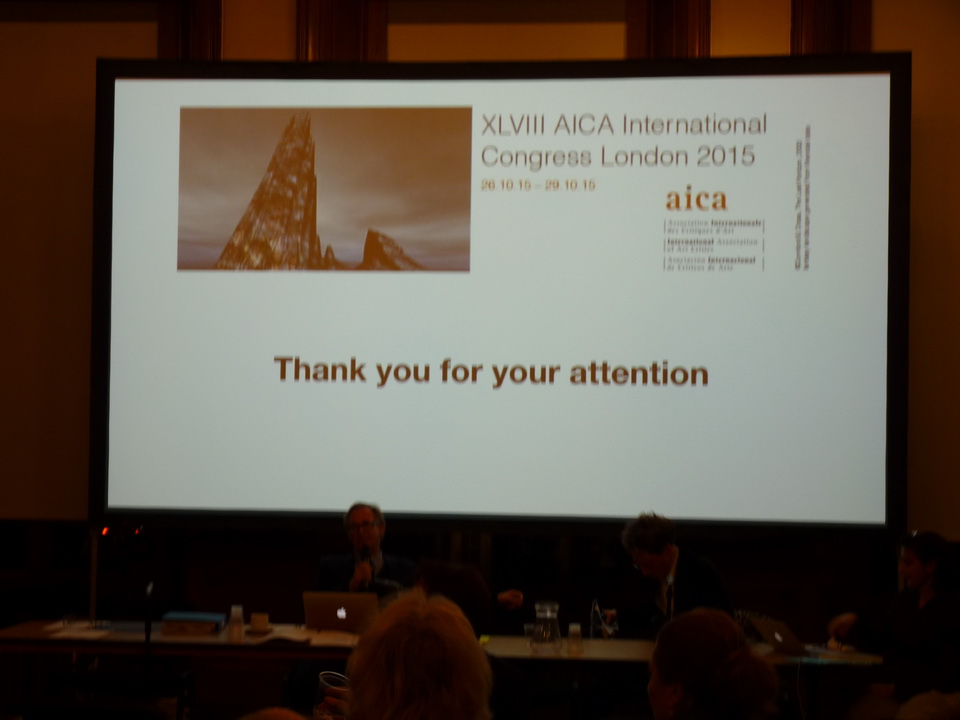
Text and photos by Chen Chi-Hsiang. The XLVIII AICA International Congress London 2015 began on the 29th in the conference room of Chelsea College of Arts, opposite the Tate Britain. It ran from 9:30 a.m. to 6:30 p.m. It is hard to imagine enduring such a long day; it truly requires patience. This was the longest meeting I have ever attended. The entire morning was dedicated to reports from the AICA President, annual reports from various groups, discussions on the association’s statutes, and deliberations on next year’s budget and congress planning (location and expenses). Few members participated early in the morning; attendance increased only around noon, suggesting that everyone was tired from the previous day’s full schedule.
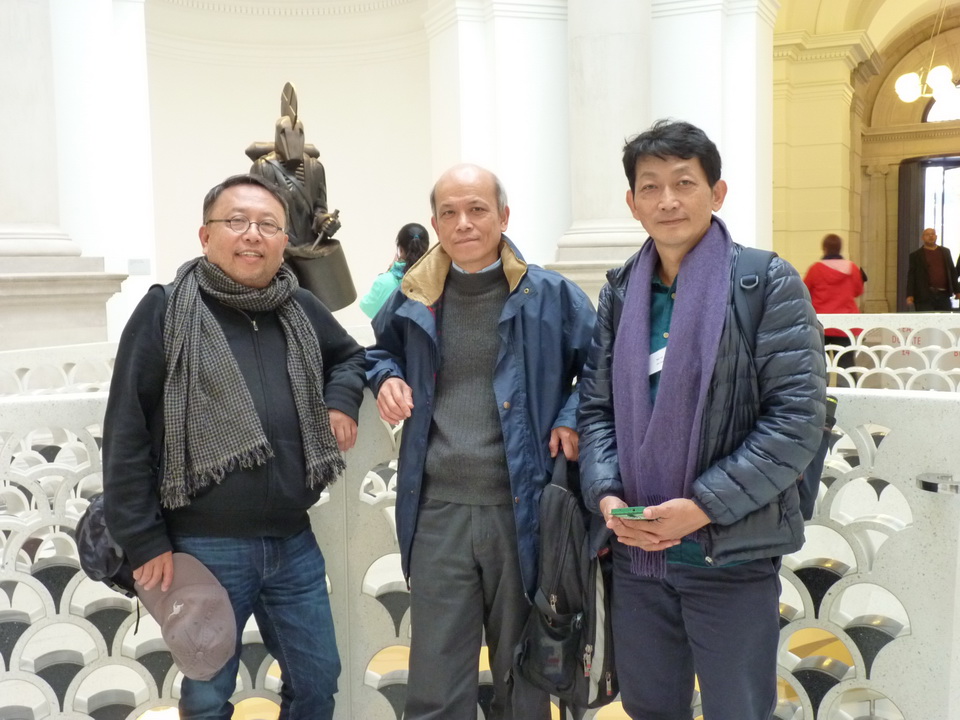
During the plenary session today, a mysterious figure from Taiwan unexpectedly appeared—Chen Chao-Xing. He seemed to have come specifically for the annual congress. His presence amidst everyone’s busy schedules highlighted the significant importance of his participation for Taiwan. I was delighted to see him; as a founder, he played an indispensable role in enabling Taiwan’s participation in the international AICA association. He is currently one of the four vice presidents of AICA, holding a prominent position as a veteran of the organization. He appears well-versed in AICA’s operations and personnel, serving alongside Tsai Jui-Lin (a committee member and international member) as an essential pillar for consolidating Taiwan’s presence in AICA.
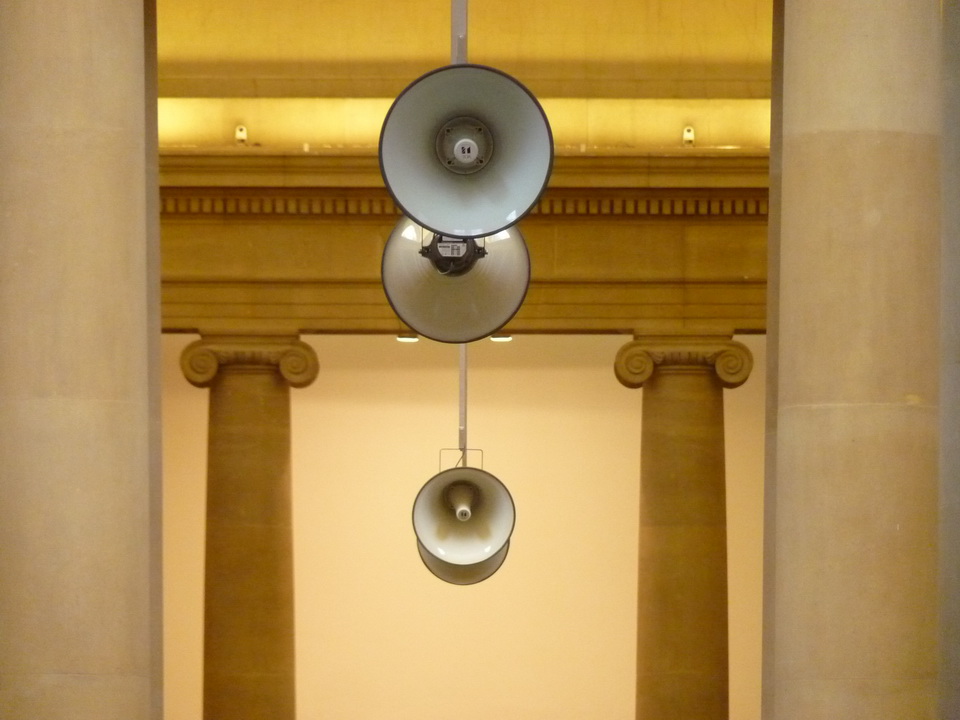
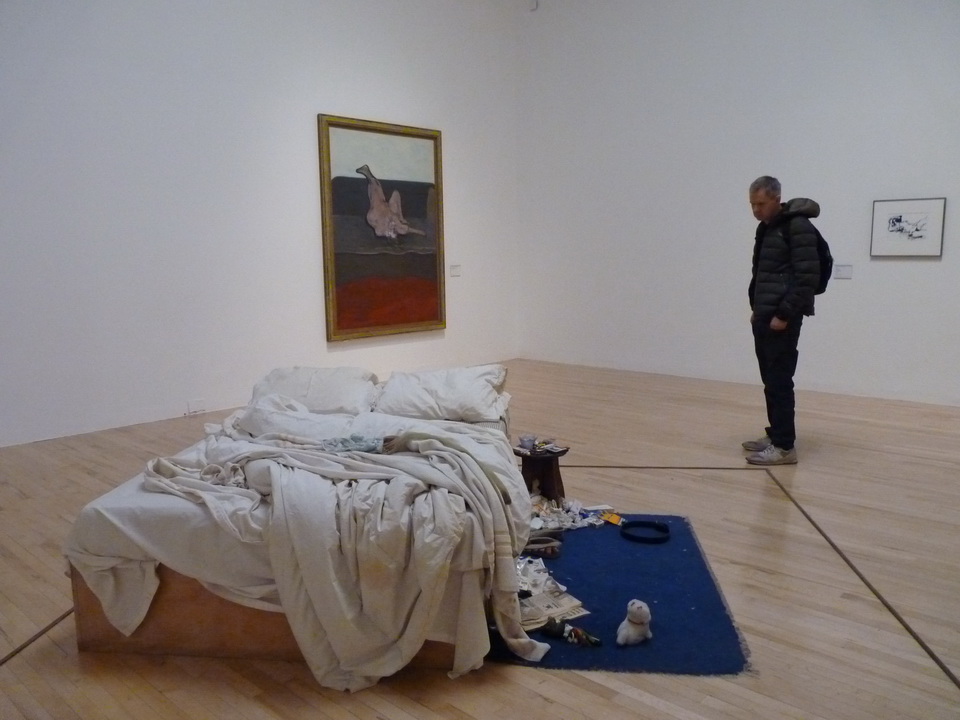
At noon, the plenary session concluded, and everyone dispersed for lunch. Our group went to the basement restaurant of the adjacent Tate Britain for a simple meal consisting of a bowl of pumpkin soup and two bread rolls. We drank neither coffee nor tea. Since we were at the museum, we took the opportunity to visit. The lobby was undergoing a rotation; we saw only two loudspeakers suspended in mid-air, possibly indicating a sound field exhibition. With limited time, we quickly toured the collection of Modern and Contemporary British Art. Familiar with the works, I took a moment to savor some pieces before rushing back to the plenary hall to continue the meeting.
The afternoon session involved electing new vice presidents (three by-elections) and international members (ten), along with voting on resolutions regarding the morning’s budget and member country fees. Various items, including annual budgets, project plans, and statutes, established their positions through voting. Members of the AICA Art Criticism Data and Publishing Group reported on the operations and publication perspectives of Critique d’art: The International Review of Contemporary Art Criticism. They explained the establishment of contemporary art criticism archives, noting that the University of Rennes II in southeastern France offers courses in contemporary art and criticism, and houses archives of all international critics since 1948. Finally, the secret ballot election for vice presidents and international members proceeded smoothly. Tsai Jui-Lin was elected as an international member with the second-highest number of votes. Unfortunately, he and Chen Chao-Xing left early to catch their flights. I am truly happy for Brother Rui-Lin; this is also an honor for Taiwanese art critics.
Afterward, each national president or representative took the stage to introduce their association’s AICA website features and perspectives. However, the Taiwanese art critics’ website failed to load properly, preventing us from introducing it to everyone—a matter requiring our serious attention. This marked the perfect conclusion to the London annual congress. We will meet again in Cuba next year. Leaving the conference hall, we encountered London’s night scene, bewitching with its first lights.