Château de Bridore Castle
(Fig. 1) View from the tower window. (Fig. 2) Castle shadow and bright scenery on the tower.
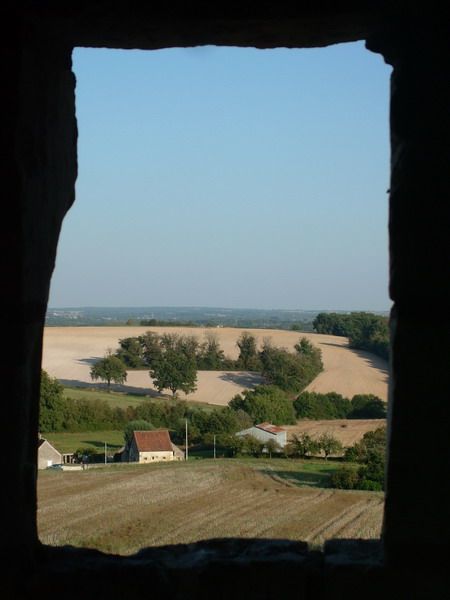
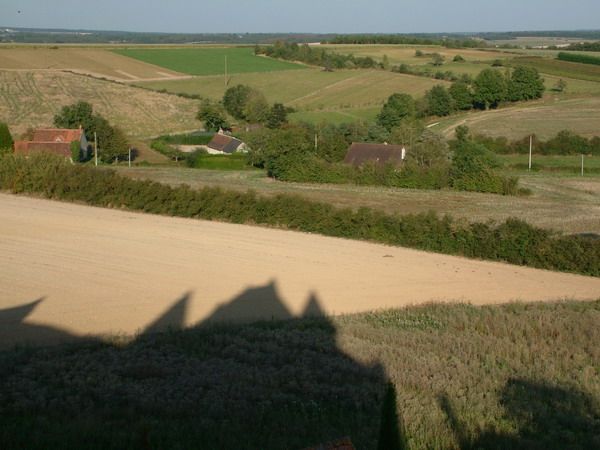
(Fig. 1) View from the tower window. (Fig. 2) Castle shadow and bright scenery on the tower.
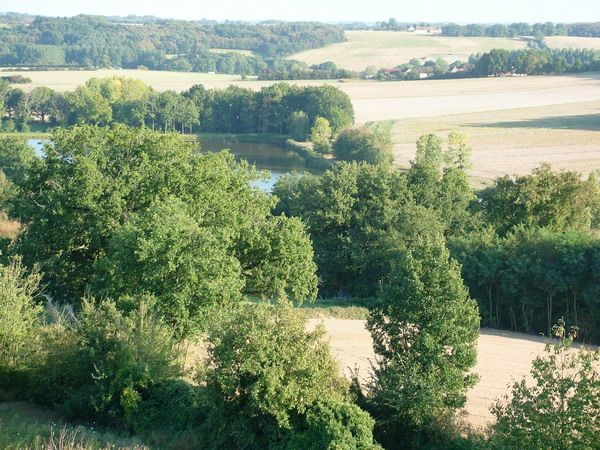
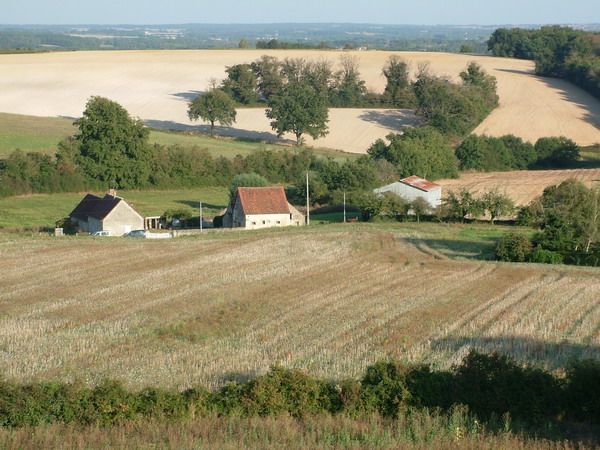
(Fig.) Beautiful scenery surrounding the castle.
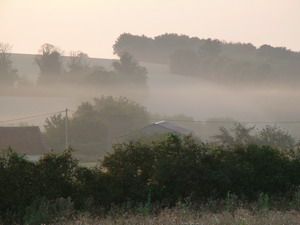
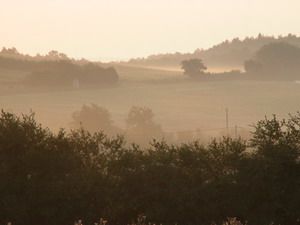
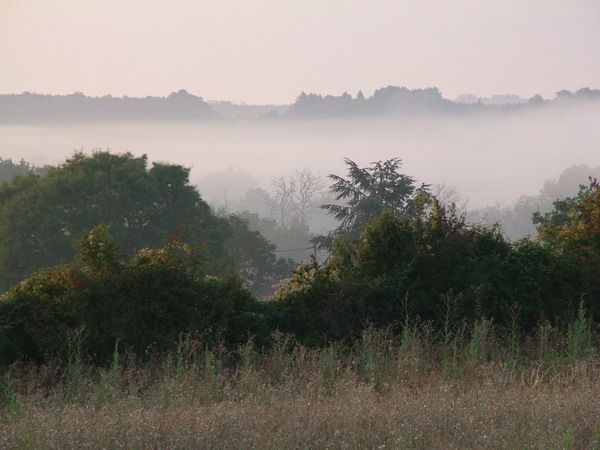
(Fig.) Poetic scene of the castle in morning mist.
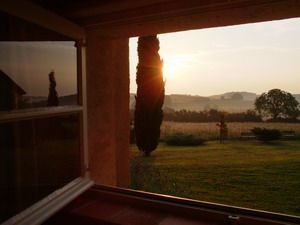
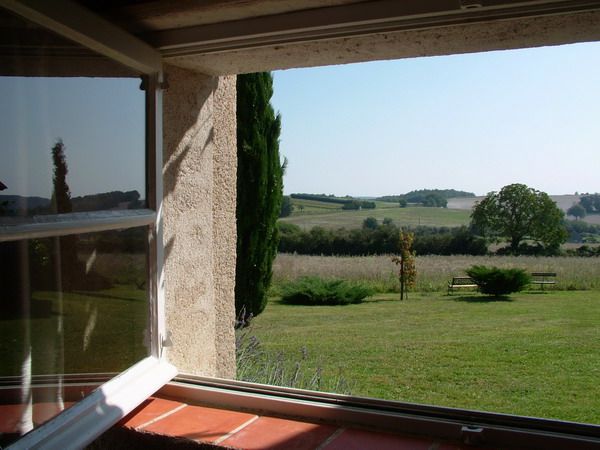
(Fig.) Morning light appearing through the rectangular kitchen window and scenery under the sunlight.
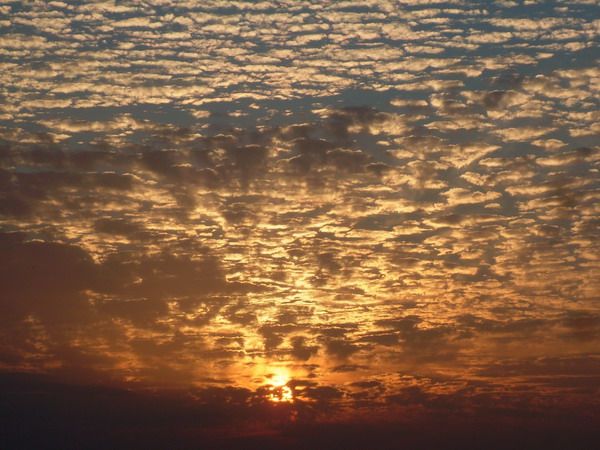
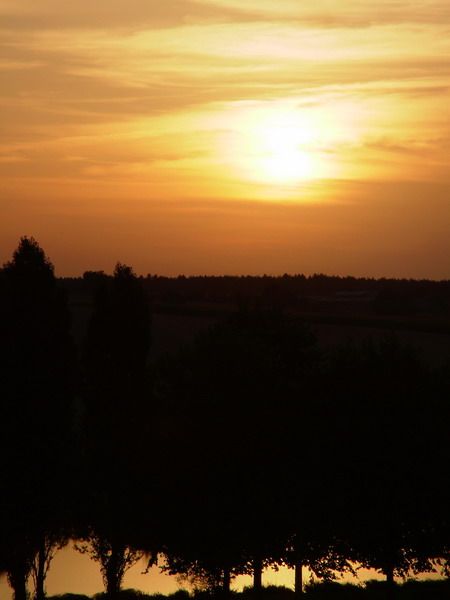
(Fig.) The castle overlooking the sunset with clouds filling the sky.
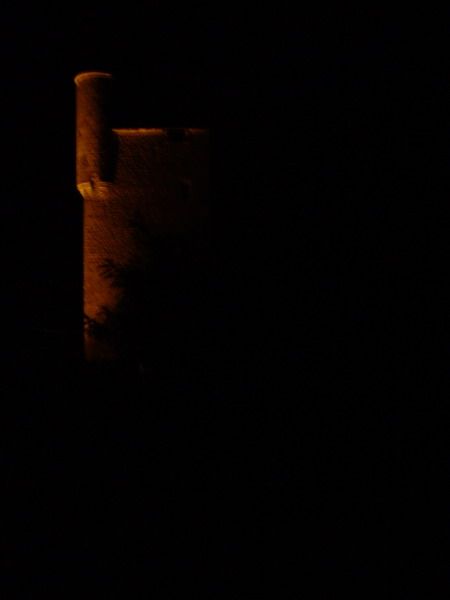
(Fig.) The castle in the deep night. Touraine has numerous French royal castles, noble estates, and landed gentry castles; the most famous are royal castles such as Château de Blois, Château d'Amboise, the magnificent Château de Chambord, Château d'Azay-le-Rideau, the opulent Château de Chenonceau, Château de Chaumont, and Château de Villandry, etc., all becoming today's Loire Valley castle tourist destinations, attracting thousands of visitors from around the world to witness the glorious achievements of French civilization, captivated by these grand architectural structures, legendary anecdotes, gardens, or antiques. Apart from Paris, the major metropolis, these are places where tourists flock in the greatest numbers, representing unparalleled feats and the highest testimony of civilization. Another observation is that almost all tourism resources are concentrated in these few unique castles, while secondary castles are almost forgotten by global tourism groups. Fortunately, these smaller or secondary castles have become spaces preferred by the French for quiet strolls, contemplation, and seeking historical sentiment. For example, every time I visit my younger brother-in-law J-F in the countryside, we go to tour a small castle (see article "Parisians Going to the Countryside"). When we carefully observe, these premier castles are mostly located north of Touraine; the numerous royal castles in the south lose some of their tourist charm but not their historical value in France. Although the southern royal castles cannot compare with those in the north, their unique geographical landscapes and historical sentiments are irreplaceable by other castles. For instance, the royal cities of Loches and Chinon have now become unique memories of French history. Thanks to my elder brother-in-law H's wedding, I had the privilege of staying at Bridore Castle in southern Touraine. I spent two nights and three days in this castle guesthouse. What fascinated me was not only the architectural beauty and atmosphere of this medieval defensive castle but also immersion in its diverse geographical natural scenery. Due to fate, I also love French historical artifacts, and having stayed in a castle and celebrated a new marriage in this extraordinary space, I feel compelled to introduce this unusual medieval castle.
Bridore is located more than 40 kilometers south of the royal city of Loches, a quiet small farm lost in vast fields, producing famous Touraine red wine and goat cheese. In these endless fields, no matter which direction people come from, they can see the majestic main tower of Bridore Castle standing high at 90 meters. The castle is on the edge of the small farm, offering a vantage point to view picturesque natural scenery. Bridore Castle is currently one of the most complete and representative medieval castles in the Touraine region, built in the early 14th to 16th centuries. It perfectly combines medieval architectural features and pre-Renaissance styles. This grand building itself evokes numerous French historical emotions and serves as an aesthetic marker of time. Bridore Castle became private property and was listed as a French historic monument in 1911.
The etymology of Bridore is "Breuil Dore," meaning a reserved hunting forest, belonging to the resources of the Dore family during the Middle Ages. In 1336, the lord of Pressigny donated this territory of Bridore to the French general Jean I Le Meingre, known as Boucicaut, who established the castle here. It was subsequently continued and constructed by his son Jean II during the Hundred Years' War between England and France (such as the current red-tiled brick Billeterie building and the magnificent tower before the entrance). Boucicaut II (Jean II) was a wise figure, becoming a famous knight at 17 and a French general at 25. He was captured by the English army during the Battle of Agincourt in 1415 and died in an English prison six years later. In 1475, the castle was purchased by Ymbert de Bastarnay, a lord and attendant of King Louis XI, who extended the castle by adding the left wing (the current red-tiled building of the banquet hall). His grandson, Rene de Bastarnay, became the governor of Mont-St-Michel and strengthened the defensive functions of Bridore Castle, adding quite solid and clever ground defenses on all four sides in the early 15th century, turning the castle into an impregnable fortress. Bridore Castle was roughly completed. In 1641, Charles de Boursault, Marquis of Viantais, acquired the castle, and his daughter established a convent here. Until the French Social Revolution, the convent disappeared, and the castle was auctioned off. The ancestors of the current owners purchased it, and it has been operated by their descendants to this day.
Postscript: Bridore Castle is the best space for holding large festivals. The magnificent medieval castle offers an elegant environment and poetic natural scenery. One can watch the scenery among clouds and mist in the morning; the colorful and quiet courtyard is an excellent place for leisure; the natural scenery for walking and recreation, and the lake with water reflections and illusions are spaces for contemplation. Listening to the music of nature and the voice of the earth, the beautiful scene of the sunset with clouds filling the sky is even more charming. Under the deep night sky, there are still poetic companions of stars full of sky. These aesthetics and poetry can only be truly experienced by personally staying here to understand these mysteries. Currently, the castle is exclusively rented for hosting joyous celebrations such as wedding banquets or large balls, and there are several guest rooms available for accommodation by the organizers. Bridore Castle website: www.chateau-bridore.com.