Châteaux of the Loire
(Fig-1) The most feminine, poetic, and exquisite Chenonceau Castle. (Fig-2) Villandry Castle, famous for its world-renowned gardens. (Fig-3) Ussé Castle, known for the Sleeping Beauty story. (Fig-4) Chambord Castle, the jewel among castles. The Loire is France's largest and longest river, originatin
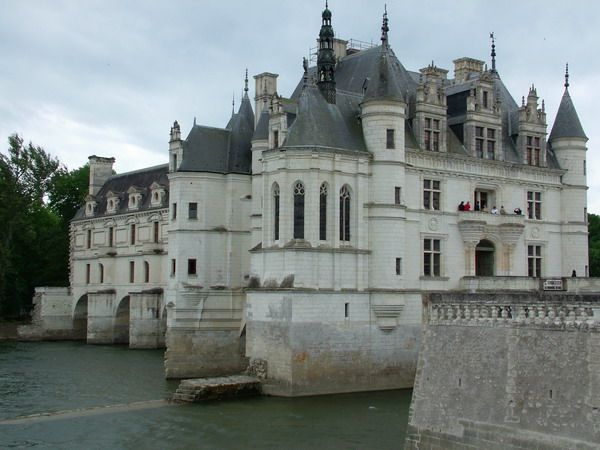
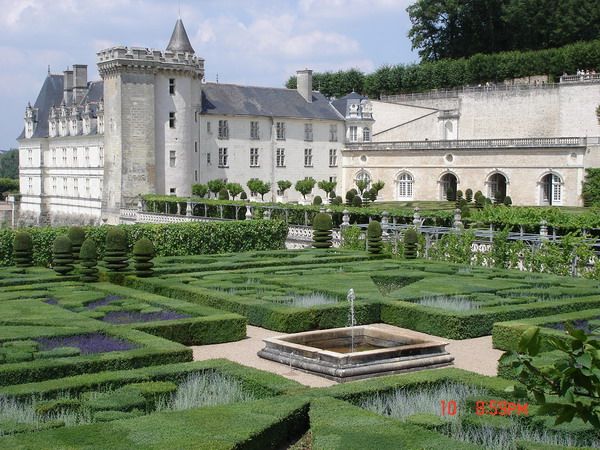
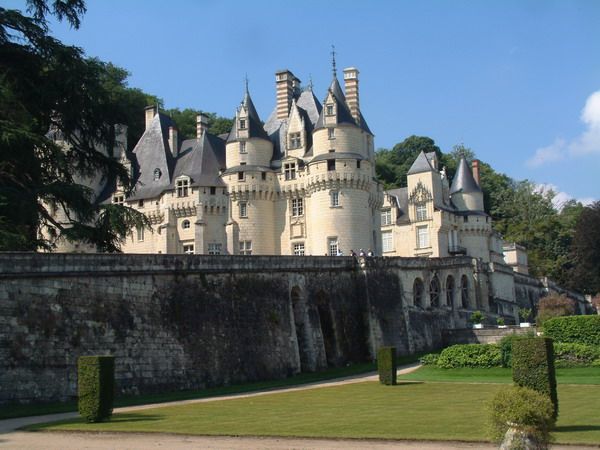
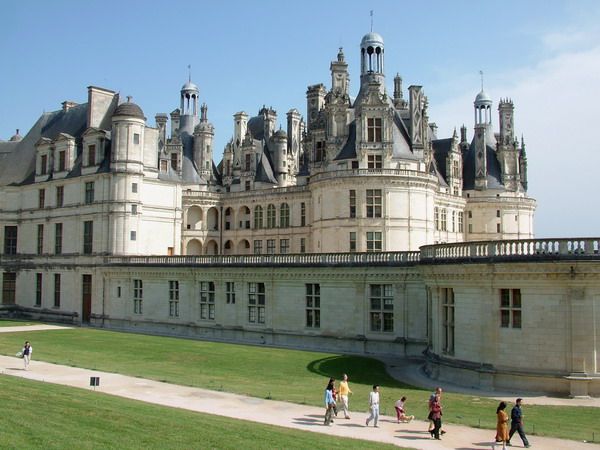
(Fig-1) The most feminine, poetic, and exquisite Chenonceau Castle. (Fig-2) Villandry Castle, famous for its world-renowned gardens. (Fig-3) Ussé Castle, known for the Sleeping Beauty story. (Fig-4) Chambord Castle, the jewel among castles. The Loire is France's largest and longest river, originating in Saint-Étienne in the Massif Central. It stretches north and south across several provinces, passing through Orléans, Blois, Amboise, Tours, Chinon, Angers, to the dual outlets at Nantes and Saint-Nazaire, spanning over a thousand kilometers. It was historically the most important main transport channel connecting north and south. Centered on Tours, which once served as the capital under King Louis XI, one can imagine its metropolitan flair.
The noble castles of the Loire series are centered on Tours, renowned for its rose gardens. They are situated along the winding, poetic banks of the Loire and Cher rivers, featuring clear mountains and beautiful waters. These were once luxurious residences for French political powers and royalty, and holy grounds for the light of French intellectual thought; they are the former homes of humanist Rabelais, empiricist Descartes ("I think, therefore I am"), and great French writer Balzac, among others. For those who enjoy wine, Tours is also a famous production area for fine French wines.
Tours is today's entry point for visiting Loire castles, with all castles located not far from this metropolis famed for its rose gardens. The banks of the Loire are lined with brilliant, prestigious, and glorious architectural and artistic monuments of France. The Loire has become one of the most refined and brilliant cradles of French civilization, and arguably the cradle of politics and humanities of the Valois dynasty. The group of Loire castles was born during the reigns of Valois monarchs (nine kings from Charles VII to Henry III) and the royal family and courtiers, becoming the historical, political, and cultural stage of the Valois dynasty. They nurtured France's most brilliant Renaissance, laying the foundation for Francis I's exquisite and refined civilization. Today, pilgrimage to the Loire castles helps deepen the understanding of France's current overall refined culture.
There are nearly fifty public and private castles of various sizes along the Loire, roughly divided into two major types. The first are military defense fortresses that also served as centers of power, such as the Château de Blois and Château d'Amboise. The second type features leisure hunting grounds and luxurious displays for monarchs, such as the magnificent Château de Chambord and Château d'Azay-le-Rideau, or the golden house for beauties, Château de Chenonceau, and Château de Chaumont. The former are located on rocky heights, possessing iron-walled military defense functions, serving as the core of French power—the royal court and luxurious residences for nobility—with complete facilities and equipment. The latter display political systems, great achievements, revelry, and grand occasions, providing spaces for truly noble living. They are mostly surrounded by dense forests, green fields, scenic hills, or rivers with shimmering reflections, serving as hunting grounds for kings and royalty, and luxurious retreats for queens and favored concubines to cultivate their minds and bodies. One type involves transitional scene spaces like the spectacular Chambord, where the interior is empty; the other features complete daily life facilities and equipment, such as the enchanting Chenonceau.
The exquisite and perfect castles of the Loire were born during the Valois dynasty, from 1328 to 1589. The first king to settle along the Loire was Charles VII. Of course, when Francis I returned triumphantly from conquering Madrid in 1527, he decided to move the capital to Paris. After Francis I died in 1547, Henry II inherited his predecessor's grand legacy. The royal castles along the Loire gradually declined until the era of Queen Catherine de' Medici, ending this beautiful period of the Loire. Among the nearly fifty castles along the Loire, five royal castles are most favored: Francis I's Château de Chambord is the most extensive and spectacular, the castle of all castles, and a treasure of French Renaissance architecture. Château de Chenonceau, full of poetry, is the most feminine, poetic, and exquisite. Château de Blois and Château d'Amboise, filled with historical sentiment, most completely present the location of French royal power and grudges. Château d'Azay-le-Rideau, with its pastoral melody, is the most picturesque.
Today, what attracts pilgrims is Chambord (to witness the brilliance of French Renaissance architecture) and Chenonceau (to experience the poetic heart of women). Those who love French history must visit Blois and Amboise. Friends who adore gardens can visit Château de Villandry to view the rigorous and orderly French geometric gardens. Tasting the most excellent essence of French civilization and historical sentiment will leave an unforgettable impression.