Cobra Art Movement
Karel Appel (1921-2006) Children Who Ask Questions 1948 Collection of the Musée National d'Art Moderne, Centre Pompidou, Paris
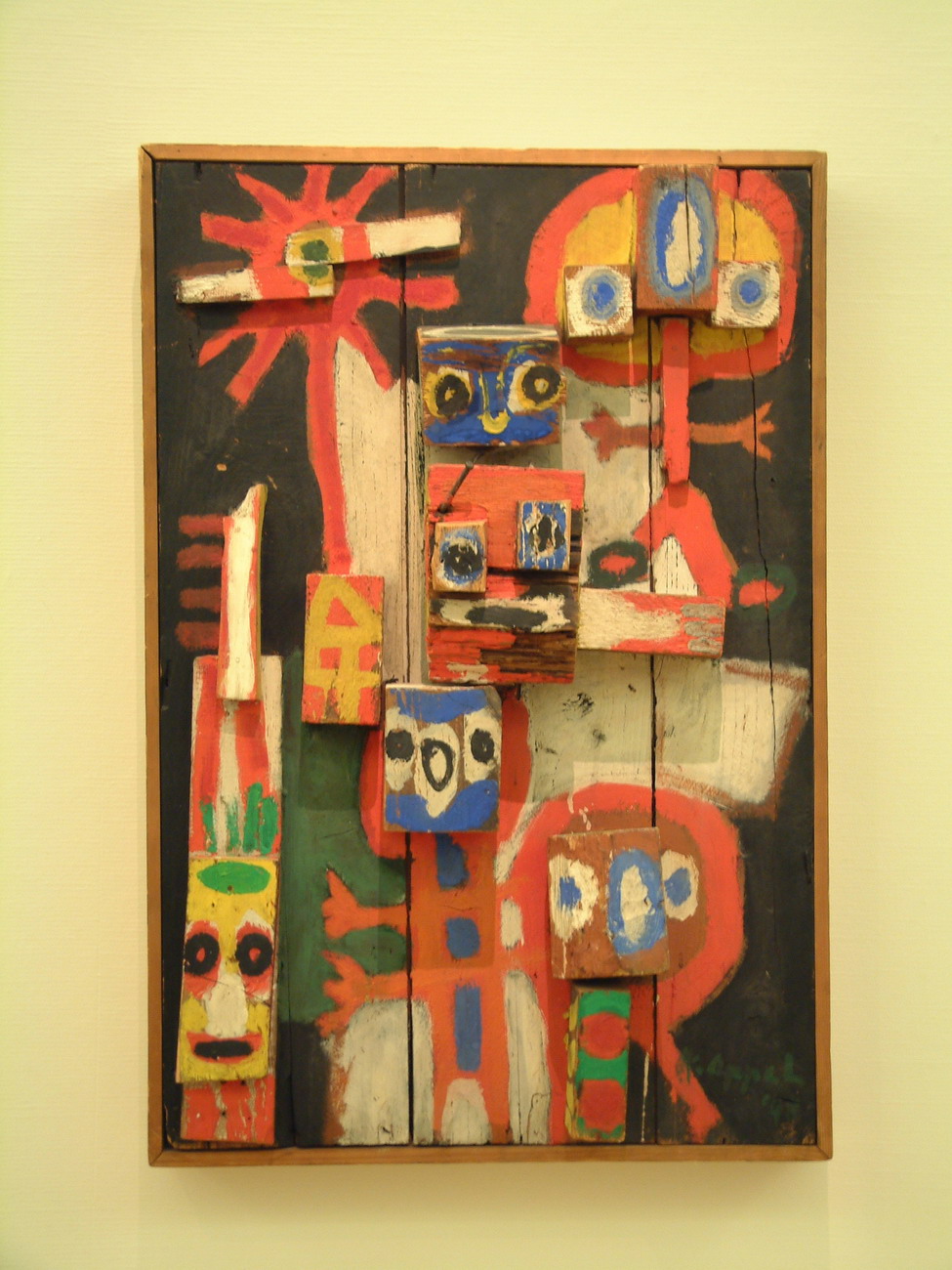
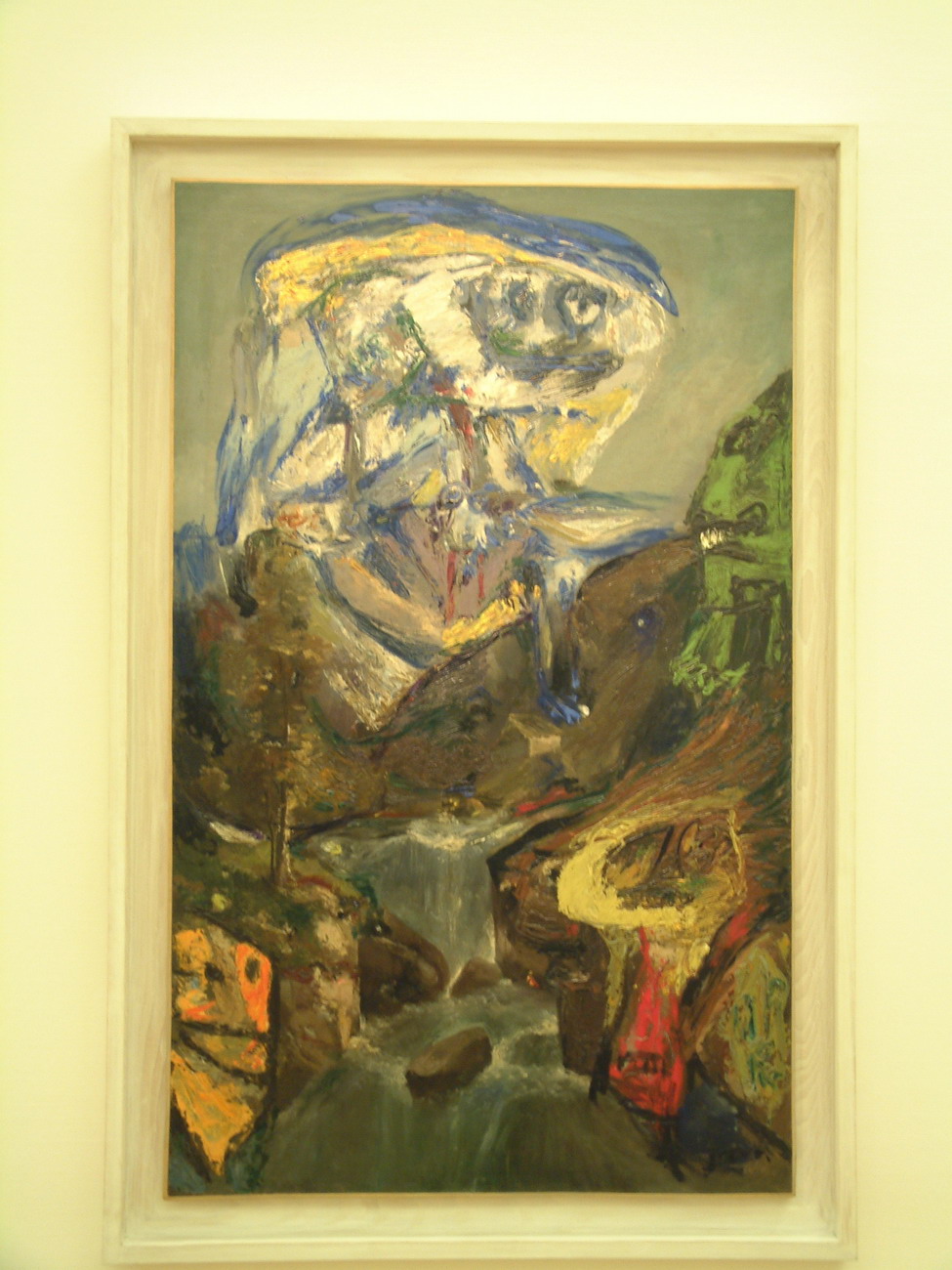
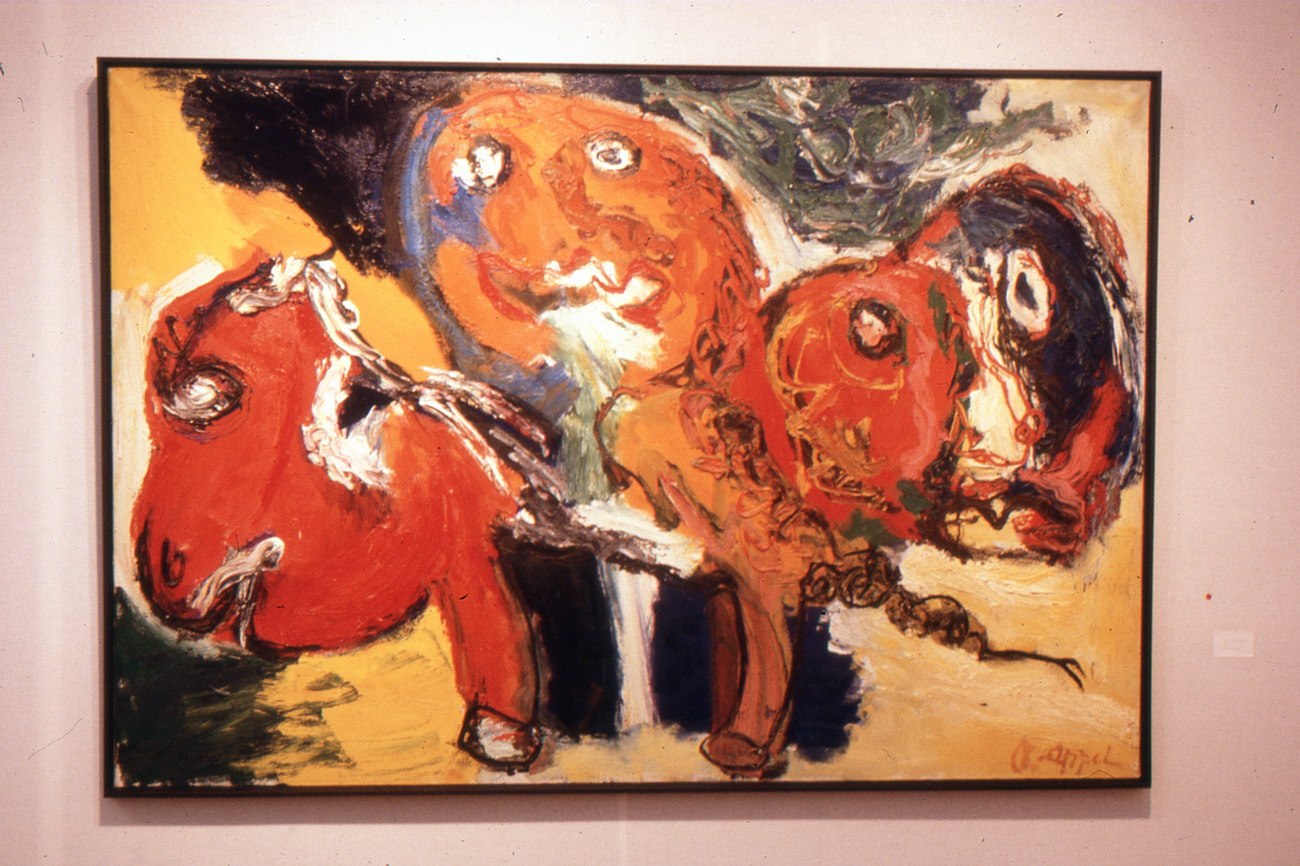
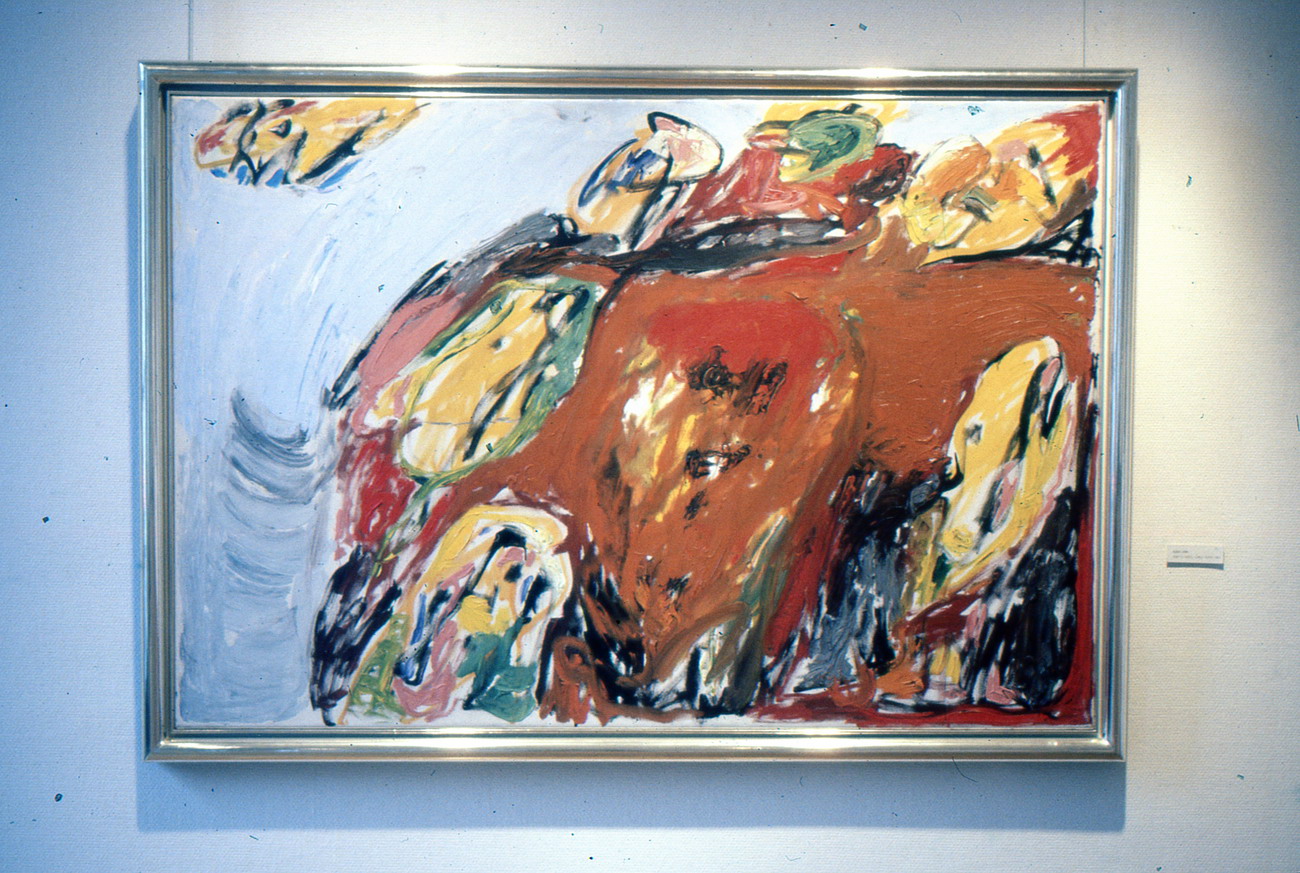
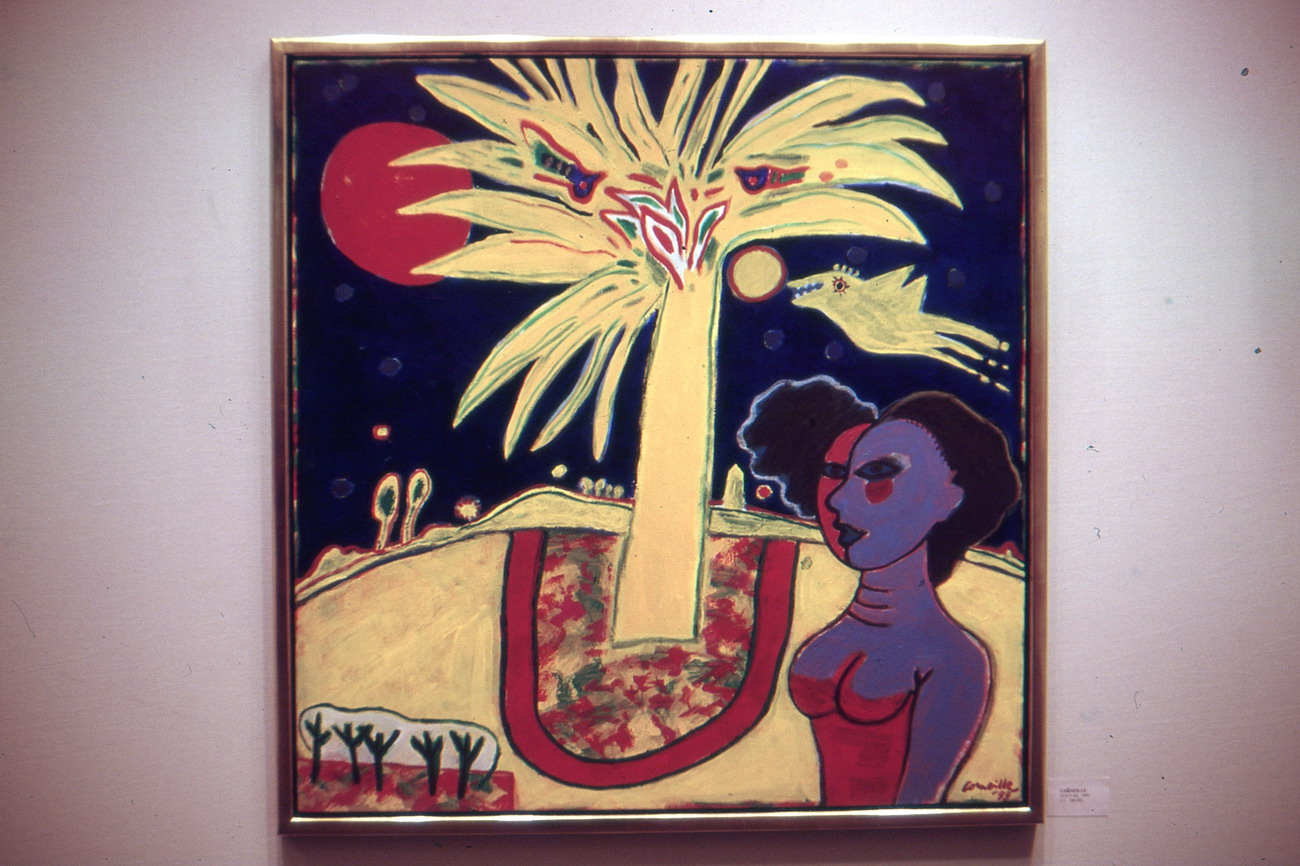
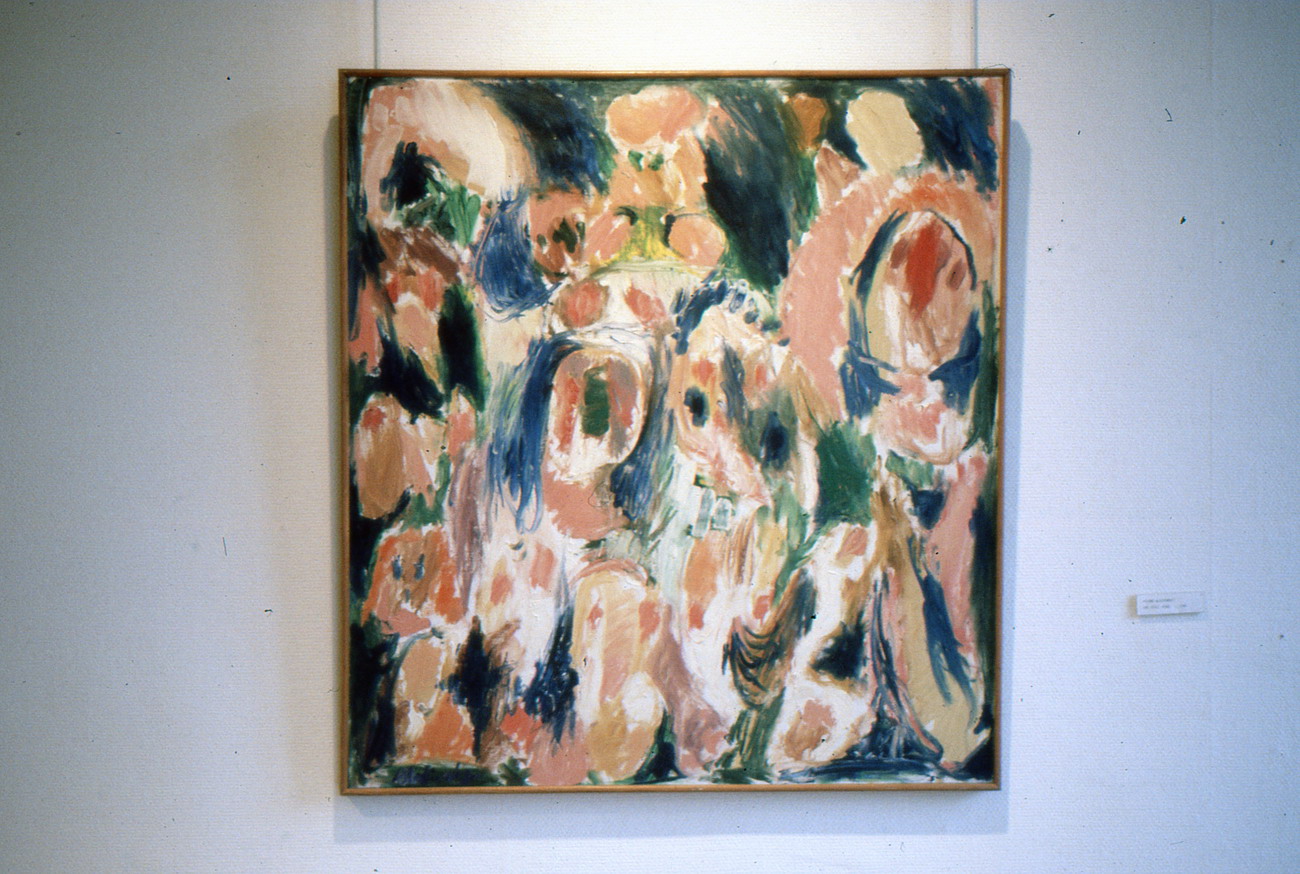
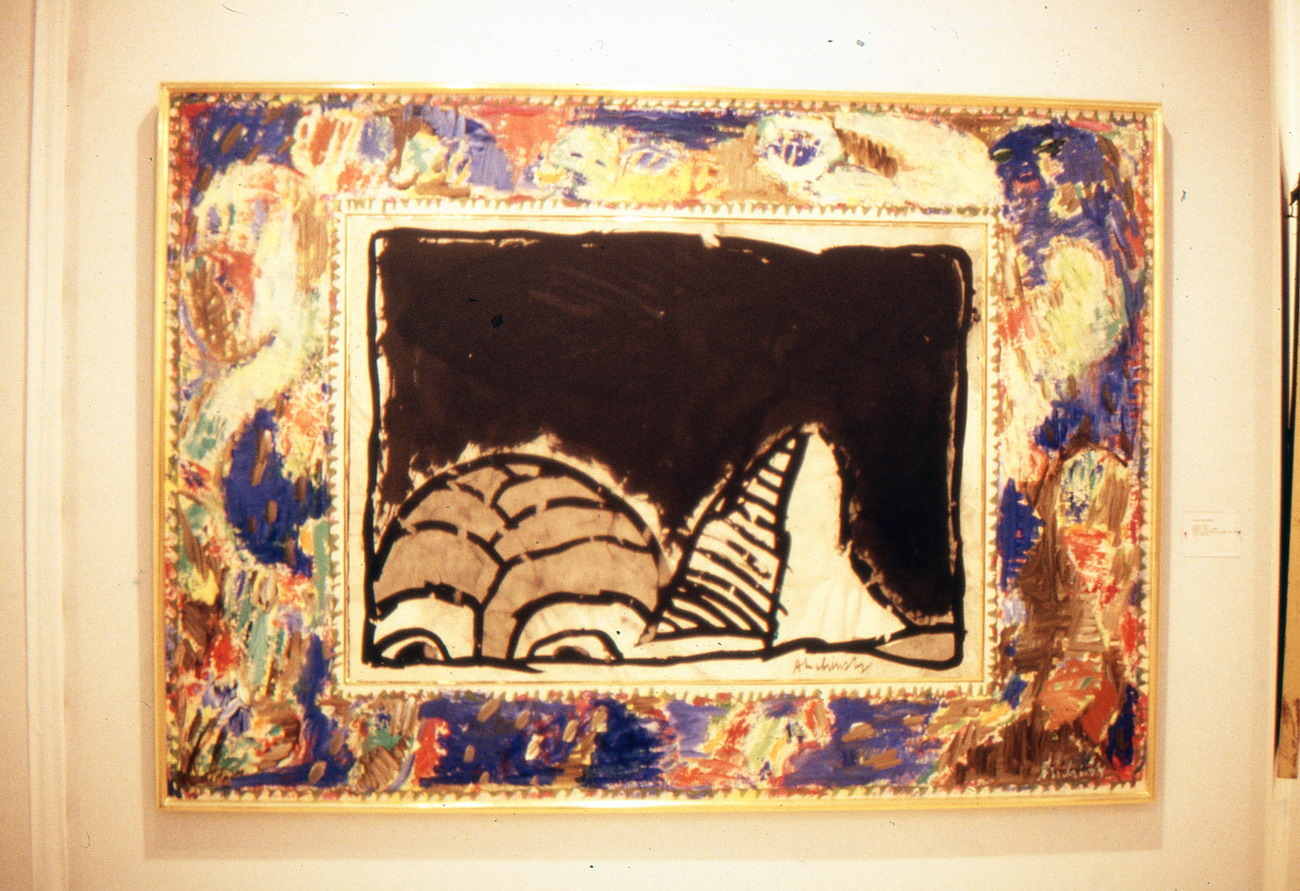
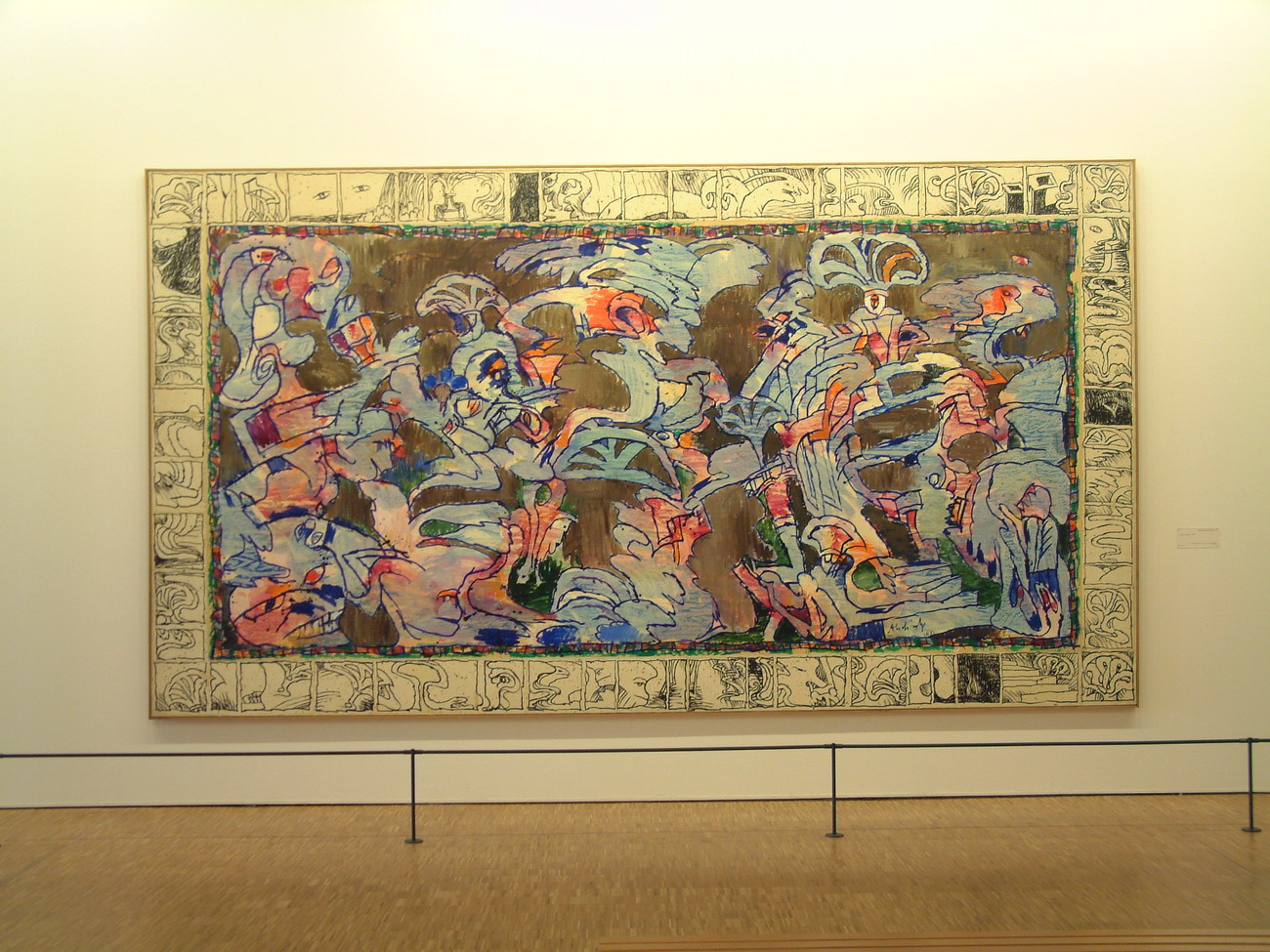
The Cobra Art Movement (Ecole de Cobra) had its main members: Asger Jorn (1914-1973), Karel Appel (1921-2006), Corneille (1922), Constant (1920), Pierre Alechinsky (1927), and others. The Cobra Art Movement was established on November 8, 1948, convened by Belgian surrealist revolutionary writers Christian Dotremont and Joseph Noiret. The name Cobra was coined by Christian Dotremont. This name came from combining letters representing the European cities where the participating artists originated: for example, CO from Copenhagen, B from Brussels, and A from Amsterdam.
Cobra primarily opposed the dogmatism of geometric abstraction and social realism. Like Abstract Expressionism, the painters in Cobra were interested in directly expressing the wonders of the subconscious without appealing to rational scrutiny, nor rejecting imagery, existing between figurative and abstract art. They were closer to Fautrier and Wols, or to the Nordic artistic tradition like de Kooning's (such as Munch and Van Gogh's expressionism), using strong expressive colors and dynamic forms to present their work directly, while incorporating folk art and graffiti. They created a modern style, standing in a pagan posture in the post-war abstract art world. Unfortunately, the group only lasted about three years before disbanding, from November 8, 1948, to February 1951.