The Elephant Rock
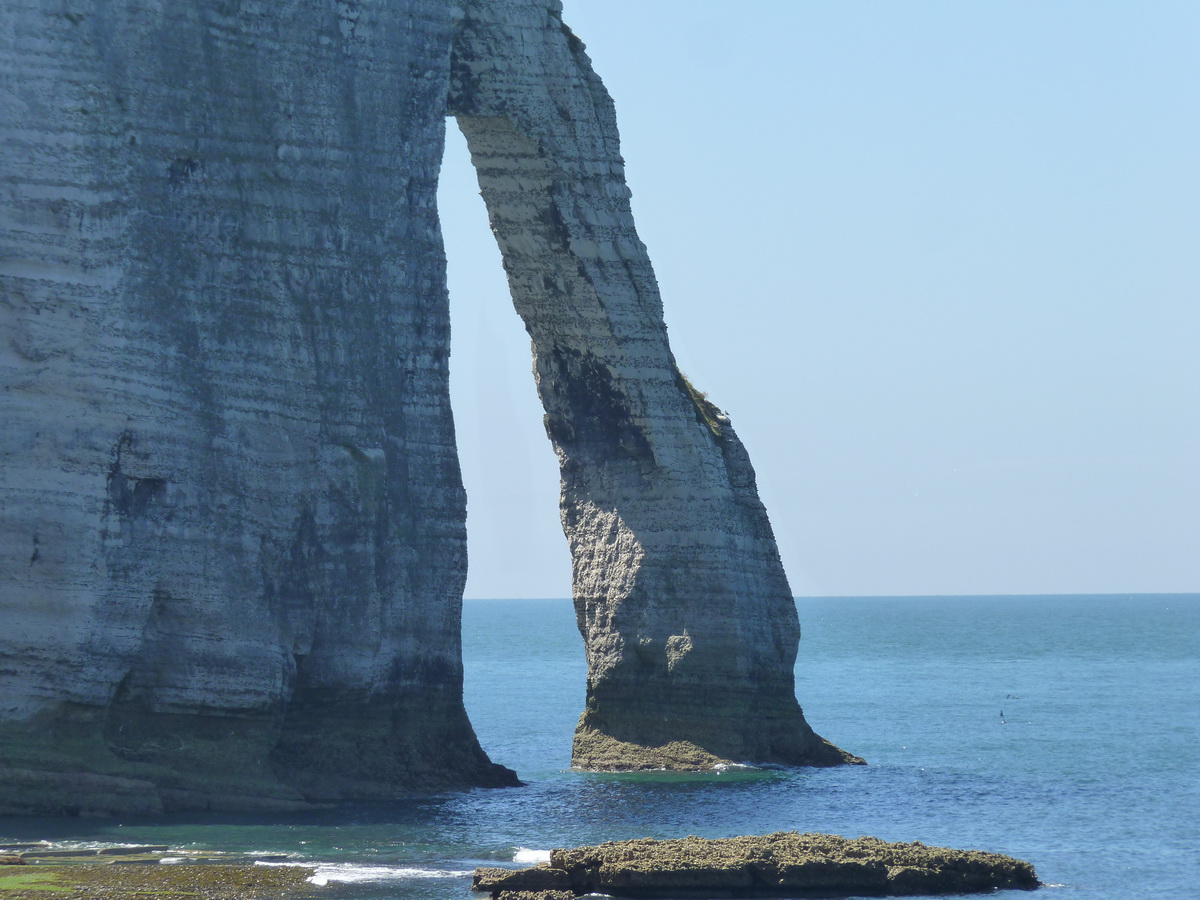
Lifelike—the most wonderful and magical Elephant Gate (Porte d'Aval)
Text and photos by Chen Chi-Hsiang. Mentioning Normandy brings to mind the D-Day landings of World War II. Located in northwestern France, separated from Britain by the English Channel, this region rich in history and humanities spans a coastline of 600 kilometers. It features Le Havre, France’s international port and "world gateway," along with its charming bays and natural sites; Giverny, the holy land of Impressionism (Monet’s Garden); Étretat, home to the mesmerizing Elephant Rock; and Mont Saint-Michel, a world-class pilgrimage site.
Elephant Rock is one of the most beautiful seaside towns in Normandy, famous for its awe-inspiring sea cliffs. When French writer Guy de Maupassant first visited, he was moved by the towering cliffs and named it "Elephant Rock." Charles Baudelaire mentioned it in Les Fleurs du mal: "A great tree falling toward the cliff, trying to take root in the sea." Realist painter Courbet also painted its scenery, while Monet, a Norman himself, left behind a series of landscape paintings capturing its shifting light and shadows (Note 1).
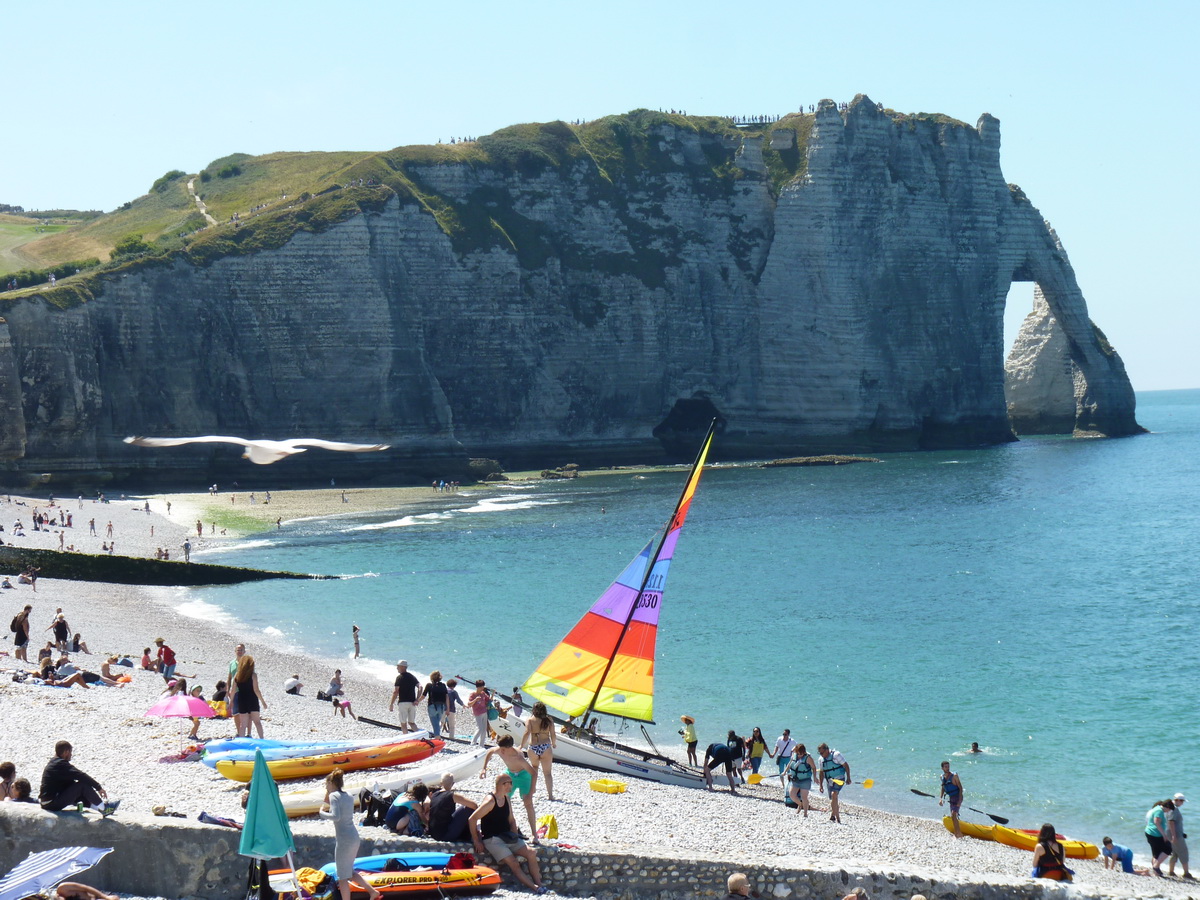
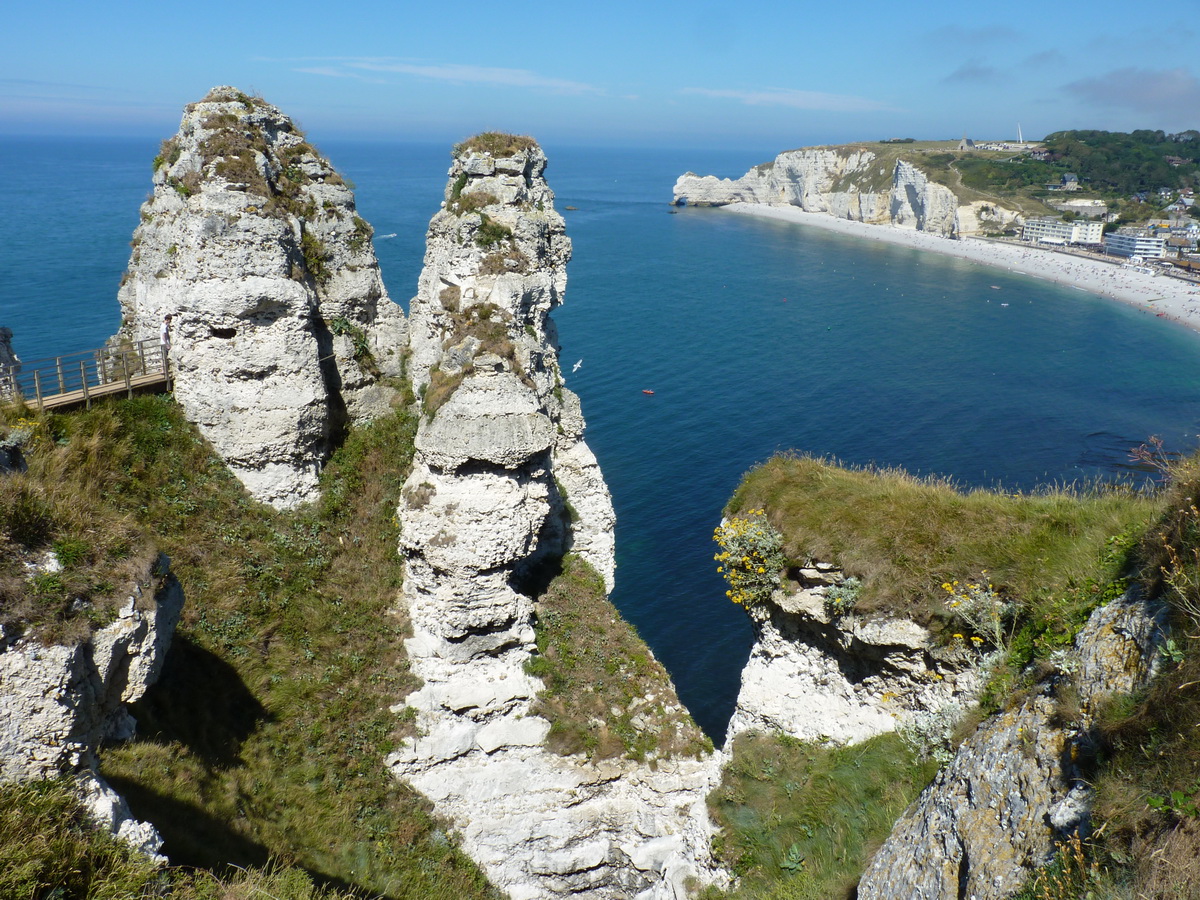
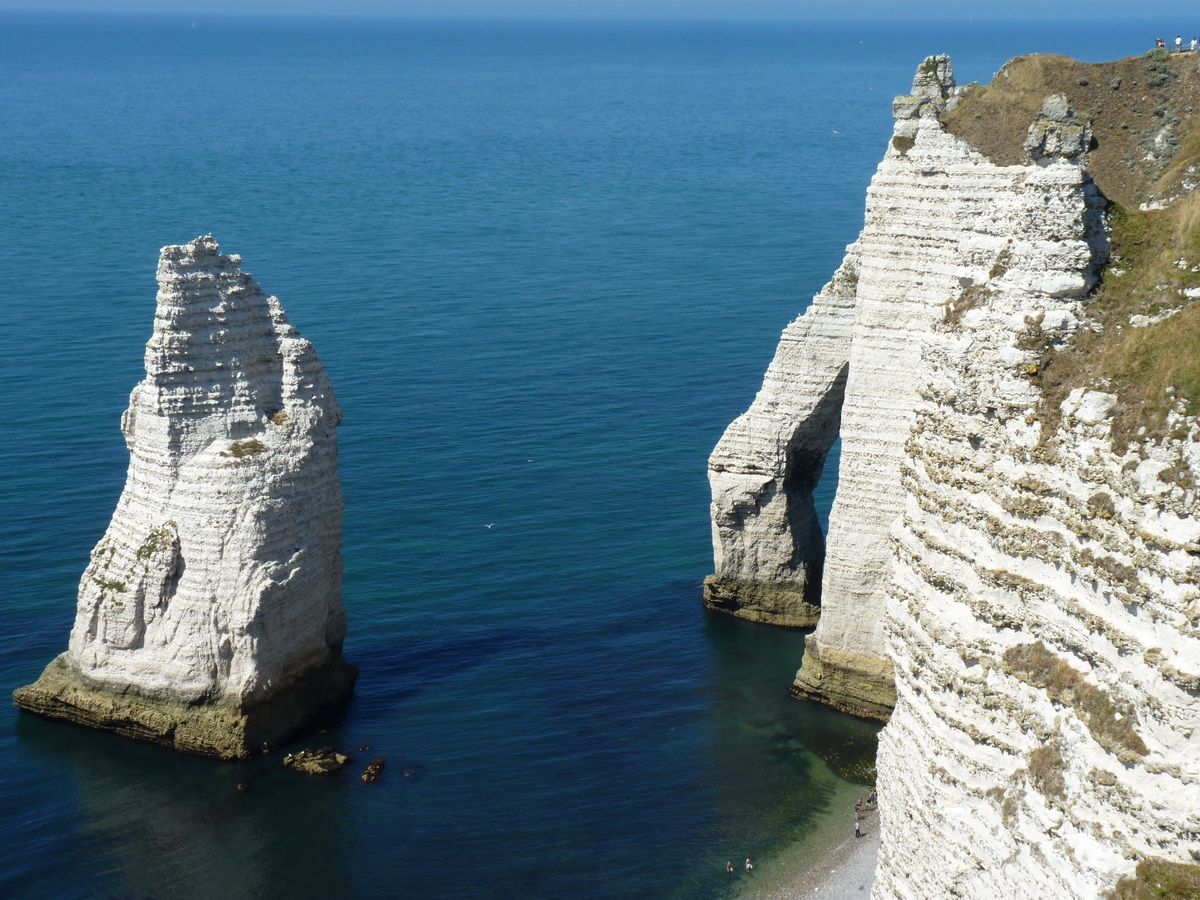
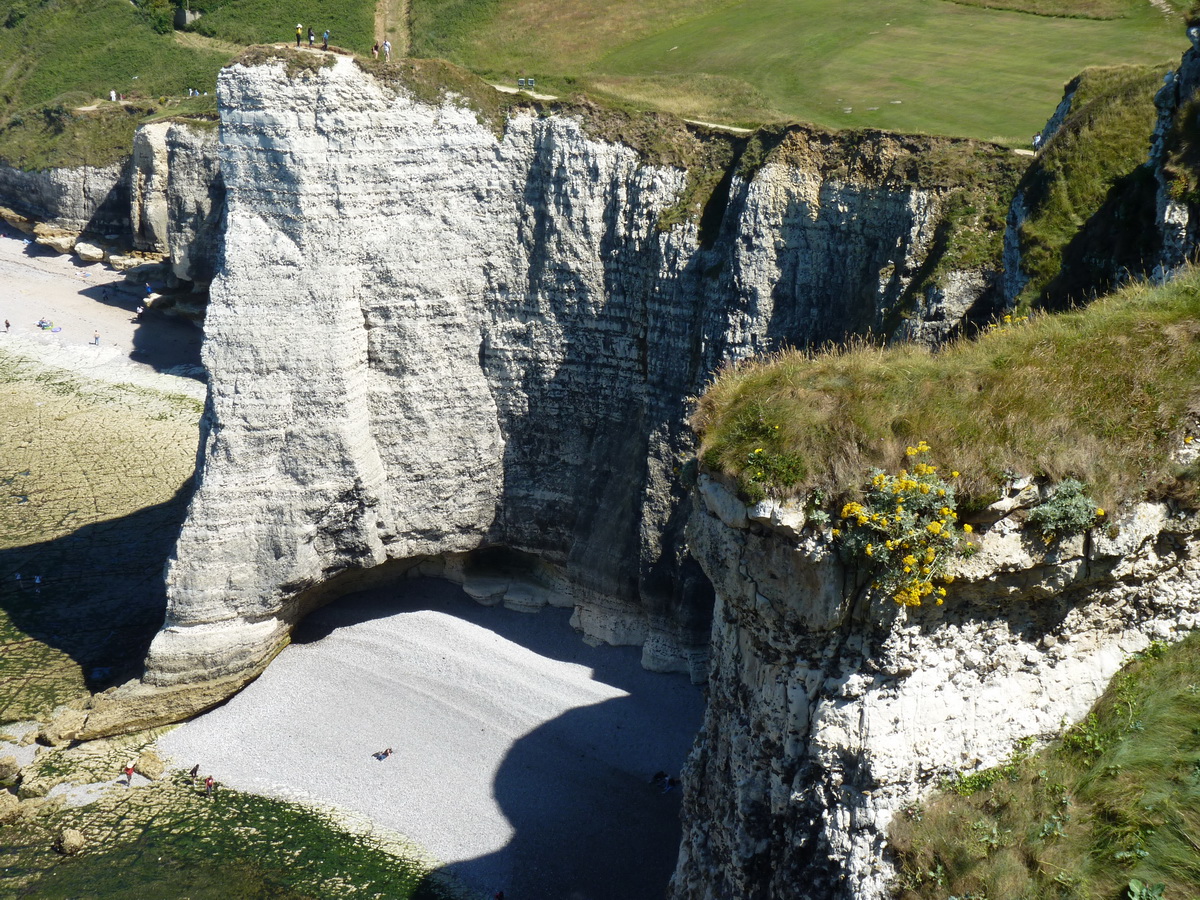
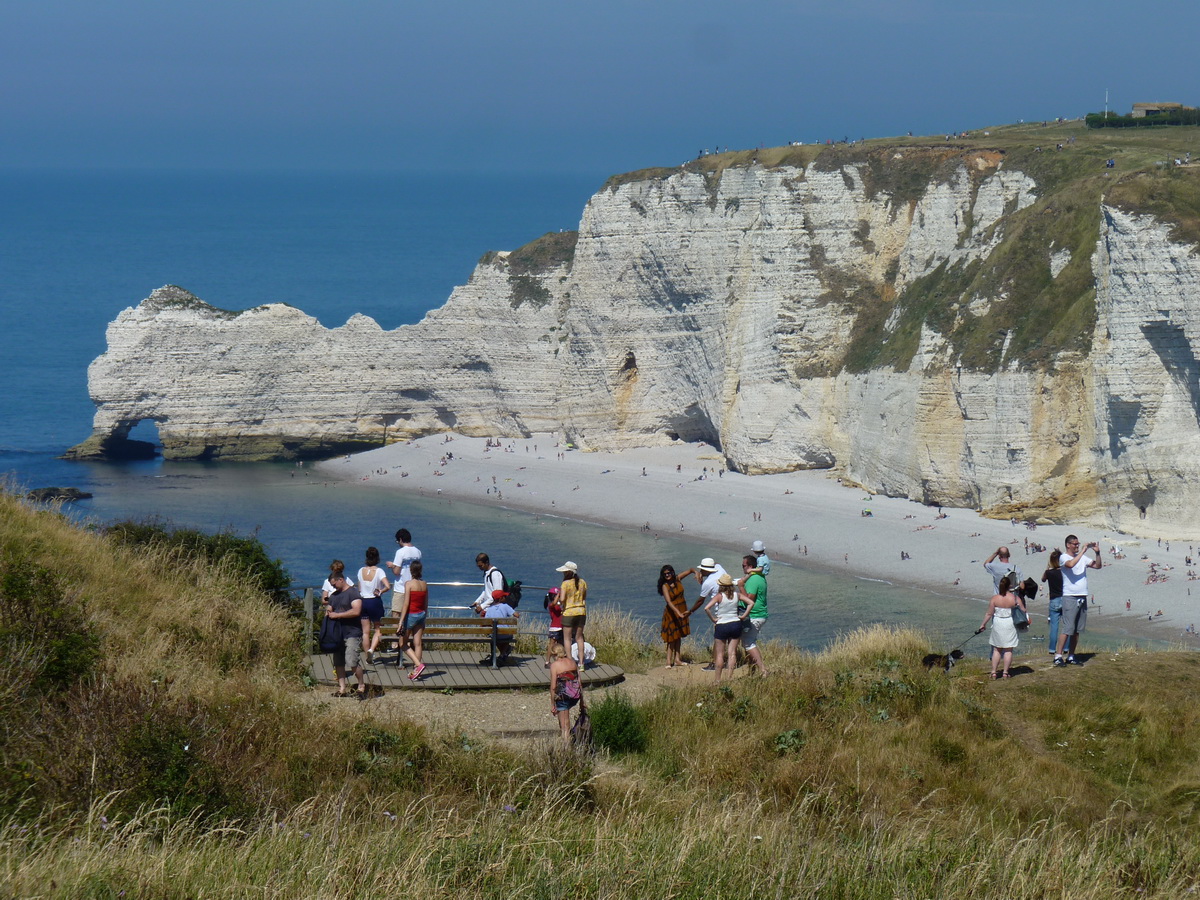
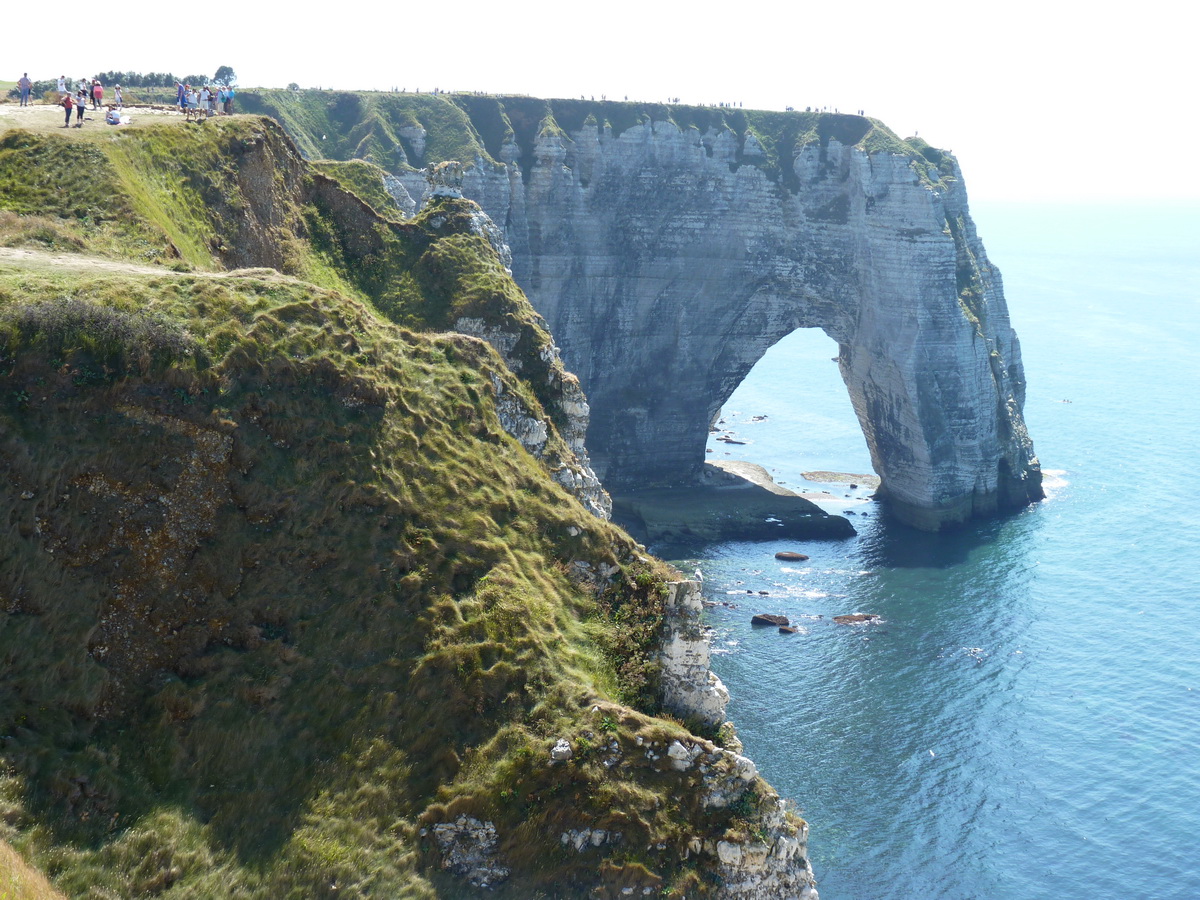
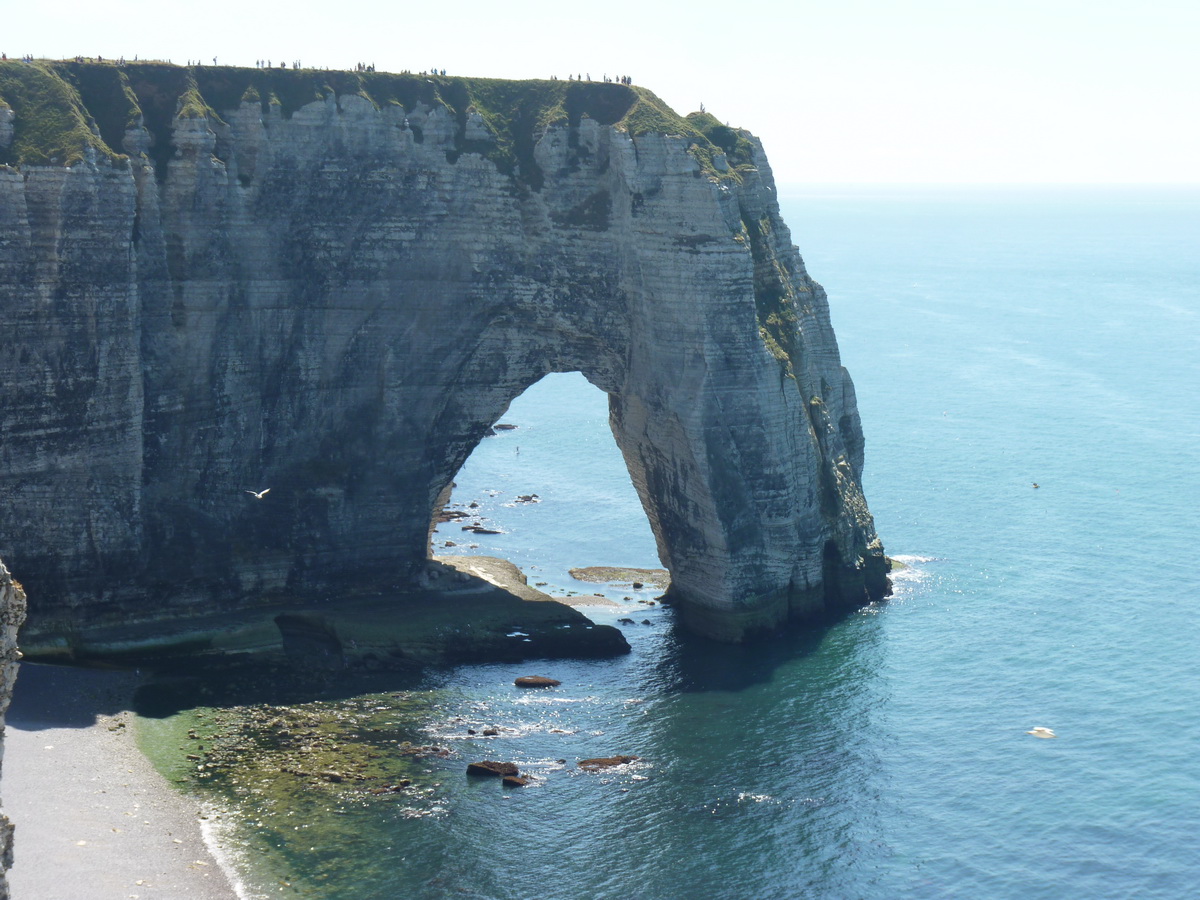
Each season at Elephant Rock offers unique charm, attracting thousands of pilgrims from around the globe—not to swim, but to witness its unique natural wonders. The coastline consists of chalk marl, eroded over time by tides and weathering into magnificent cliffs. These include three sea arches evoking elephants: Porte d'Aval, Porte d'Amont, and Manneporte. Porte d'Aval, resembling a lifelike elephant trunk, is the most magical; Porte d'Amont, like a clumsy elephant (reminiscent of the snake swallowing the elephant in The Little Prince), is the most poetic; and Manneporte, with its massive trunk, is the most majestic.
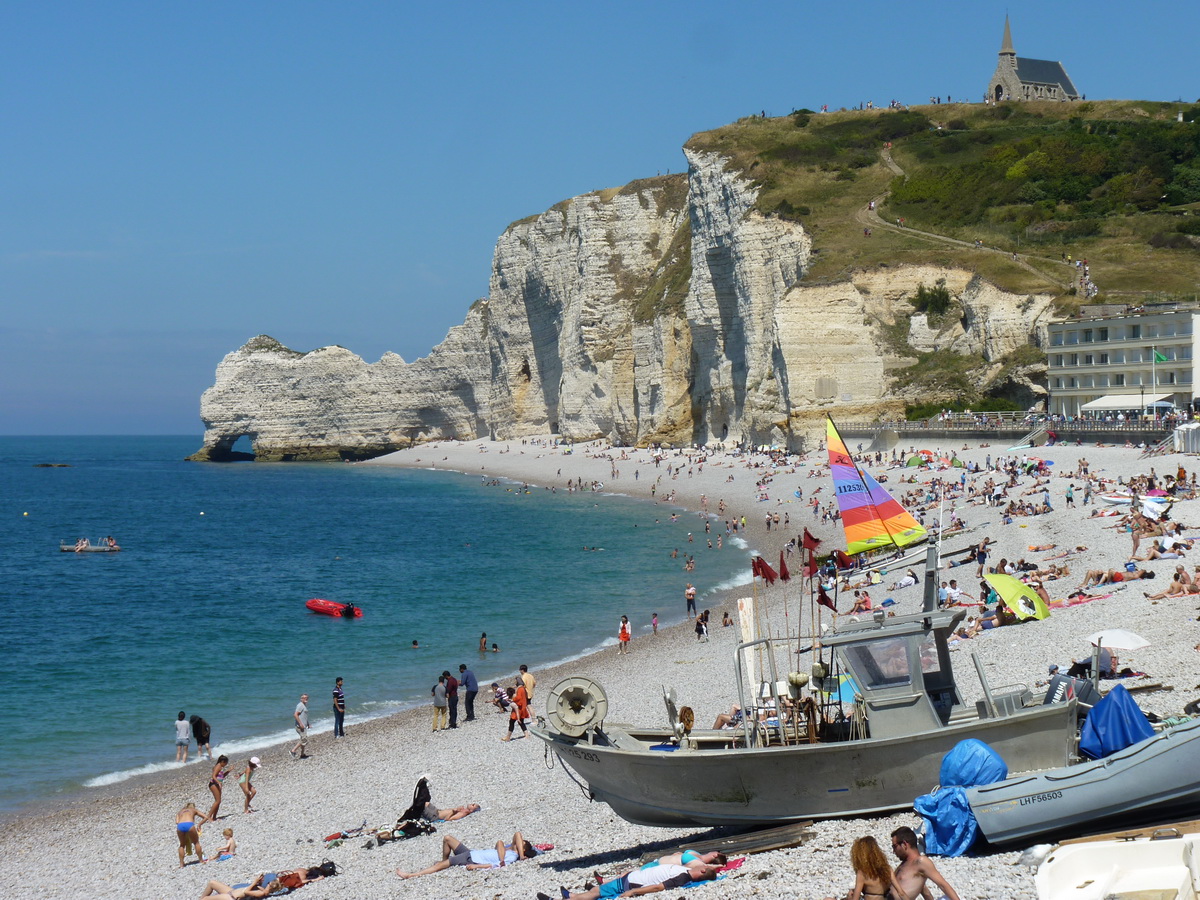
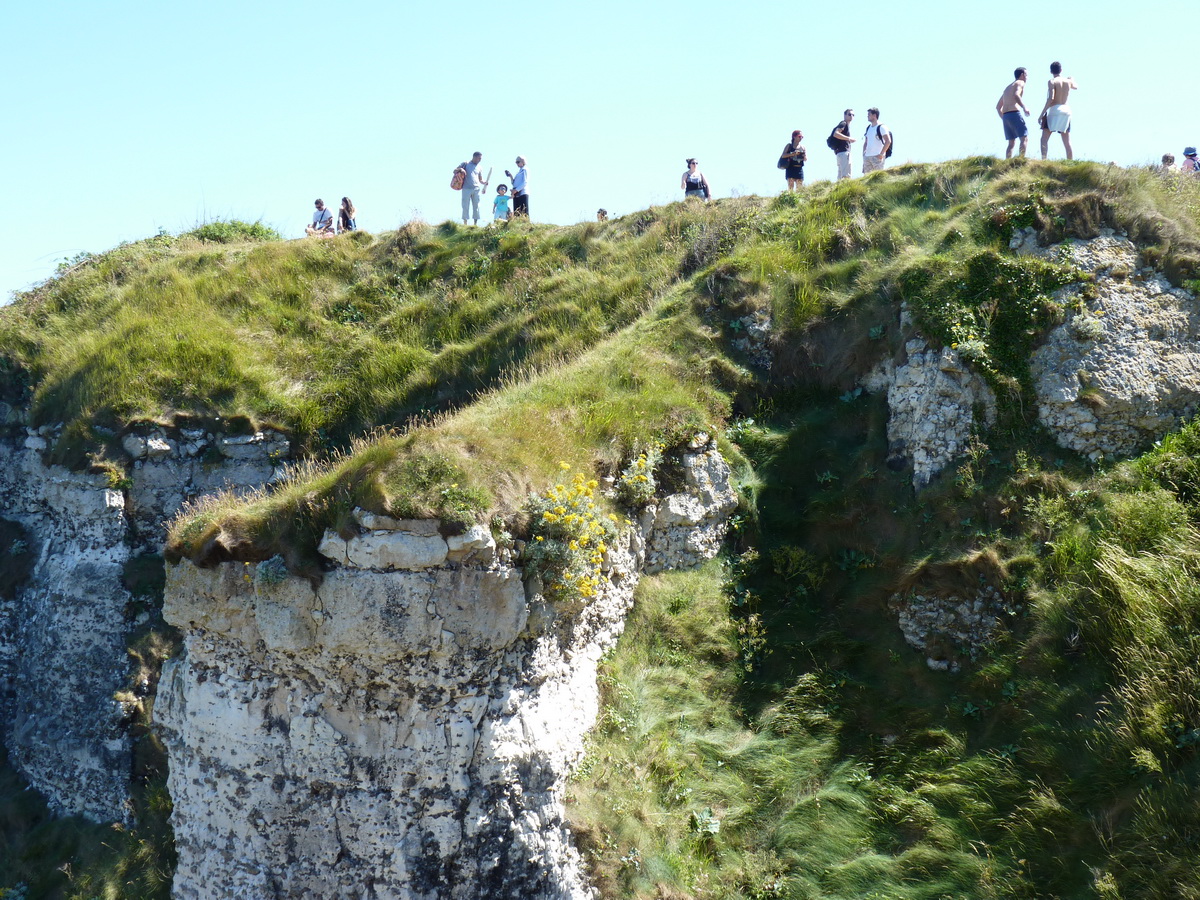
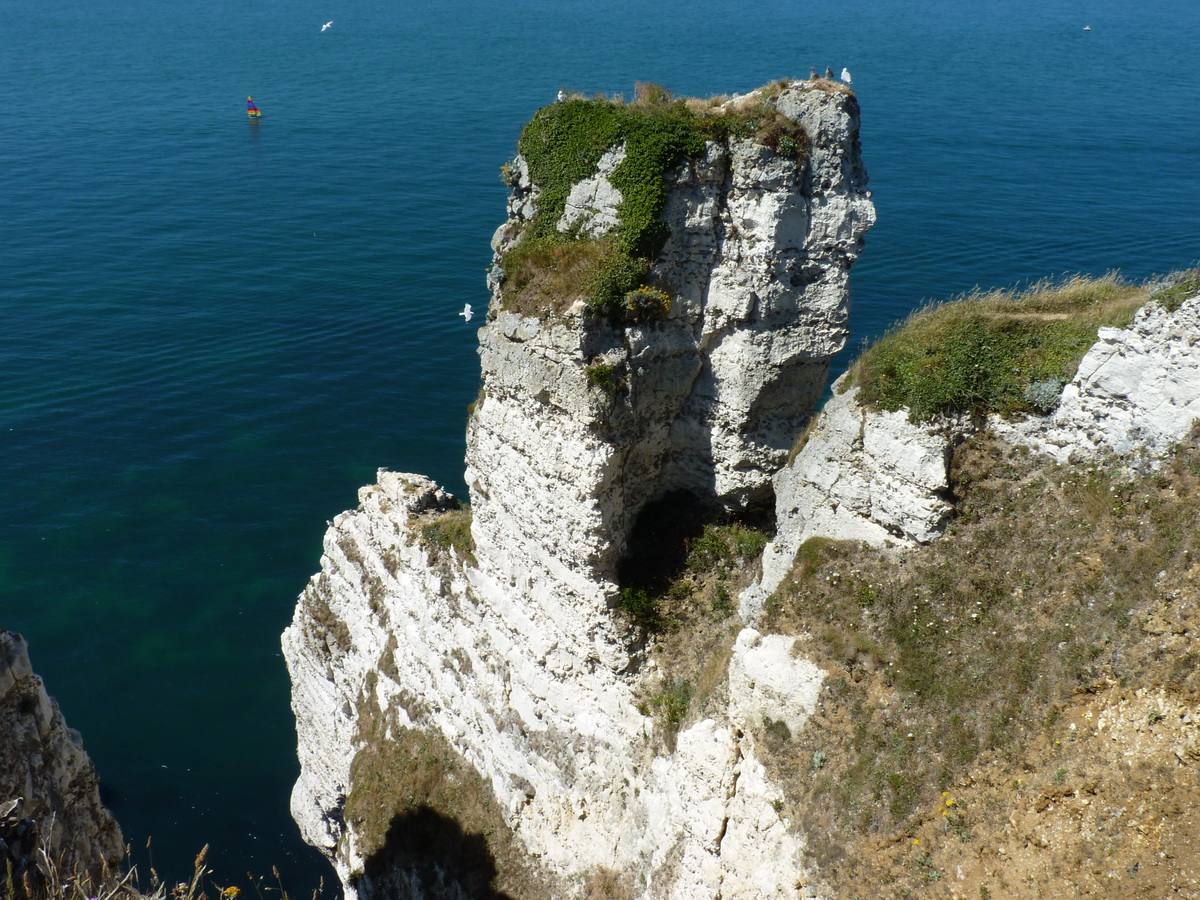
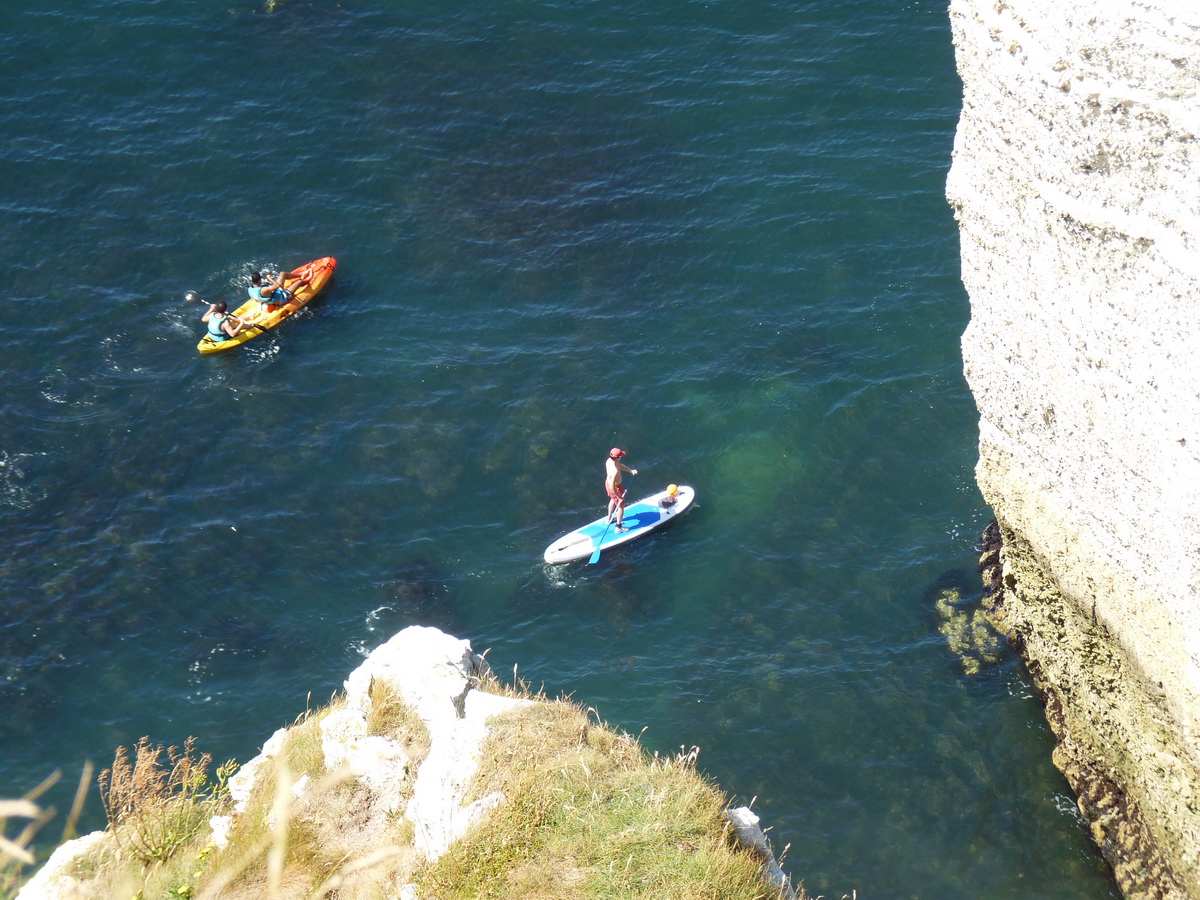
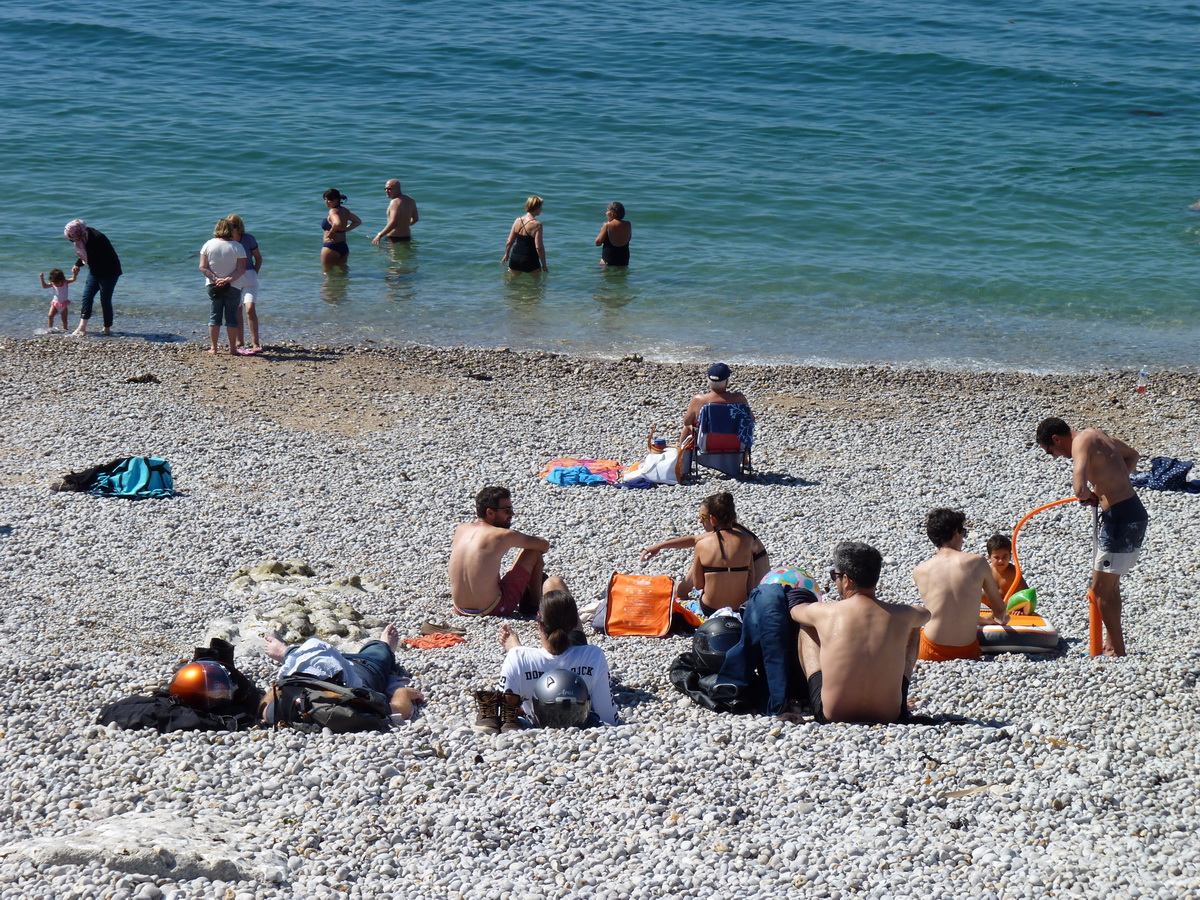
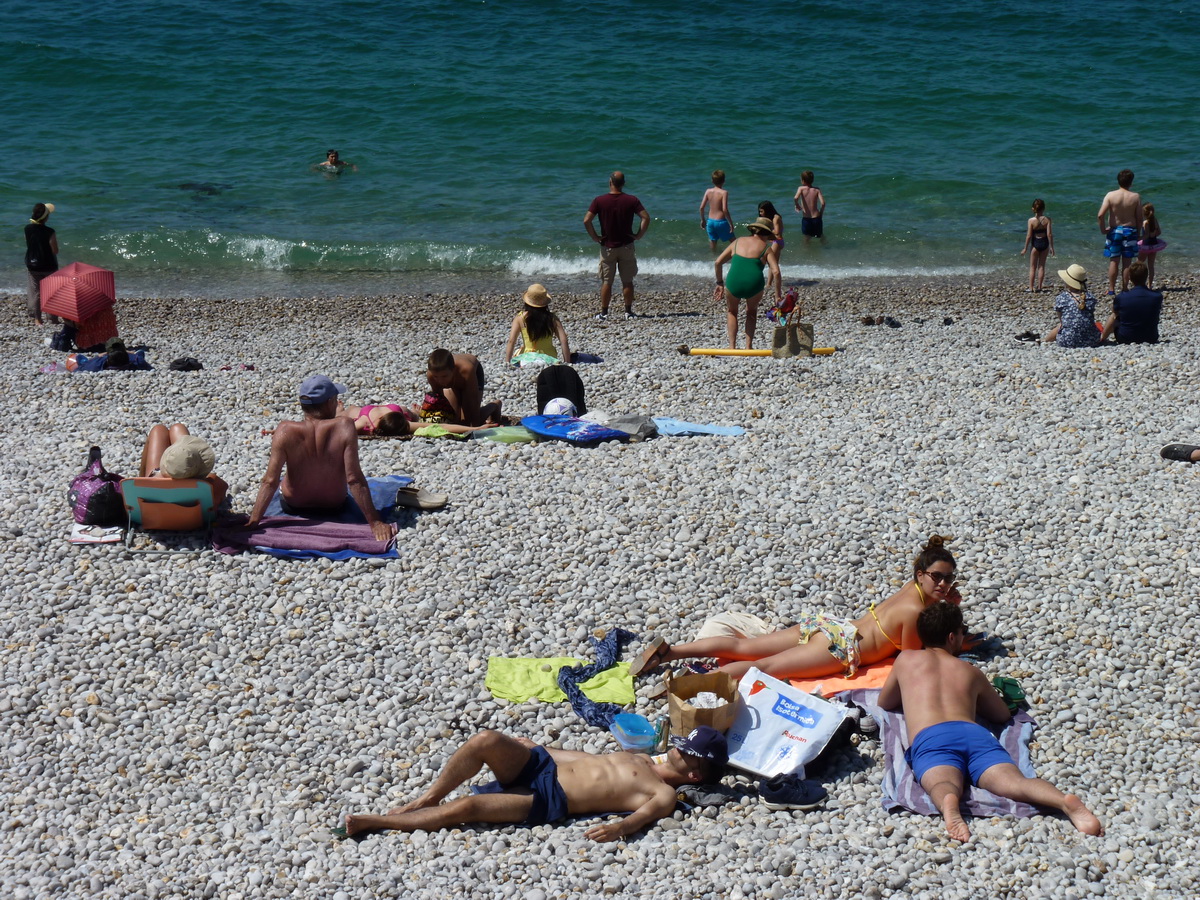
The beach is small, framed between the trunk of Porte d'Aval and the clumsy elephant of Porte d'Amont. Instead of fine sand, it is covered in pebbles, where people relax, swim, sunbathe, and enjoy the view. From here, one can see the full panorama of Elephant Rock. Drawn by curiosity, visitors explore two routes: left toward the trunk (Porte d'Aval), right toward the clumsy elephant (Porte d'Amont). Most climb the slope toward Porte d'Aval, passing green pastures and winding paths. As they ascend, the bay views are endless. Looking right toward Porte d'Amont resembles a masterpiece painting of a spired church on a cliff. Below lies the pleasant beach. Continuing to the peak, one stands atop the rock, viewing it from another perspective. A small island rises nearby, where seagulls seem to converse. Swimmers and kayakers dot the water below, under an endless blue sky.
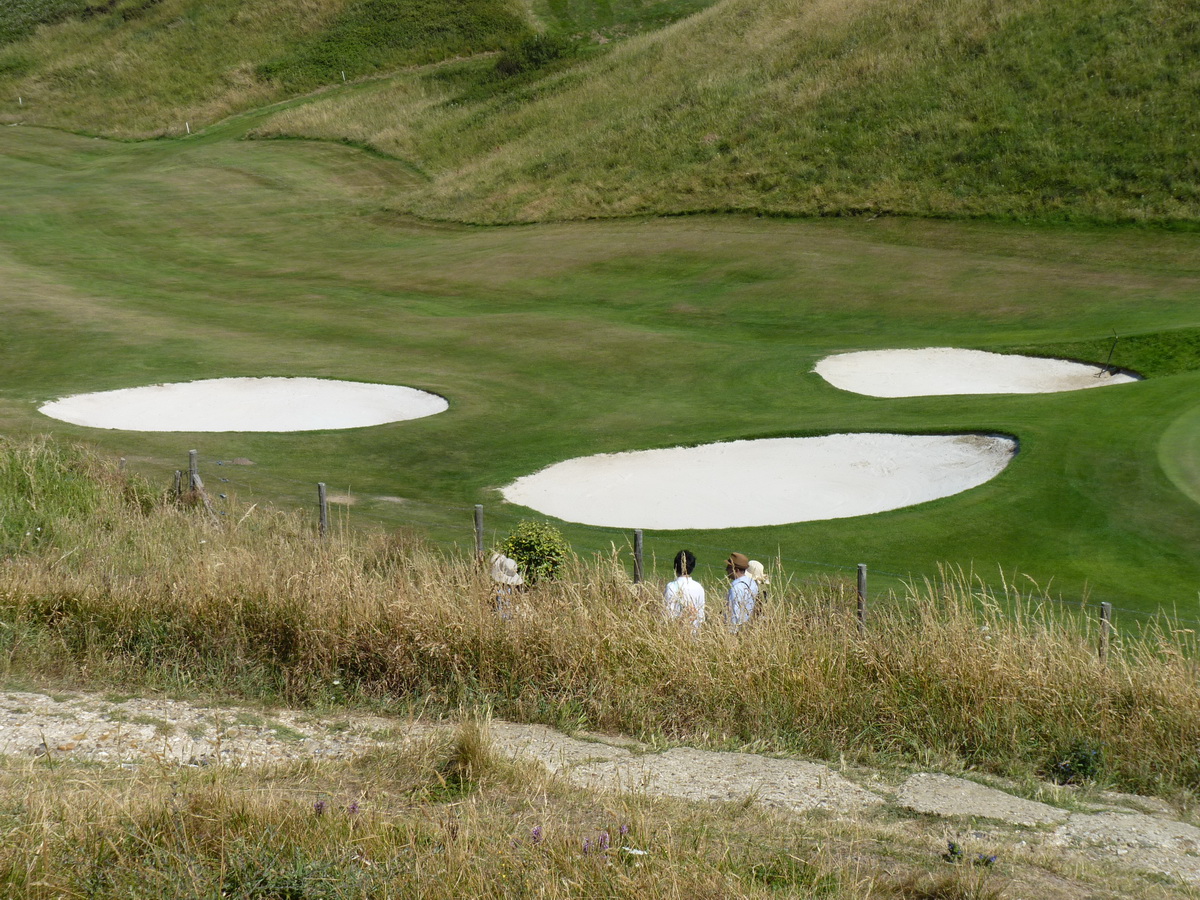
Wandering along the path through the green pastures for nearly three hours, the terrain winds up and down. One reaches a beautiful lawn bordered by cliffs on one side and undulating ground on the other. Several circular sandy patches appear—perhaps alien designs? Indeed, people are playing golf. Turning a corner, Manneporte appears. This grand, thick archway draws the eye; compared to figures on the peak, it reveals its height (about 100 feet). People even play in the water under its arch. Every step offers a different view. If one didn’t walk further, Manneporte would remain undiscovered. As the saying goes, "Seeing is believing." Without personal experience, aesthetic appreciation is impossible. Nature’s beauty feeds the human spirit.
During a sunny afternoon in summer vacation, I revisited this beautiful Normandy town to witness Elephant Rock’s magnificence. Over ten years ago, I visited once before, enduring fierce winds and rain. Though it had its own charm and was thrilling, I felt unsatisfied. Now, fortunate to return again, I am grateful for all these encounters.
Note 1: Quotes sourced from backpackers.com.tw.