American Abstract Expressionism
Arshile Gorky (1904-1948) Table-Landscape Table-paysage 1945 Centre Pompidou Modern Art Museum Collection
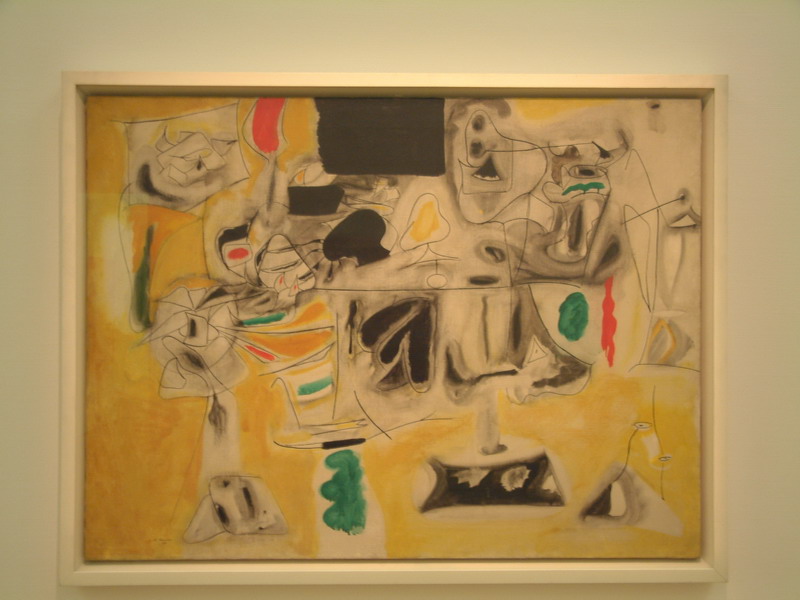
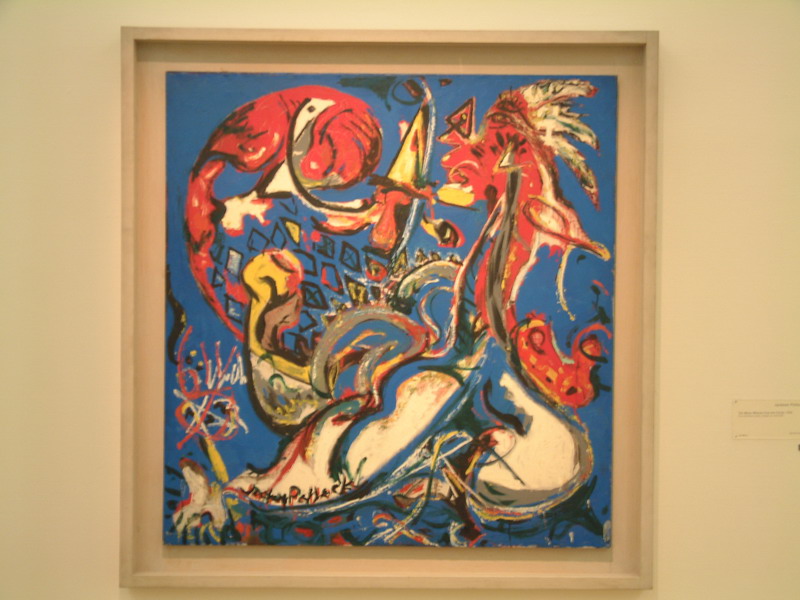
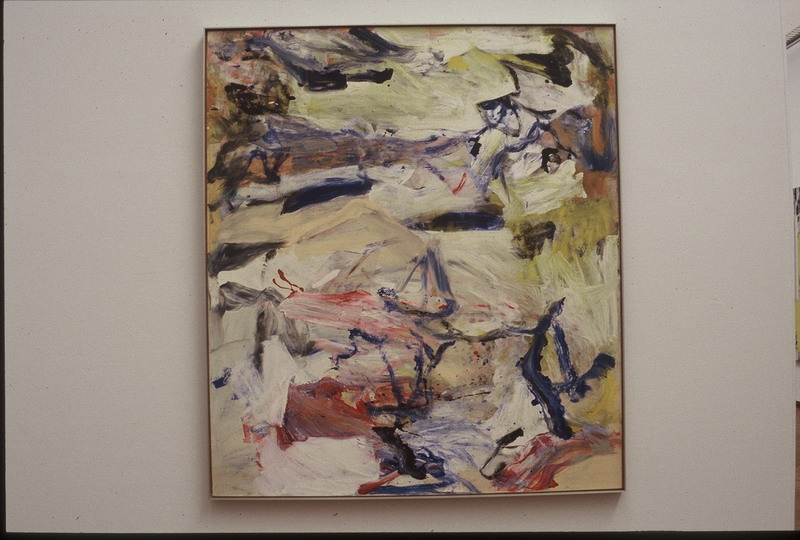
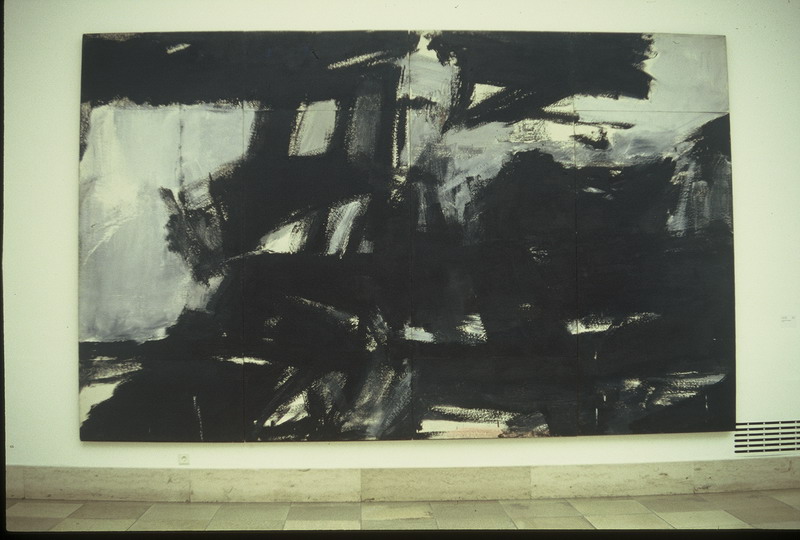
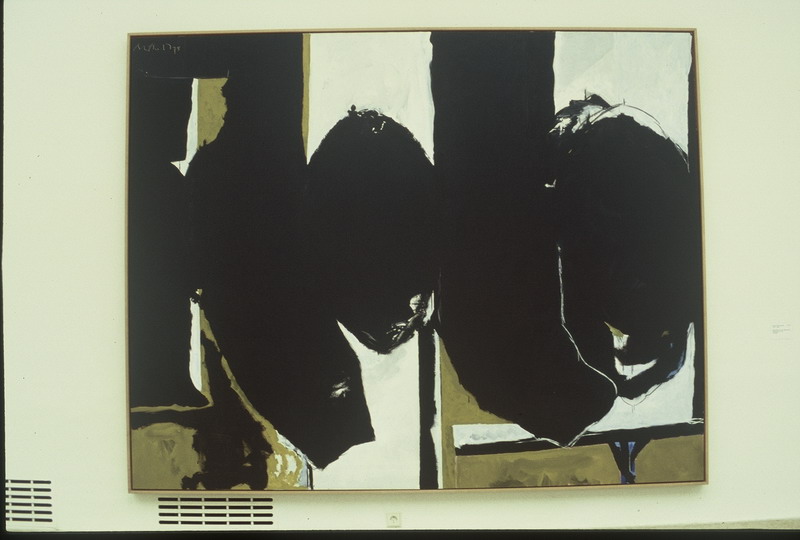
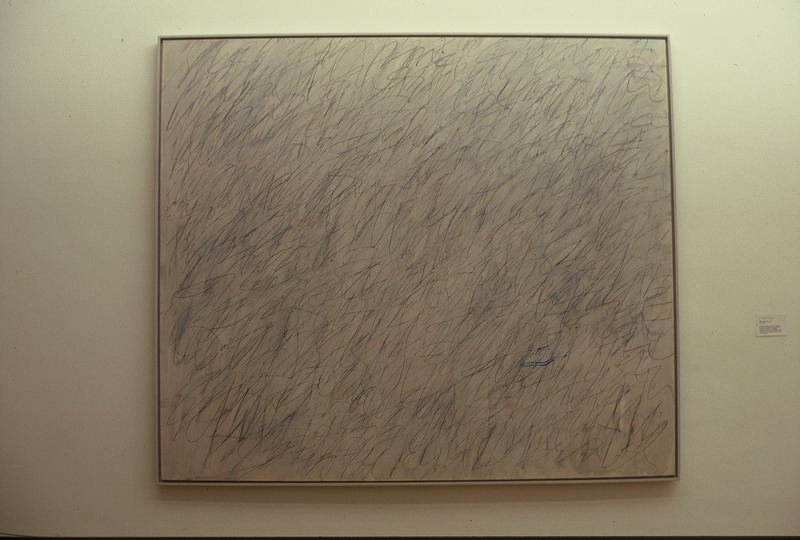
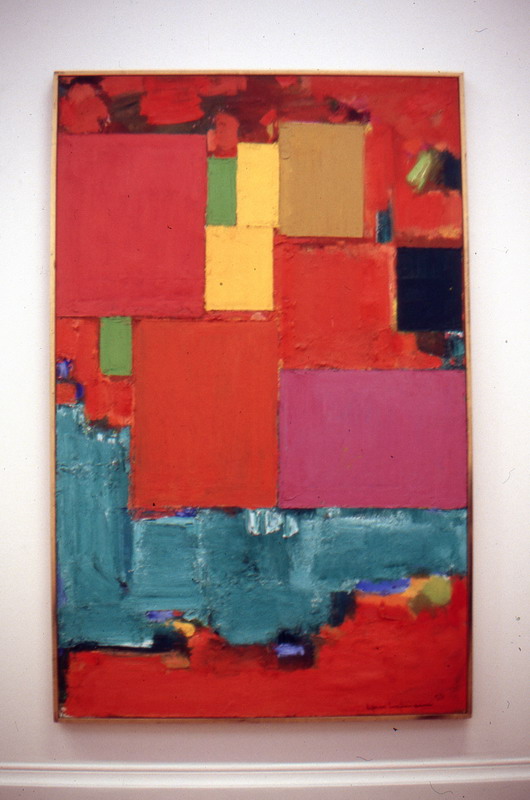
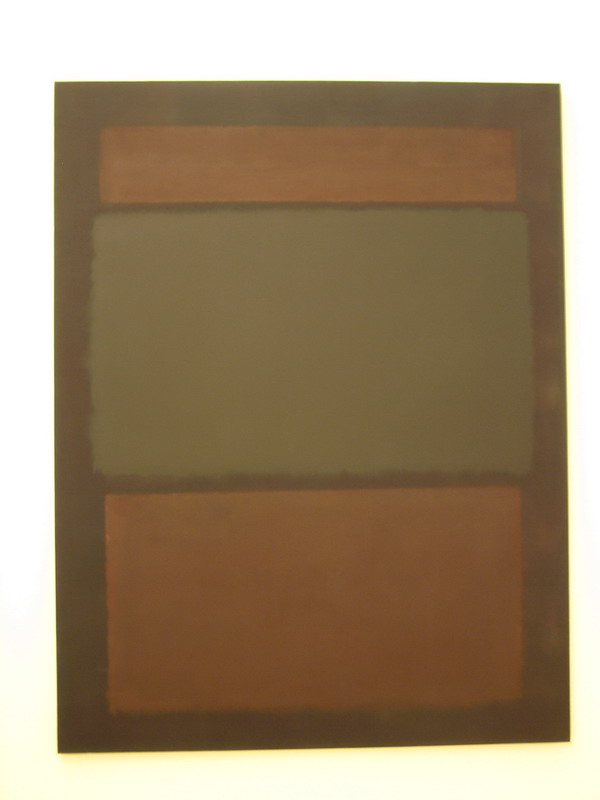
Abstract Expressionism was an important art movement that emerged in New York, USA after the Second World War. It originated from the purely psychic unconscious acts of Surrealism, which attempted to express the true functioning of thought through verbal, written, or any other means. As stated in the 1924 Surrealist Manifesto: "Surrealism believes in the superior reality of certain neglected forms of association, in the omnipotence of dream, in the disinterested play of thought. It tends to ruin once and for all all other psychic mechanisms and to substitute itself for them in solving all the principal problems of life."
Within the spirit of automatic technique painting, it explored the essence of painting itself, with works characterized by a bold and unrestrained style, free from rigid conventions.
Action Painting: This term was coined by the American art critic Harold Rosenberg. Action Painting derives from Surrealism and is renowned for its degree of automatic technique. Its most representative painter is Jackson Pollock. Pollock's art can be clearly traced back to its roots in the reactionary aspect of Surrealism, particularly the neurotic lines of automatic technique as represented by Masson. These two terms were used simultaneously for this generation of American painters, becoming an important art movement of the 1950s.
In terms of spirit, Abstract Expressionist painting can be divided into two major categories: first, typified by Pollock, they are full of vitality (passion) and action; second, represented by Newman and Rothko, they tend towards a purer, more tranquil abstraction.
The New York School Abstract Expressionism of the 1950s (École de New York): Its main representative artists include: Jackson Pollock (1912-1956), Willem de Kooning (1904-1998), Barnett Newman (1905-1970), Mark Rothko (1903-1970), Robert Motherwell (1915-1991), Arshile Gorky (1904-1948), Adolf Gottlieb (1903-1974), Clyfford Still (1904-1980), Franz Kline (1910-1962), William Baziotes (1912-1963), Sam Francis (1923-1994), Ad Reinhardt (1913-1967), Hans Hofmann (1880-1966), Cy Twombly (1928-2011), Joan Mitchell (1926-1992), and Philip Guston (1913-1980).