François-Xavier Lalanne
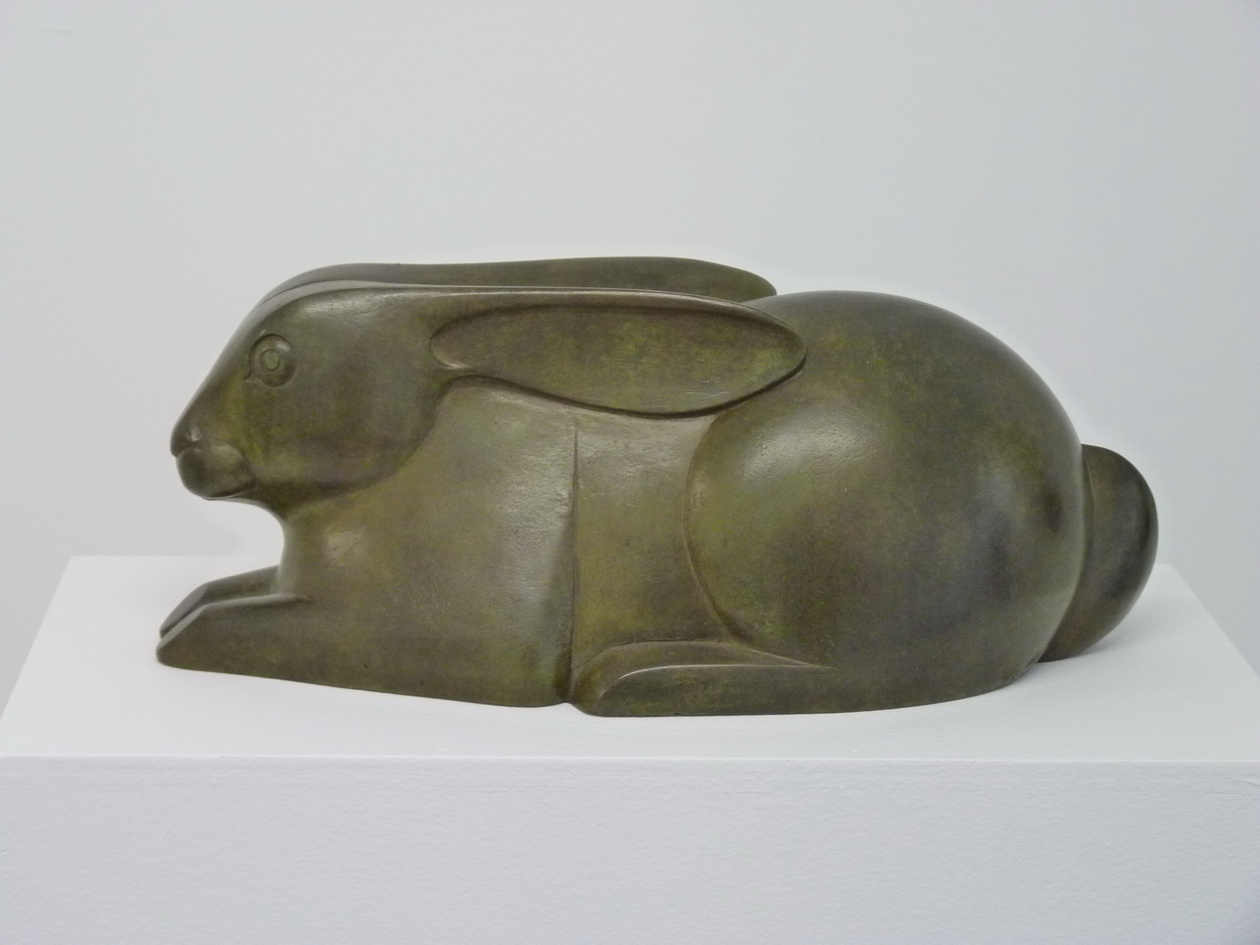
Francois-Xavier Lalanne Rabbit 13x33x13 cm 1987-95 Bronze
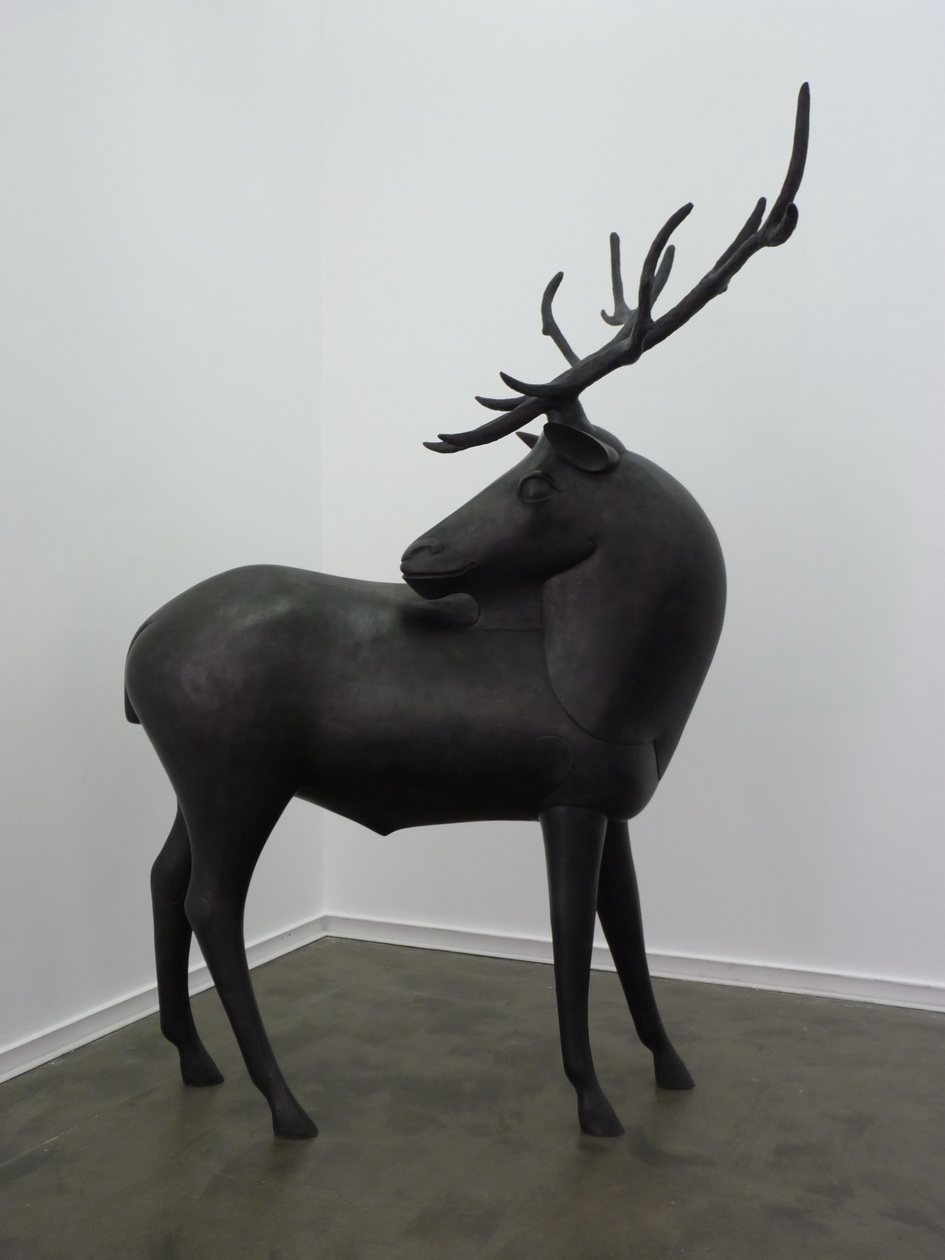
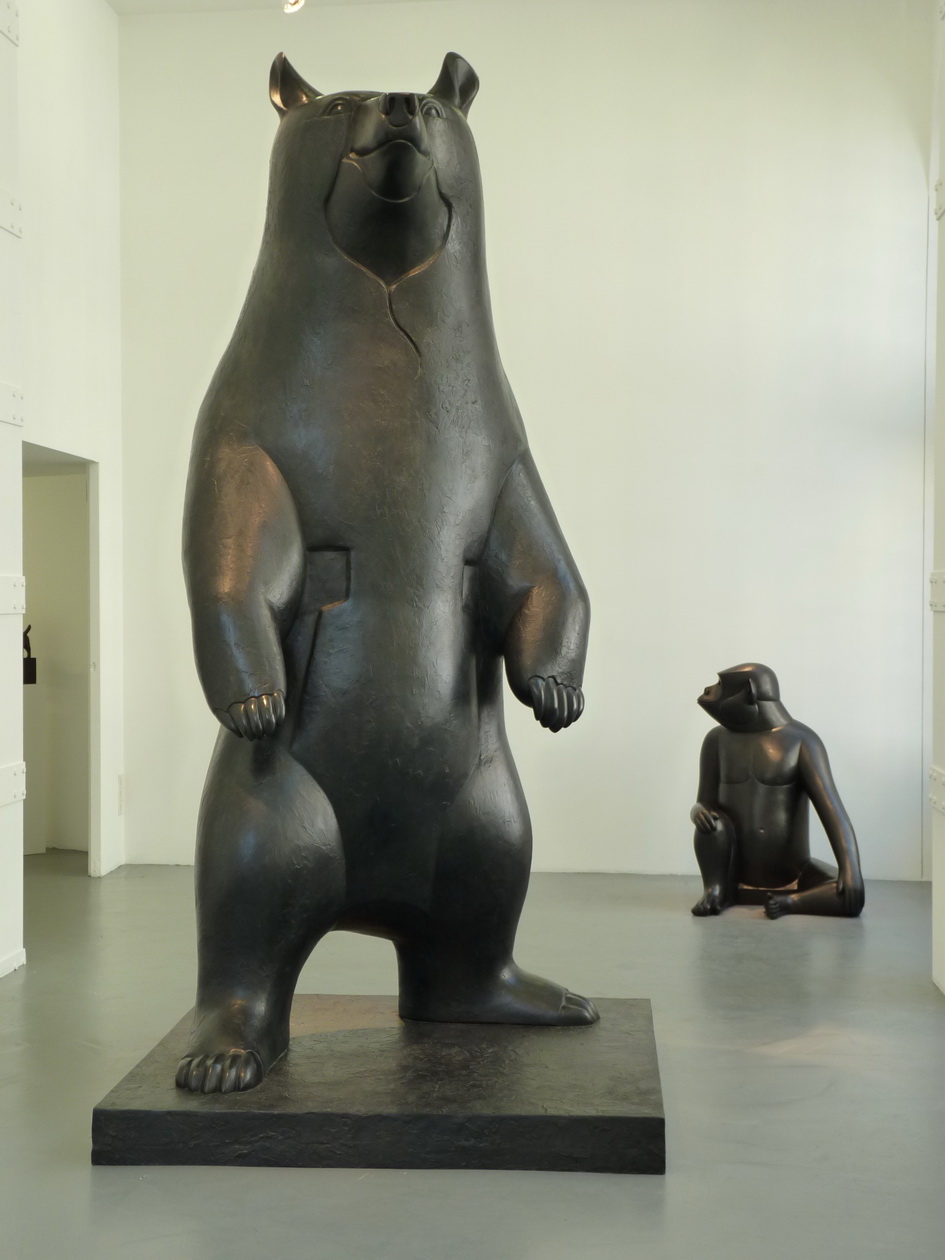
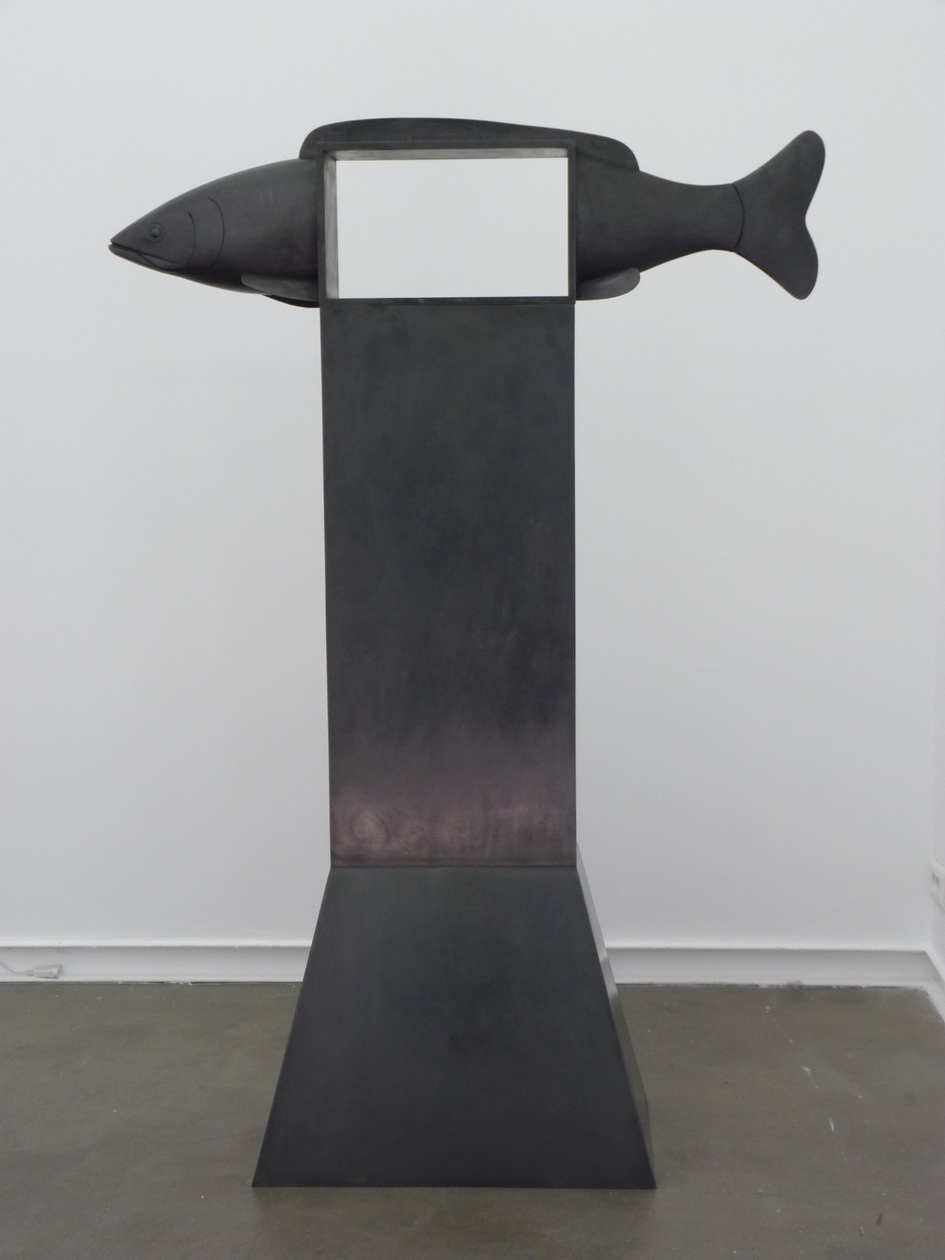
Text/Photos by Chen Chi-Hsiang. Dates: June 2 to July 28. Venue: Mitterrand Gallery.
"The highest art is the art of living." — Lalanne
François-Xavier Lalanne (1927–2008) and Claude Lalanne (born 1924) are a rare, famous French couple of artists who both practiced what they considered "the highest art is the art of living": their works are both artworks and functional household objects and sculptures. François-Xavier is known for his modern animal sculptures. He was a sculptor and printmaker who went to Paris in 1949 to study drawing, sculpture, and painting at the Julian studio in Montparnasse, renting a studio next door and becoming neighbors with the great sculptor Brancusi. Clearly, François-Xavier’s modernist sculpture was subtly influenced by him. Through Brancusi’s introduction, he met active artists such as Magritte, Dalí, and Duchamp, and was also indirectly influenced by the Surrealists. In 1950, he decorated the Dior fashion store; two years later, he held his first solo exhibition (painting) in Paris. (Note 1)
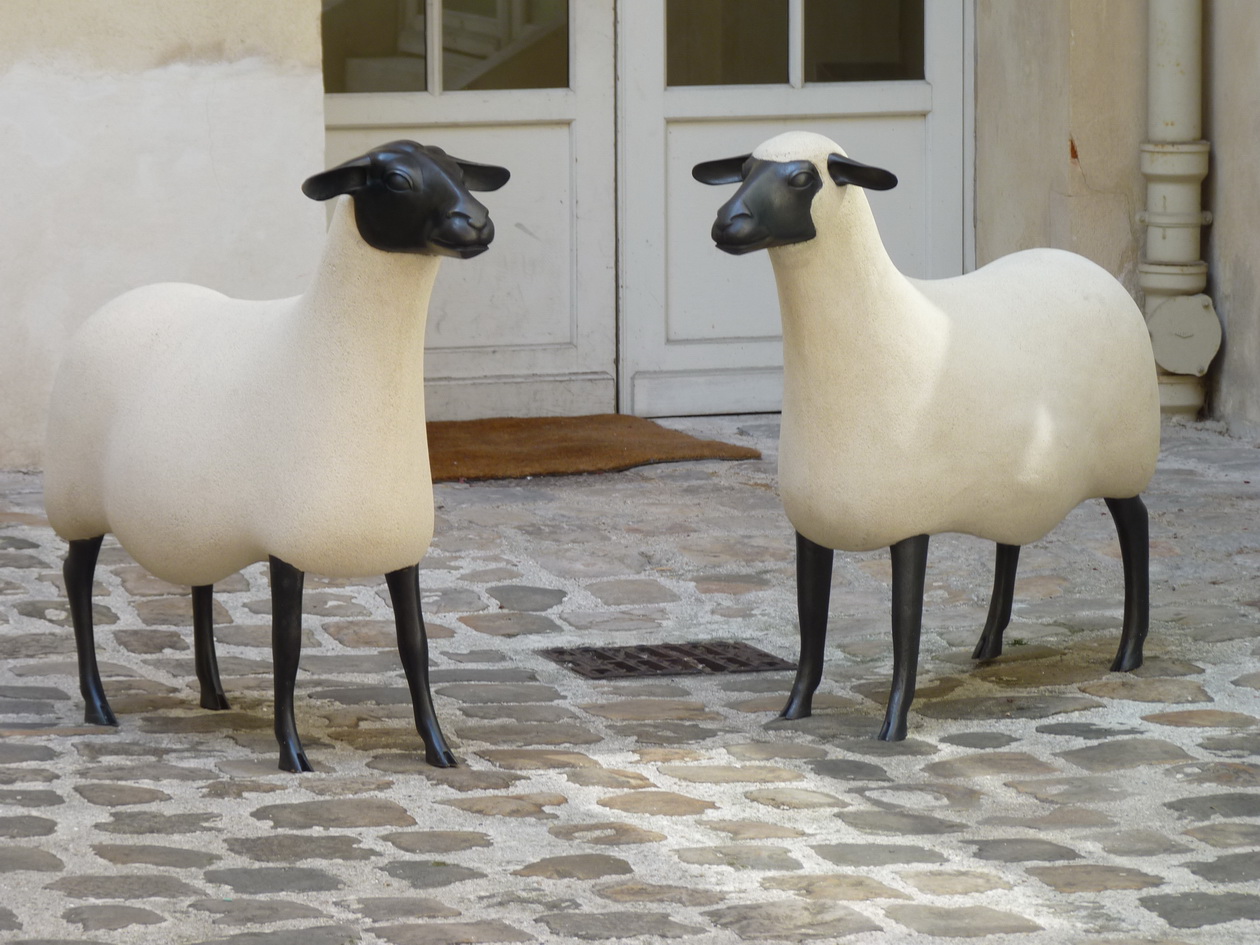
The couple began working together from 1956, and started creating three-dimensional sculptures due to the reconstruction project of the Parc de la Villette in Paris. They married in 1967. Starting in the 1960s, Lalanne discovered traditional shapes in nature, finding inspiration in lines and textures. Claude was particularly inspired by plants and flowers, while François-Xavier was interested in animals. They began to gain public attention in the art world. When Yves Saint Laurent and Pierre Bergé commissioned them for a series of works, it further increased their international fame. In 1976, the well-known French singer Serge Gainsbourg chose their works for album covers. In 1983, they designed a large fountain for a square in Paris, followed by public sculpture works in London and New York, such as the "New York Apple" on 52nd Street and the "Sheep" on 53rd Street. In autumn 2013, Lalanne's flock of sheep dramatically appeared at a gas station in Manhattan's Chelsea district. (Note 2)
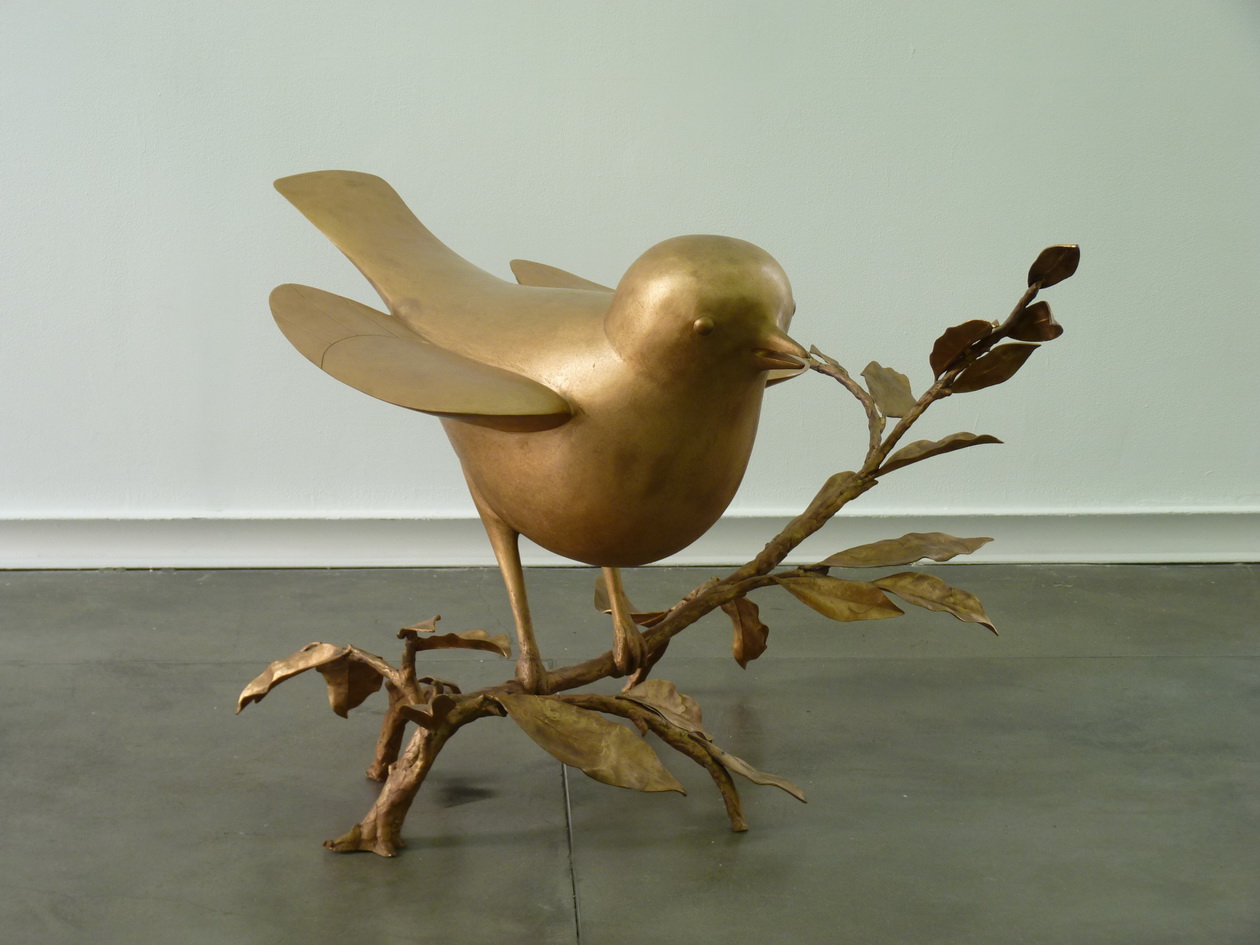
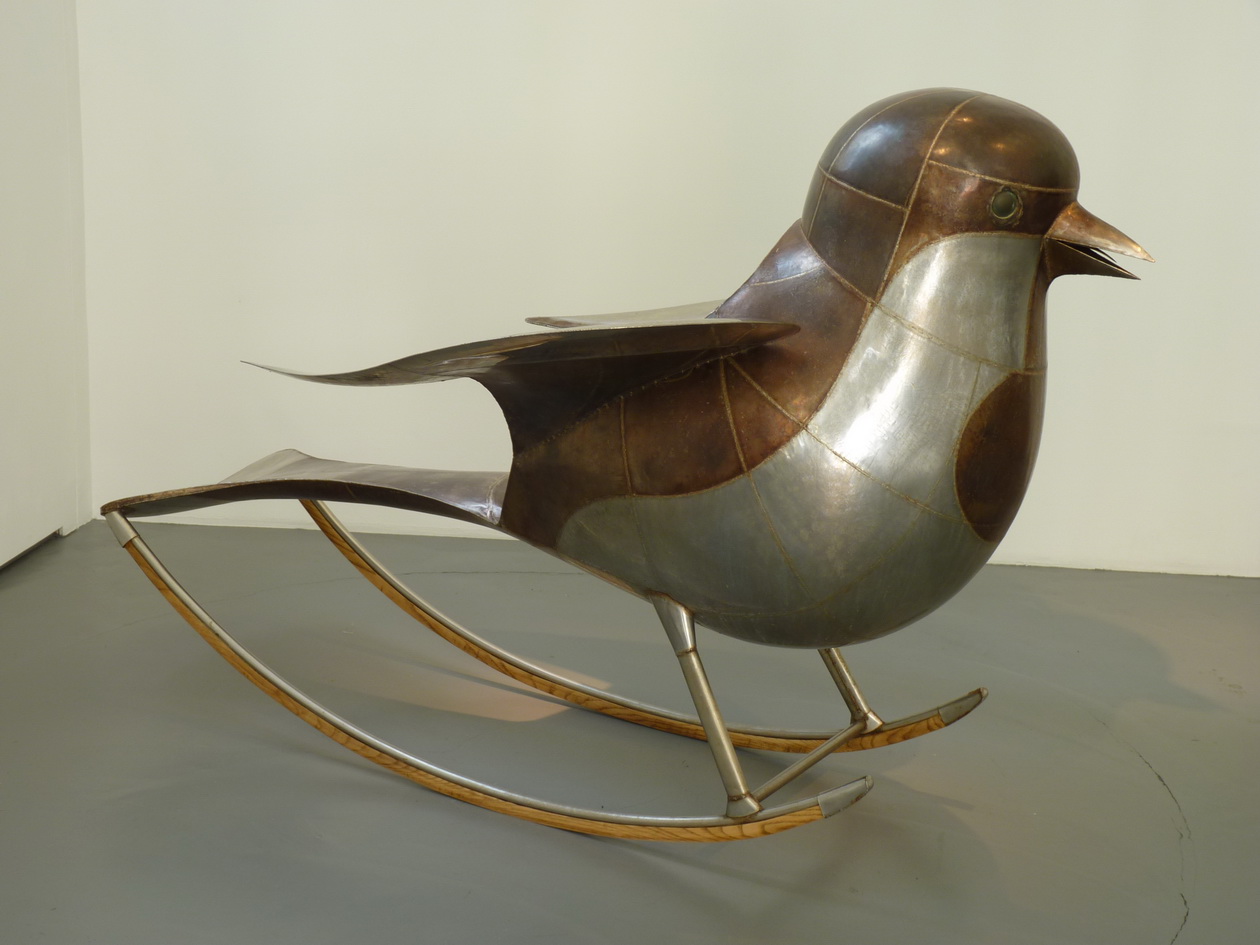
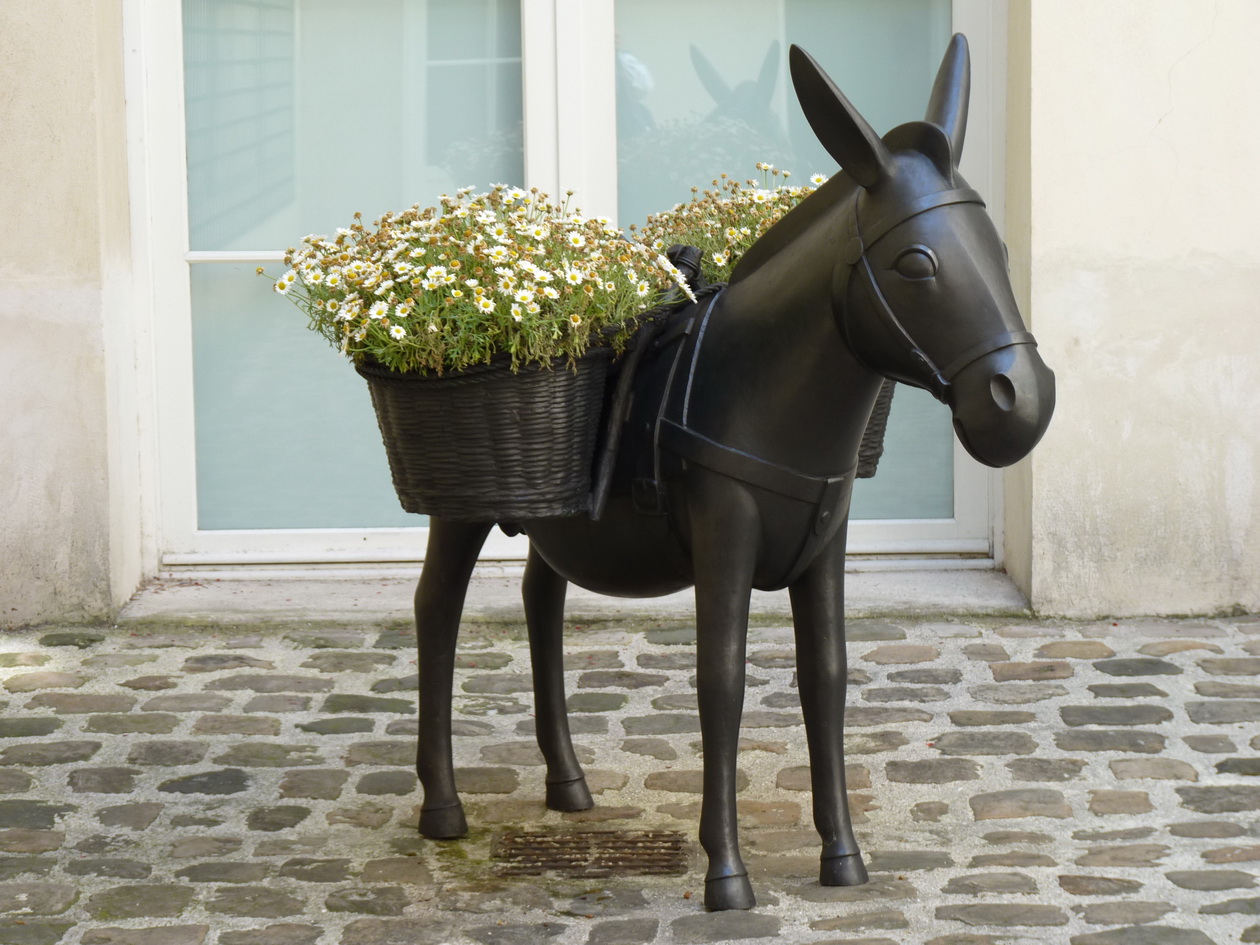
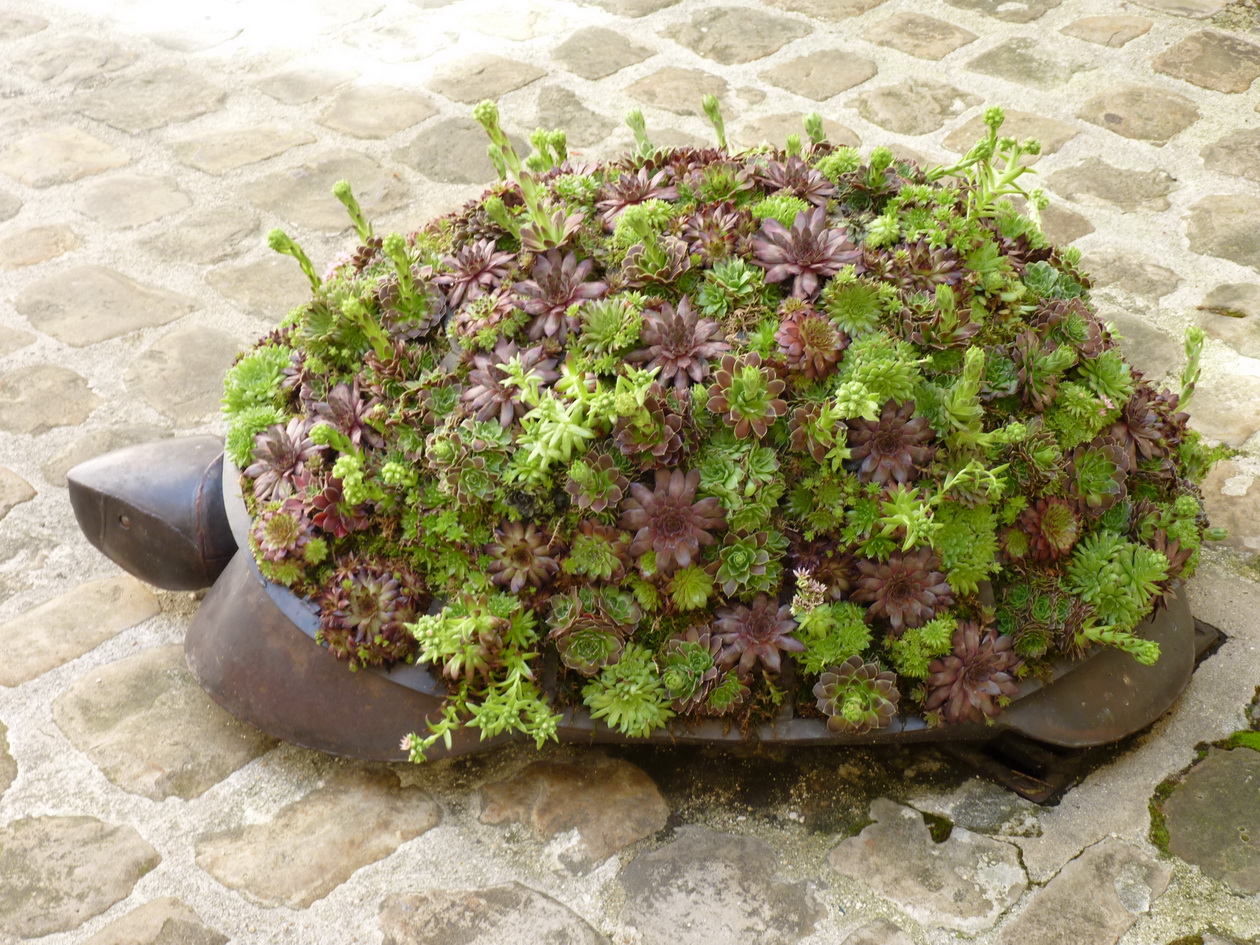
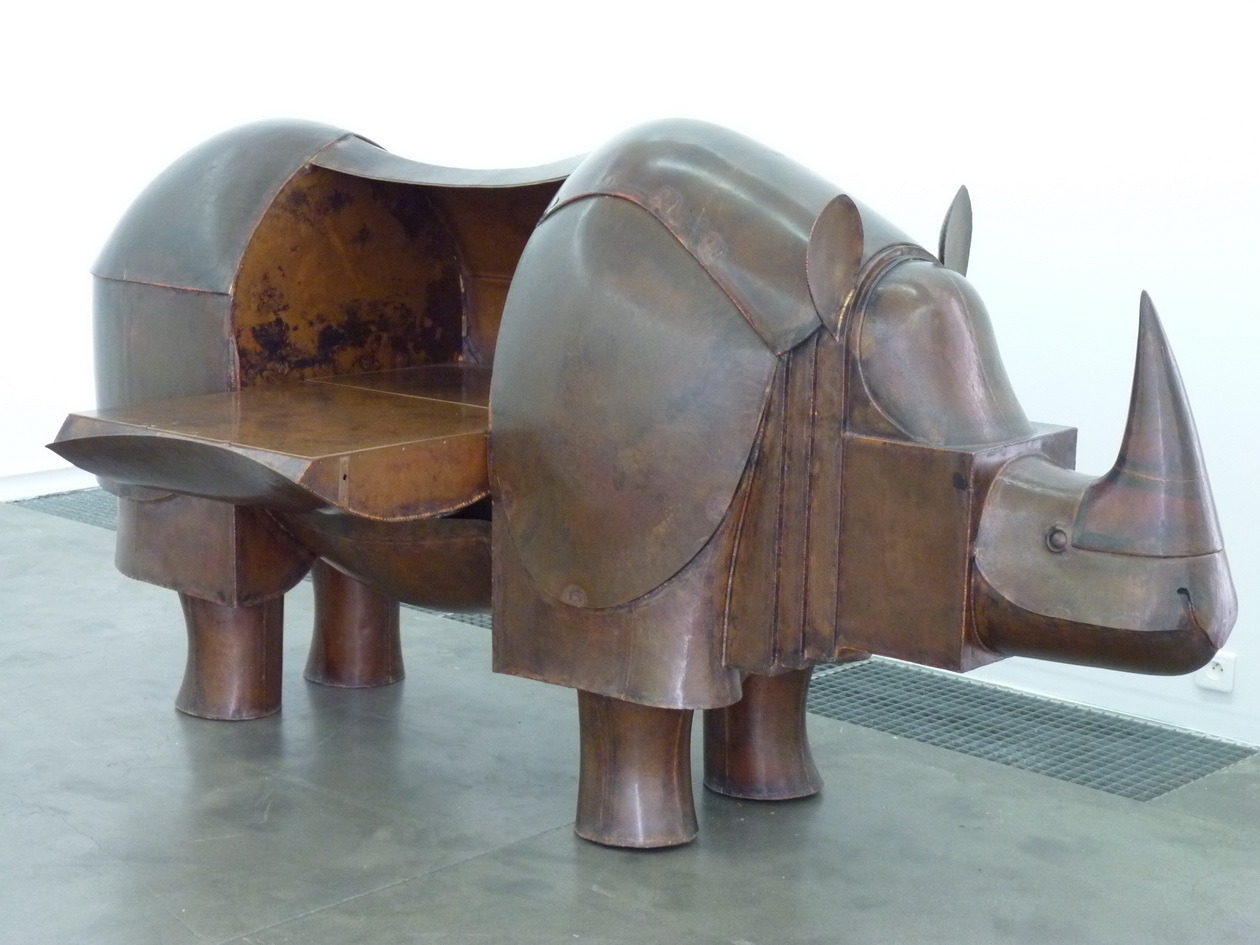
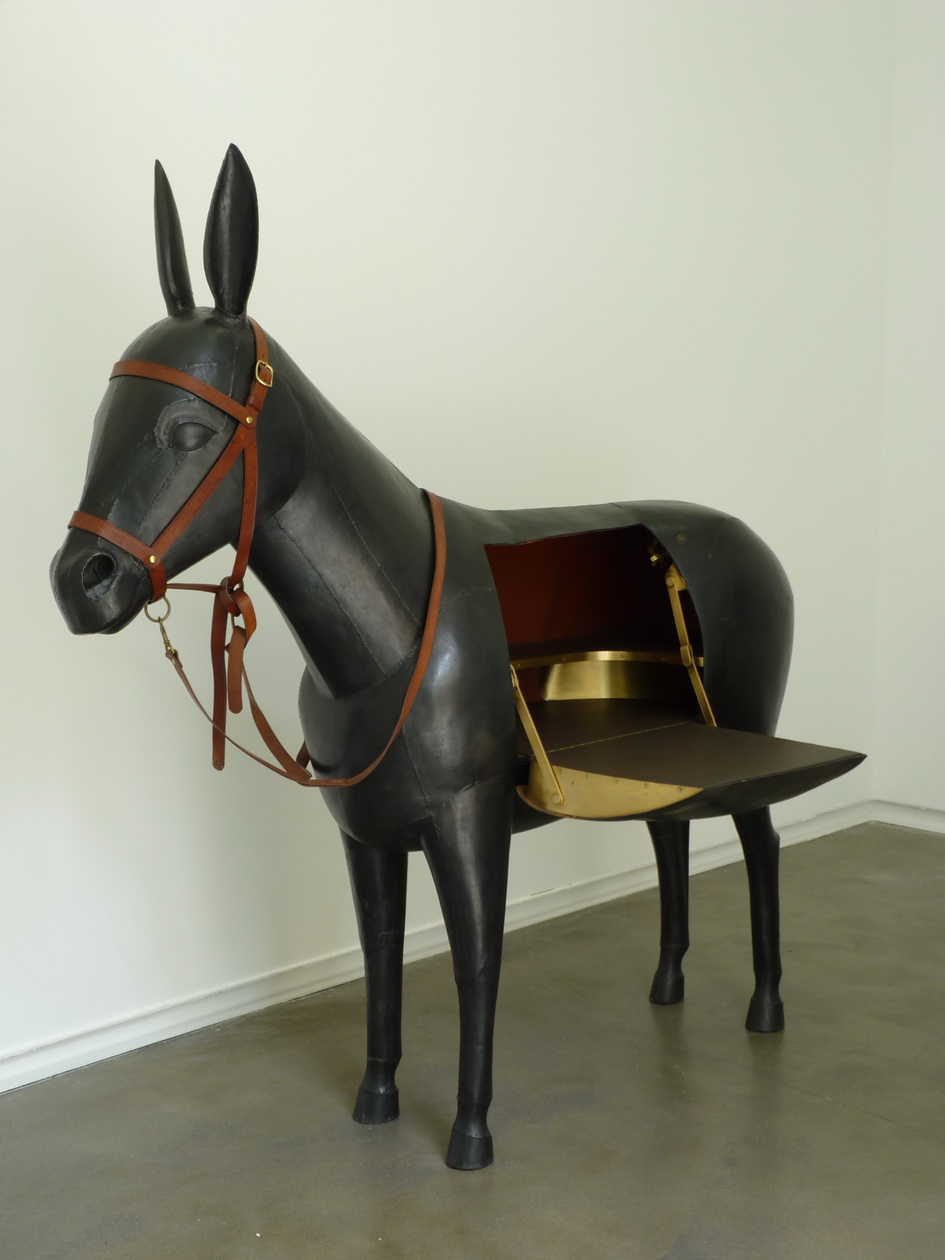
François-Xavier focused on concise, powerful sculptures with streamlined forms and solid volumes, featuring domestic animals like rabbits, sheep, birds, turtles, and donkeys, or wild rhinos and polar bears. Functional sculptural designs included rhino or donkey desks, sardine sofa beds, garden bird rocking chairs, and garden items such as sheep flocks, turtle and donkey flower pots, and window sculptures of cows or fish. Under the masterful techniques of welding, electroplating, and molding, these pieces exude a fantasy-like surrealist ode.
Notes 1–2: Biographical data from Wikipedia.