American Icons (Icones Americaines) Special Exhibition
Alexander Calder 1898-1976 eighteen numbered black 1953 metal et peinture
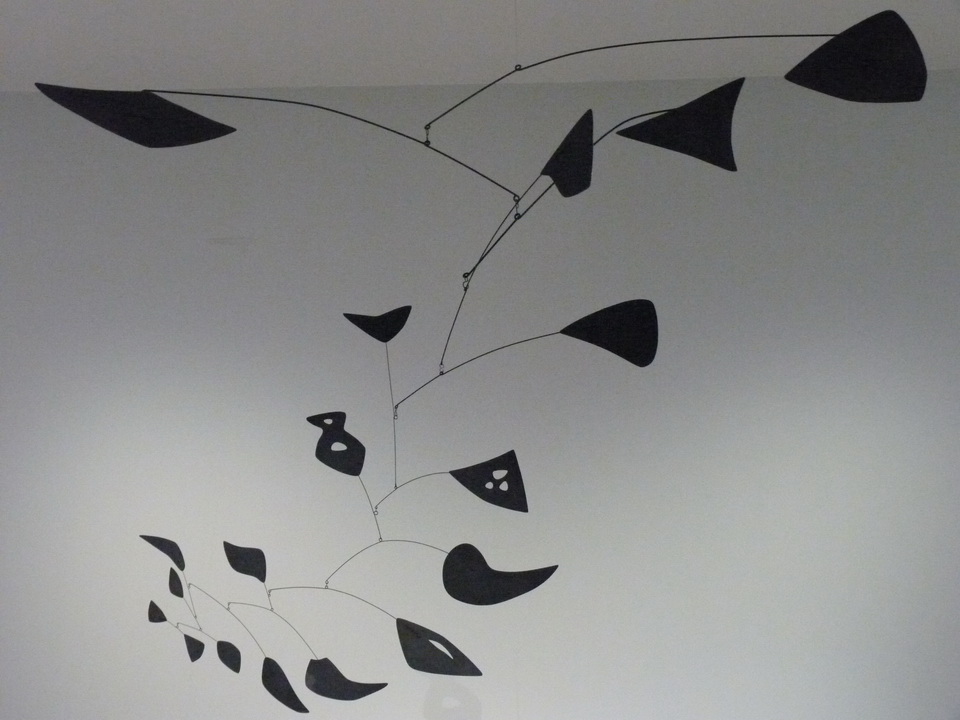
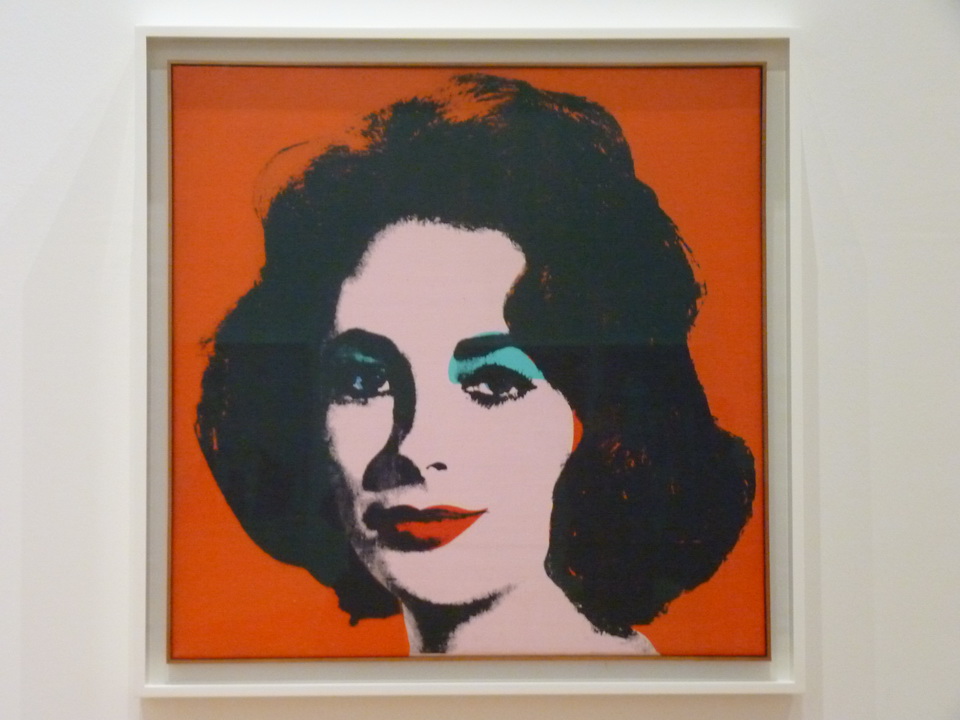
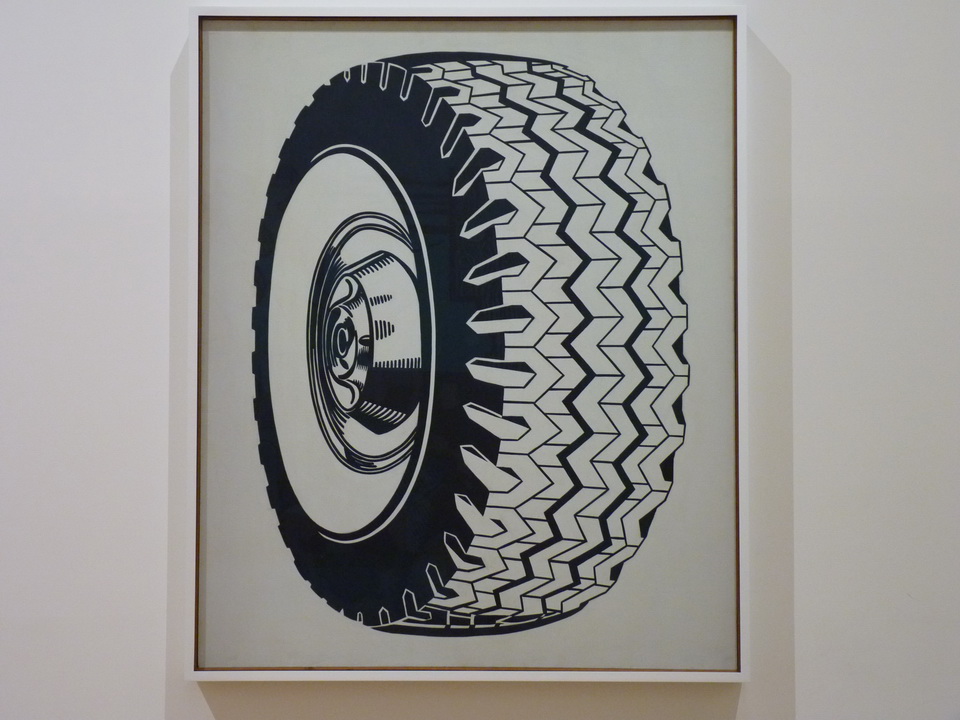
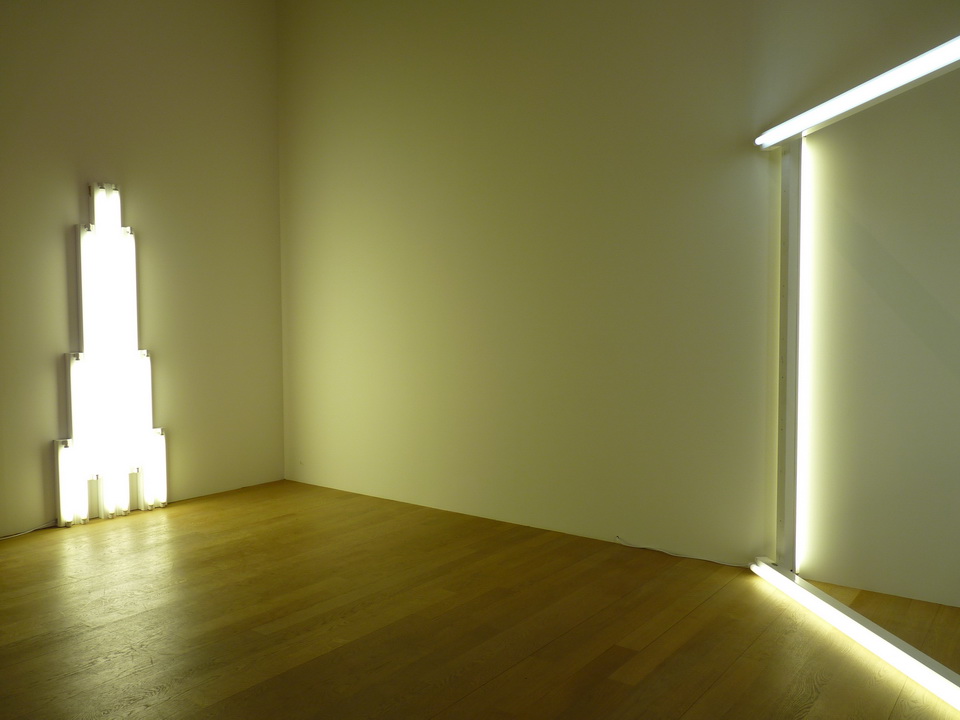
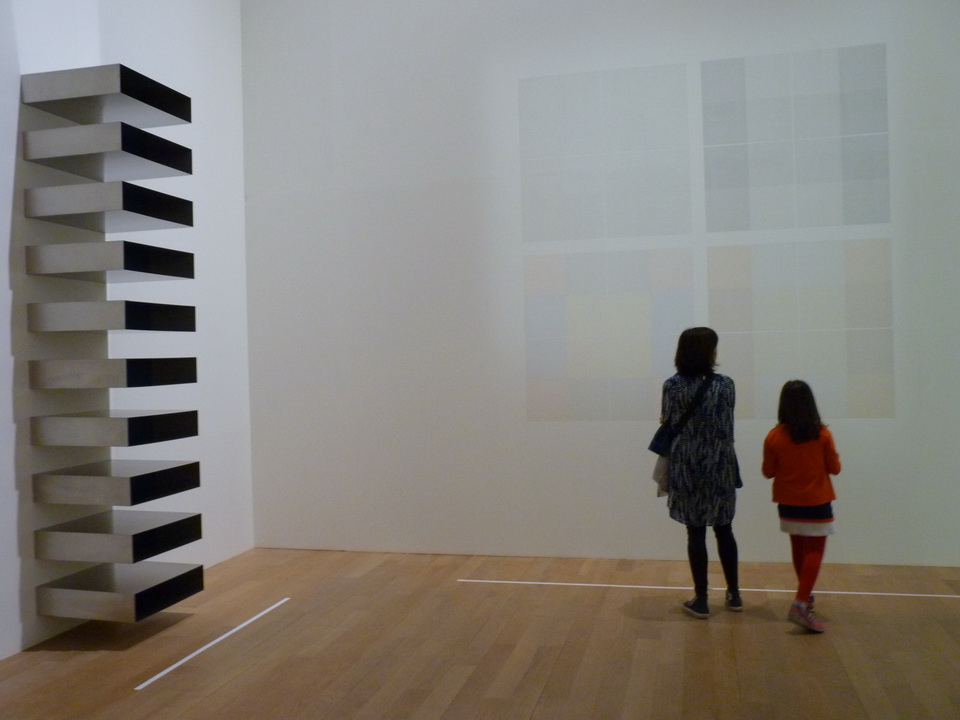
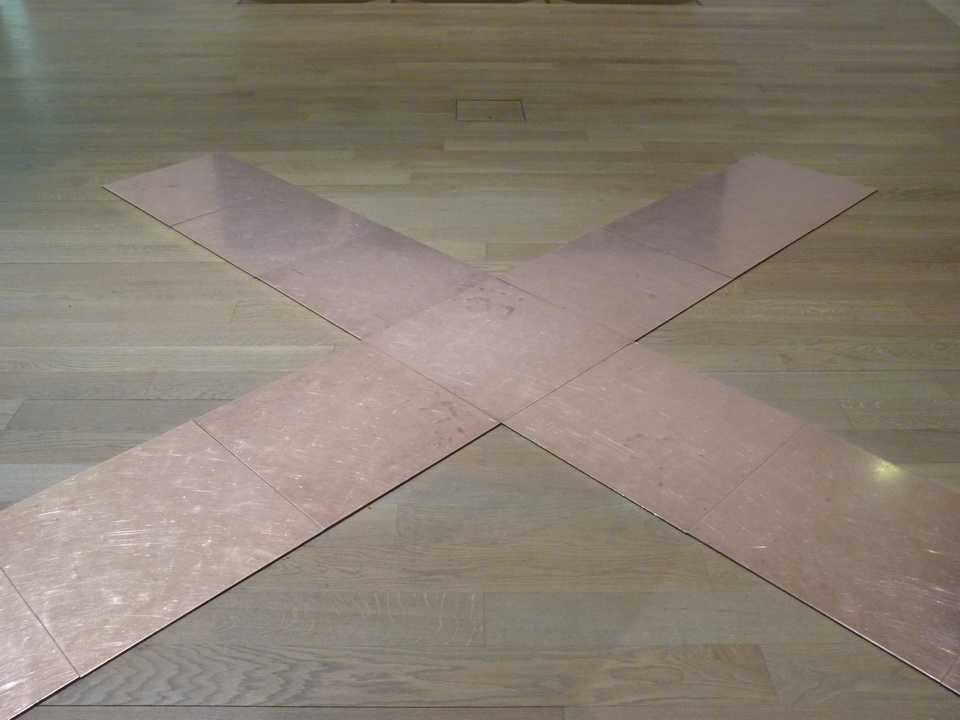
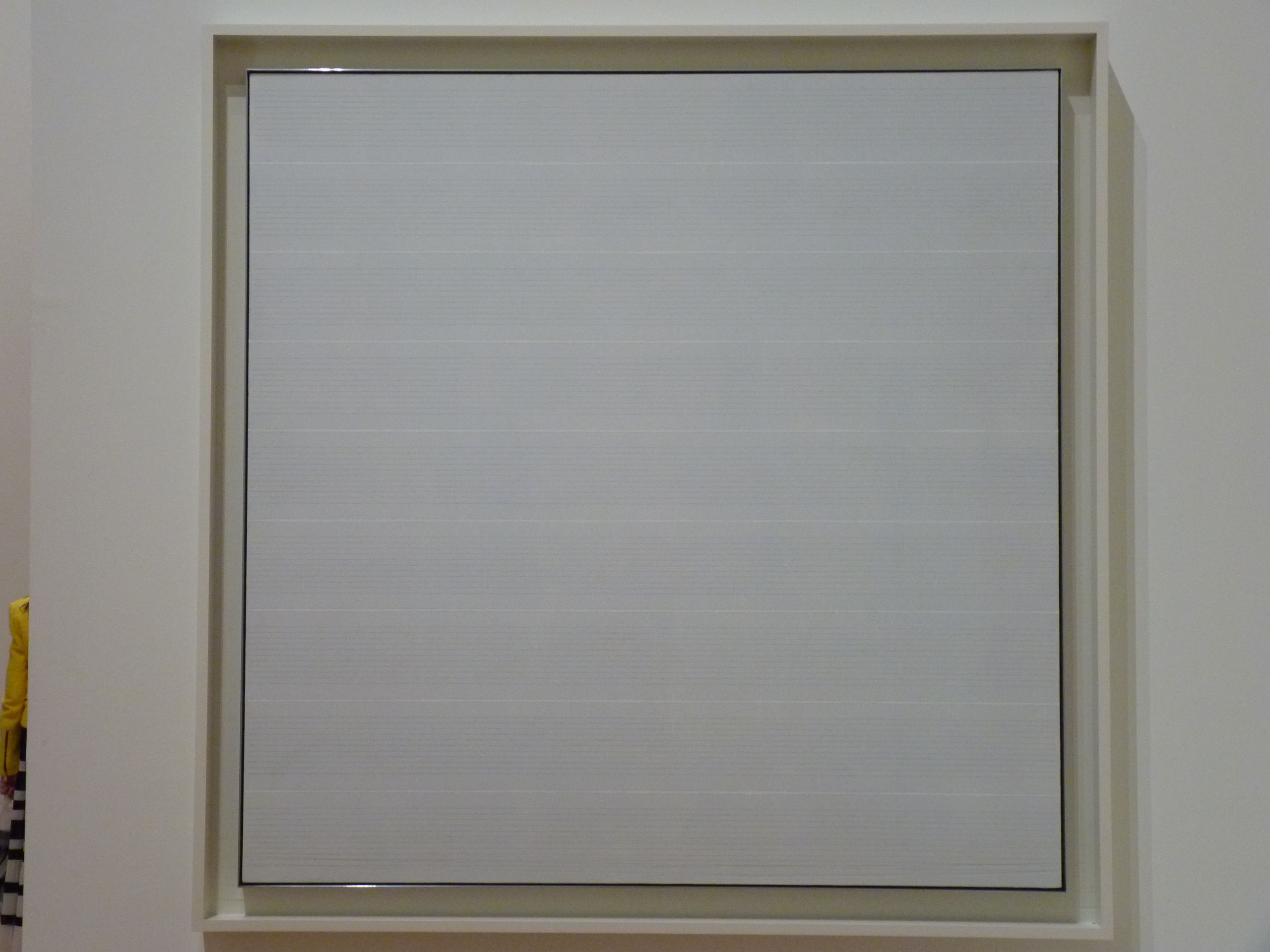
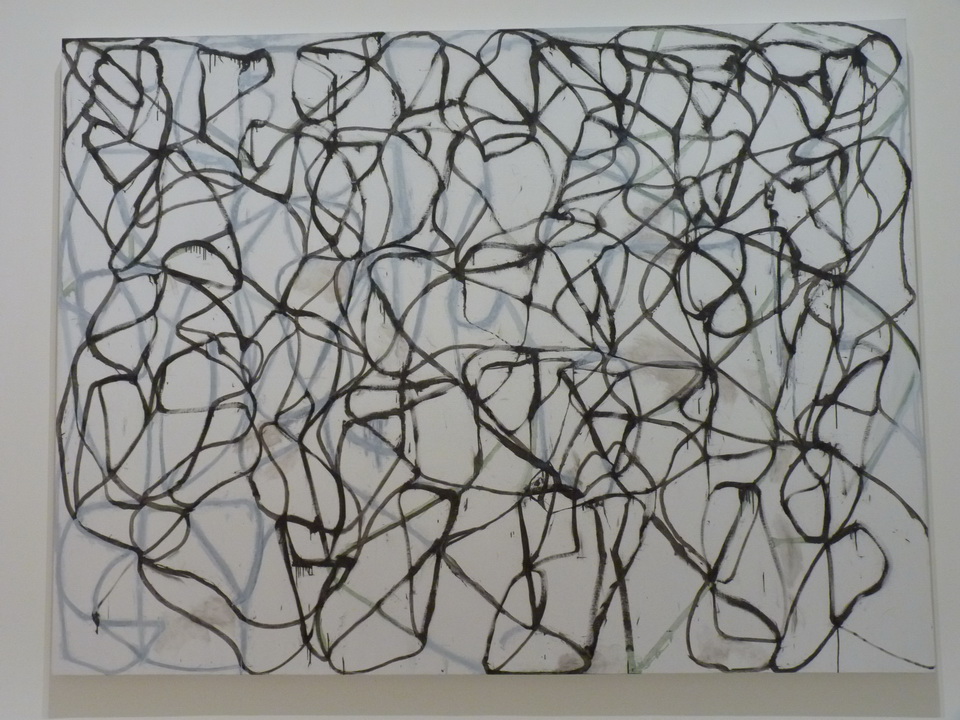
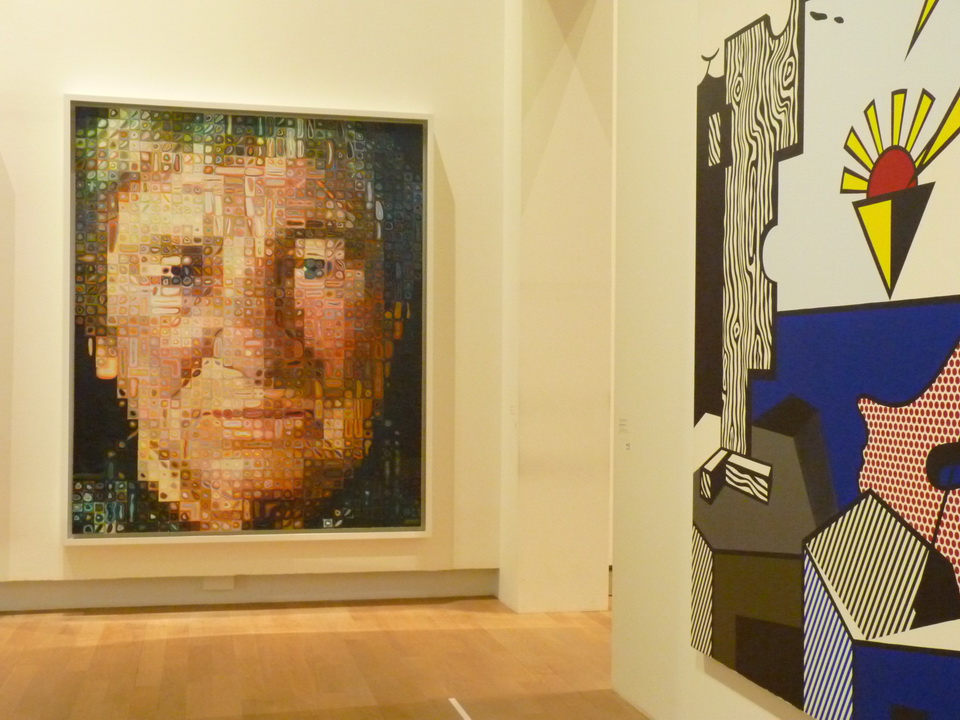
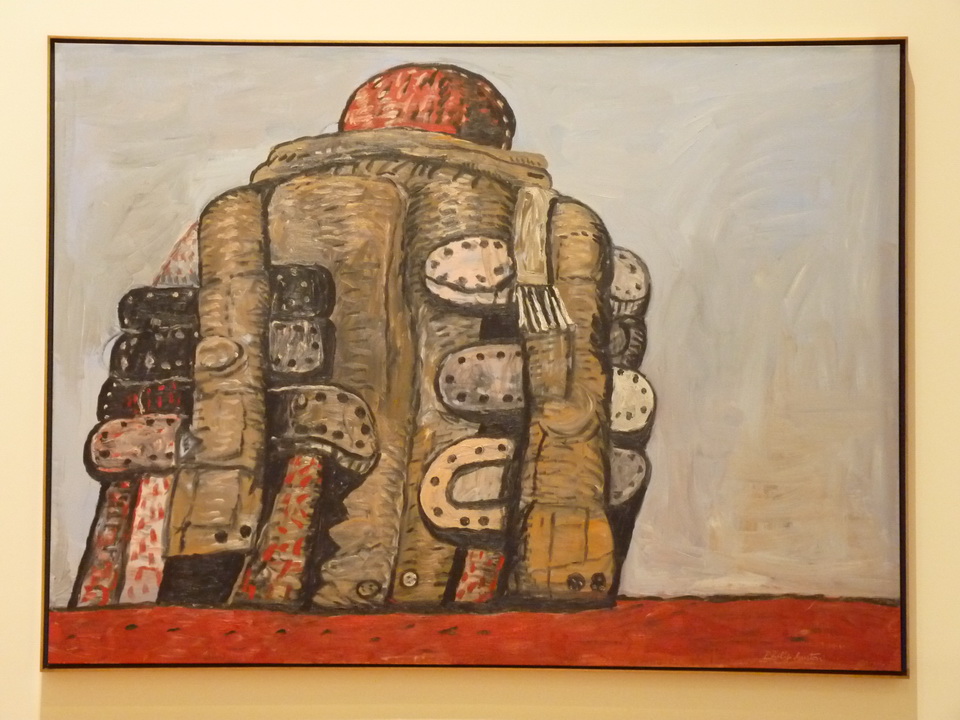
Text and photos by Chen Chi-Hsiang. Dates: April 8 to June 22. Venue: Grand Palais, Paris. The American Icons special exhibition in Paris is held because the Los Angeles Museum of Contemporary Art on the U.S. West Coast is currently undergoing renovation, so its collection works are touring. The exhibition focuses mainly on the former museum collection of major collectors Doris and Donald Fisher. Every place has its own icons; these icons represent local energy, consciousness, and symbols. Who are the icons of American art? They are not Pollock, de Kooning, Rothko, Johns, or Rosenberg (the Fishers may not have collected them), but rather kinetic sculptor Calder, Pop artists Andy Warhol and Roy Lichtenstein, hard-edge color field artists Ellsworth Kelly and Brice Marden, abstract expressionists Cy Twombly and Richard Diebenkorn, American minimalist artists Sol LeWitt, Carl Andre, Dan Flavin, and Donald Judd, minimalist painter Agnes Martin, super realist Chuck Close, and other American artistic icons. Among them, painter Richard Diebenkorn is perhaps the most unfamiliar to me. These icons are well-known to me, yet facing the works in person remains a feast, as each reading brings new insights.
American Icons represent art with the strongest American consciousness, establishing pure American symbolic imagery free from European influence. In contemporary globalization terminology, this localization is essentially Americanization—optimistic, progressive, youthful, and full of vitality, embodying purely local native energy and consciousness. As the great twentieth-century literary figure D.H. Lawrence wrote: "Every continent has its own great local spirit, and every nation has its local characteristics; that is home, that is homeland. On this earth, different places have different vitality, different vibrations, different chemical smells, different stars, different characteristics. You can call it whatever you like, but the local spirit is a great reality." So where are Taiwan's icons? They are right there, visible to all, worthy of our deep reflection and construction.