The Cyclops
A Cyclops full of imagination and extraordinary monuments
Text and images / Chen Chi-Hsiang. Travel is an experience and practice of body, mind, and spirit, not merely intellectual play, but a deeper execution of consciousness. Travel should not be restricted by weather; it is determined not by climate, but only by time and space. Depending on the climate and environment, each has its own context, inspiring awareness and feeling, entering mental contexts and states. Thus, travel enriches daily life, stimulates existential energy, and becomes a hormone for growth in life.
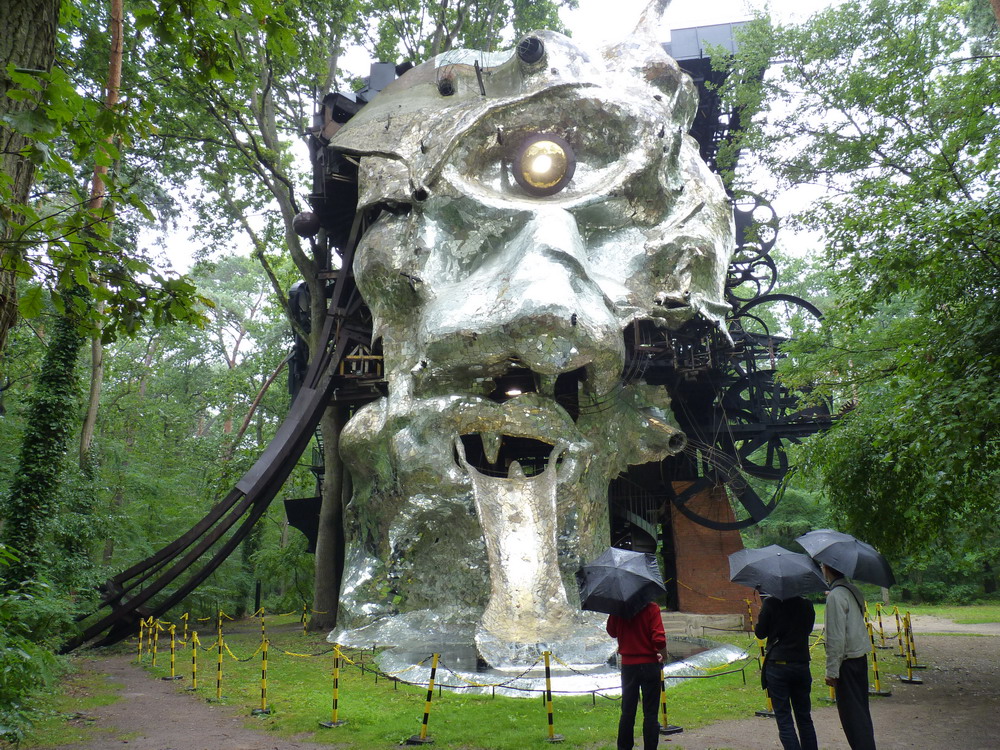
On a sunny summer day, going out to stretch body and mind, I had long planned to walk in Milly-La-Forêt, just outside Paris. That day, however, was windy and rainy, yet the desire to go out overcame everything. Braving the wind and rain brought a unique situation, adding a sense of atmospheric beauty and state of mind. The lush, dense forest, combined with the wind and rain, created a distinct atmosphere and context. Walking under the leafy canopy in the drizzle, visiting the most representative contemporary art monument since the 1960s—the Cyclops—was truly unimaginable. The Cyclops welcomed curious viewers with its majestic posture and charm.
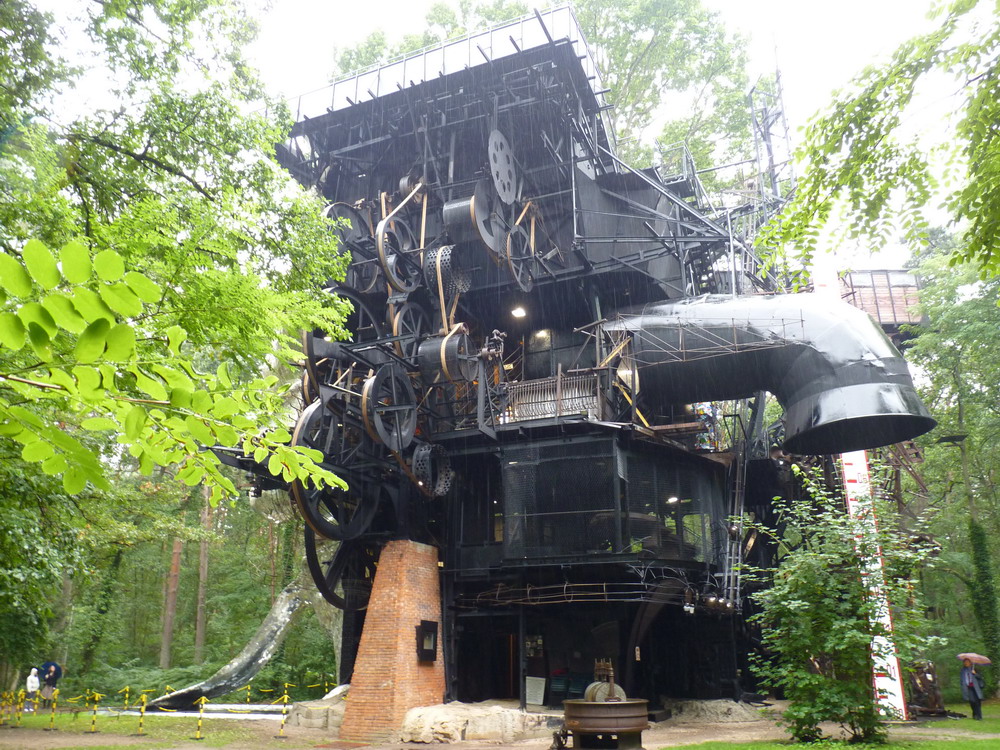
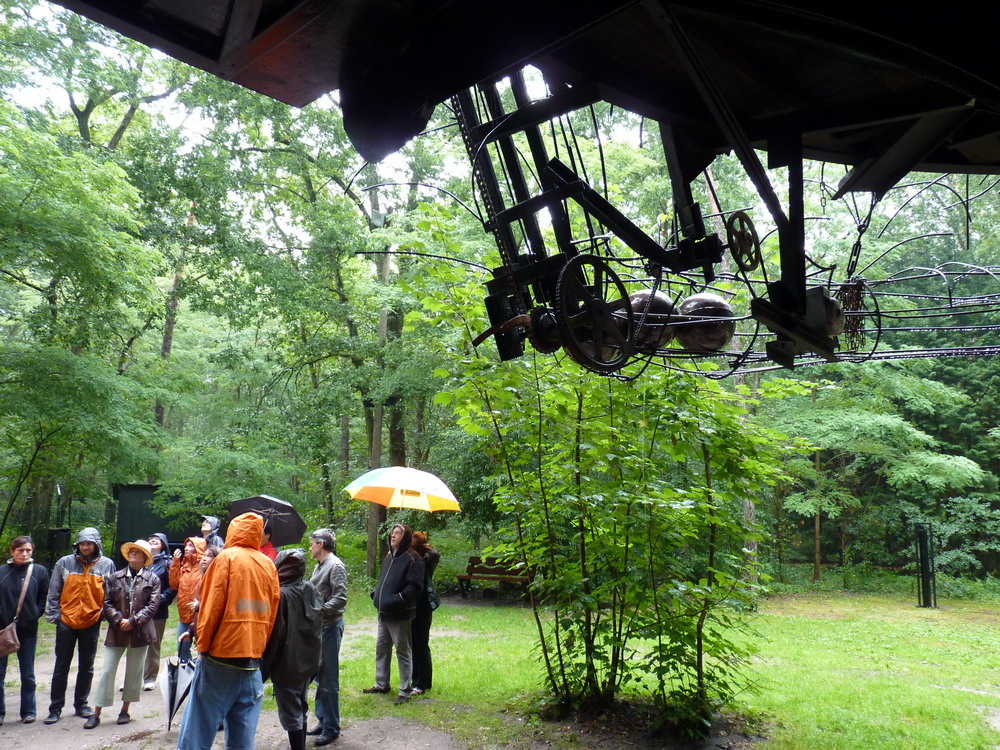
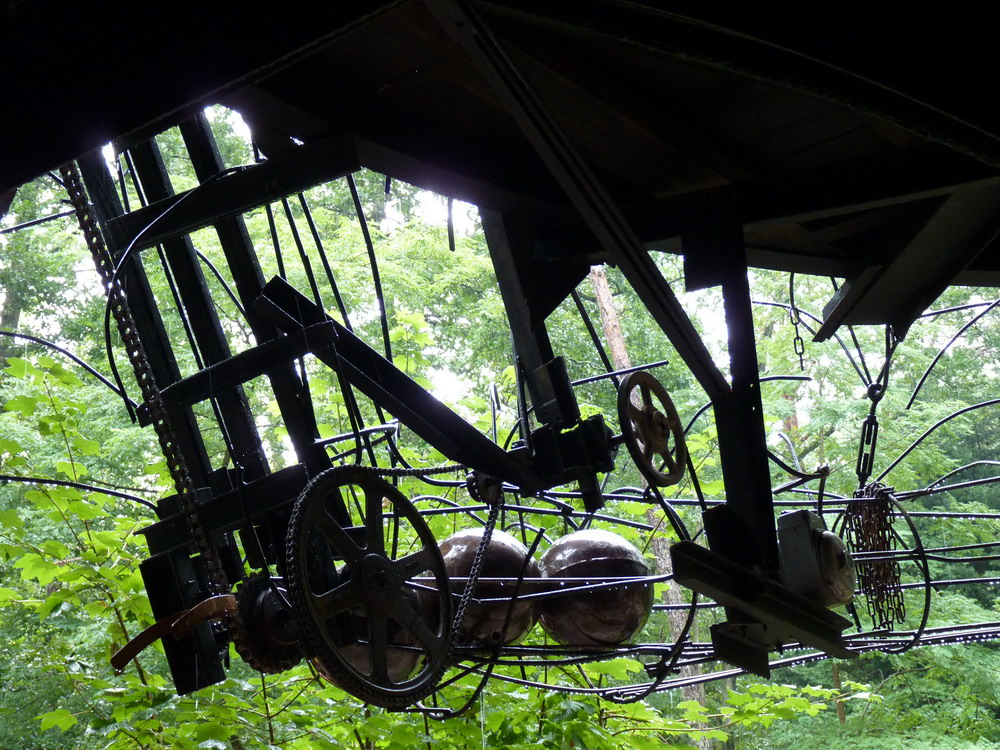
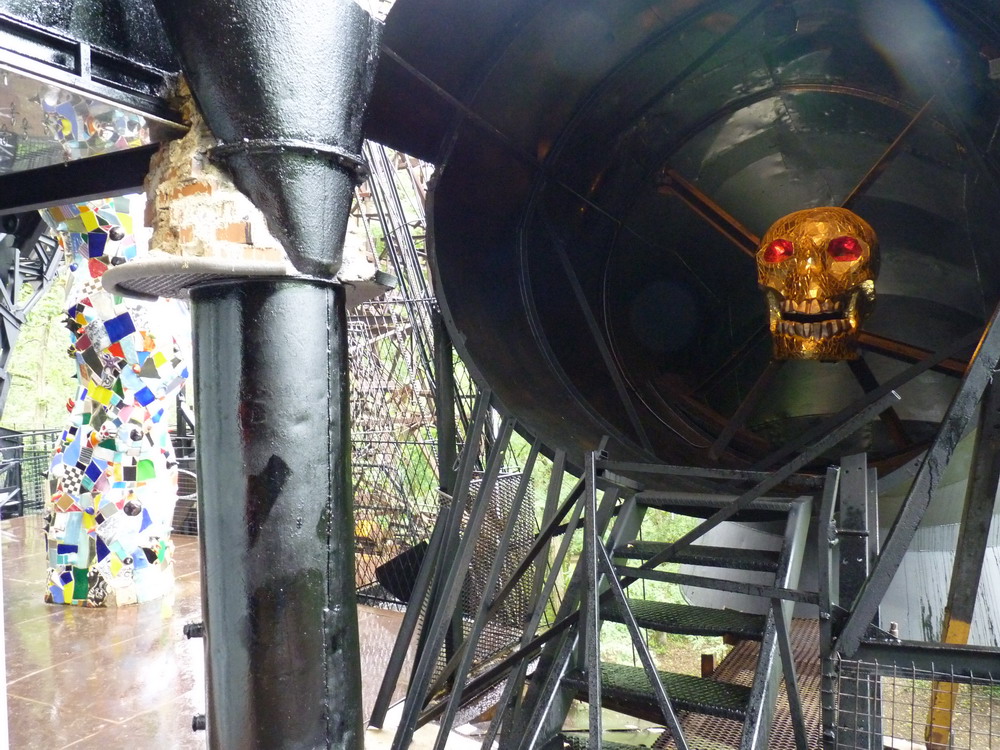
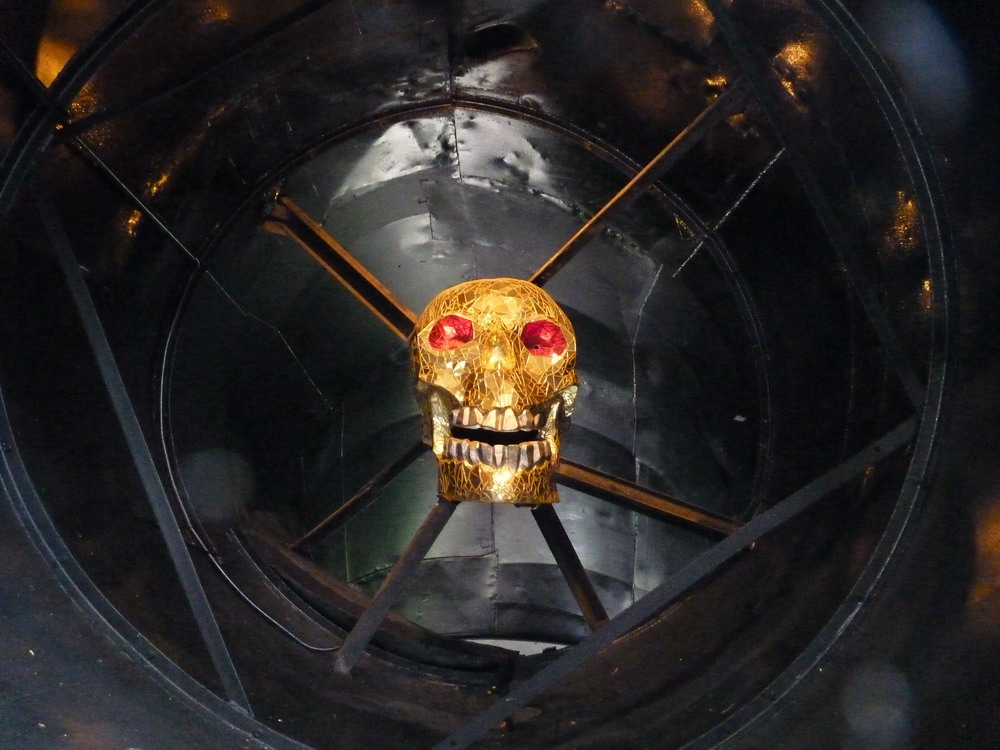
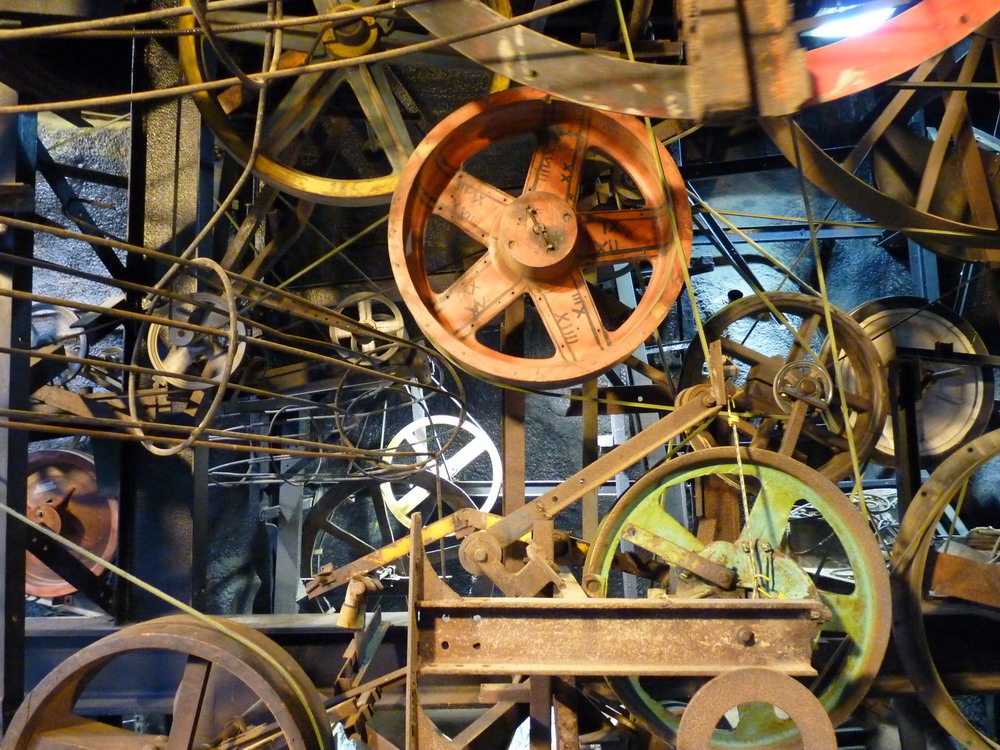
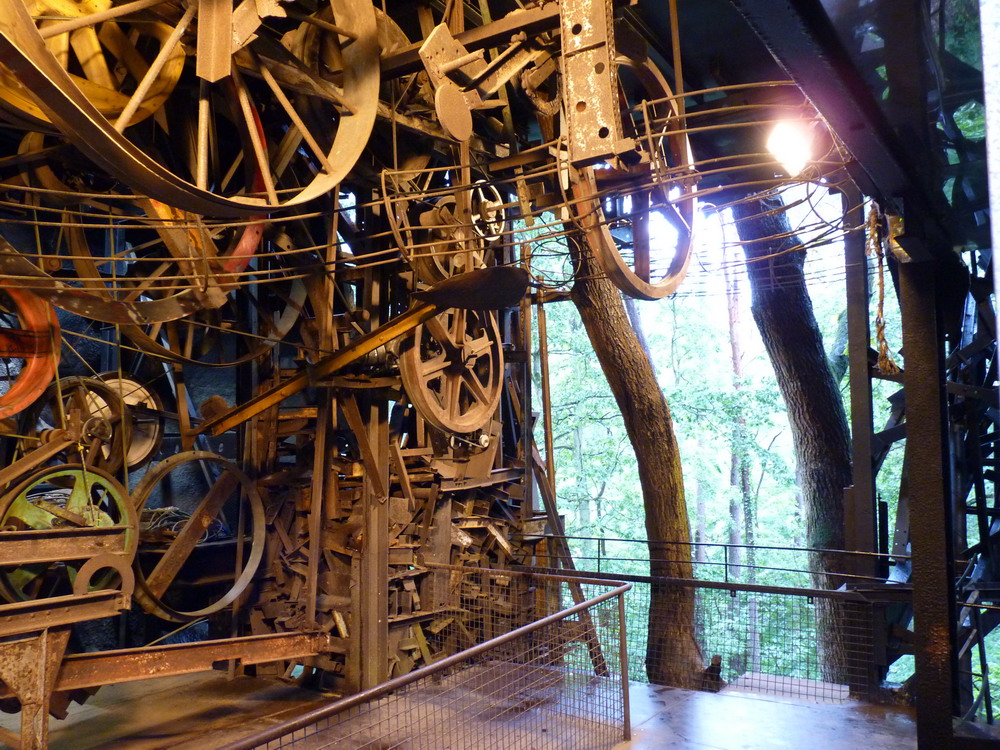
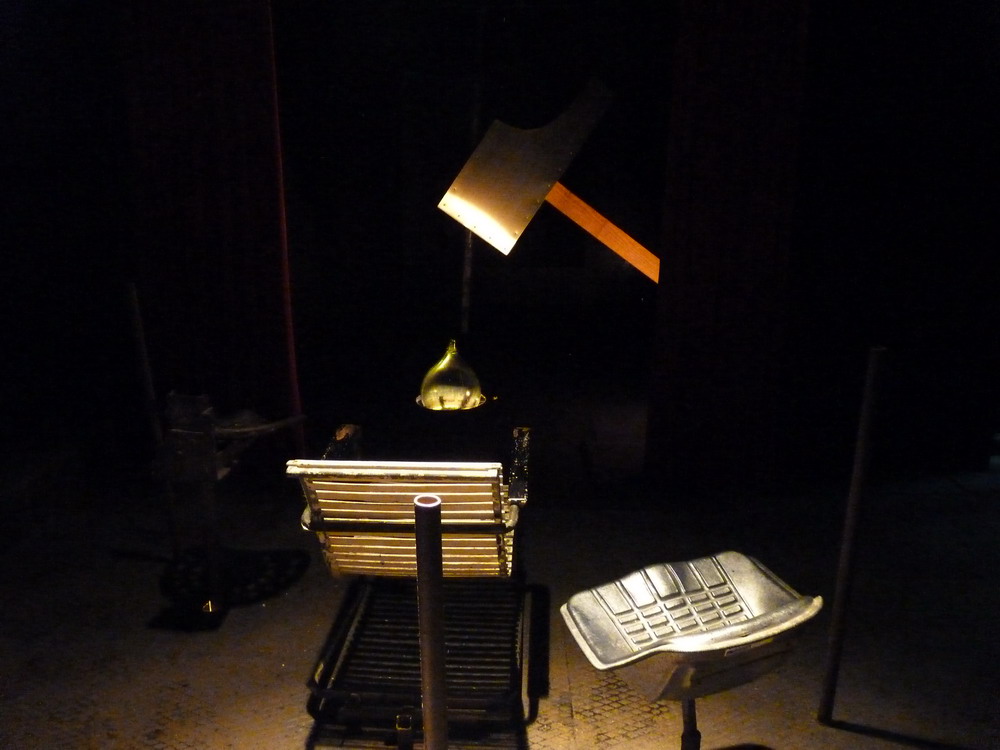
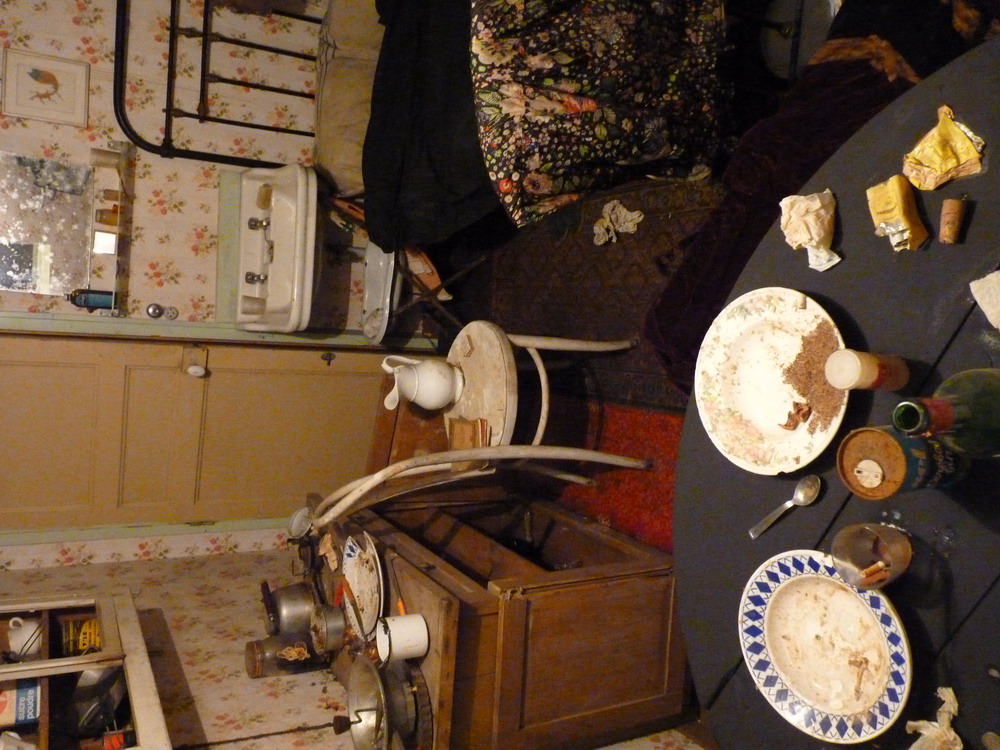
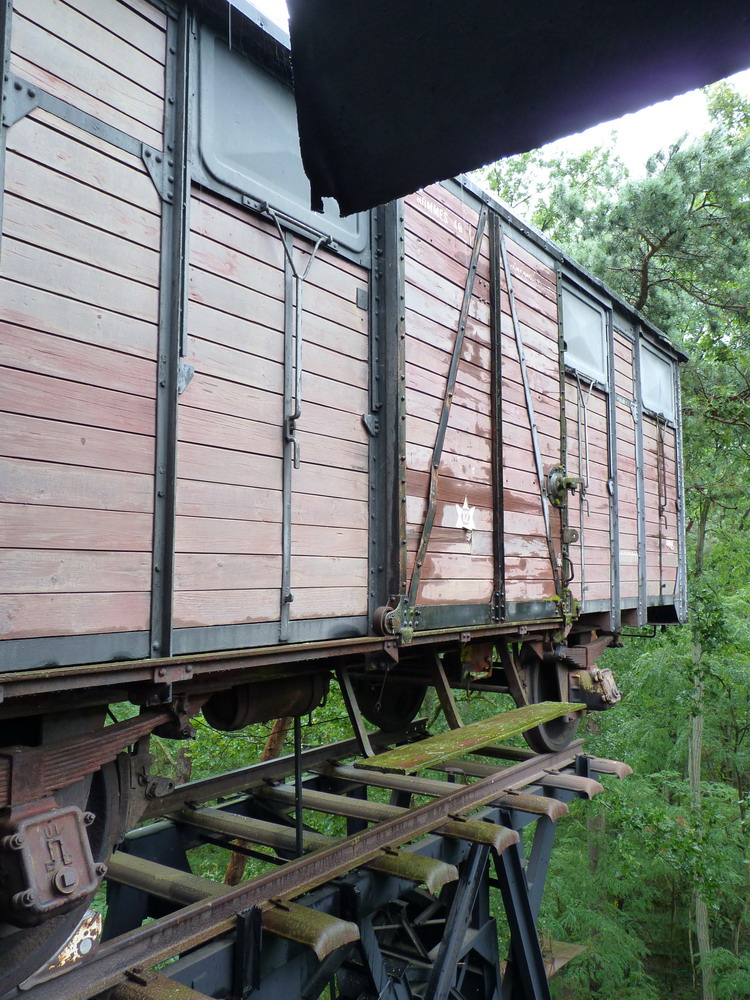
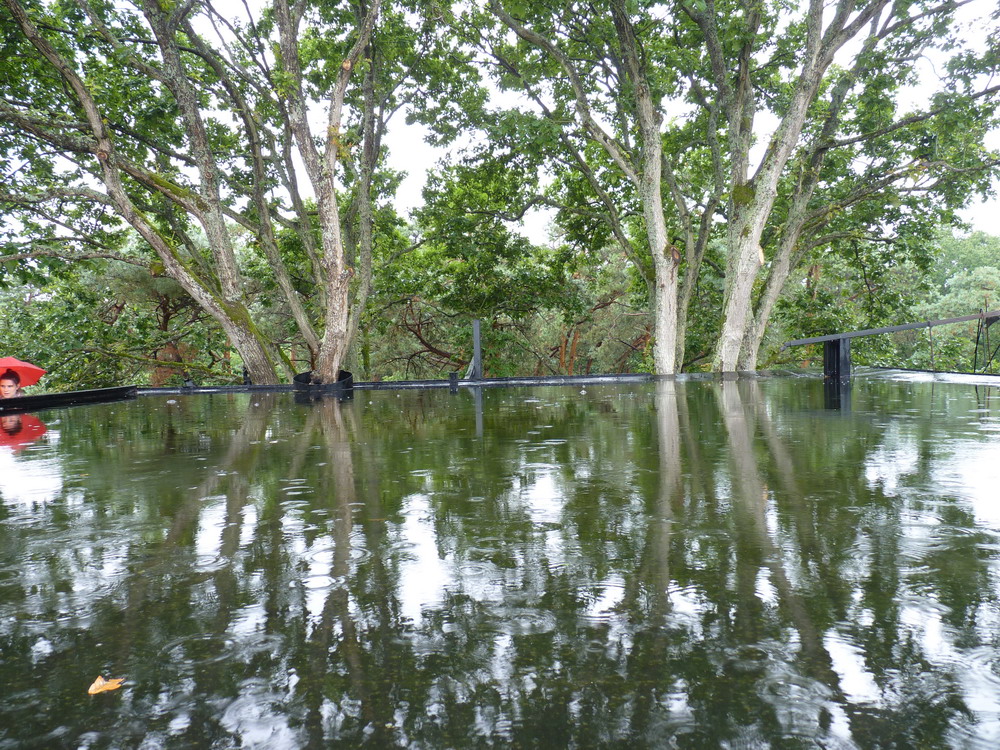
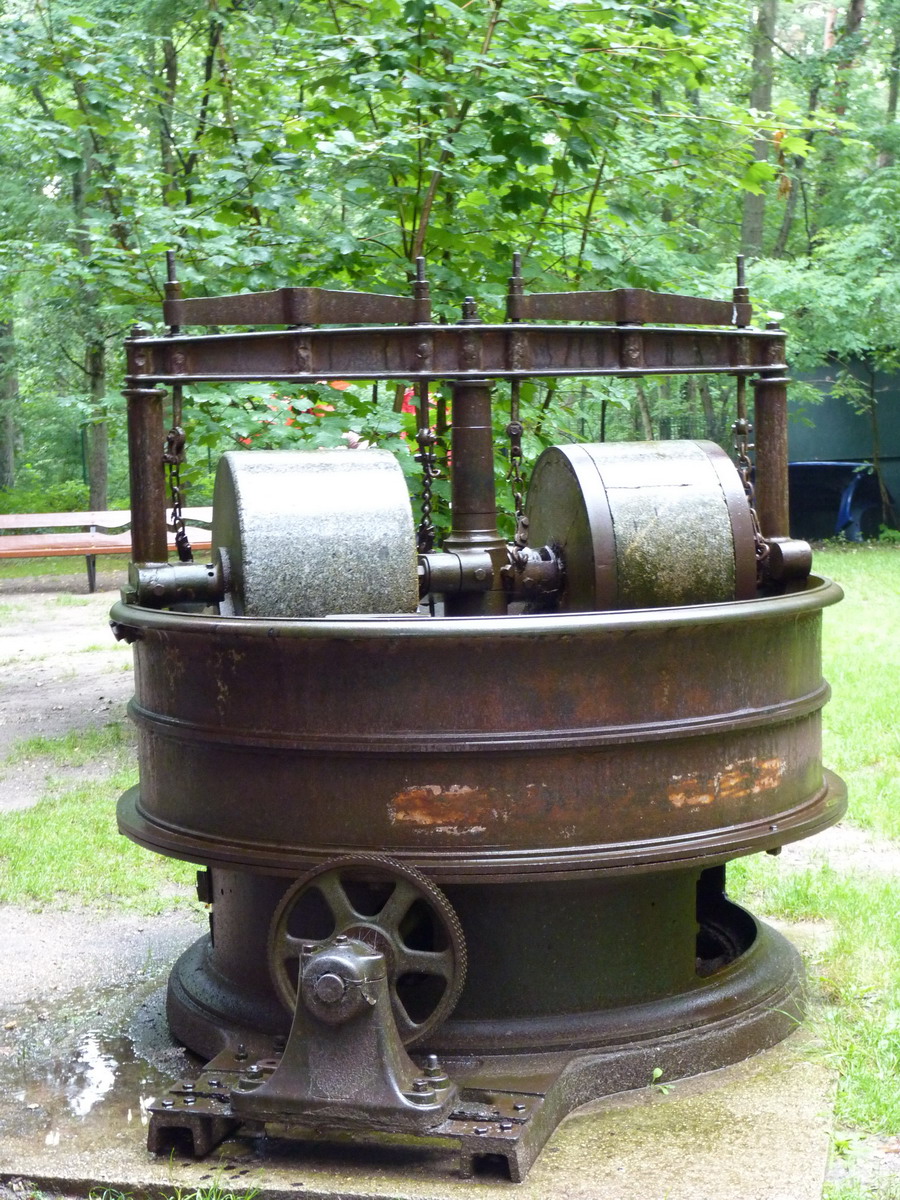
"The Cyclops" is a unique modern sculpture-monument of whimsical fantasy, hidden within the dense forest. It is a masterpiece full of imagination by famous modern artists Jean Tinguely and his wife Niki de Saint-Phalle. They invited many famous artist friends to collaborate on this extraordinary artwork. Standing 22.5 meters high, it is sculpted from thick steel and constructed with mixed media—a remarkable machine overflowing with fun. It consists of numerous interactive and kinetic installation artworks. It is named after the highly dramatic and ingenious design of the Cyclops by Niki de Saint-Phalle. It is an exceptional work representing the culmination of the French New Realism artists of the 1960s, completed through the selfless contributions of Jean Tinguely’s close artist friends, such as César’s compressed cars, Arman’s accumulations, Spoerri’s trap-objects, Rauschenberg’s hazardous objects, Jean-Pierre Raynaud’s measuring and carving rulers, Duchamp’s coffee grinder, and finally, a blue water pool mirror paying homage to his close friend Yves Klein.
This Cyclops is divided into five levels, each quite peculiar. Entering this magical artistic core reveals surprising discoveries everywhere, like an adventure action. Shuttling through its body, everything within sight is full of surprises, highly inspiring, leaving endless aftertastes.