Markus Lupertz – "Nude Back" Solo Exhibition
(Up) Daphne 350x150x150cm, 2003. (Below) Nude Back Nus de dos 190x130cm, 2006. Markus Lupertz's "Nude Back" solo exhibition runs from Feb 2 to Mar 12 at France Gallery. In this Paris gallery, viewers see not only new contemporary art trends...
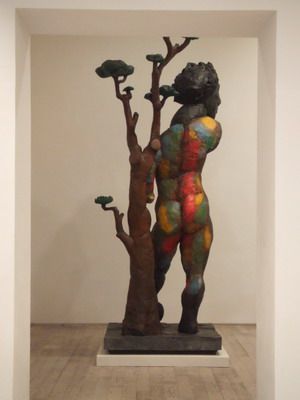
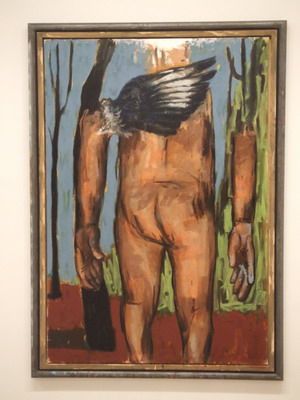
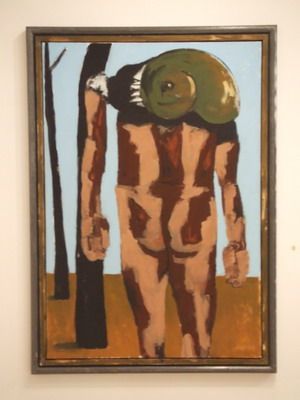
(Up) Daphne 350x150x150cm, 2003. (Below) Nude Back Nus de dos 190x130cm, 2006. Markus Lupertz’s "Nude Back" solo exhibition is on display at France Gallery from February 2 to March 12. Within the Paris gallery, one can see not only new information on contemporary art trends, but also continue to appreciate some representative masters of recent years.
We are not unfamiliar with Lupertz (born 1942), who is one of the most representative painters of German Neo-Expressionism in the 1980s. After Neo-Expressionism liberated concrete forms and unleashed passionate, unrestrained colors and intense sensibility, viewing Expressionist painting today seems somewhat outdated. Is this a result of visual laziness (the feeling of having seen it before) or people’s trend-driven desire for novelty? The new seems to change the face of the era and offer fresh perspectives without mercy amidst the arrogant consumption and fashion of current trends. Today, amid globalization, competition is more intense, short-lived, and ambiguous, seeking institutional footholds and partial market economic values.
Lupertz’s "Nude Back" painting series, within a postmodern elegant painting style, features strong (headless) male nude backs combined with lukewarm colors and symbolic feathers, military helmets, leaves, and shells. Set against wilderness scenes, these elements metaphorically depict historical situations that appear somewhat desolate. This retrospective approach to history, retrieving past memory images, is a form of nostalgia or a reconstruction of contemporary human social behavior and thought? Is this nostalgic painting a frustration when facing the future? Or is it an awakening of humanity under contemporary excessive immersion in mechanized modern civilization, attempting to restore the basic human essence of art—a new humanism?