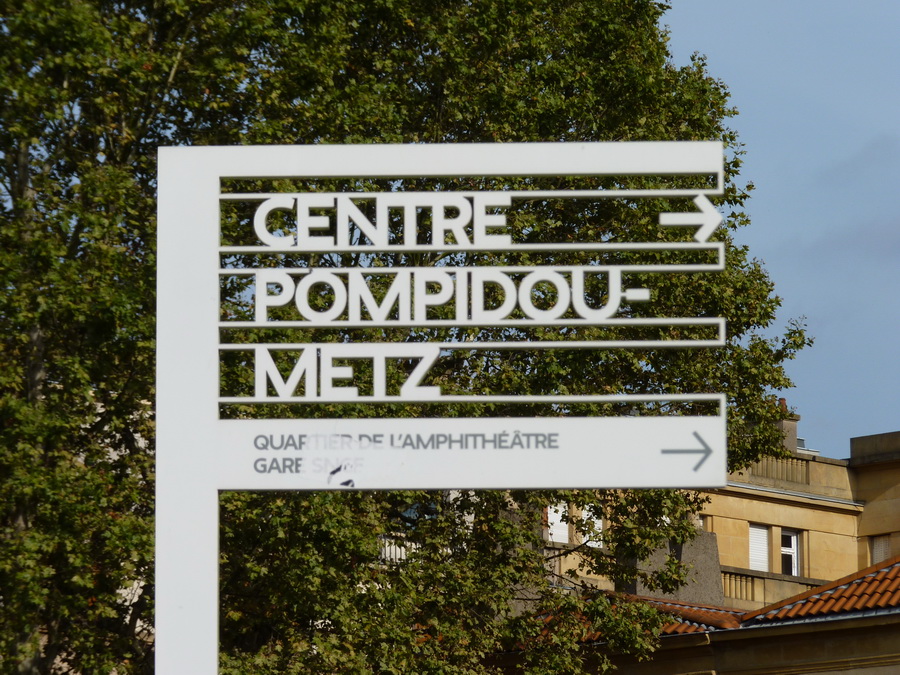
Centre Pompidou-Metz
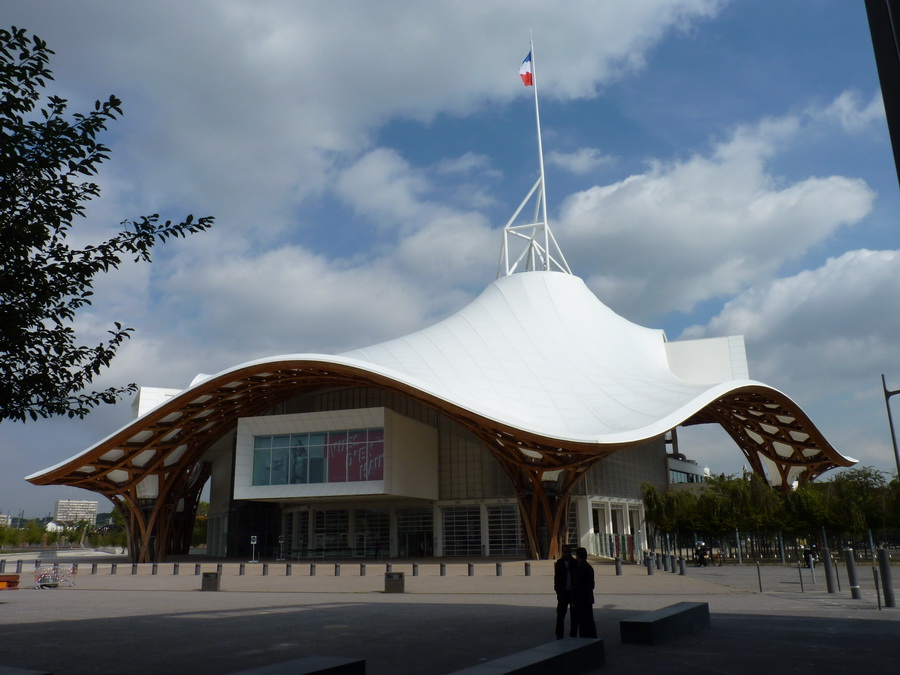
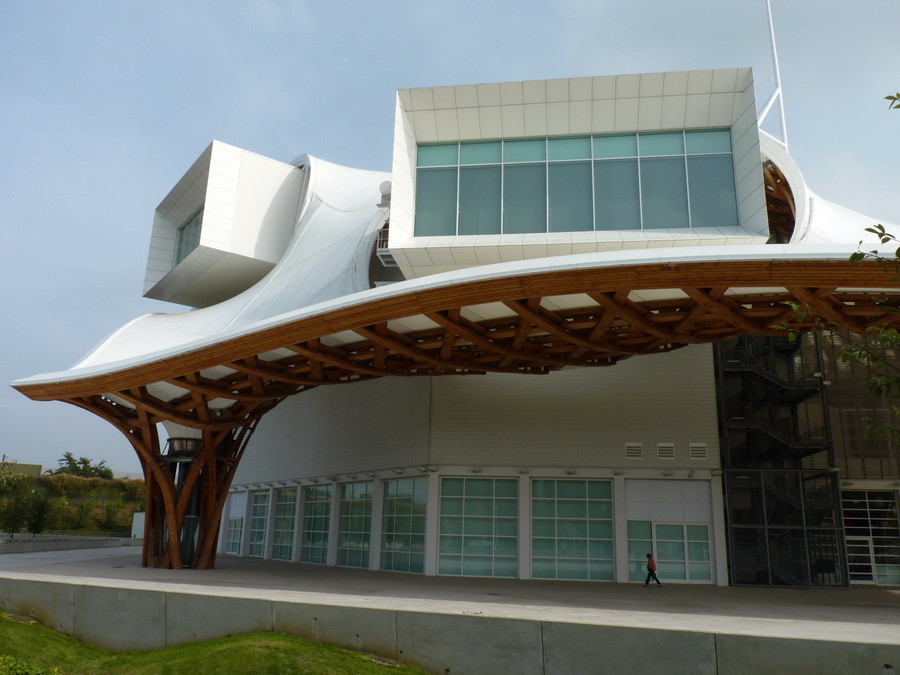
A panoramic view of the Centre Pompidou-Metz, resembling a white bamboo hat.
Text and photos by Chen Chi-Hsiang. The era of museums springing up like bamboo shoots after rain is a phenomenon unique to postmodernism. Regions across Europe and America all aspire to possess their own art museums or cultural centers, aiming to reconstruct local cultural value and impact. Clearly, culture has become a tourism resource and a new source of energy for localities, with the expectation of developing new industries and generating economic value. A representative example is the benefit derived from the Guggenheim Museum Bilbao in Spain.
The Centre Pompidou-Metz branch is currently the most representative architectural masterpiece of the Meurthe-et-Moselle department. It was clearly intended to drive local industry and economic effects, harboring the ambition and vision to revitalize the cultural tourism industry. Metz, a cultural ancient capital, has hosted literary carnivals, young talent carnivals, and music carnivals since 1987. It regularly holds second-hand markets and international trade fairs every year. In 2007, Metz became the European Capital of Culture. On May 12, 2010, the opening of the Centre Pompidou-Metz branch ushered in a new era for the cultural industry. It has become the most visited museum in France outside of Paris and the most creative tourist attraction in Meurthe-et-Moselle, aiming to recreate a new industry of cultural tourism and stimulate new business opportunities throughout the region.
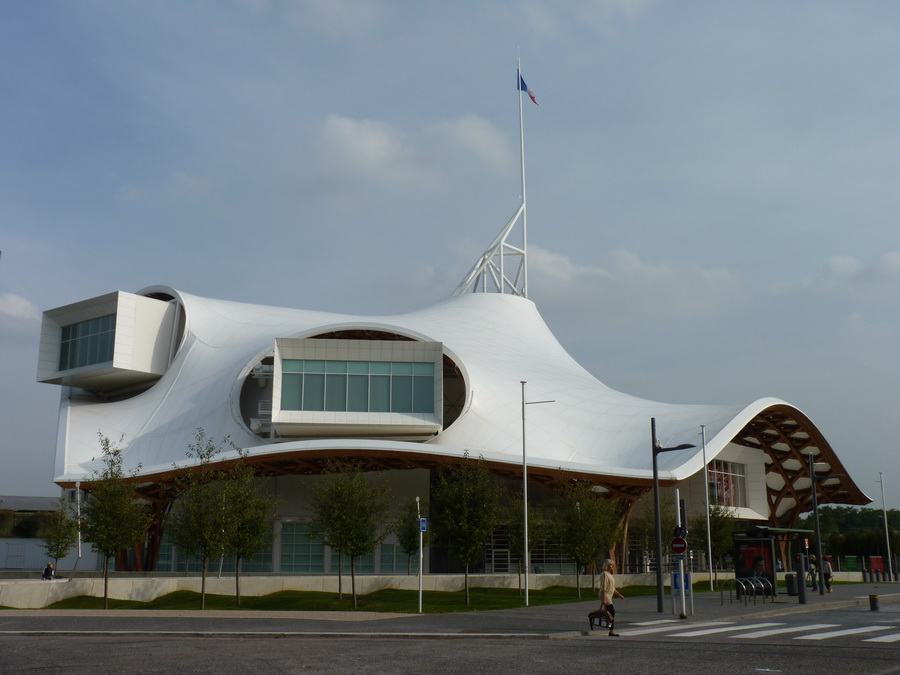
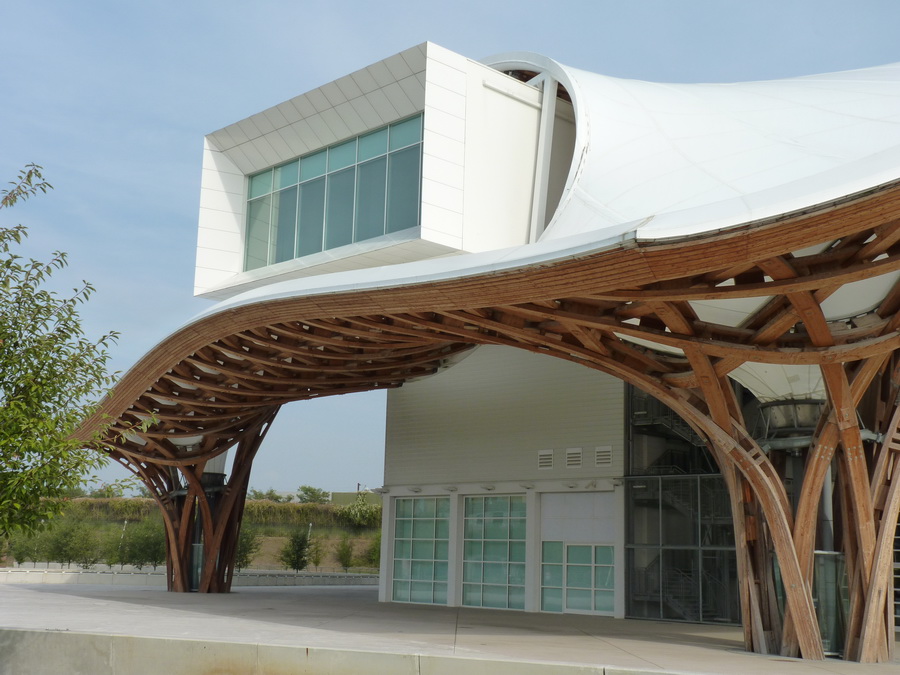
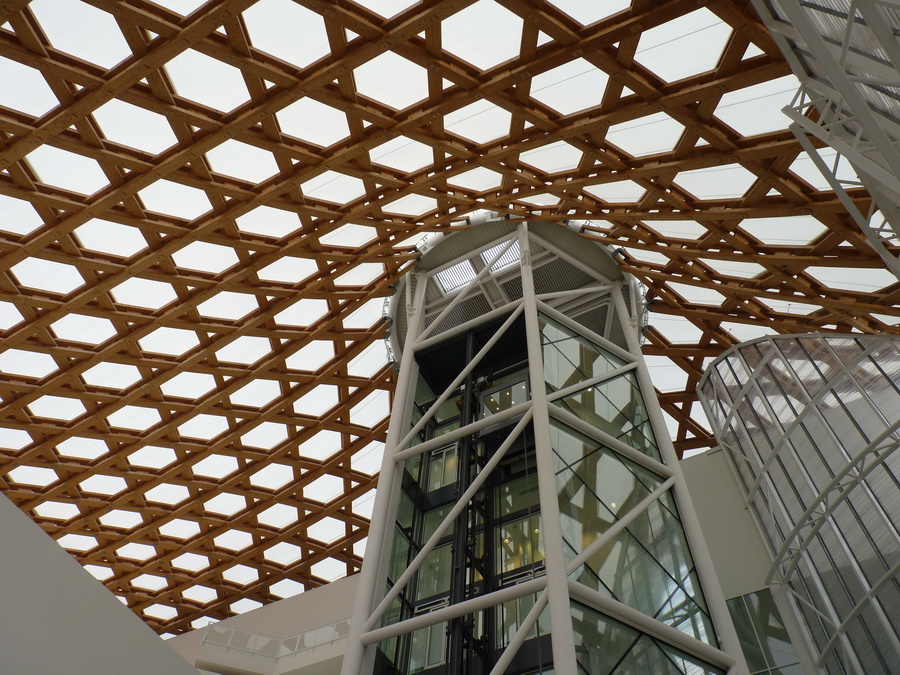
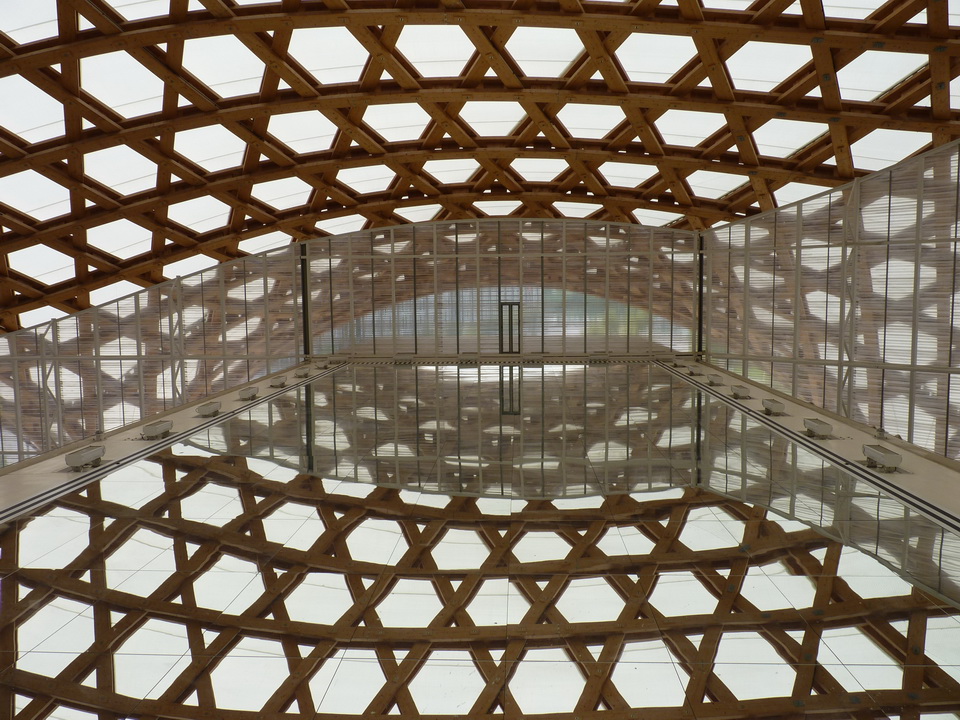
This "white bamboo hat," the Centre Pompidou-Metz, was designed by Japanese architect Shigeru Ban and French architect Jean de Gastines. Inspired by the shape of woven bamboo hats, it conveys an architectural concept rooted in Eastern thinking. Since the original Centre Pompidou in Paris was completed in 1977, the Metz branch echoes it through its height of 77 meters. The building presents contemporary architectural aesthetics with diverse, composite, and natural tension. Famous for its bewitching white structure, many visitors come specifically because of the architecture—I am one of them. Due to budget cuts, the scale was reduced, yet it remains unique and grand in its layout.
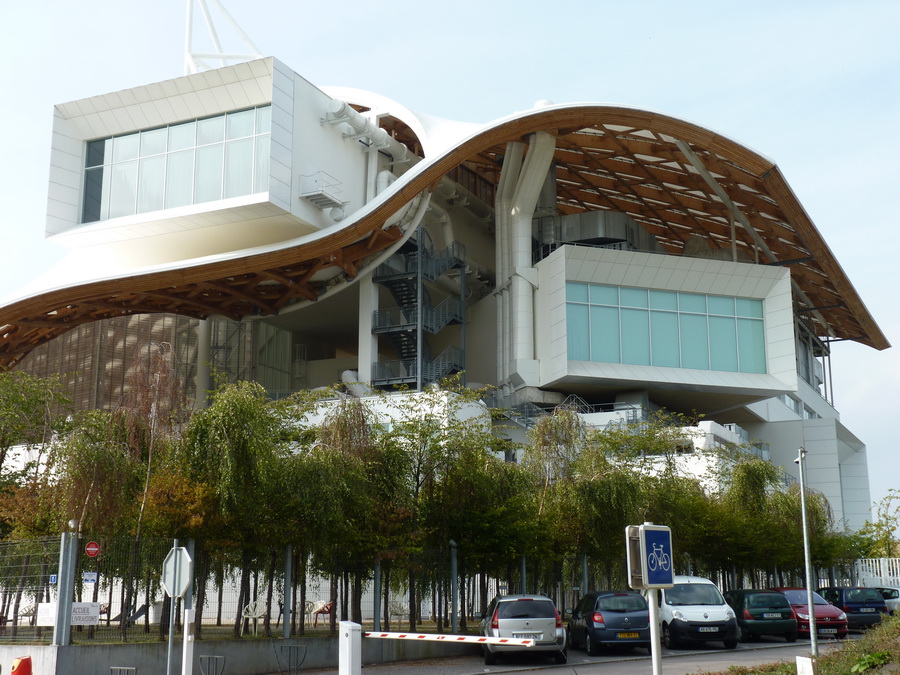
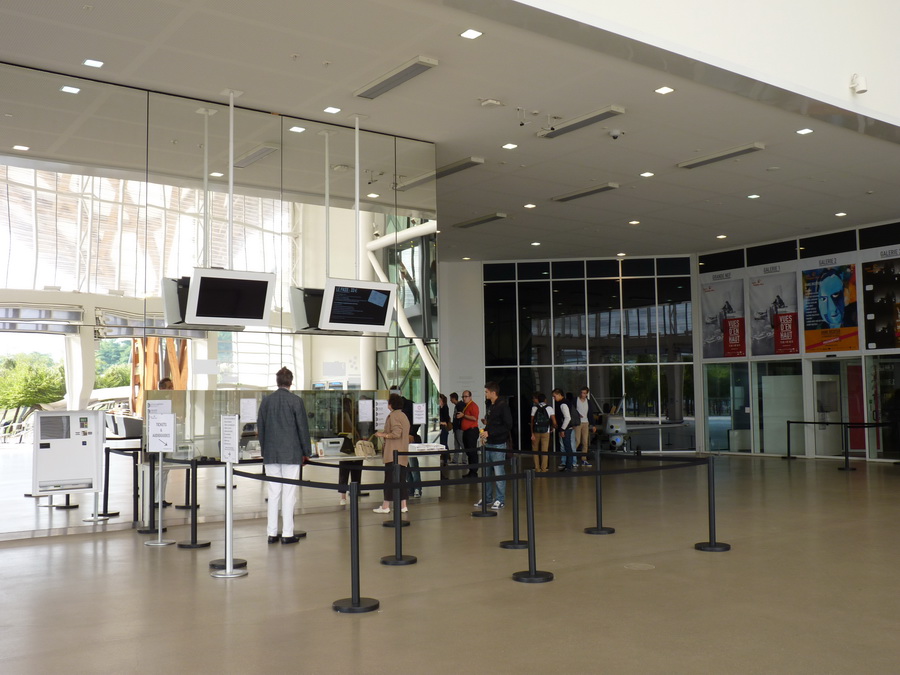
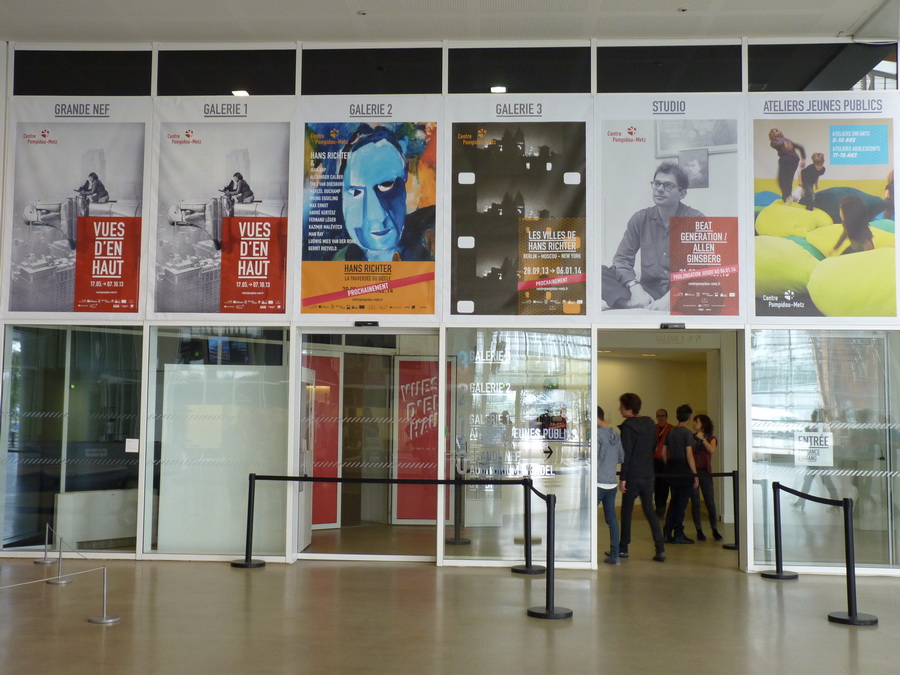
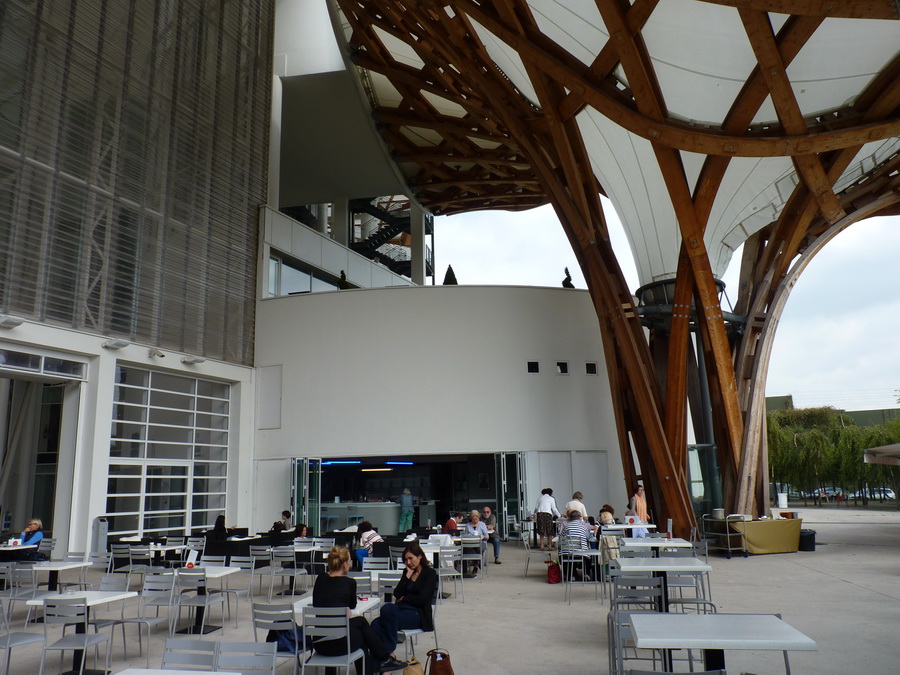
The Centre Pompidou is planned over three floors. The ground floor entrance features an open space with ticketing and a bookstore; the exhibition halls are located to the right. An open atrium core connects the three upper exhibition levels via an elevator shaped like a monument, which also serves as the support structure for the "hat" at a height of 37 meters. Outdoors, there is a leisurely café and restaurant, which is the public space most favored by visitors (often attracting more people than the exhibition halls themselves). Under the shade of trees, lounge chairs provide a space for tourists to rest.
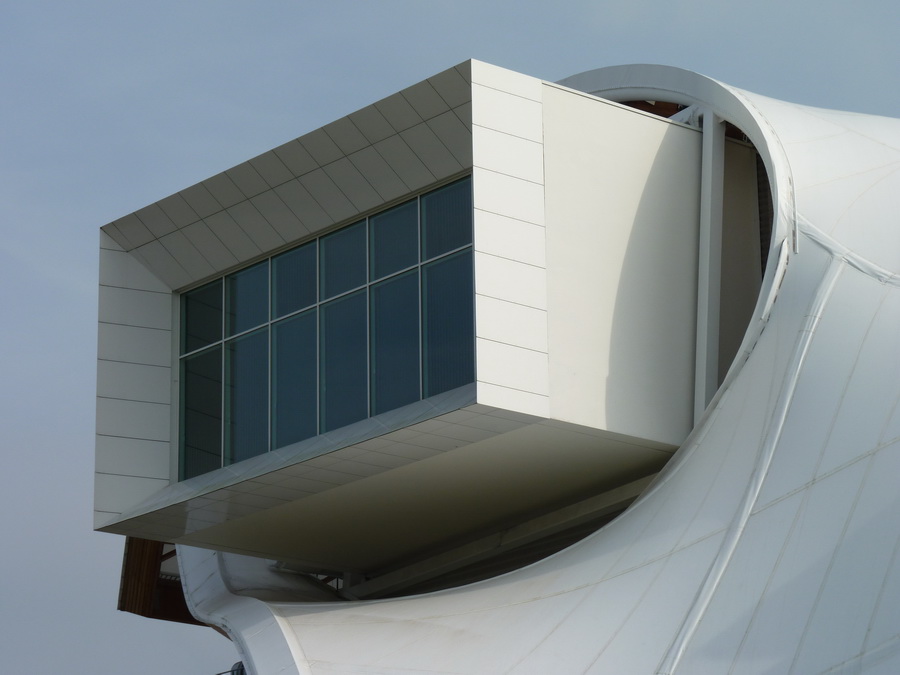
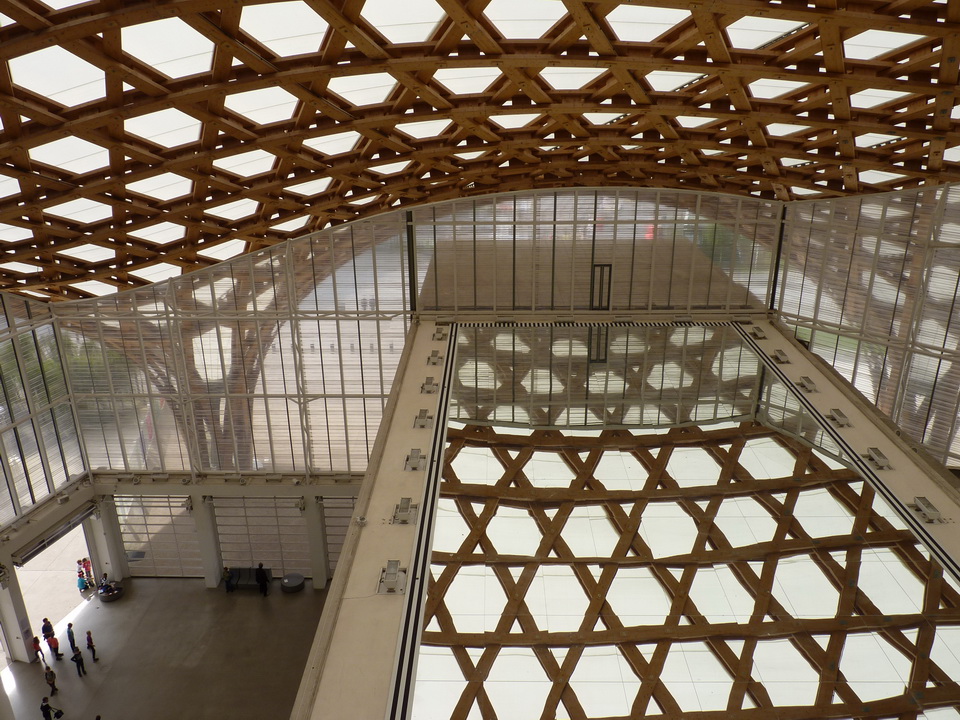
Located behind the train station, the Centre Pompidou sits in a newly developing commercial district. It serves as a landmark for urban extension. Three rectangular skylights on different sides of this "white hat" offer views of the cityscape. Each gallery is 80 meters long, 7 meters high, and 15 meters wide, forming three main exhibition spaces:
The first gallery is 7 meters above ground, with a west-facing skylight directly opposite the Sainte-Thérèse Church. The second gallery is 14 meters above ground, with a northwest-facing skylight (facing the main entrance), offering a view of the historic train station. The third gallery is 21 meters above ground, featuring two skylights—one facing north toward the distant cathedral and city center, and another facing west toward the future new district of the metropolitan theater.
On the balconies of the second and third-floor exhibition halls, visitors can admire the magnificent internal structure of the "hat" and its dramatic support structures reflected in mirrors, a masterpiece by renowned French artist Daniel Buren.
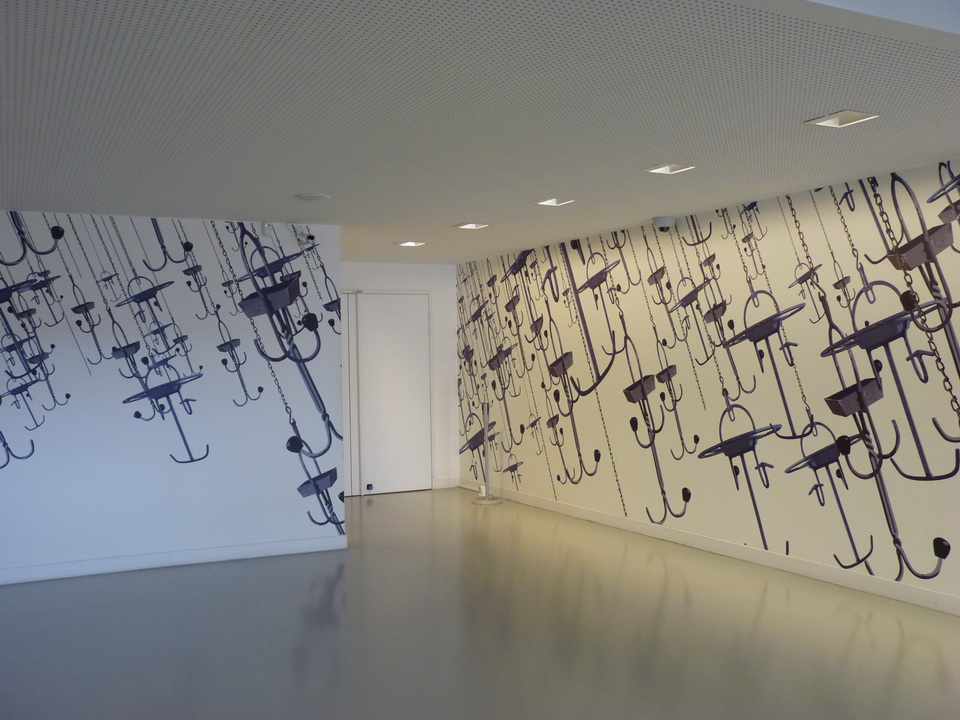
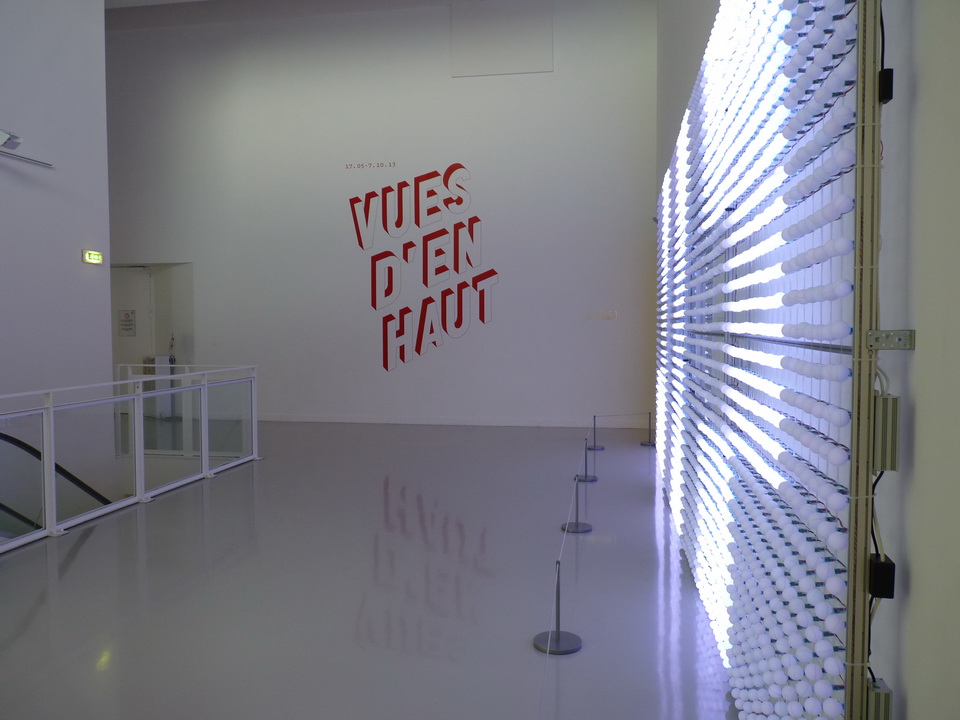
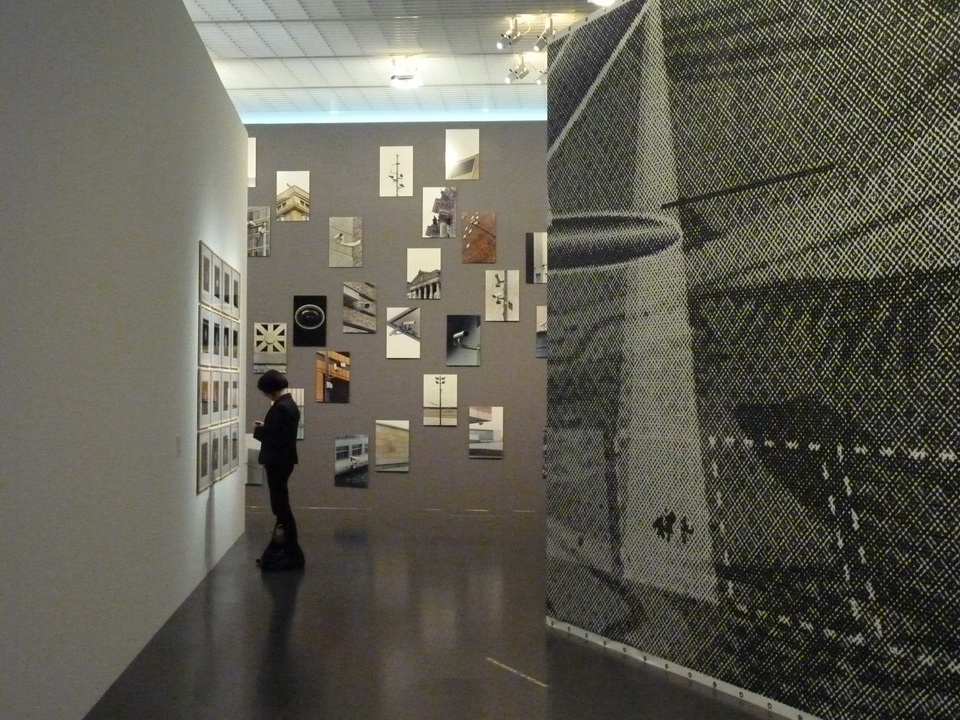
The Centre Pompidou is not strictly an art museum but rather functions like a cultural center, as it does not hold permanent collections (unlike the National Museum of Modern Art within the Paris Centre Pompidou). Its focus is on regular thematic exhibitions of modern and contemporary art, such as "Bird's Eye View." Most works exhibited come from the rich collections of the National Museum of Modern Art in Paris, ensuring international standards. Amidst extensive media promotion and the cultural tourism industry in Meurthe-et-Moselle, the distinctive architecture aroused people's curiosity. Visitor numbers have been continuous since the opening of the Centre Pompidou-Metz branch. However, three years later, the anticipated economic and tourism benefits have not materialized. In the context of national budget shortages, it has instead become a financial burden for provincial and municipal governments.
Although the Centre Pompidou will not degenerate into what Taiwan calls a "mosquito building" (a vacant, underutilized structure), it has at least become a local center for aesthetic education. Almost daily, batches of primary and secondary school students from France and neighboring countries enter to immerse themselves in this container of humanities and art. It serves as a field for cultivating aesthetic sensibility in life. It is also a space for retired seniors in Europe to spend their leisure time, or a place where art enthusiasts who came out of admiration can enjoy an artistic feast.