Paris Capital Nature "Nature capitale": An Alternative Agricultural Exhibition
An extraordinary pastoral symphony on the Champs-Élysées
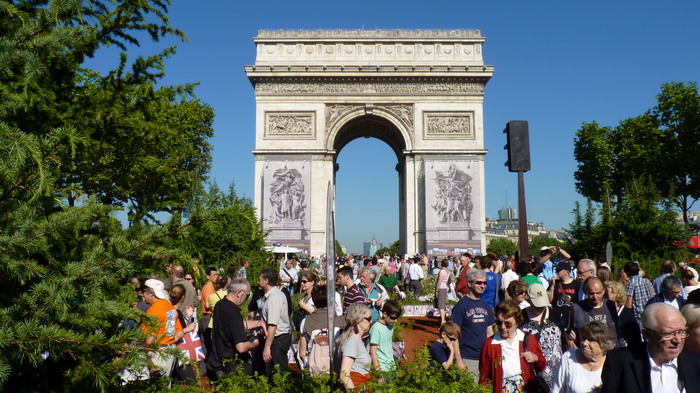
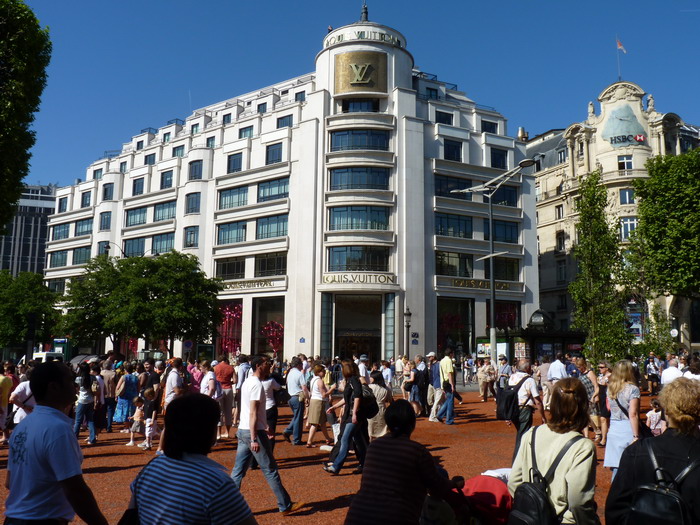
Text and photos by Chen Chi-Hsiang. The world-famous Champs-Élysées immediately brings to mind the majestic Arc de Triomphe, the Grand Palais, the Petit Palais, the Place de la Concorde, and numerous luxury brand stores (like LV), grand hotels, restaurants, and cafés where businesses gather. This avenue can be said to be a renowned showcase for French industry, commerce, art, culture, and fashion. Many major global events choose to be held here, such as the Paris Marathon or the Tour de France cycling race. Important holidays are no exception, like the annual Bastille Day military parade, or the various celebrations when France wins a championship, which invariably proceed from the majestic Arc de Triomphe down the avenue joyously to the Place de la Concorde. It is also the gathering place on New Year's Eve where tourists from around the world and Parisians congregate for a jubilant countdown. Even major national protest marches occupy the Champs-Élysées. From Christmas to the New Year, this grand avenue is brilliantly lit. These events, intentionally or not, provide unparalleled advertising for the Champs-Élysées, making it a must-visit destination for pilgrims to the City of Light.
Parisian style is indeed different, possessing a strong "soft" power—that is, creation. Innovation is the fundamental condition for leading trends. All growth is built on creativity; creative vitality is the root of civilizational evolution. Many of Paris's events have become models for recreation in major cities worldwide, from France's Fête de la Musique, Heritage Days, Paris's Nuit Blanche, the Paris Plages, and all-night museum openings—these popular public recreational activities all originate from creative Paris. The popularization of cultural and artistic recreational activities, deeply rooted in public culture, is undeniably quite successful.
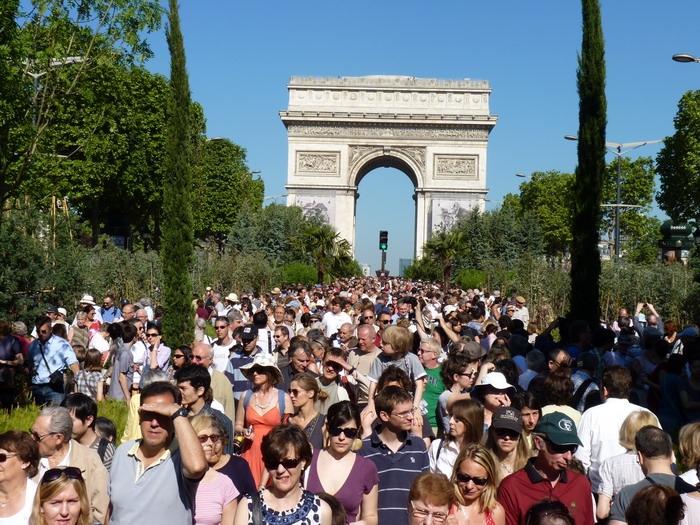
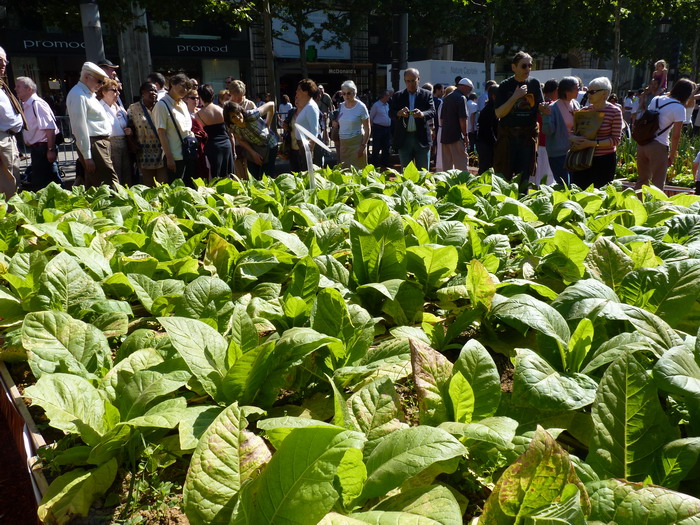
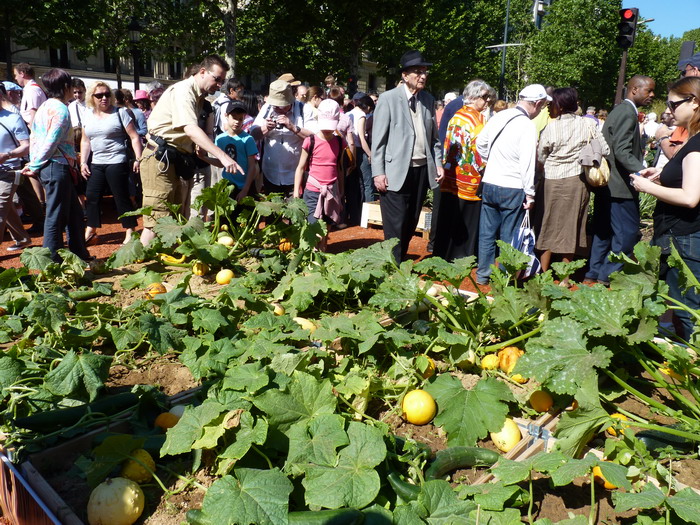
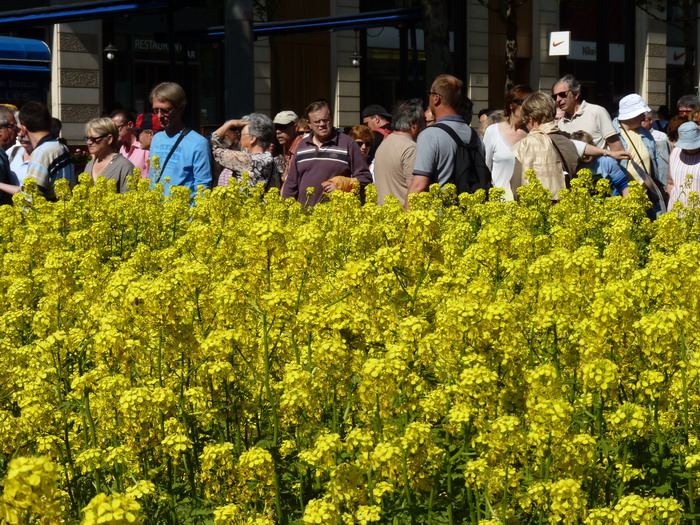
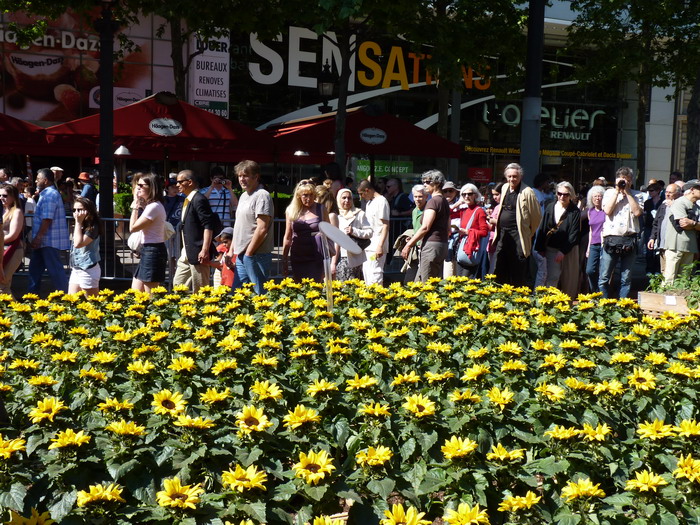
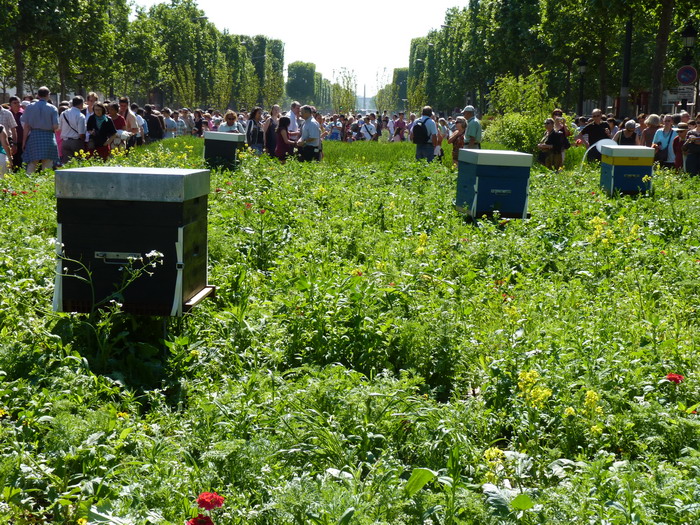
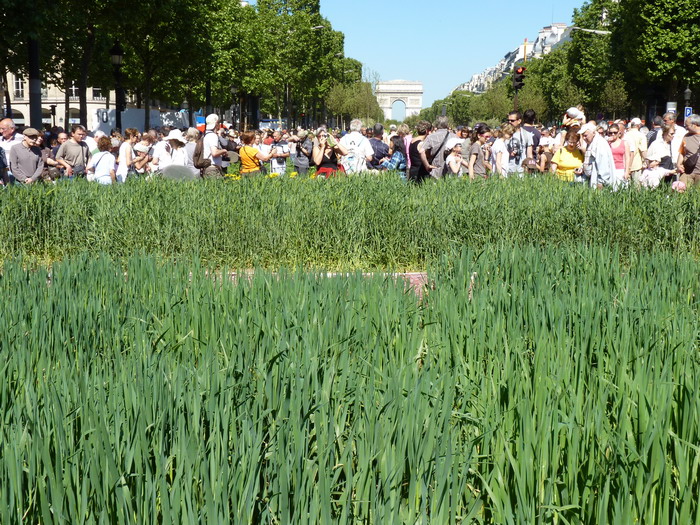
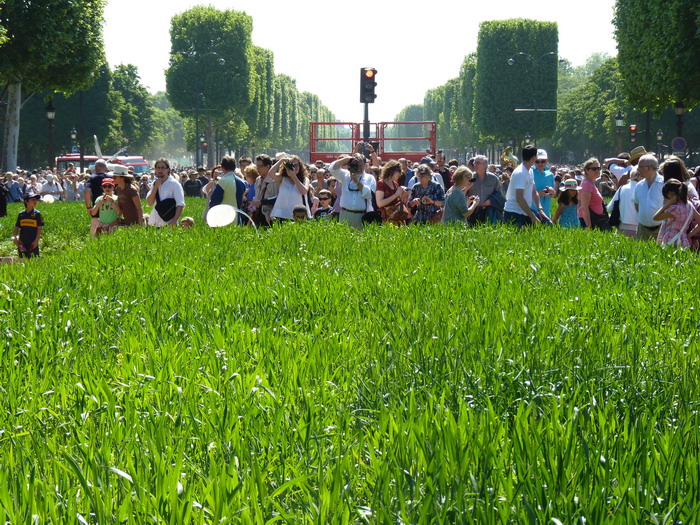
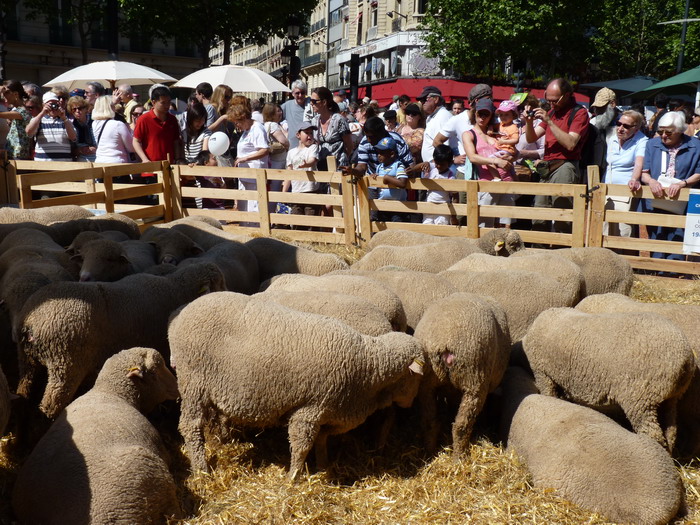
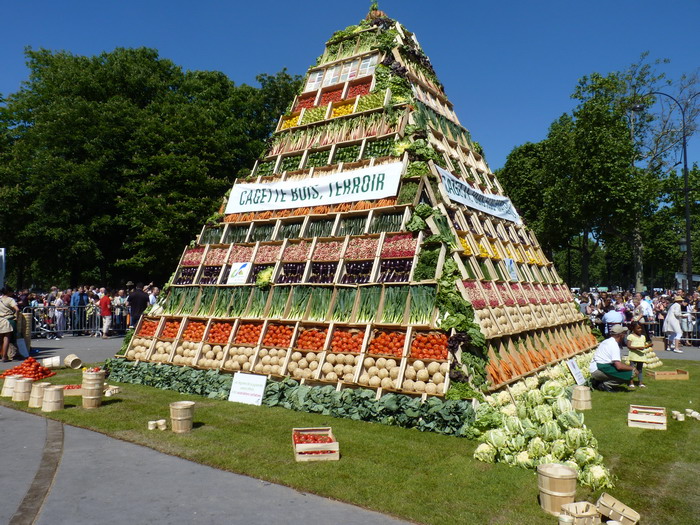
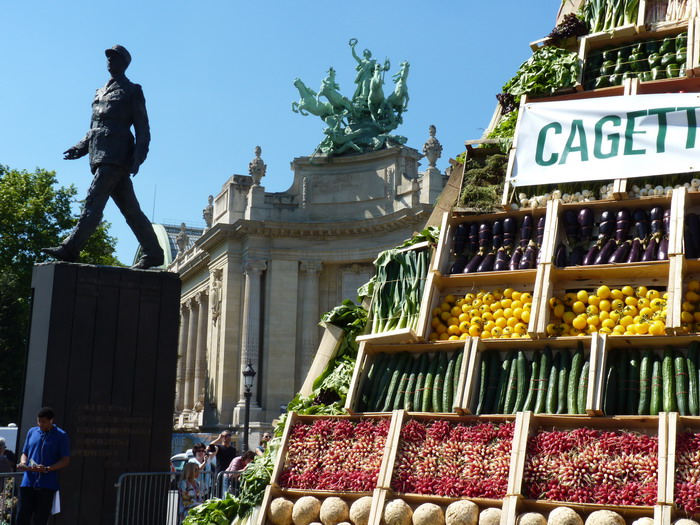
Paris itself is a grand stage for the world's industry, commerce, and cultural exhibitions, with an endless array of exhibitions and various salons throughout the year: agricultural shows, fashion design, chocolate and bread, wine, book fairs, electronics, computers, textiles, antiques, contemporary art, and even second-hand clothing shows. More ingeniously, the alternative agricultural exhibition (May 23-24) transformed the Champs-Élysées into a bright and beautiful field landscape. This exhibition, planned by the Young Farmers' Union, under the doubly metaphorical title "Nature capitale"—meaning natural capital, capital nature, or capital nature—also expresses that nature is humanity's most essential asset and should be cherished and sustainably developed. Overnight, the Champs-Élysées became patches of farmland, orchards, forests, and farms with cattle, sheep, and poultry, stretching from the Arc de Triomphe to the Rond-Point.
On these mild, sunny May days, the two short days attracted huge crowds—nearly hundreds of thousands (300,000) of city dwellers—as if Parisians had never seen nature before. Here, every flower, plant, and tree seemed exceedingly precious; it felt as though Parisians had never been so close to flora. Thus, the weekend attracted many Parisian families to stroll through the Champs-Élysées fields, viewing this extraordinary scenery, taking a very alternative walk through these Champs-Élysées fields—hard to imagine the Arc de Triomphe standing amidst a wild, rural park. This alternative agricultural exhibition awakened urbanites' concern for nature, highlighted the current plight and future of agriculture, and attracted attention from global mass media.
The alternative exhibition was not only successful in conveying the perspectives of natural capital and the sustainable management of Earth's resources, but the creative concept of the exhibition itself was also successful. It is said that this extraordinary agricultural exhibition will be exported to Berlin, Germany. This undeniable soft power has become France's most important creative asset; evidently, France's annual cultural and creative output is unimaginably large, making it quite a valuable reference in this regard.