Suburbs of Paris (1)
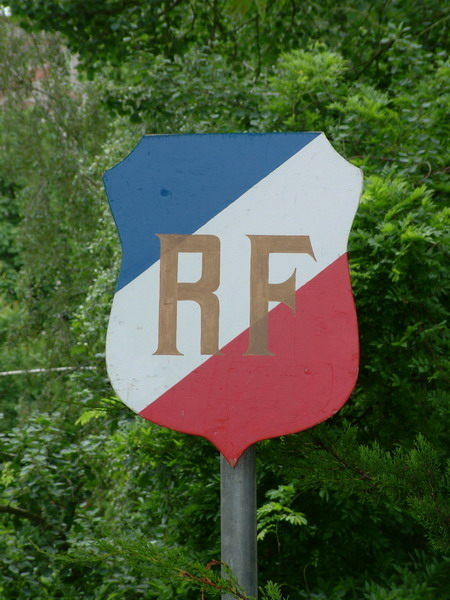
Icons representing the French democratic republic
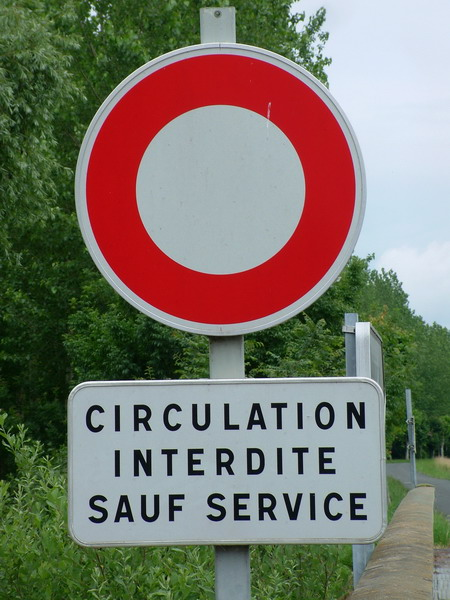
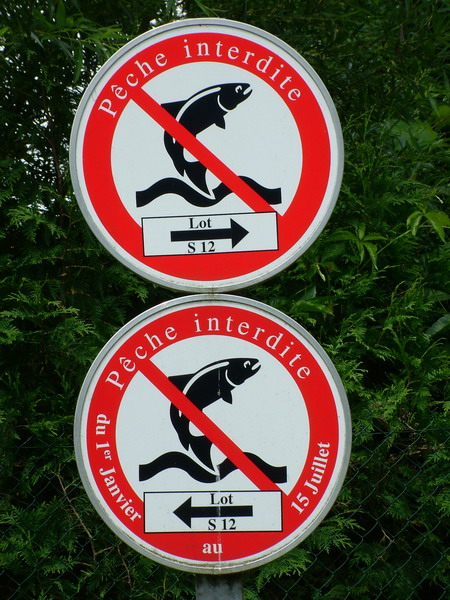

The diagram marking intervals of 19 along the canal. Living in Paris and becoming a Parisian, whenever one has leisure time, they go out for a walk; these relaxed moments are always the most pleasant. Relaxing body and mind opens up spirituality. Walking has become a tradition in the daily lives of the French, and numerous French gardens and green spaces prove that this nation loves leisure and pastimes. The reputation of the City of Light—Paris—proves not only an aesthetic preference but also a fondness for leisurely wandering within its beautiful surroundings. What is frequently heard here is "Let's go for a walk," whereas in Taiwan, those two words are rarely heard; instead, people often say "Let's go shopping." This clearly indicates a cultural difference, proving the urban forms and living situations across the world.
Parisian metropolitan life—walking—has become a custom and ritual. Whether busy or free, everyone makes time to roam or stroll. There is no need for a specific destination; after running errands or having a date, if one does not wish to take a vehicle, they simply walk or wander home. After all, Parisian sidewalks are wider than roadways, and every place in Paris offers unexpected street scenes or unusual sights. Frequently discovering Paris through these accidental journeys is the best way to know it. Walking is not just cultural; it involves the body. It is the most natural exercise (at least five thousand to ten thousand steps daily), regulating the pace of life and state of mind. Along the way, one finds both amusement and scenery, often encountering unexpected surprises. As you can see, walking has many benefits.
In Paris, the spaces for strolling or walking are not limited to outdoors (parks, forests, cemeteries, sports fields, green spaces, boulevards, streets, etc.), but also extend to major museums and art galleries. Wandering through the humanistic forest of various arts and historical artifacts, or visiting flea markets, becomes a form of intellectual leisurely walking. Visiting department stores is another matter entirely.
During this breezy and sunny vacation period, it is even more a time for outdoor leisure, sports, and walking. The Paris Beach organized by the city hall every year is not just for the tourism industry, aiming to attract Parisians who do not leave the city for holidays to enjoy the azure coast scenario; it also hopes everyone comes here to sunbathe and stroll. Leisurely walking has long been part of my Parisian life. Looking at the website "My Paris, My City" reveals my love for embracing the City of Flowers and the City of Art. Discovering the humanities and aesthetics of Paris while walking led me to write two books on Western horticulture (The Aesthetics of Paris Gardens and Western Horticulture), which are the results of my obsession with walking.
Last week, I had the opportunity to accompany friends to Nogent-sur-Seine, a small town in the countryside near Paris, where we practiced Vietnamese Tai Chi and walked. The scenery along the bright Seine River was distinctive but not particularly charming. A few 19th-century buildings, including the town hall, post office, a notable mill building, and a church, along with several shops and bakeries, constituted the characteristics of the small town. Added to this were the large smokestacks of two nuclear power plants in the distance continuously emitting white smoke, forming the rural landscape. With few cars or pedestrians, it appeared exceptionally quiet. In the morning, I mimicked the movements and followed along practicing Vietnamese Tai Chi; in the afternoon, we took a leisurely group walk along the Seine Riverbank. In this unfamiliar place, curiosity always arises. Crossing the riverbed into a dense forest along the riverbank, passing the canal with its shimmering water reflections, winding through pastoral paths, and wandering freely, we spent a wonderful day enjoying ourselves freely.