One of the Most Stunning Works of Paris 2014 Nuit Blanche: Pablo Valbuena’s Light Theater
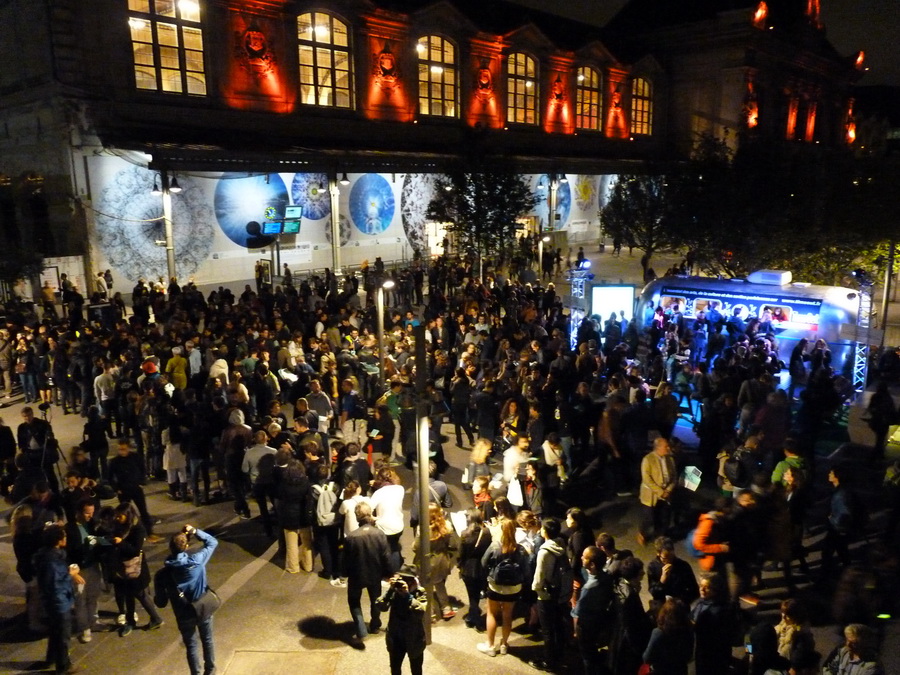
The long queues of visitors at Austerlitz Station
Text and photos by Chen Chi-Hsiang. This year, Paris Nuit Blanche was divided into five zones. I chose to visit only the area near my home, from the Bibliothèque nationale de France (Mitterrand) to Austerlitz Station, and then explored the surroundings of the Panthéon in the 6th arrondissement, spending the entire night wandering. Due to an appointment, I started with the Panthéon district before returning to my neighborhood. The 13th arrondissement has become a street-art zone for graffiti on Parisian walls; this year’s Nuit Blanche added four large-scale street art murals to the 13th. It is hard to imagine viewing these massive murals at night; I was curious whether they were illuminated by projected light to make the walls appear as bright as day.
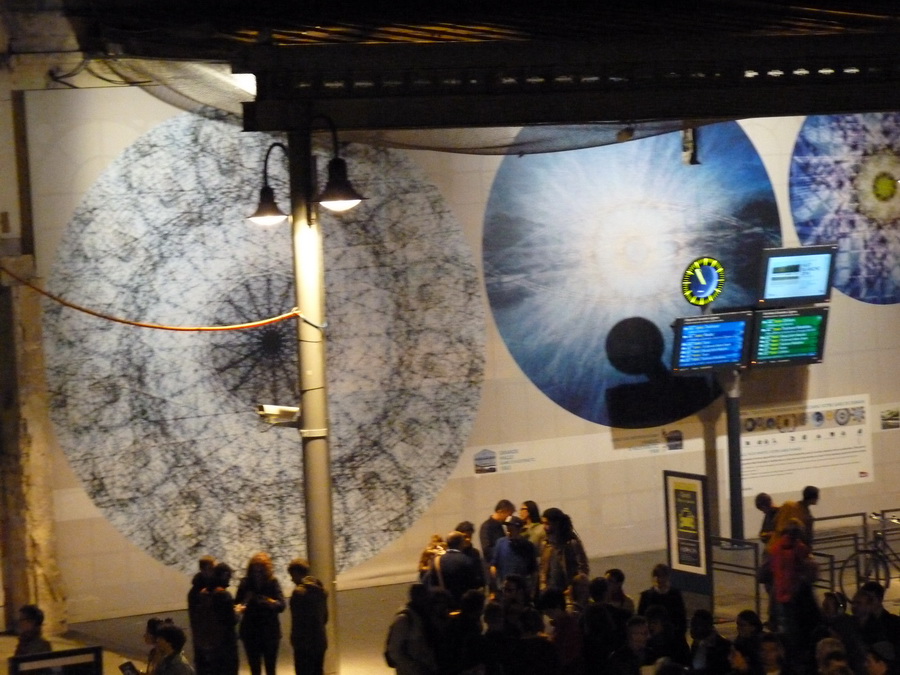
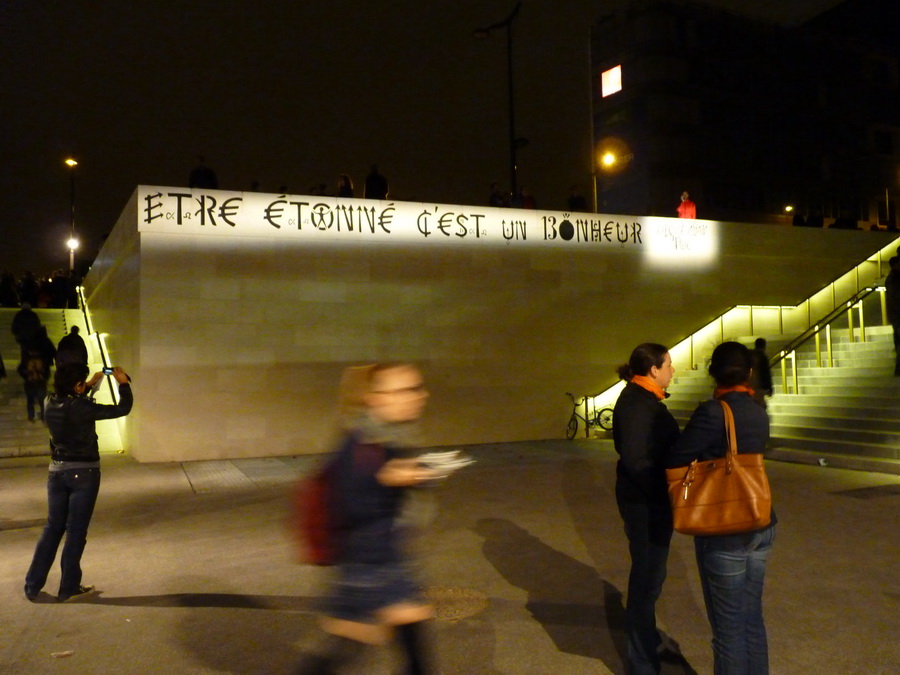
Like previous years, the exhibition areas resembled a bustling market, with crowds flooding in. Families of all sizes emerged, attracting mostly young people. Paris (which is already a city that never sleeps every night from Friday to Sunday) became truly sleepless. Many works caught the eye, such as those by veteran artist Jacques Villeglé on the station walls, reminding us to awaken our sensitive perceptions: “To be astonished is a happiness (être étonné c’est un bonheur).”
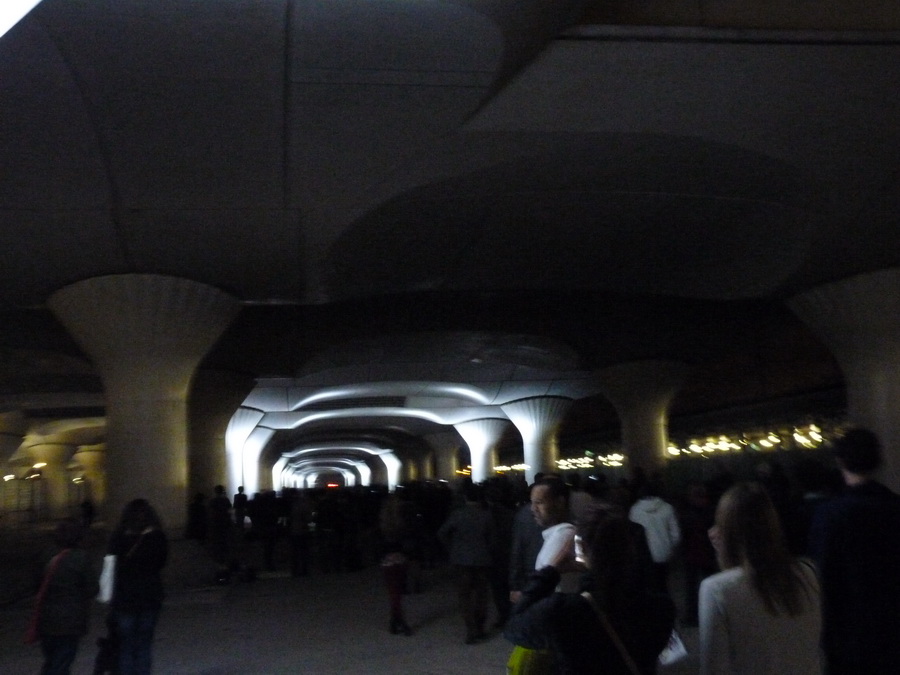
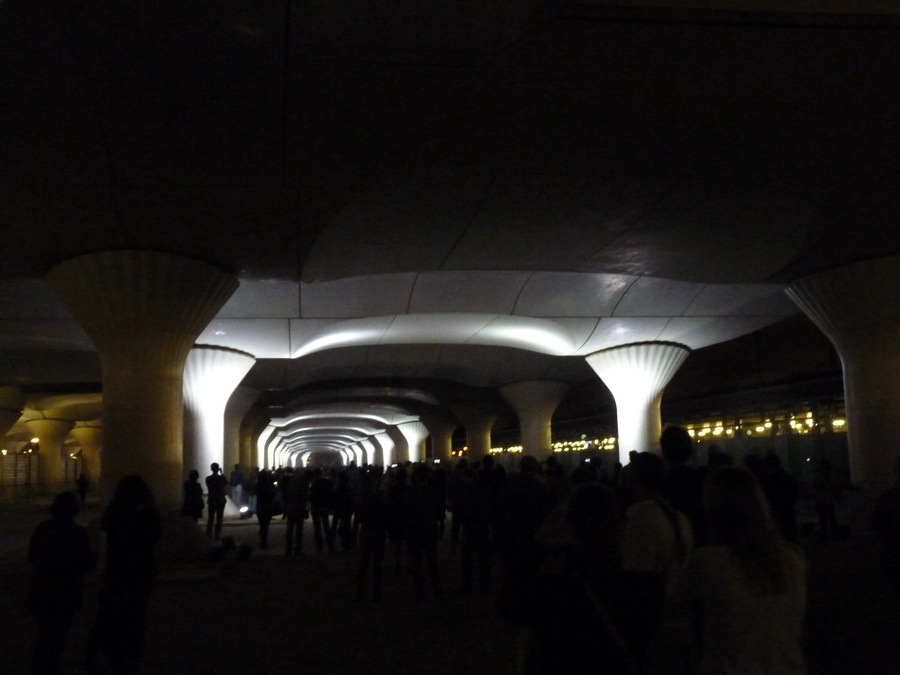
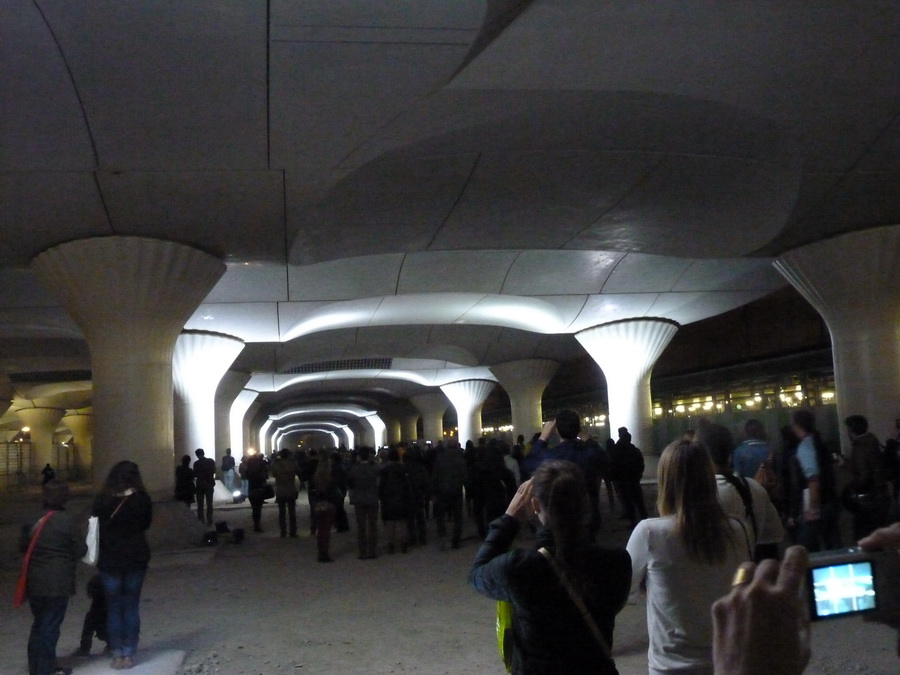
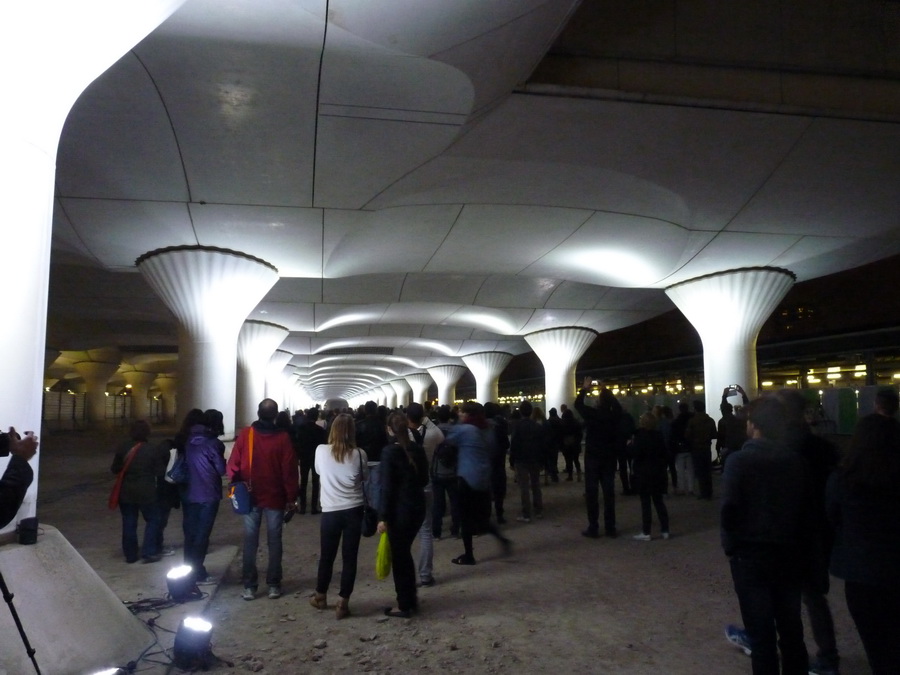
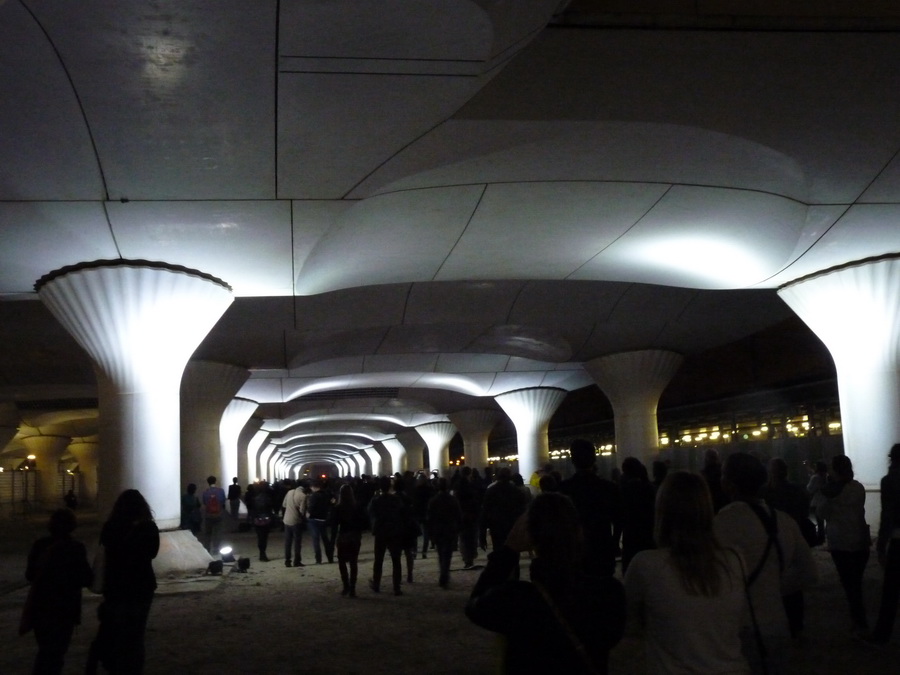
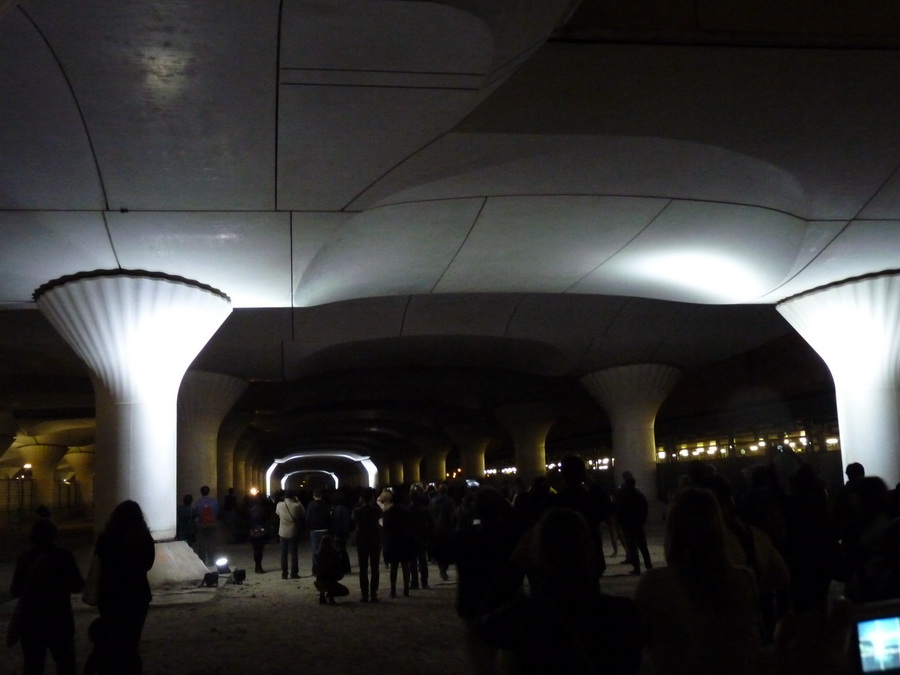
However, the most dramatic scene was inside the under-construction Austerlitz Station, where crowds were packed and queuing. Fortunately, due to the vast space, we entered the exhibition quickly. In the ground-level colonnade between the pillars where there are no platforms yet, Spanish artist Pablo Valbuena (born 1978) created an environmental installation using light—Light Theater. Light advanced ring by ring from a distance at high speed, resembling a bullet train piercing through the corridor. Speed accelerated within the space, and time passed in an instant. Rings of light embraced the audience one after another. Coming and going, darkness and daylight changed rapidly. Within the context of the Light Theater, viewers had ample room for imagination. Amidst the surprising crowds, people fell silent in the theater, immersed in a feast for body and mind. This fleeting, rare experience turned emptiness into another state of life, embedding the imprint of existence. Leaving the station late at night, when everything was quiet, I bid goodnight to the day and night, entering the other world of dreams.