Paris, France: The Parc de Bagatelle
The enchanting rose garden of Paris – the Parc de Bagatelle in Paris, France
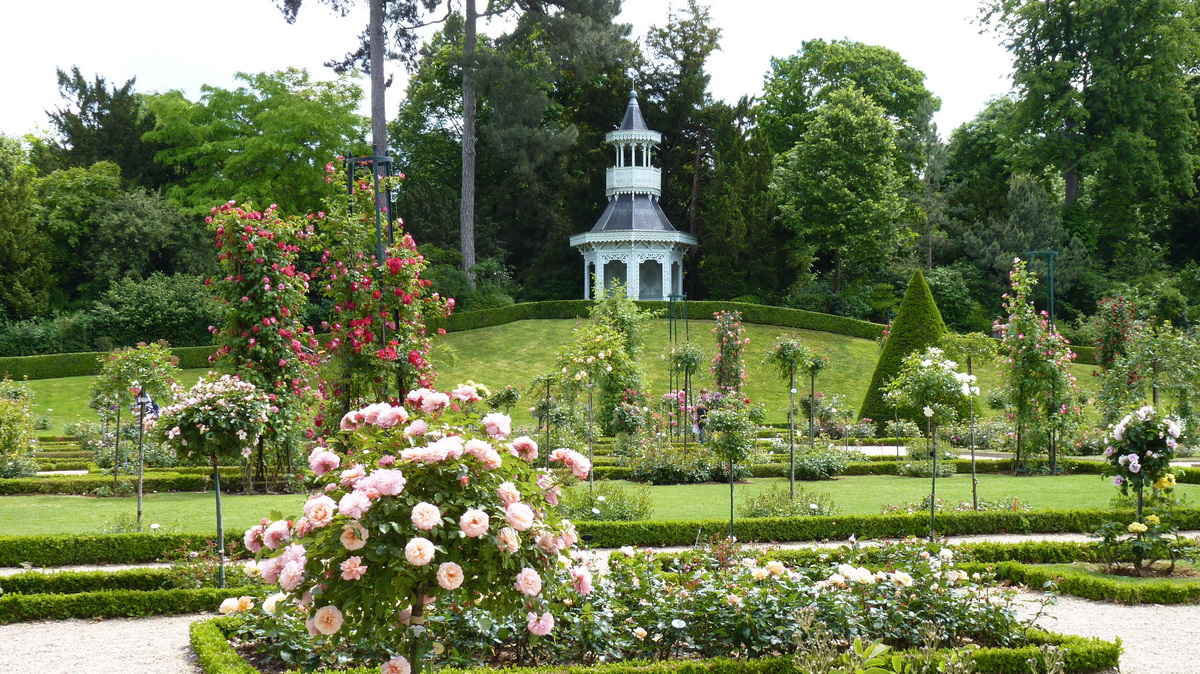
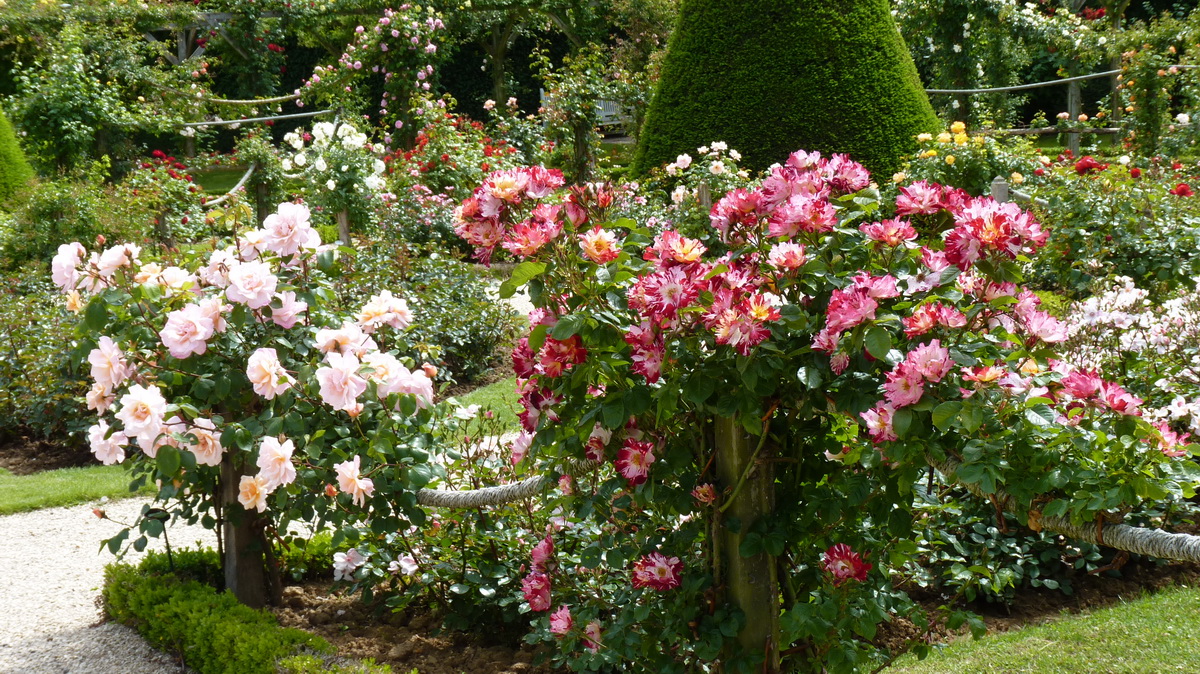
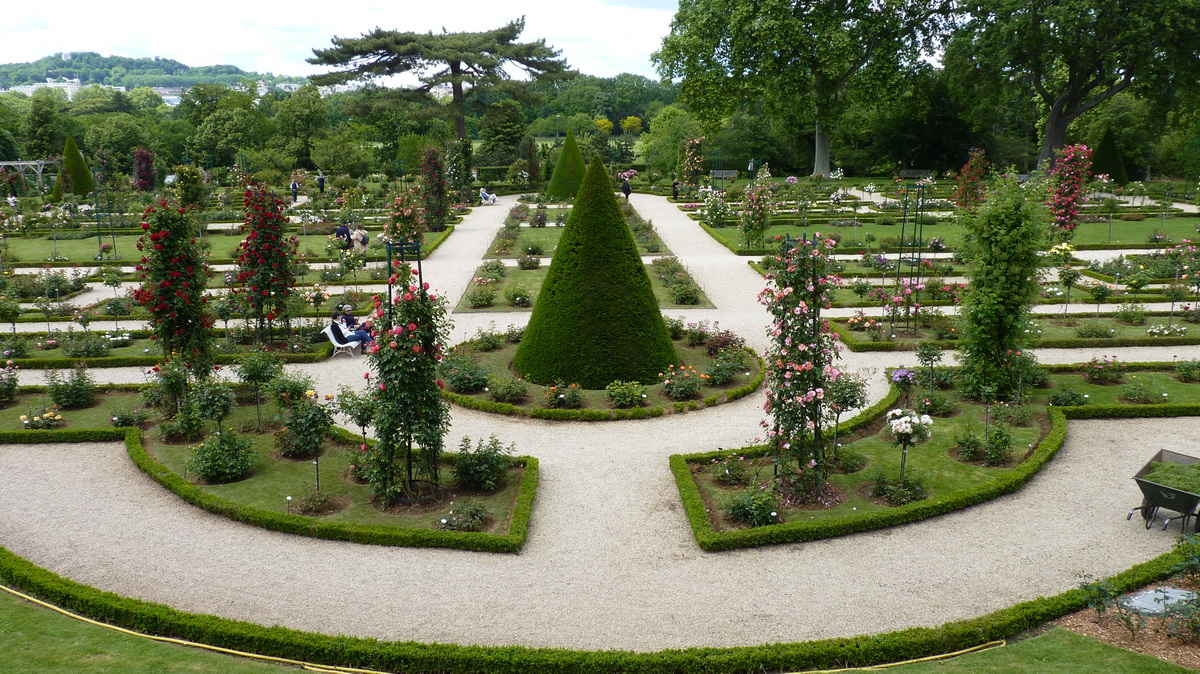
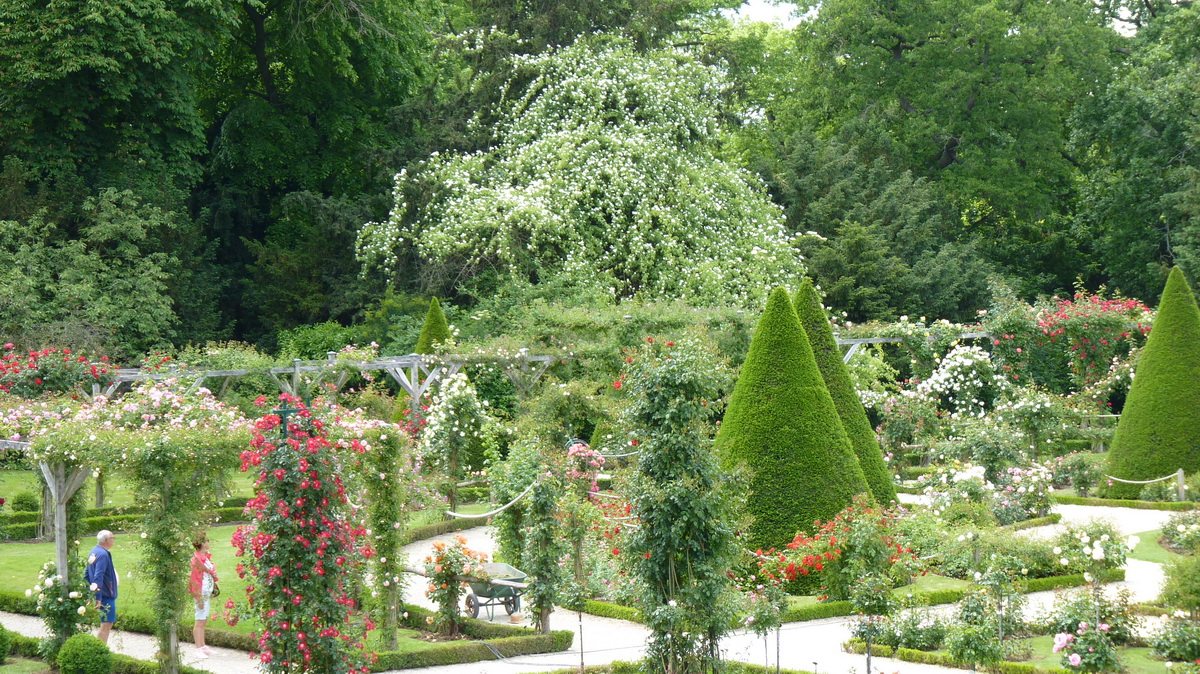
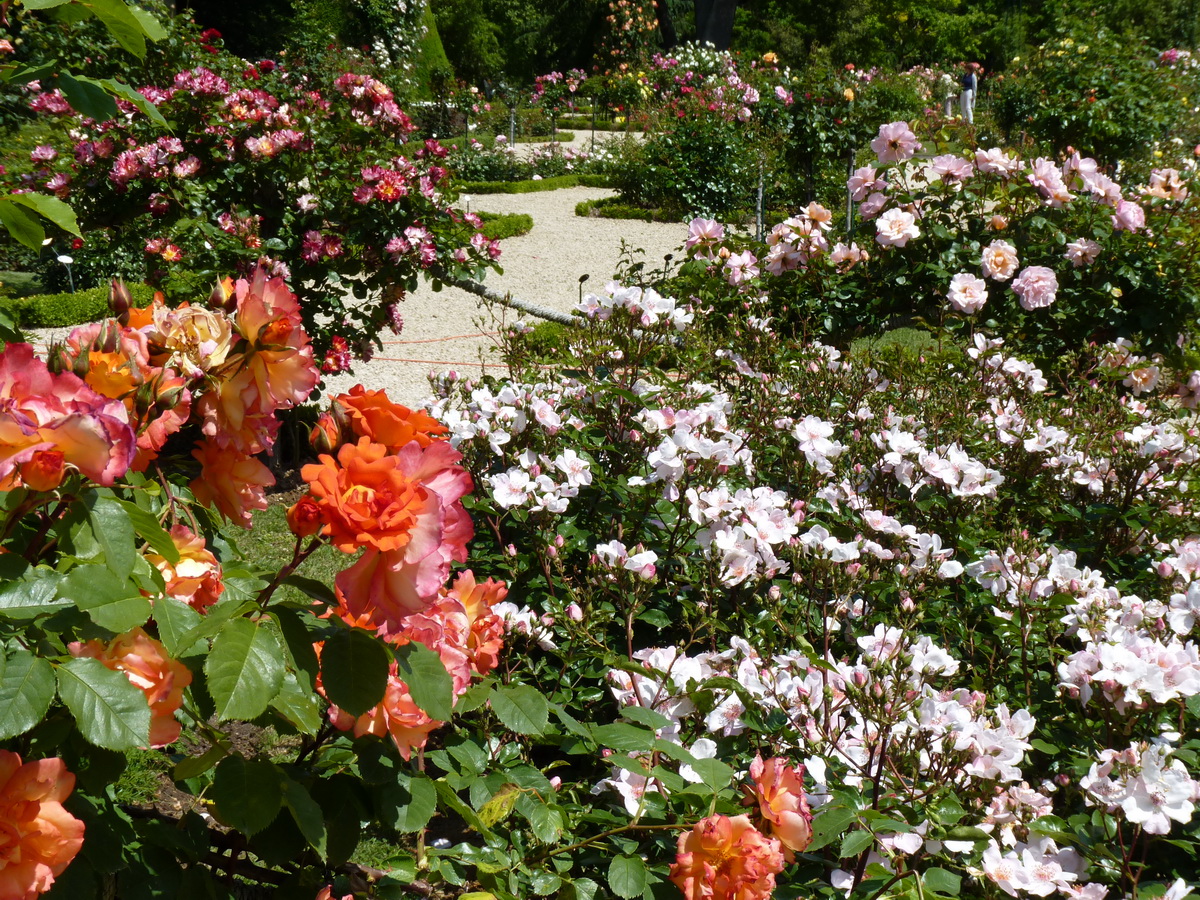
Within a geometrically symmetrical organic pattern, it offers a visually pleasing and abundant collection of ancient and modern, Eastern and Western, wild and cultivated roses and rugosa roses, totaling over nine thousand varieties.
Text and Photos / Chen Chi-Hsiang Foreword: This park, lush with flora and tranquil, is the most exquisite and captivating among the royal gardens of the City of Flowers. The charming rose garden is well-known throughout the city.
Located on the west side of Paris, on the right edge of the dense Boulogne Forest, facing the winding Seine River. Whenever people speak of the enchanting roses in the City of Flowers, they immediately think of the mesmerizing and magnificent rose garden at Bagatelle.
It is the most fragrant garden in the city; within this classical romantic image, it is picturesque and full of aesthetic beauty, like an earthly Eden.
The colorful and beautiful garden, with its harmonious and perfect diversity, is divided into four distinct thematic types: the rigorous and perfect French classical garden (including the charming and magnificent rose garden), the natural English garden, the poetic vegetable garden, and the picturesque iris garden and lotus pond with shimmering water reflections.
Through its multiple forms, volumes, changing light, and diverse visual aesthetics, it has become the most unique and magnificent park in the City of Flowers.
Origin of the Magnificent Gardens: As early as the beginning of the 18th century, General Estrees built a small villa in the dense Boulogne Forest for his beloved wife. It was later converted into a luxurious small castle, named Bagatelle (hence the name).
This castle became a paradise for nobles' lavish banquets and entertainment. In 1775, it was purchased by the Duke of Artois (future Charles X), brother of Louis XVI.
He commissioned the famous architect Belanger to rebuild a more luxurious and beautiful castle in just sixty days, day and night.
Simultaneously, under the ingenious creation of the famous British horticulturist Blaikie, a picturesque Chinese-English style garden was created (this is the origin of the magnificent gardens of Bagatelle).
During the French Revolution, it fortunately escaped destruction and was confiscated. In 1797, it regained its former glory, becoming Napoleon's hunting lodge, with plans to establish an imperial Roman palace here.
After the restoration of monarchy, it returned to the property of the Duke of Artois's family. In 1835, it was purchased by Lord Seymour, who further updated Bagatelle, expanded the magnificent gardens, and added an orangery and stables.
Later, his son Sir Richard Wallace added the Trianon and two guard towers. In the 19th century, it became the magnificent garden of Napoleon III. At the beginning of the 20th century, the government sold it to the Paris Municipality.
Renowned horticulturist J-C Forestier gave Bagatelle new life, updating the Chinese-English garden. He created the famous rose garden, the charming iris garden, and the lotus pond/aquatic plant garden.
This made Bagatelle more refined and perfect, rich in sensibility, and shining with the brilliance of garden art, completely renewed. The magnificent gardens attract tens of thousands of flower explorers and rose lovers from all over the world every year.
Thus, it has become part of the aesthetic life of urban contemplation and artistic appreciation.
Rigorous and Perfect French Garden – Ode to Flowers: The rigorous and perfect French garden is located on the north side of the park, dominated by colorful flower beds and borders. It is the most flamboyant and colorful area of the tranquil Bagatelle garden. In this bright natural theater, within rigorous symmetrical geometric forms, vitality abounds. The sight of a sea of flowers throughout the four seasons is mesmerizing, full of momentum and charm, like an earthly Eden.
Seasonal Symphony – Seasonal Flower Beds in Front of the Gardener's House: Entering the park along the lush shaded path on the right, passing the country restaurant, one arrives at the long, magnificent seasonal flower beds in front of the gardener's house.
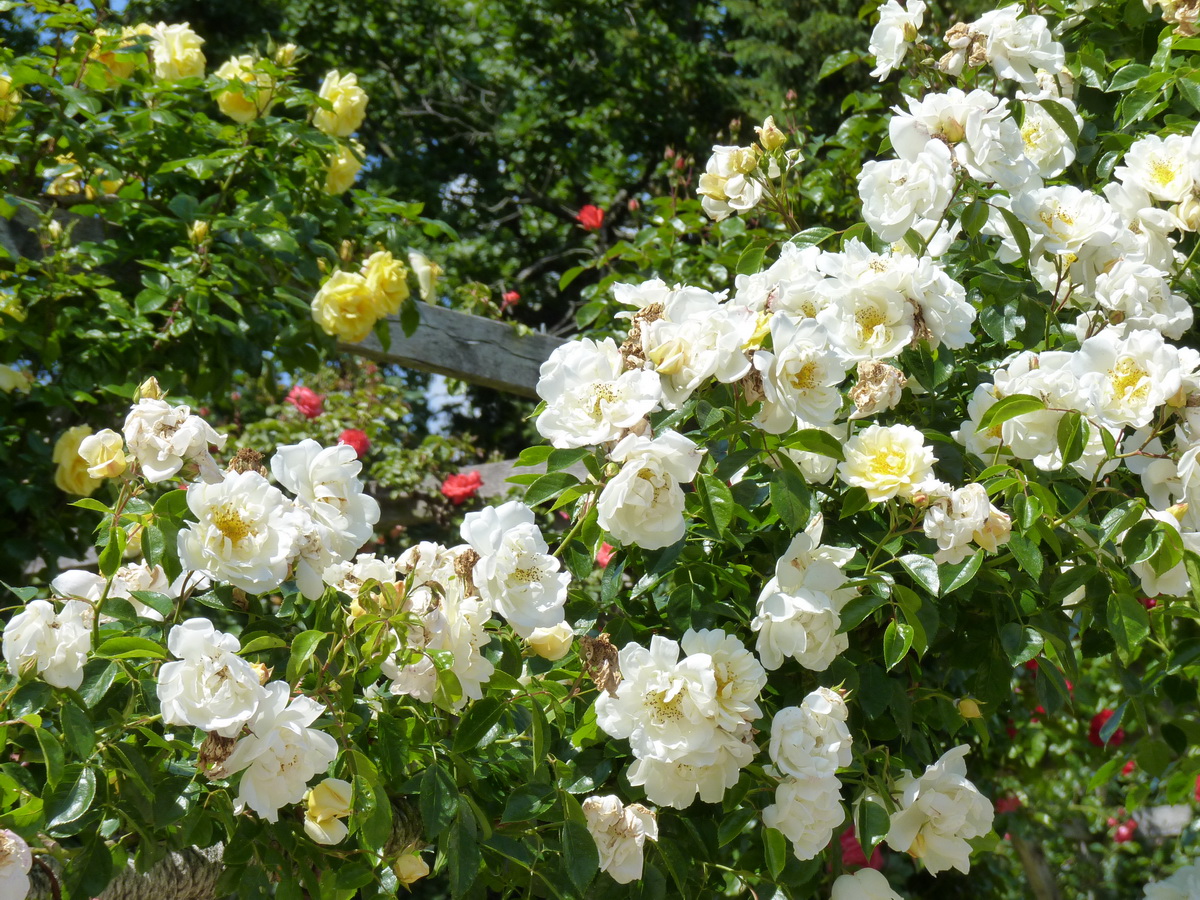
Colorful and beautiful, centered on a series of arched green corridors formed by climbing roses, rugosa roses, wisteria, and honeysuckle, leading directly to the ivy-covered gardener's house, it is visually pleasing.
Symmetrical magnificent flower beds on both sides are neatly trimmed with green boxwood, full of vitality in these elegant curved forms. The high wall on the right is covered with climbing plants (wisteria, clematis, honeysuckle, etc.).
The low wall on the left is dotted with a series of large seasonal flower pots. In these multiple forms and volumes, there is a fullness of visual beauty.
When the year begins anew and everything is renewed, magnificent flower pots ignite the sparks of spring, with patches of colorful tulips, daffodils, and violets.
In the sun-drenched summer praise, comprehensive magnificent floral plants scatter like heavenly maidens, colorful and brilliant, playing the climax of the natural symphony, truly spectacular.
When nature's palette changes from emerald green to red and then to gradient orange-yellow, under the poetry of autumn, radiant chrysanthemums fill the eyes, like colorful clouds. And in the biting cold and solemn winter, cute pansies add to the natural beauty.
Poetic Vegetable Garden, Picturesque Iris Garden: Practical and beautiful, the vegetable garden is behind the gardener's cottage.
Within these green little plots, various seasonal vegetables are planted in neat rows: lettuce, cabbage, cauliflower, red leaf lettuce, carrots, thistle, tomatoes, eggplants, scallions, garlic, etc.
In the varying forms and volumes, with diverse hues and multiple textures, it is visually pleasing, like a sweet pastoral poem.
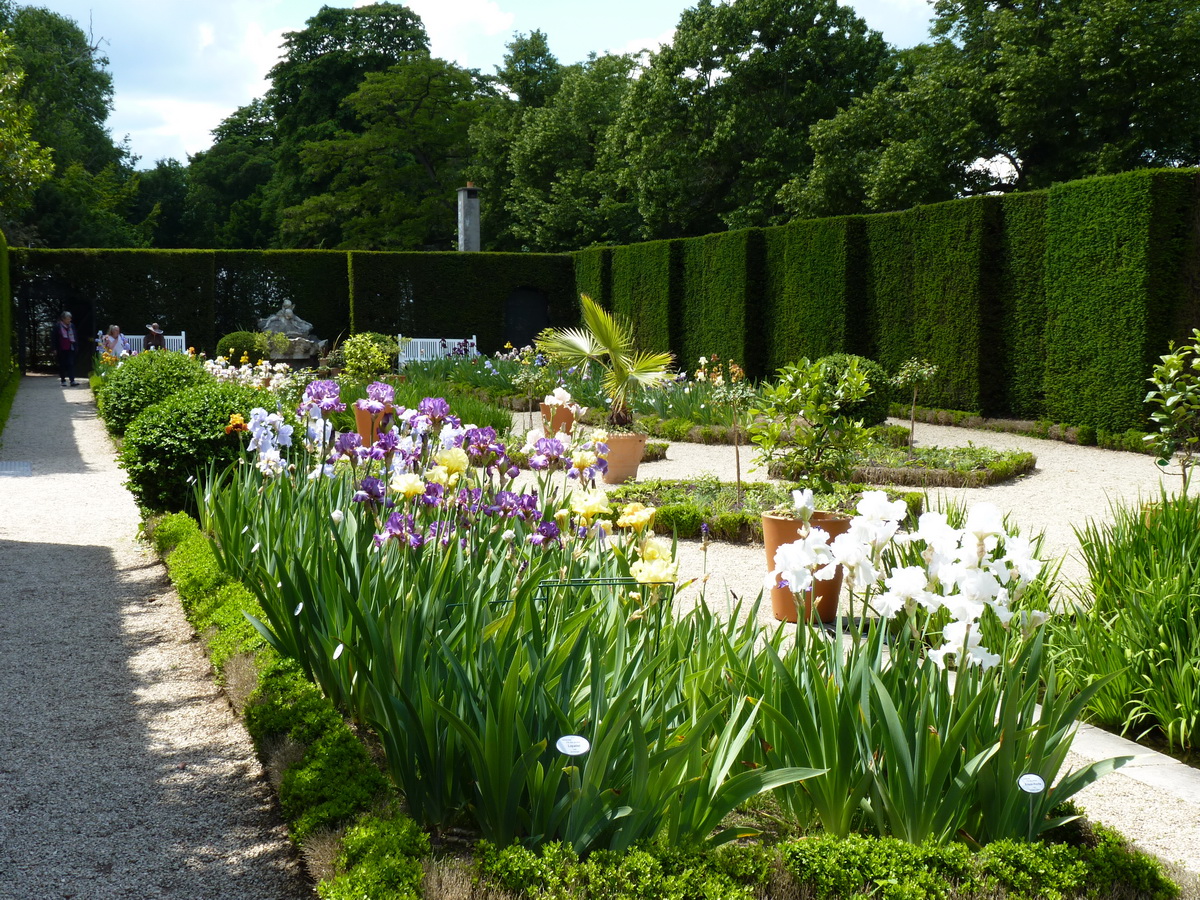
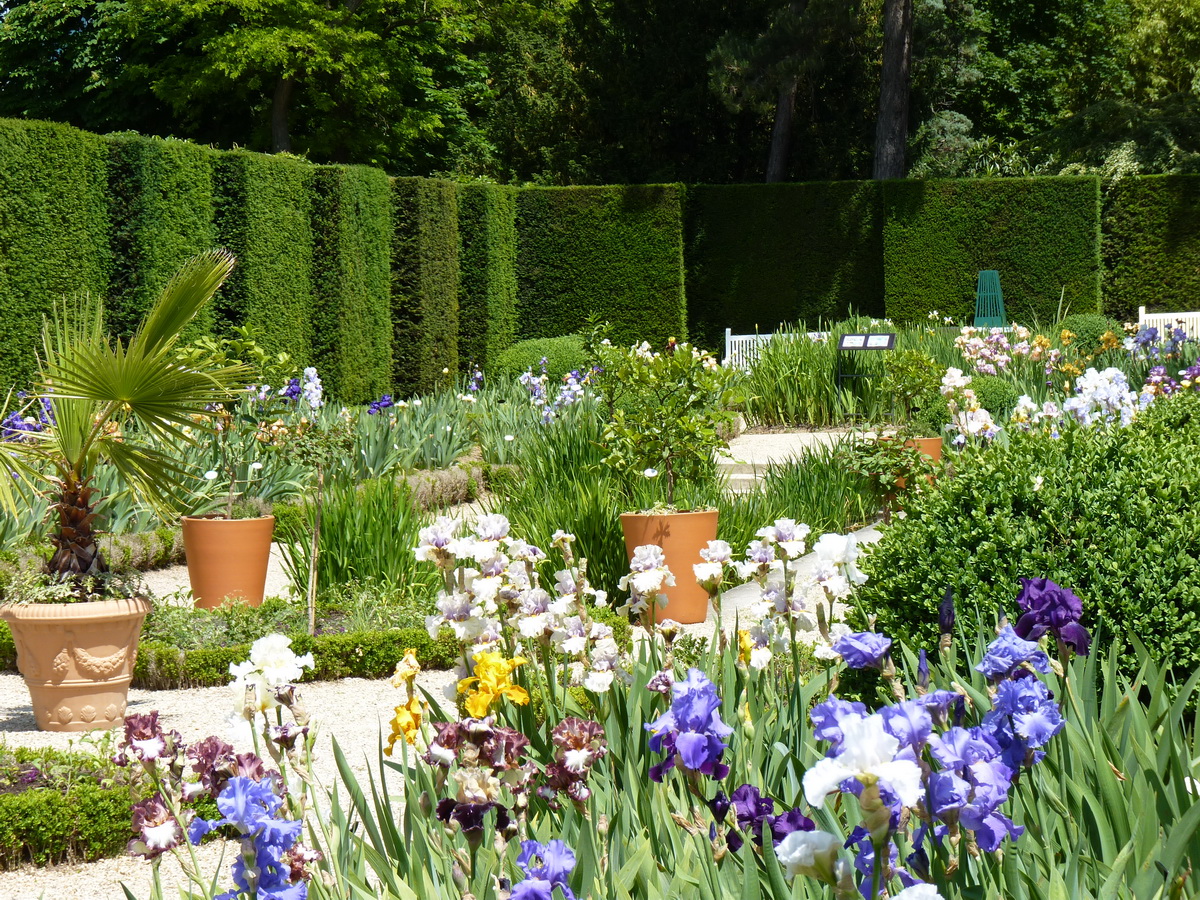
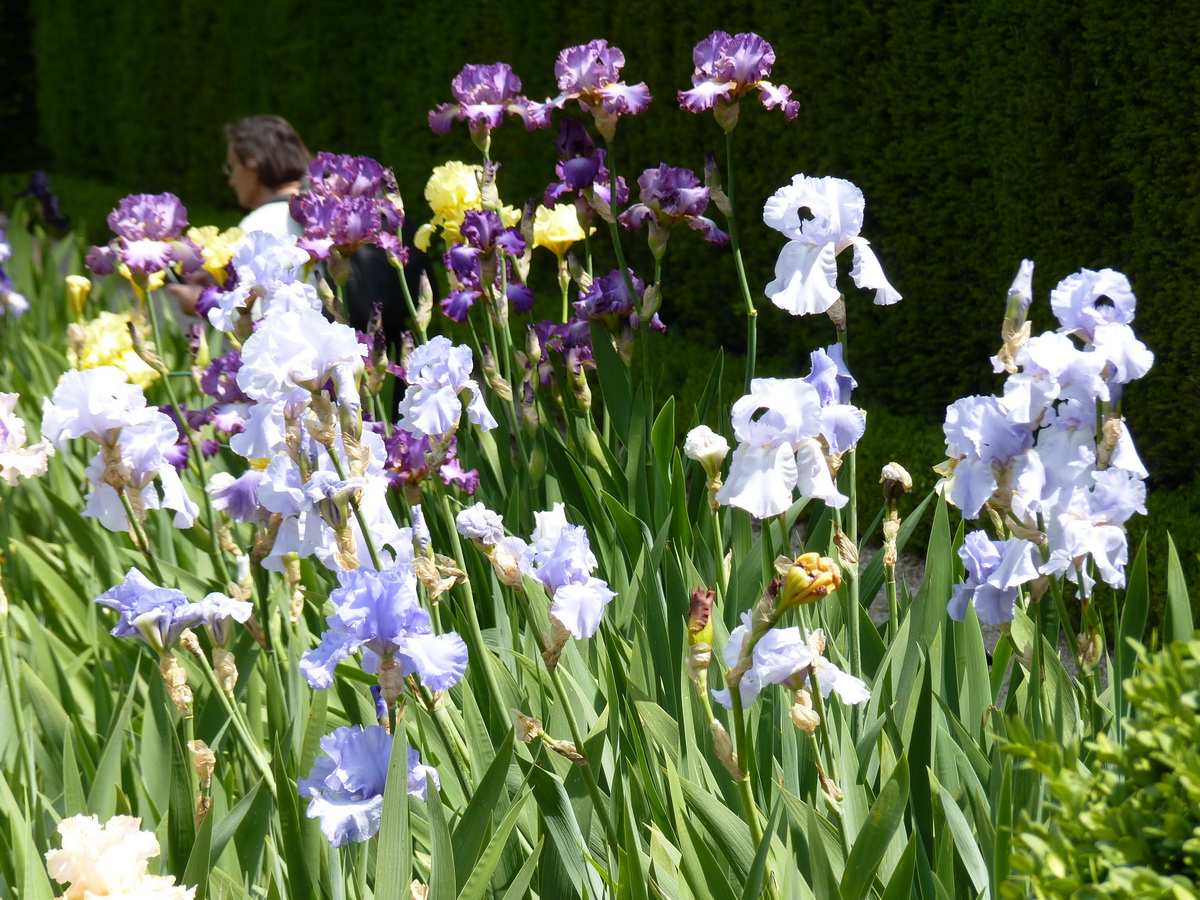
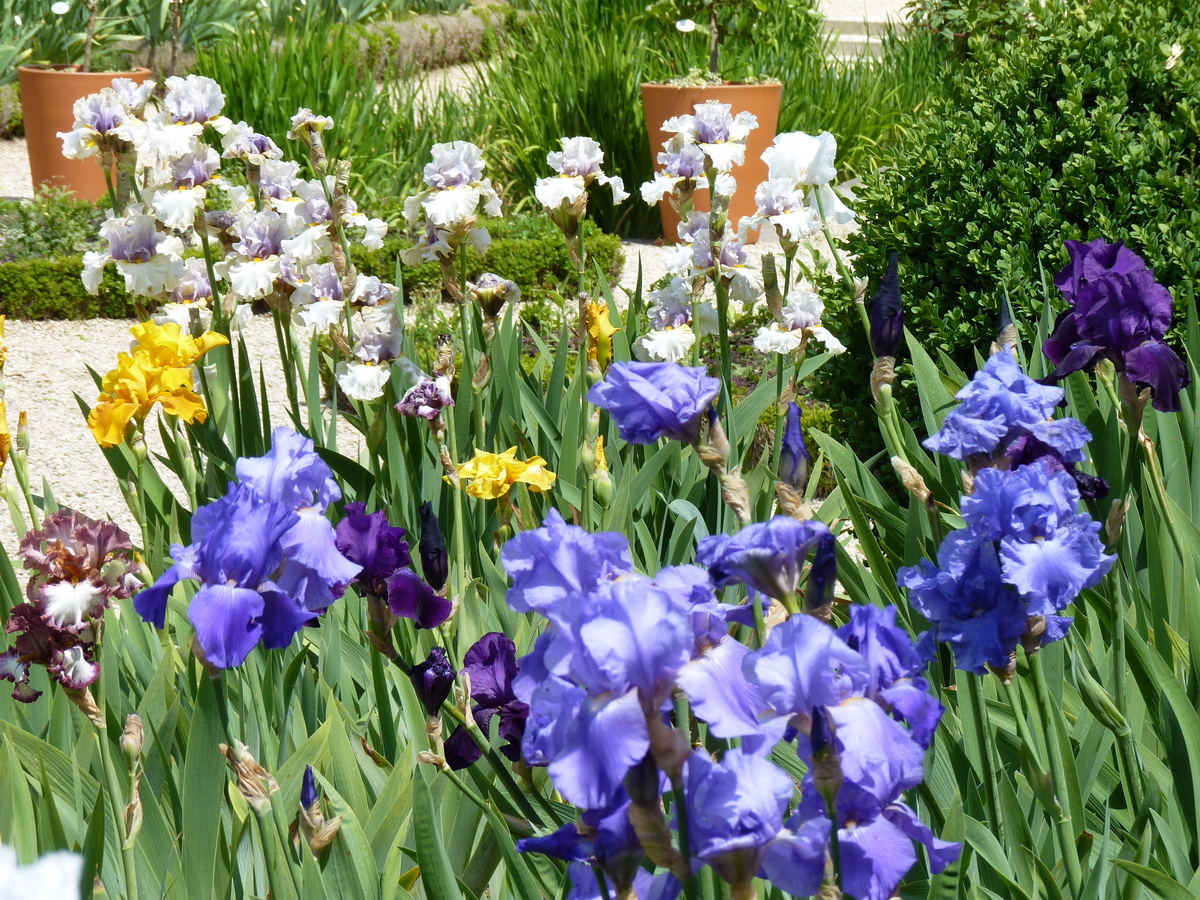
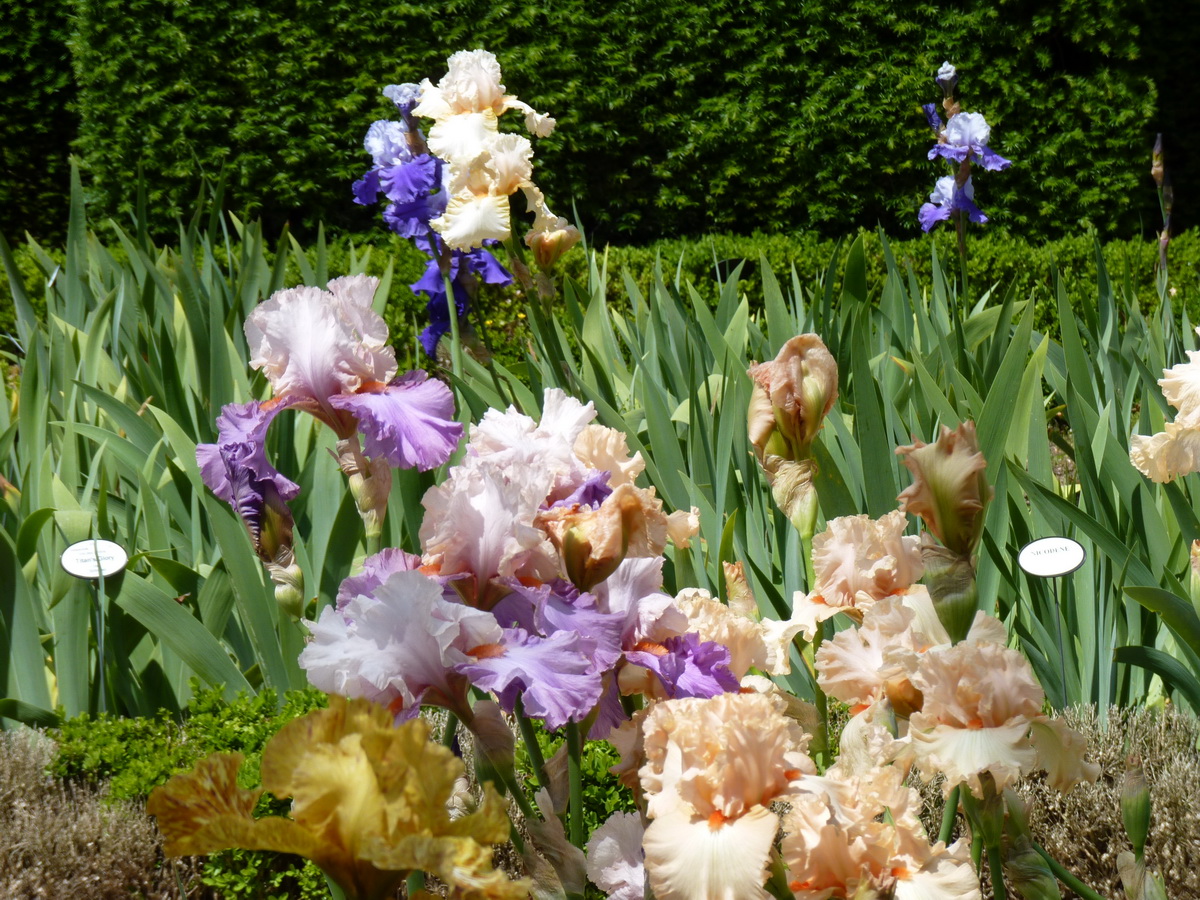
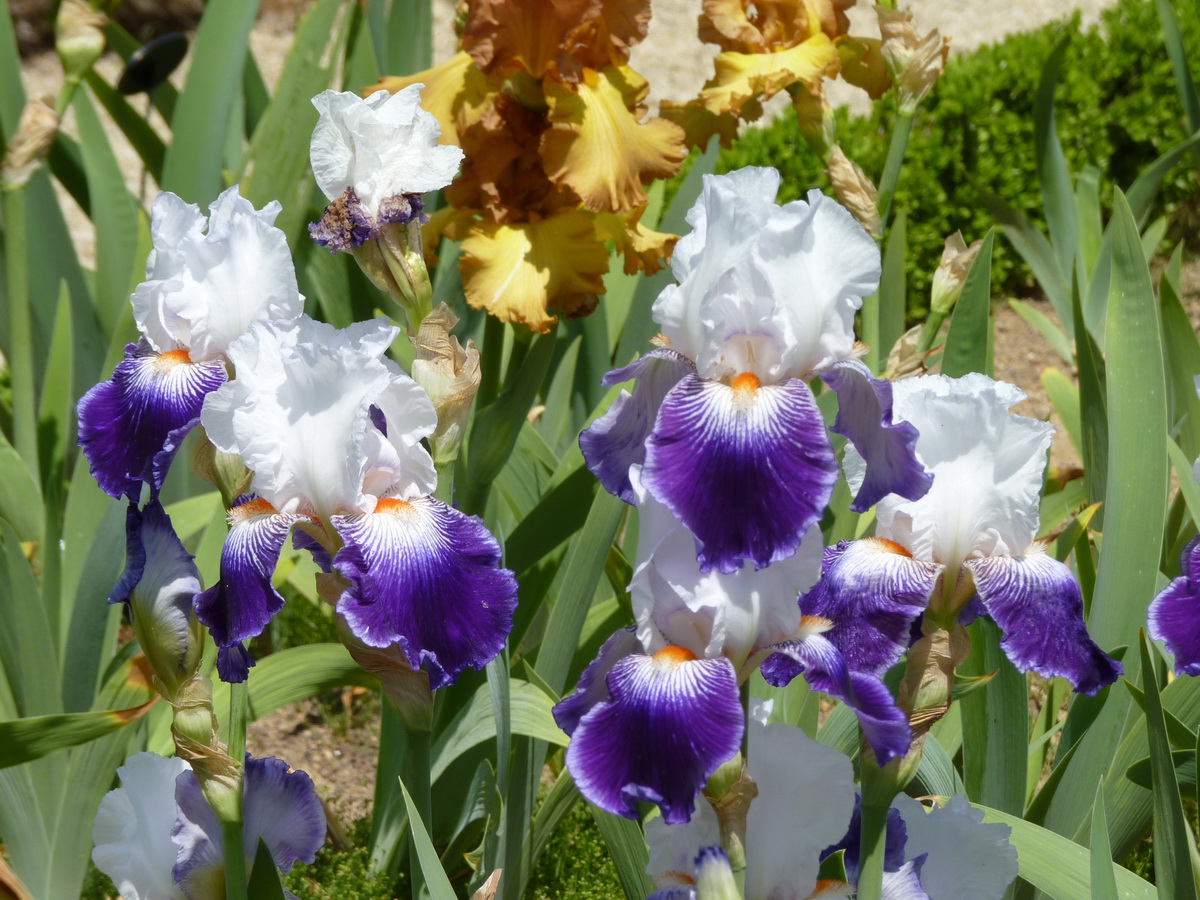
Next is the magnificent iris garden (Blue Butterfly Garden), within the lush green hedges, orderly displaying over two hundred and fifty varieties of colorful irises.
According to Greek mythology, Iris (the iris) is the daughter of Neptune (son of Poseidon) and the mermaid Leuctra, the most beautiful child in the family, named Iris.
Later, Iris became a nymph under Zeus, her task being "when a good person dies on earth, she descends via the rainbow between heaven and earth to sever the bond between the soul and body, and carry the soul back to heaven." Therefore, the ancient Greeks often planted irises on graveyards or engraved them on tombstones, hoping that the souls of the dead could entrust themselves to the nymph Iris to be carried back to heaven (Note 1).
So! When spring arrives, after the charming tulips have finished their display, it is the turn of the irises to compete in beauty, forming clusters and a magnificent sea of flowers with colorful tones, seeming like a naturally sensual and charming abstract painting.
Rose, Rose: Among all flowers and plants in nature, I think the magnificent and charming rose is the most outstanding and well-known. It has consistently captivated people, accompanying humanity intimately from ancient times to the present.
Its numerous touching legends and metaphors are deeply passed down among the people. Countless poets, painters, writers, composers, and musicians have continuously drawn inspiration from her. Since ancient times, lovers and spouses have used her to express deep affection.
Even noble ladies, especially Queen Marie Antoinette and Empress Joséphine (thus, in every enchanting and magnificent rose garden, there are rose varieties dedicated to the Queen and Empress), and the great French female writer George Sand, could not resist the captivating magic emitted by the rose.
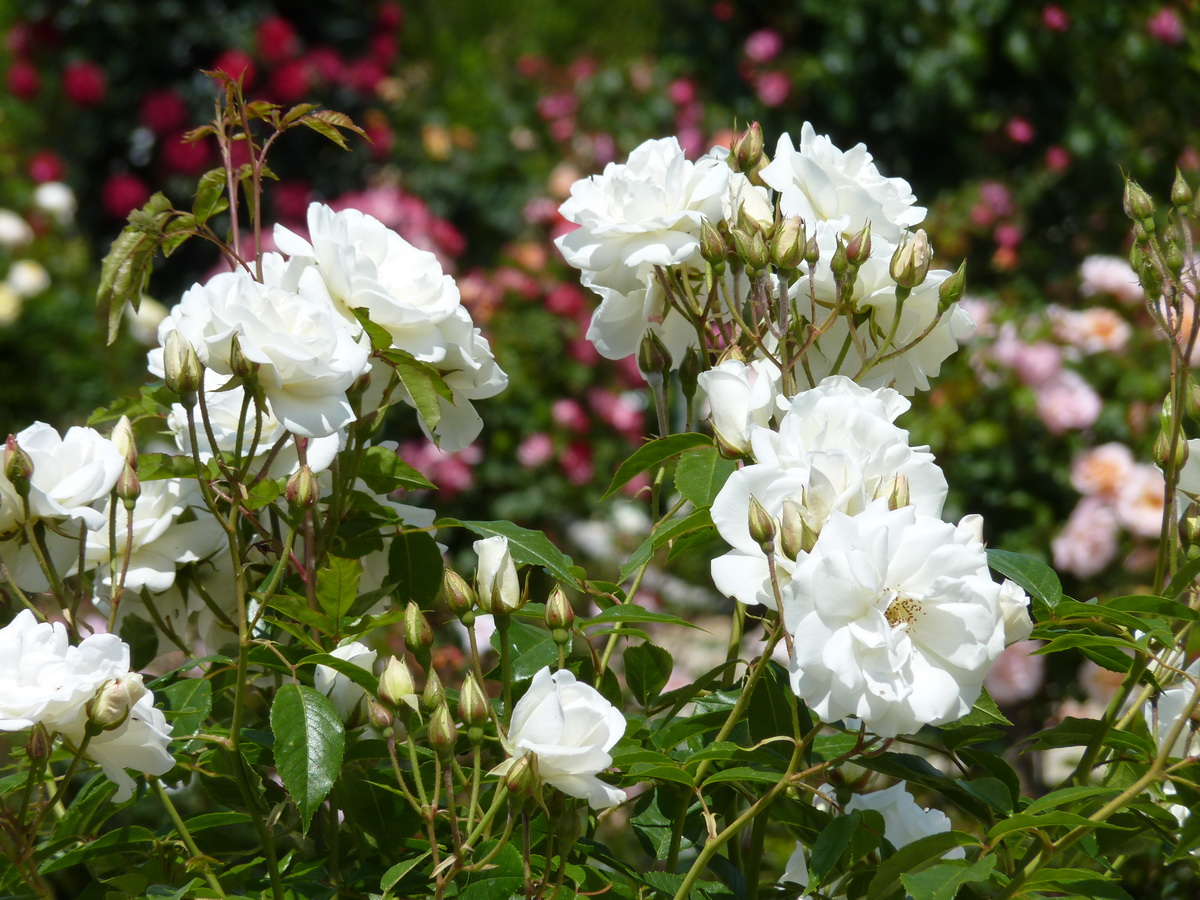
Among the many flowers and plants in nature, the rose and rugosa rose have the most varieties, the highest economic value, and new varieties continue to emerge to this day; wild, grafted, ancient, and modern ones all hold their fame.
No other flower emits such a wide variety of special fragrances. No other flower has such infinite magnificent colors, nor does any flower species have a longer blooming season than hers; for example, miniature roses bloom like a sea of flowers all year round.
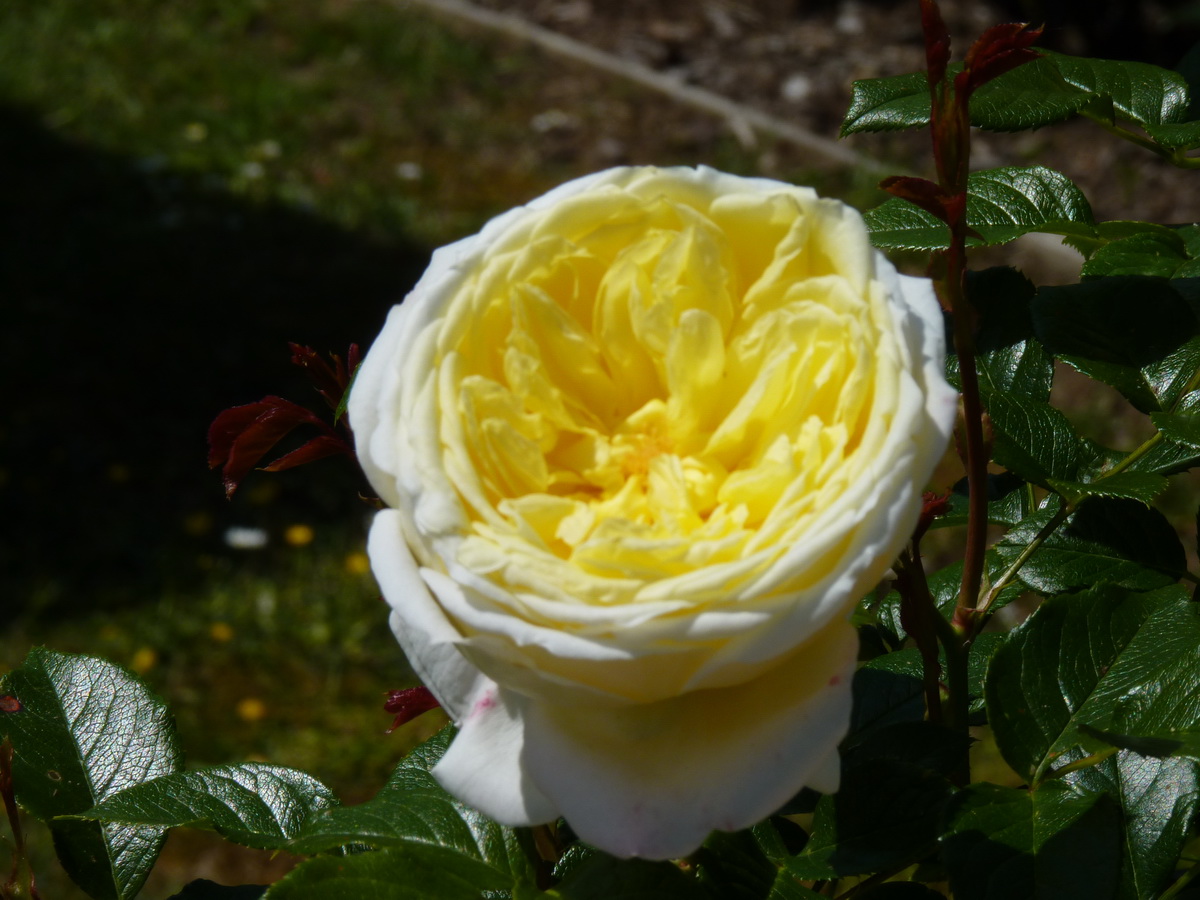
Visually pleasing and charming rose flowers are also divided into large, medium, and small sizes. Large roses, when in full bloom, have flowers as big as an adult's palm, while small miniature roses are only the size of a ten-cent coin.
Moreover, roses and rugosa roses belong to small shrub plants, easy to cultivate and suitable for various types of flower beds. Especially due to their vine-like nature, they become a form for gardeners' creative styling, full of vitality and fascinating.
The Rose, Rose, becomes the queen of the magnificent garden.
So! The main difference between roses and rugosa roses: Check the French dictionary, there is only the word "rose," no "rugosa." In Japanese, however, there is only the term "rugosa" (bara), where does "rose" come from? Generally, "rugosa" refers to all native rugosa rose species. "Rose" is one of the many natives of the Rosaceae family. Rugosa Rose: Flowers are smaller, petals face outward, revealing the stamen. Rose: Flowers are larger, petals layer inward, hiding the stamen, and produce red hips.
Enchanting Rose Garden: The rigorous and perfect French garden, centered on the enchanting rose garden, is the largest and most captivating place. In this lush and bright natural theater, an entire expanse (several hectares) of charming roses and rugosa roses.
Within a geometrically symmetrical organic pattern, it offers a visually pleasing and abundant collection of ancient and modern, Eastern and Western, wild and cultivated roses and rugosa roses, totaling over nine thousand varieties, dazzling to the eye.
In the orderly arrangement, vitality abounds. Two large conical yew magnificent flower beds in the center stand out prominently amidst the rhythmic variation of rose clusters.
On the left, a series of arch-shaped magnificent flower corridors and pergolas formed by climbing vines are dotted with a row of thick conical yews and a series of spherical topiary boxwoods; their ingenious styling is thought-provoking.
On the right, with the spacious orangery in the distance as a backdrop, it is full of visual beauty.
Directly ahead, on a lush small hill, stands a white pavilion in a romantic style, picturesque, overlooking the scene, making it an excellent spot to explore the magnificent panorama of the rose garden.
So! It is especially spectacular during the blooming season when the weather is fine; a vast sea of flowers, dazzling and colorful, is so beautiful as to dazzle the eyes. Bathed in the rich fragrance of roses, one unknowingly enters God's Eden.
Those pilgrims wandering through the magnificent flower clusters, like drunk butterflies, are intoxicated by nature's grand visual and spiritual feast, making them linger and forget to return.
But do not miss the annual selection of the new rose variety queen, held on the third Wednesday of June each year, where they compete for the title in this bright rose theater.
Experts, horticultural scholars, technicians, and artists from around the world are invited to form the Rose Selection Committee (this has been a history of over ninety years, becoming a grand ceremony in the city's horticulture).
They select winners for fragrance awards, color awards, styling awards, etc., from the many new varieties. So when people personally explore the rose garden, under each rose cluster, there is a nameplate letting people know which enchanting rose had once been crowned queen.
Magnificent Seasonal Flower Beds in Front of the Orangery: The magnificent seasonal flower beds are adjacent to the rose garden, centered on the spacious orangery.
Within this rigorous and perfect French traditional magnificent flower bed, centered on a small circular water-mirror fountain with shimmering reflections, it becomes the gathering point of the entire garden.
In this swirling form, on the diagonal axes of the double rings, there are pairs of small circular and small square magnificent flower beds, with a large circular flower bed surrounding each inner and outer ring, forming a trio of circular seasonal flower beds.
Along the rigorous diagonal magnificent flower paths, stone flower pots decorate generously, beautiful and splendid, with a brocade-like sea of flowers all year round, fascinating. (The orangery hosts regular indoor concerts in the City of Flowers every summer.)
The Great Maze: Passing through the orangery, following the lush shaded path, crossing the magnificent flower path, entering the dense forest. A small hill constructed of green small shrubs—the Great Maze, like a labyrinth, from large to small, ring upon ring of swirling shaded paths, guides people to the top of the Great Maze hill. Its commanding position, as the poem says: "To see a thousand miles, go up another floor," becomes the spot to overlook the natural beauty of the lush garden.
Natural English Garden: Crossing the dense forest, coming from the picturesque English Garden (on the south side of the park). Nature here is full of vitality and energy, its green and harmonious scenery like the bright landscape of the countryside.
First, a winding and quiet shaded path leads to a natural rocky cliff, full of visual beauty with its varied forms.
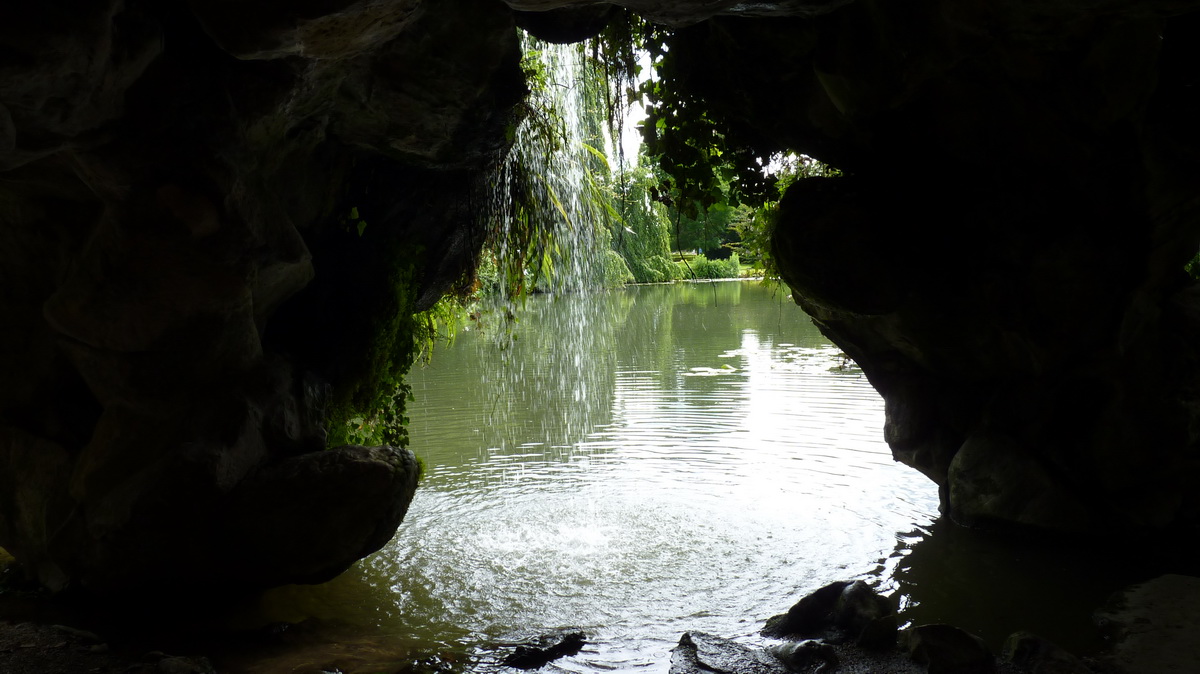
Babbling waterfalls and stream flows, with vitality along the banks, are lined with patches of lush and colorful small shrub clusters and perennial flowers and plants. The winding stream flows into the small pond with shimmering water reflections.
On the water theater with abundant flowers and trees, groups and pairs of white swans and mandarin ducks constitute a tempting natural beauty.
Passing through the rock cave, emerging into a vast horizon, a large expanse of lawn lies like a large green carpet draped over this bright natural theater. Tall and straight trees stand everywhere on the lawn (oaks, chestnuts, plane trees, beeches, cedars, sequoias, etc.).
Under the shade, an exotic Oriental pavilion stands. By the lush lawn, vibrant patches of magnificent wild roses, camellias, azalea clusters, and conifers are colorful and beautiful all year round.
The distant Bagatelle white spacious castle and the Trianon serve as excellent settings for the magnificent scenery.
In the garden abundant with flowers and trees, a few pairs of free peacocks, amidst bird songs and flower fragrances, make one feel as if exploring Tao Yuanming's Peach Blossom Spring.
In these multiple volumes, changing lights, and diverse visuals, excellence and perfection are achieved; every scene is a beautiful landscape painting, every corner permeated with the breath of poetry. Visually pleasing, making people linger and forget to return.
Charm of Spring: However, in this flower-and-tree-abundant English garden, whenever the earth awakens from the harsh winter and spring returns. Under the solemn and bare trees, full of vitality and energy.
The lovely crocus, heralding spring, extends its charm in the low temperatures.
Next, a magnificent sea of flowers—colorful tulips, charming daffodils, bright violets, and fritillarias, plus cherry blossoms and magnolias where only flowers are seen without leaves, flourish and bloom in full force, colorful and brilliant, fully displaying the charm of spring, so beautiful as to dazzle the eyes.
It is an opportunity not to be missed for flower exploration in the City of Flowers.
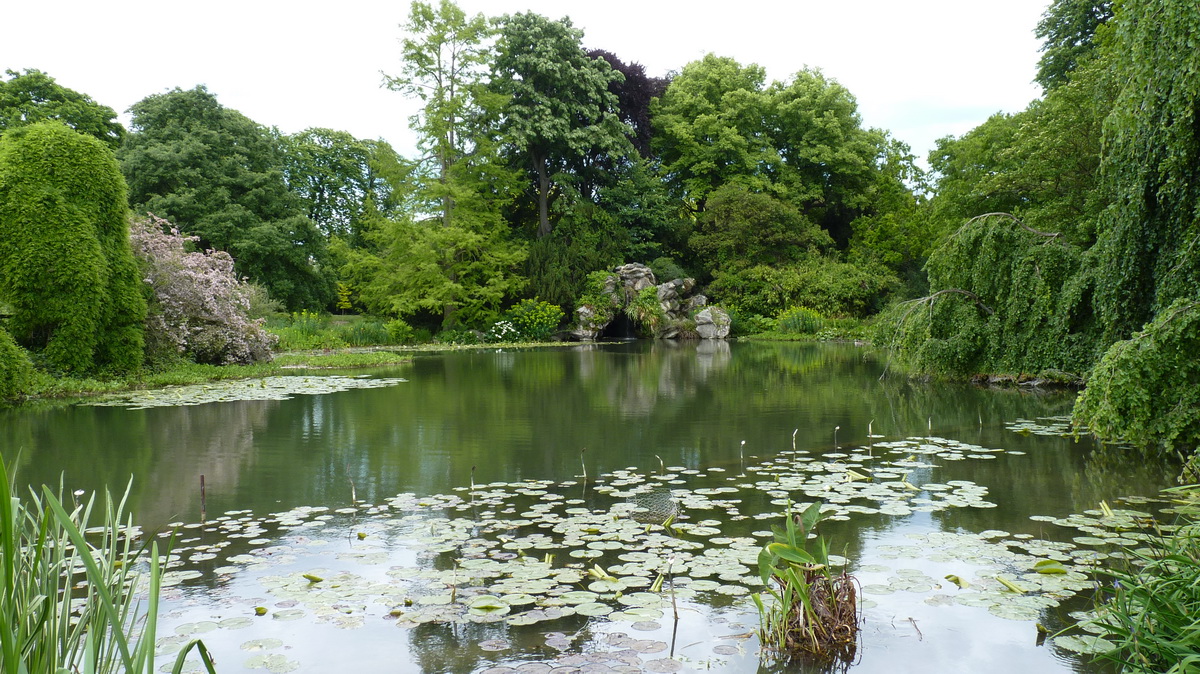
Lotus Pond with Shimmering Water Reflections: The lotus pond with shimmering water reflections is located in a corner of the bright English natural theater, behind the white spacious castle.
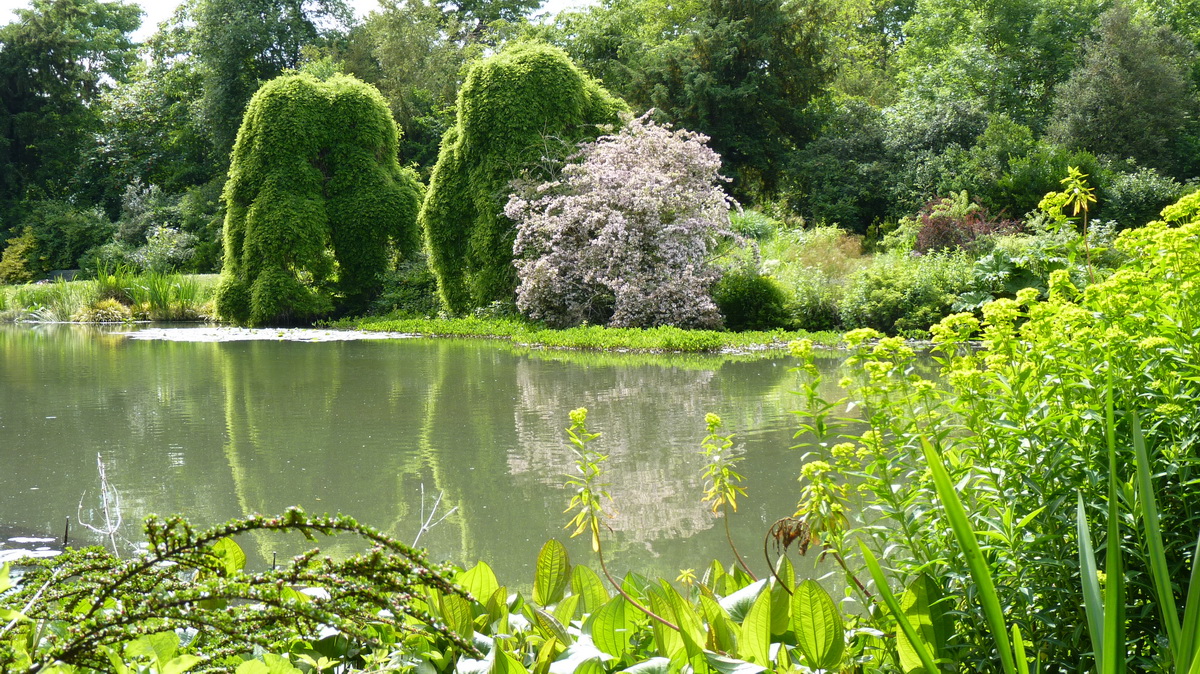
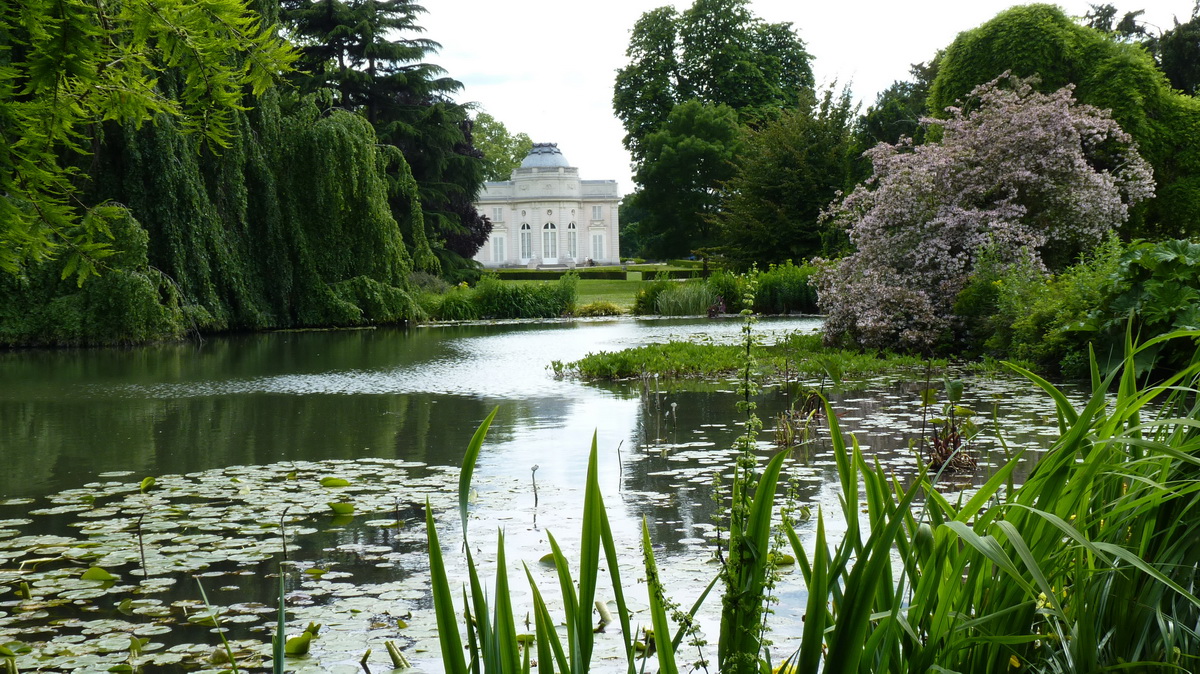
A vibrant pond surrounded by lush aquatic plants (beautiful purple loosestrife, white calla lilies, wild lilies, and colorful water irises, etc.) and several old trees with dense foliage (most notable is the weeping beech, over two hundred years old).
On the mirror-clear surface of the pond, picturesque reflections of the blue sky, white clouds, and distant white castles appear.
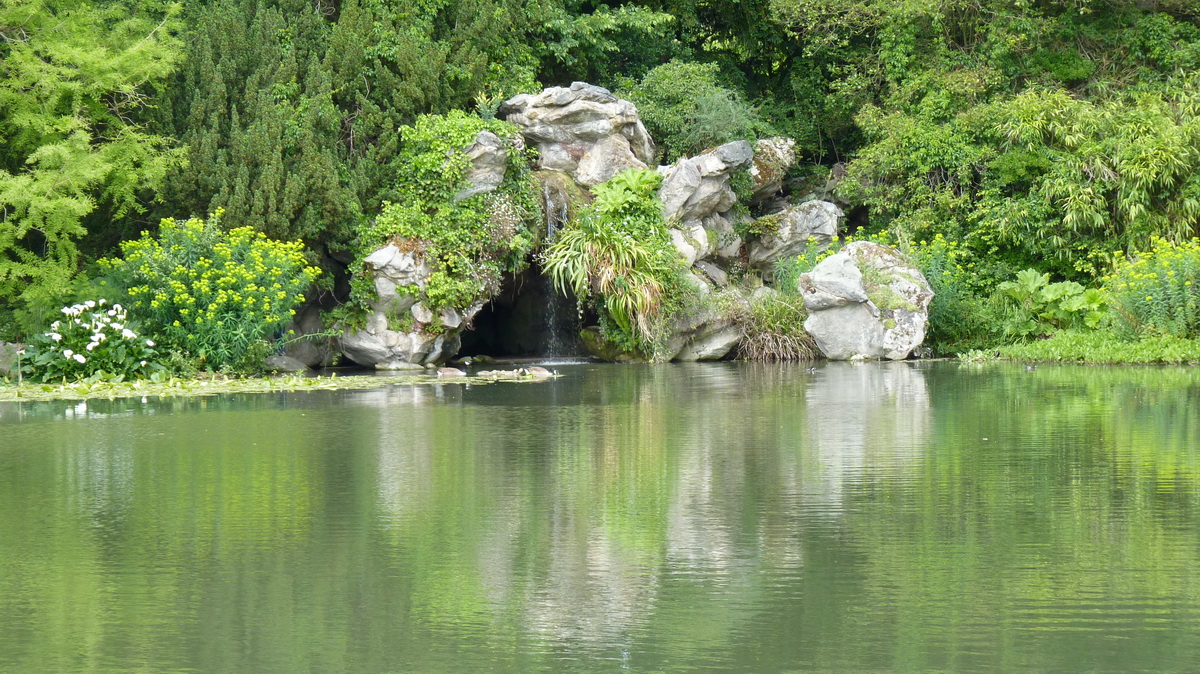
In this imaginative multi-space and visual beauty, floating patches of lotuses, water lilies, and duckweed that rise from the mud unstained, picturesque and fascinating. On the pond bank facing the castle, flowers and grass are abundant.
A concave and convex rock cliff forms a cave, with babbling waterfall streams inside. To roam and enjoy oneself amidst such magnificent hills and valleys scenery is indeed joyful.
Next! Passing through the lotus pond with shimmering water reflections, coming to the backyard of the white spacious castle.
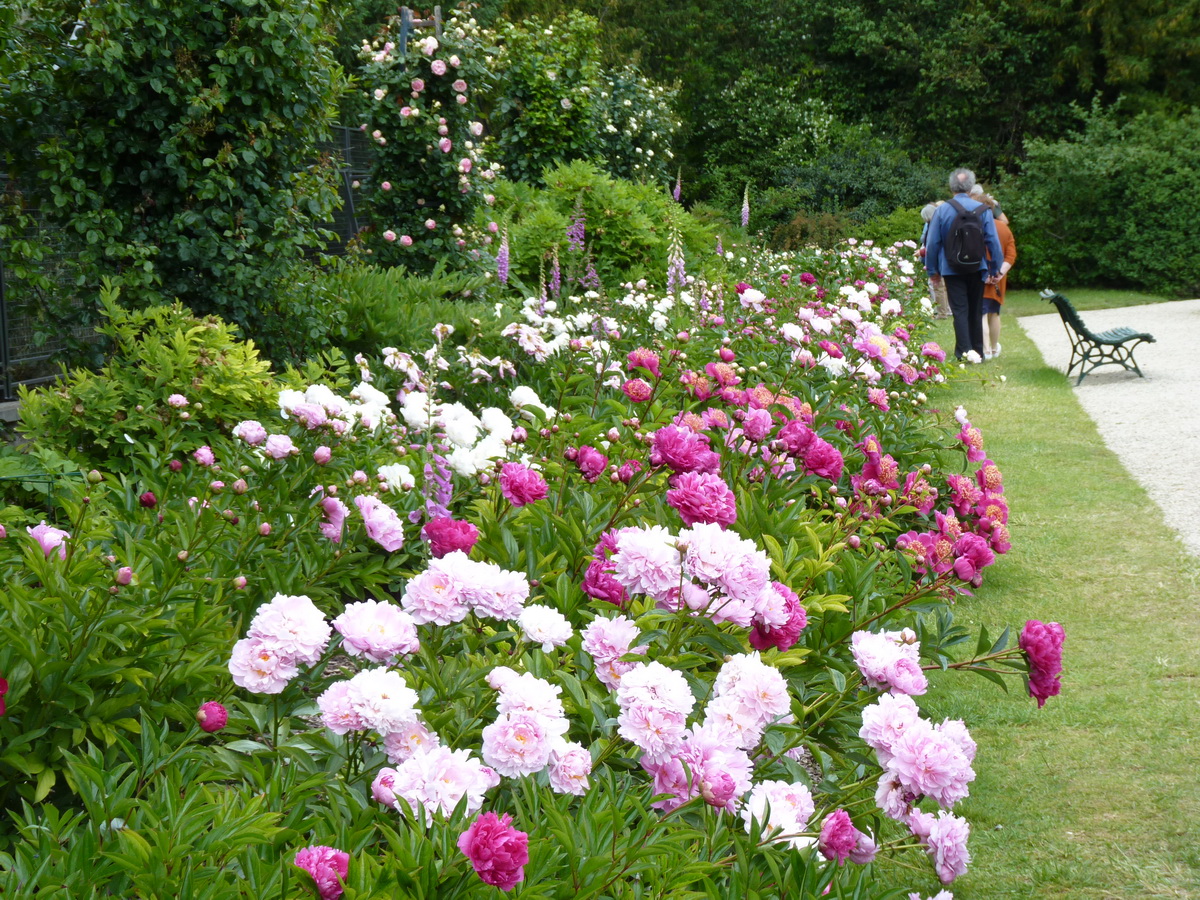
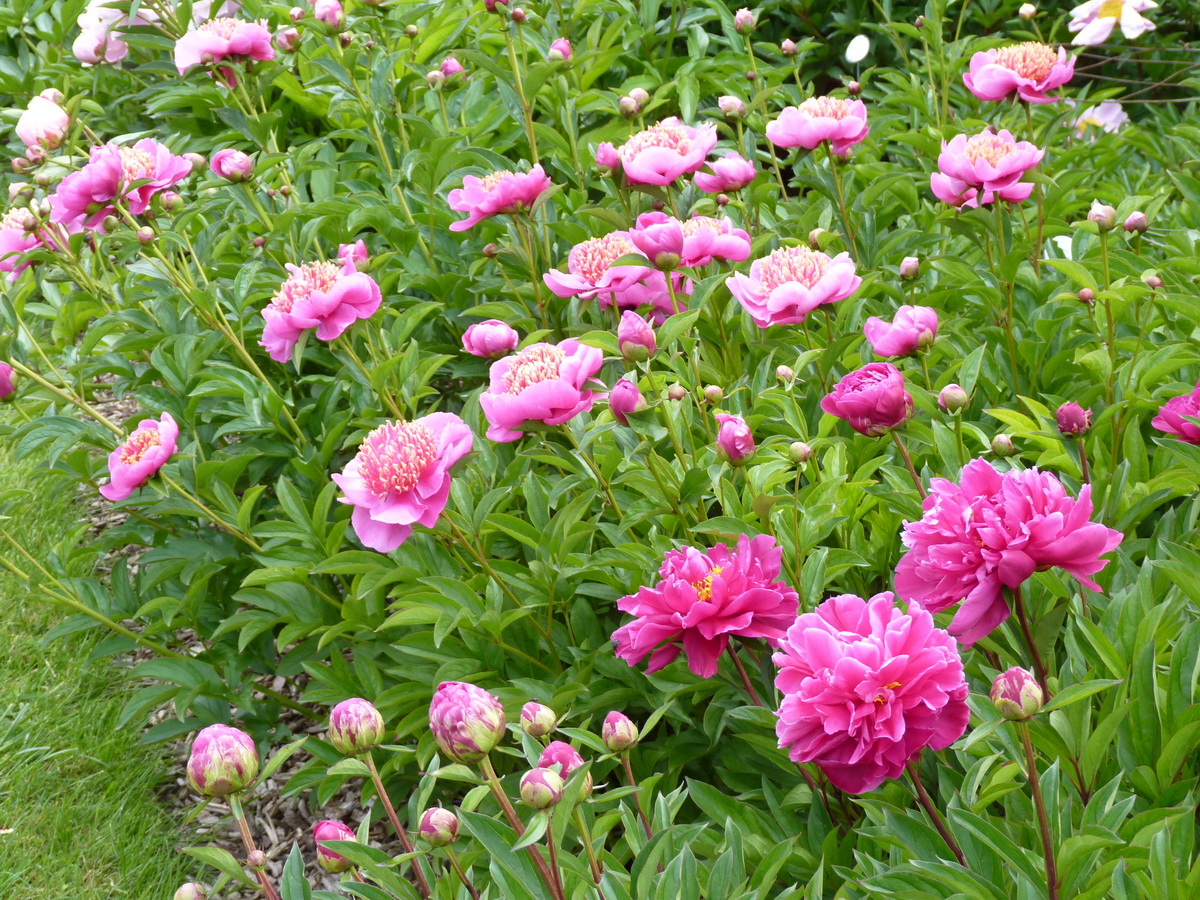
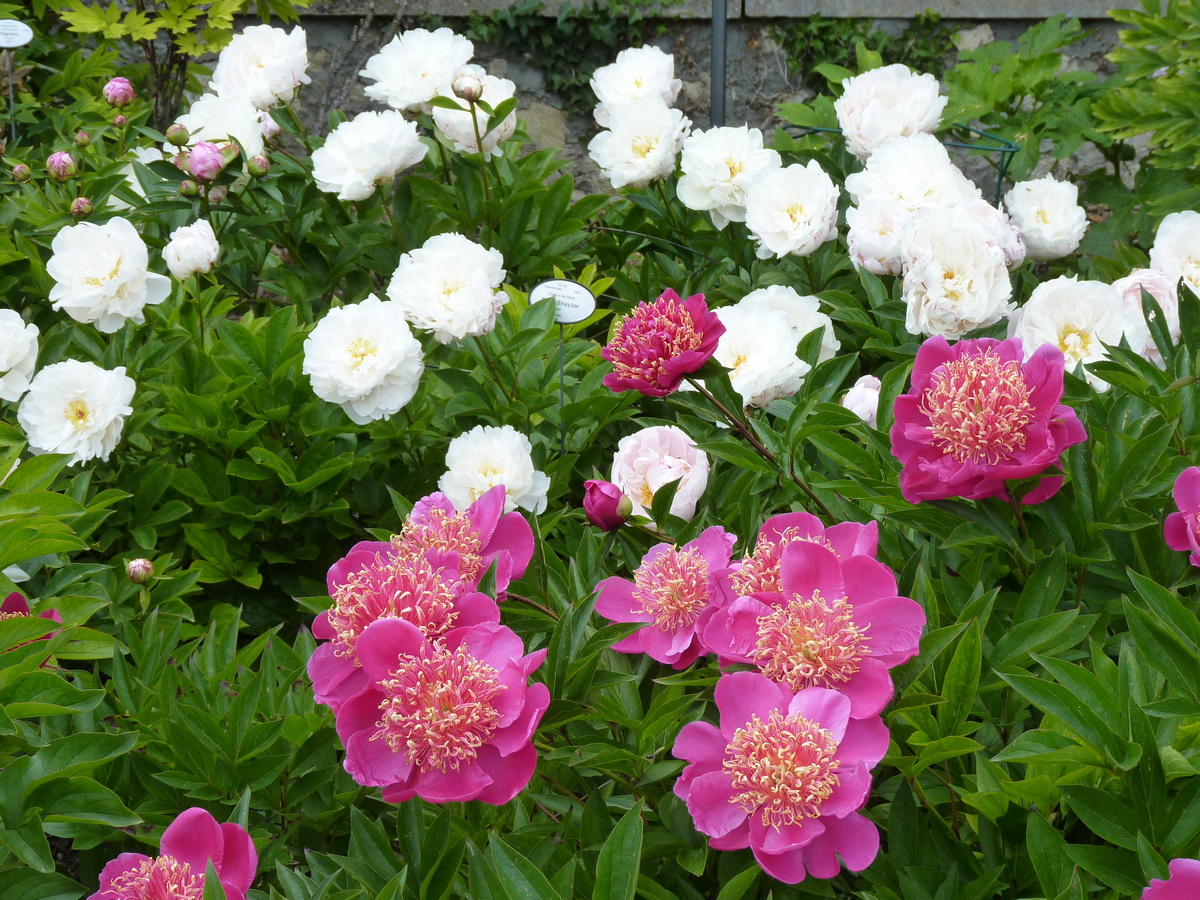
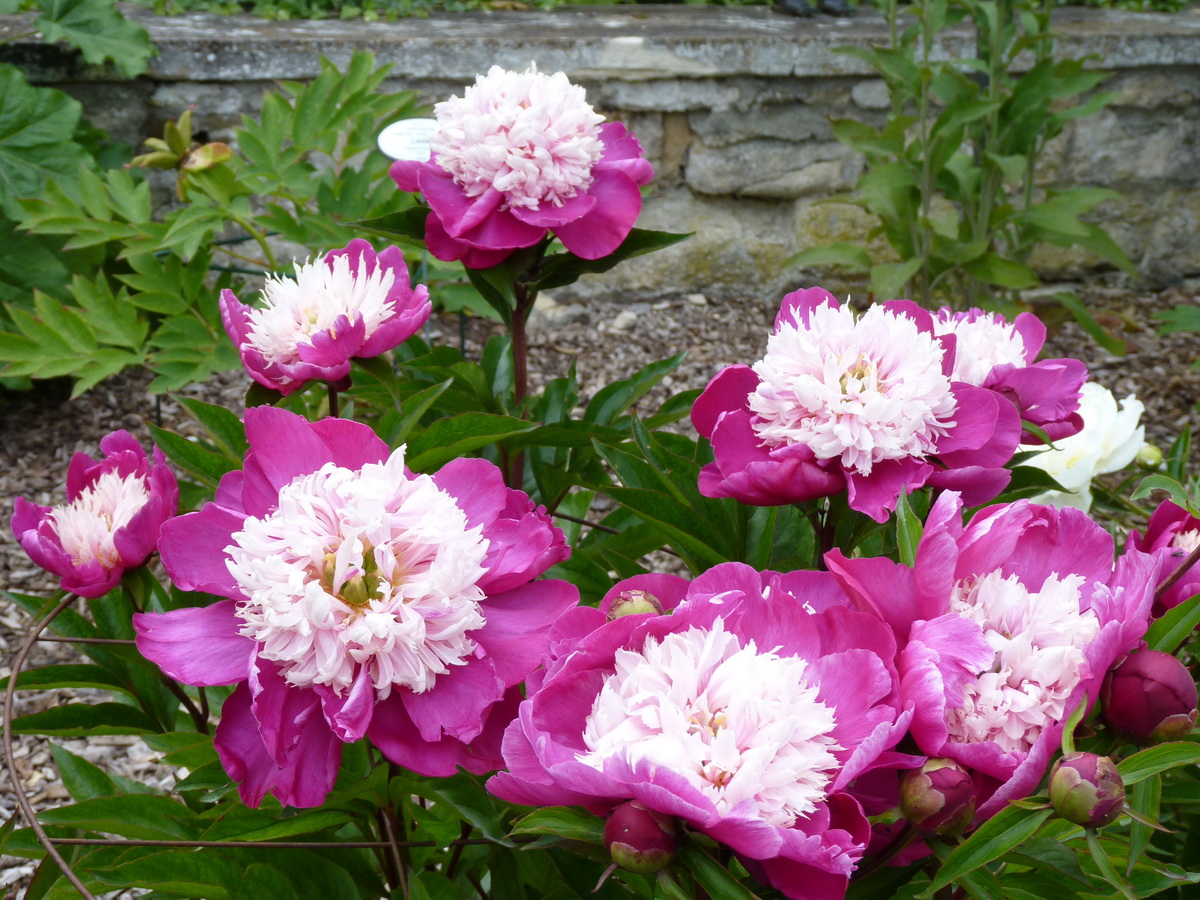
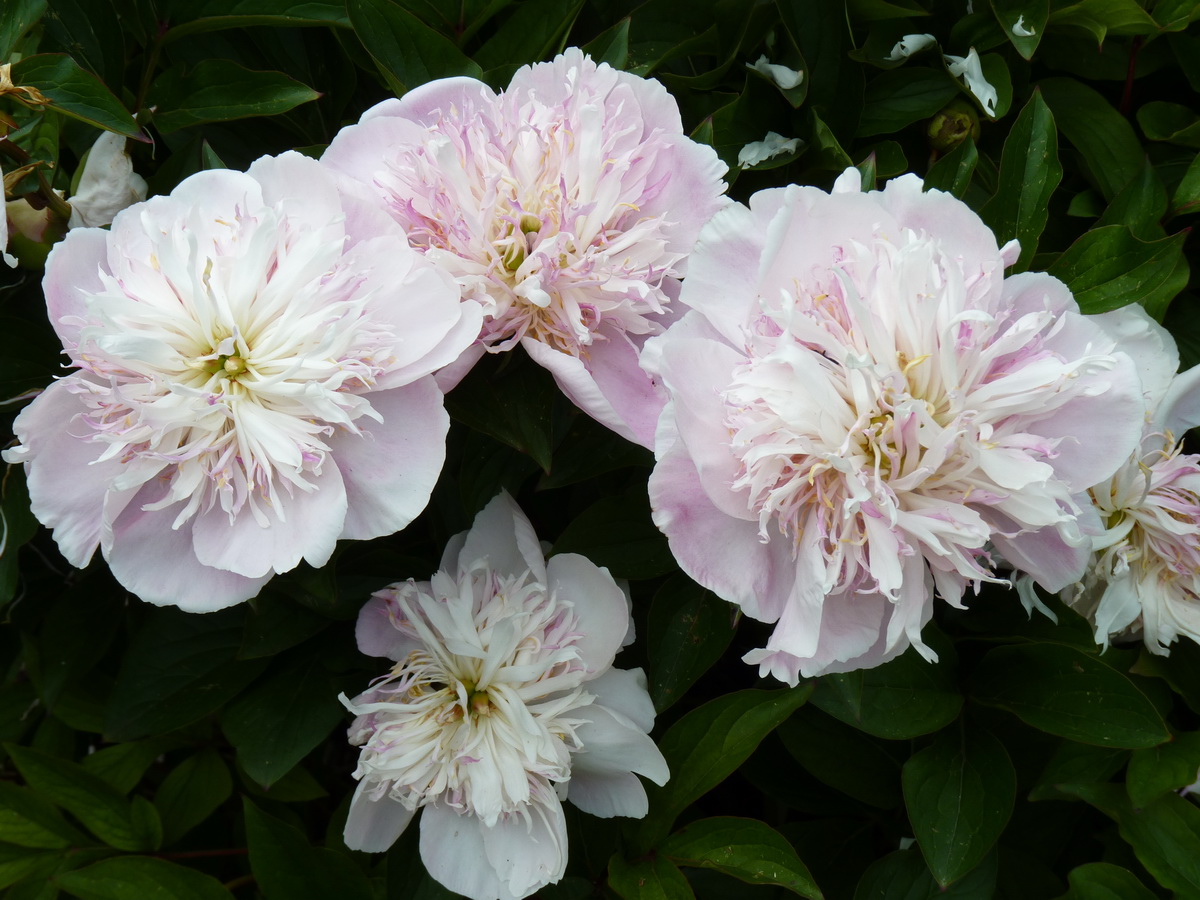
Centered on a rectangular water mirror, surrounded by orderly symmetrical geometric magnificent flower beds, with a brocade-like sea of flowers all year round, crowning the White Palace. To the left of the magnificent flower bed lies a large patch of slender peony beds.
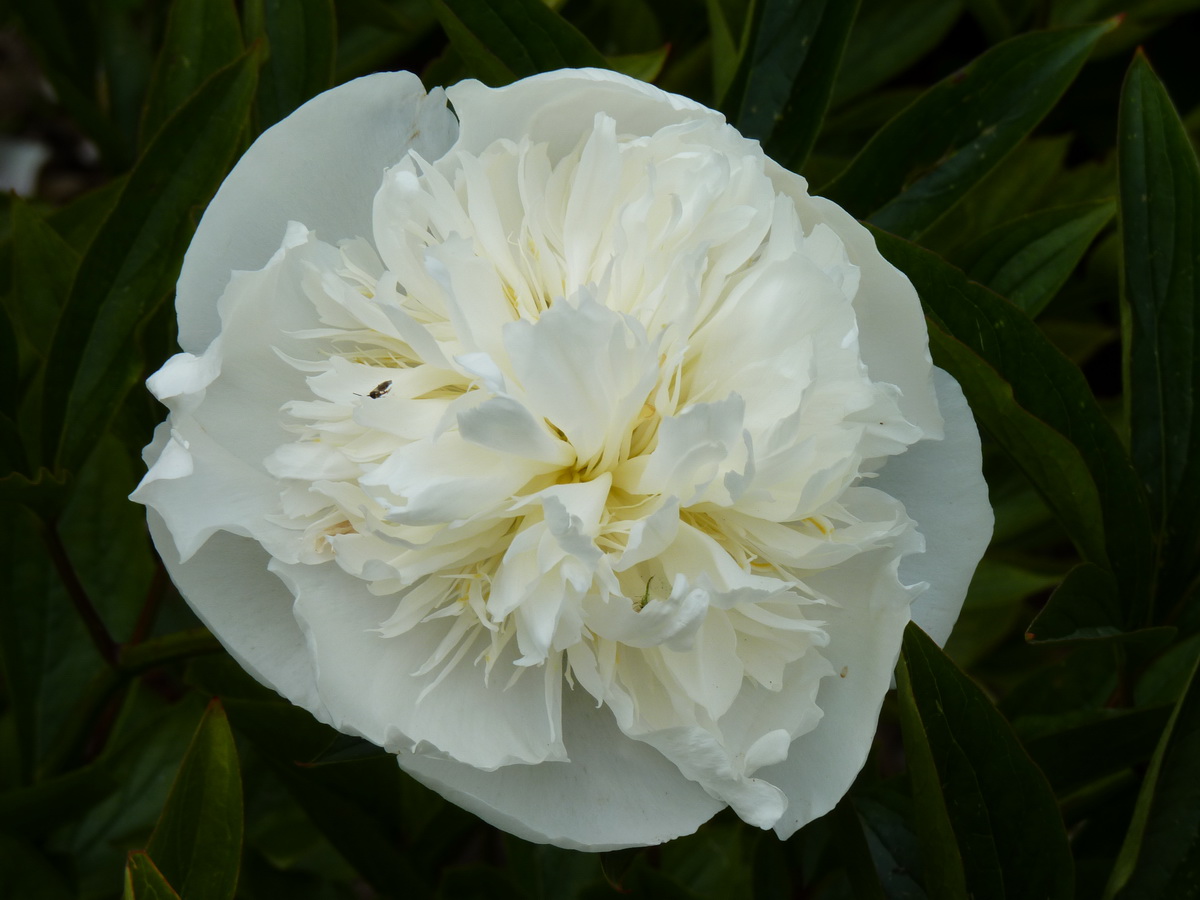
The Parc de Bagatelle is the garden in the City of Flowers that holds the most peonies.
This place possesses various magnificent peonies; whenever they bloom, the sight of a sea of flowers is deeply appealing. (The City of Flowers has two famous enchanting rose gardens; the other is the Parc de Roseraie de L'Haÿ-les-Roses) (Note: Address - Route de Sévres 92200 Neuilly Phone: 0140679700 Opening Hours: Summer 8:30 to 20:30 Winter 9:00 to 17:00) Note 1: Reference "Ode to Perennial Flowers and Plants Four Seasons" P108 (published by Green Life Magazine)