Paris Leysse Rose Garden
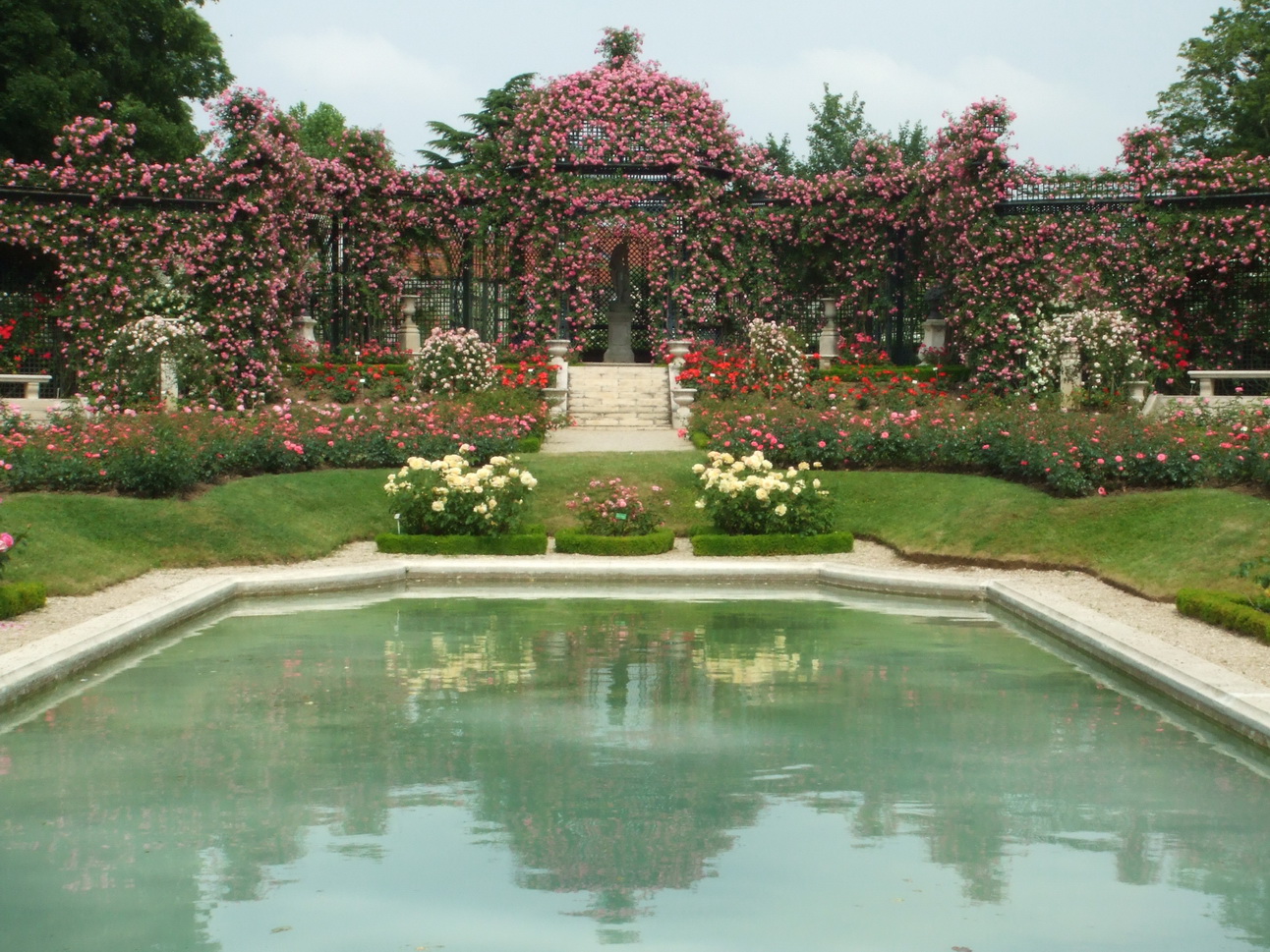
Leysse Rose Garden - Palace-style rose corridor
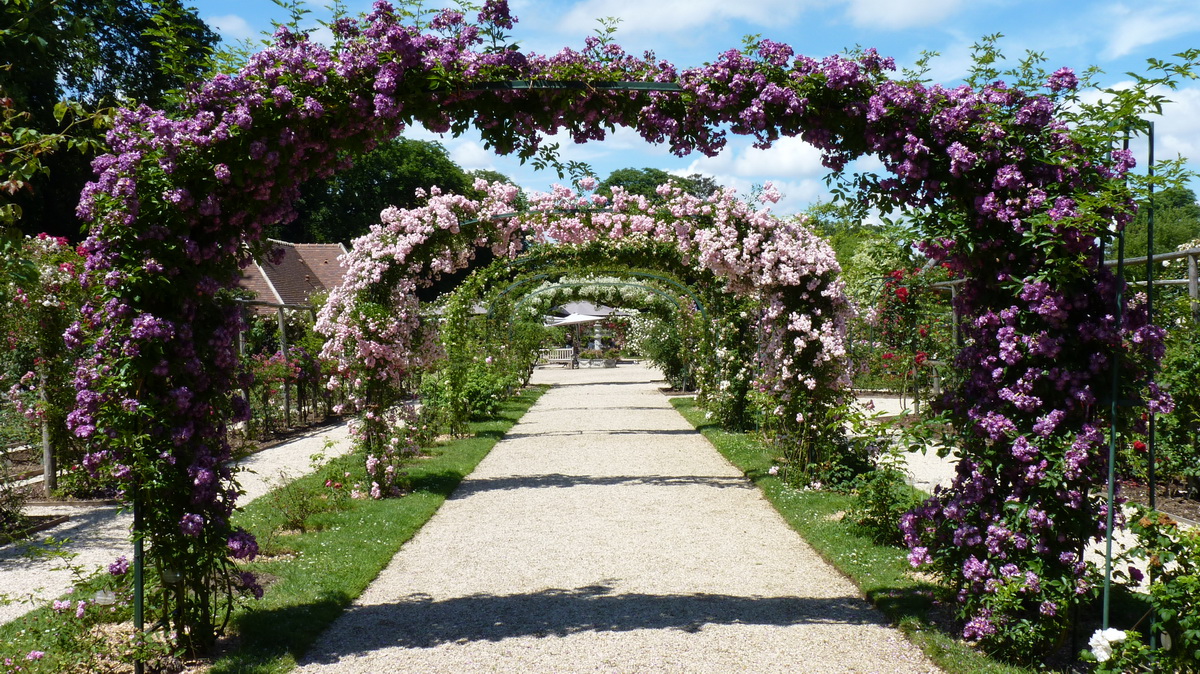
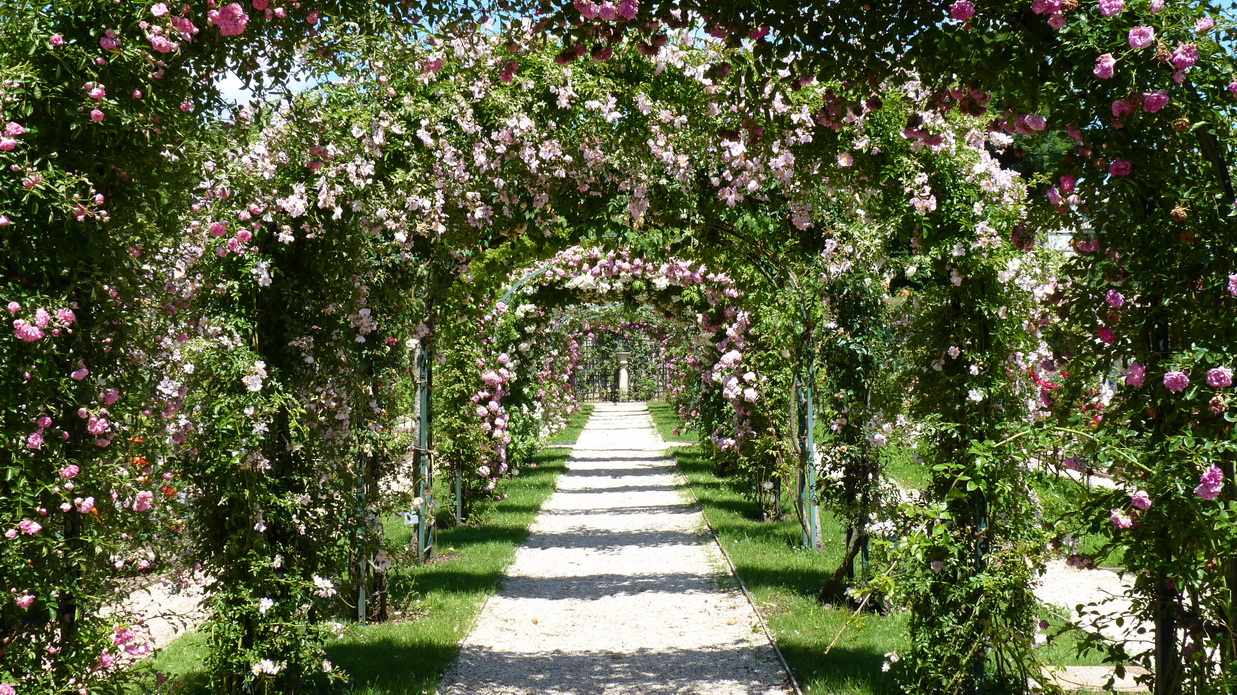
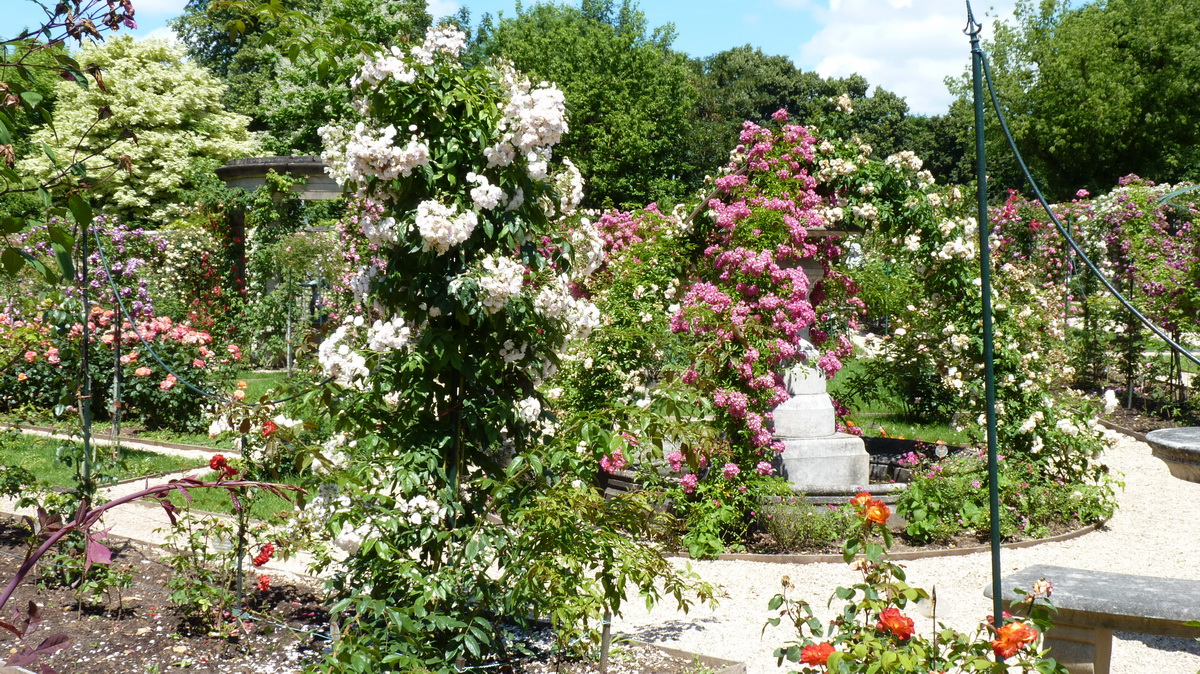
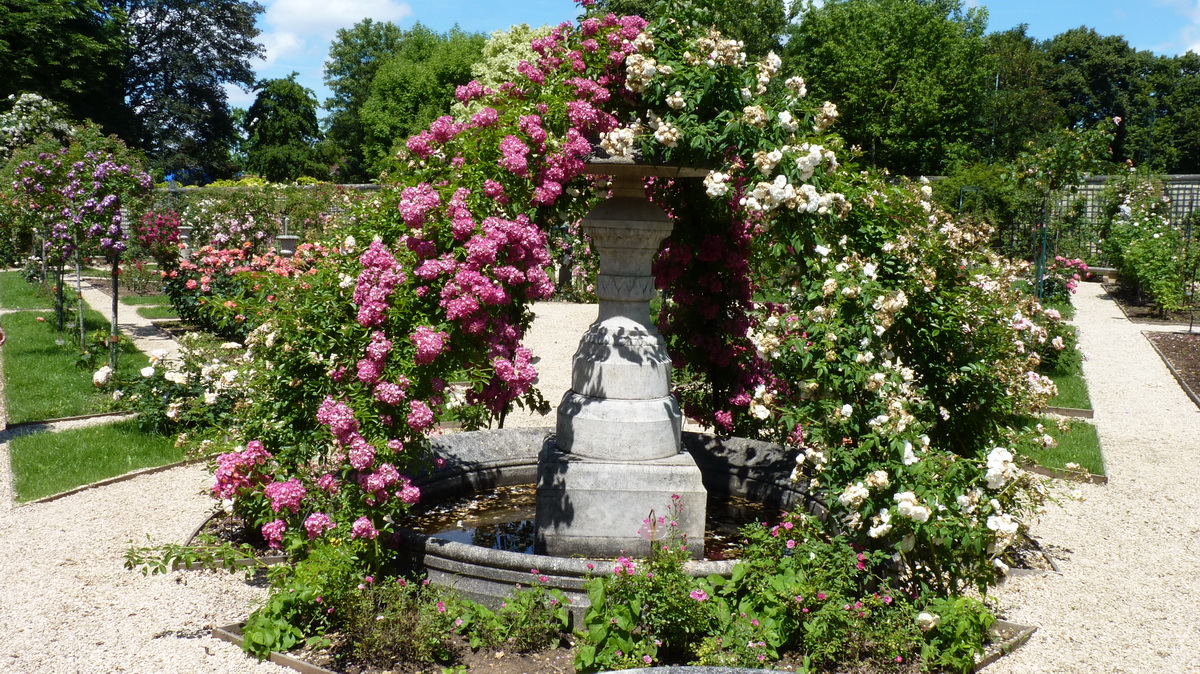
Text and photos by Chen Chi-Hsiang. The Flower City has two famous rose gardens, both charming and exquisite. The rose garden in Parc de Bagatelle is the most renowned for its lush flora, while the Leysse Rose Garden ranks second. However, for those who adore these delicate flowers, each possesses its own unique character and atmosphere. Just from the poetic place name "Roses," one immediately recalls the dazzling and enchanting roses.
Do you remember? Among popular songs in Taiwan, there is a hit song titled "Rose, Rose, I Love You." This masterpiece drew inspiration from the bewitching rose garden. The composer was likely an ambassador of roses, capable of expressing their voice with such poetic imagery and perfect expression.
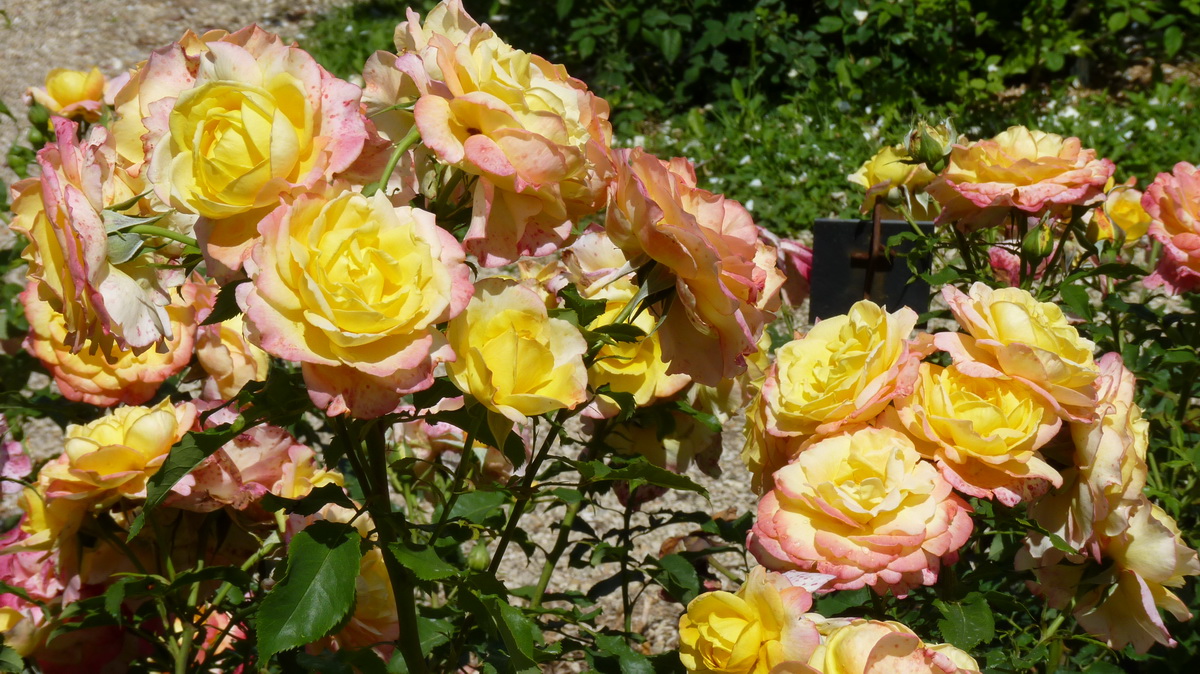
This fragrant rose garden, the oldest in the history of the Flower City, was founded by Jules Gravereau (founder of the famous "Bon Marche" department store in Paris), an avid lover of roses, during France's Golden Age at the end of the 19th century (1894). It now boasts a century-long history. In this corner of the verdant park, it collects dazzling roses from all corners of the world (nearly 3,500 varieties). People can appreciate the development of the entire rose family, from ancient to modern, from wild to cultivated, and various types from East to West. There are over 15,000 green rose bushes. The famous Bagatelle rose garden drew inspiration from here and transplanted roses into its own grounds.
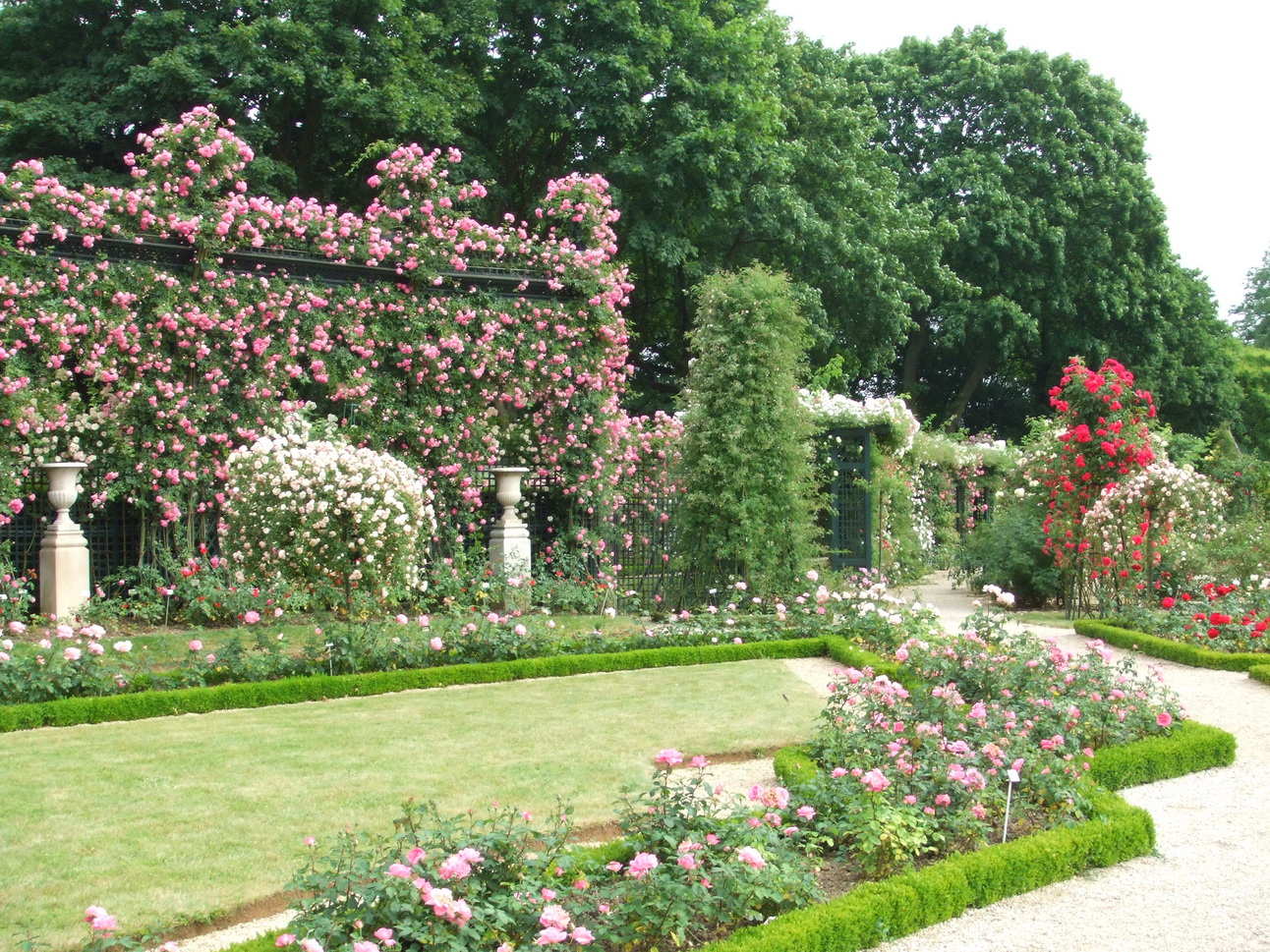
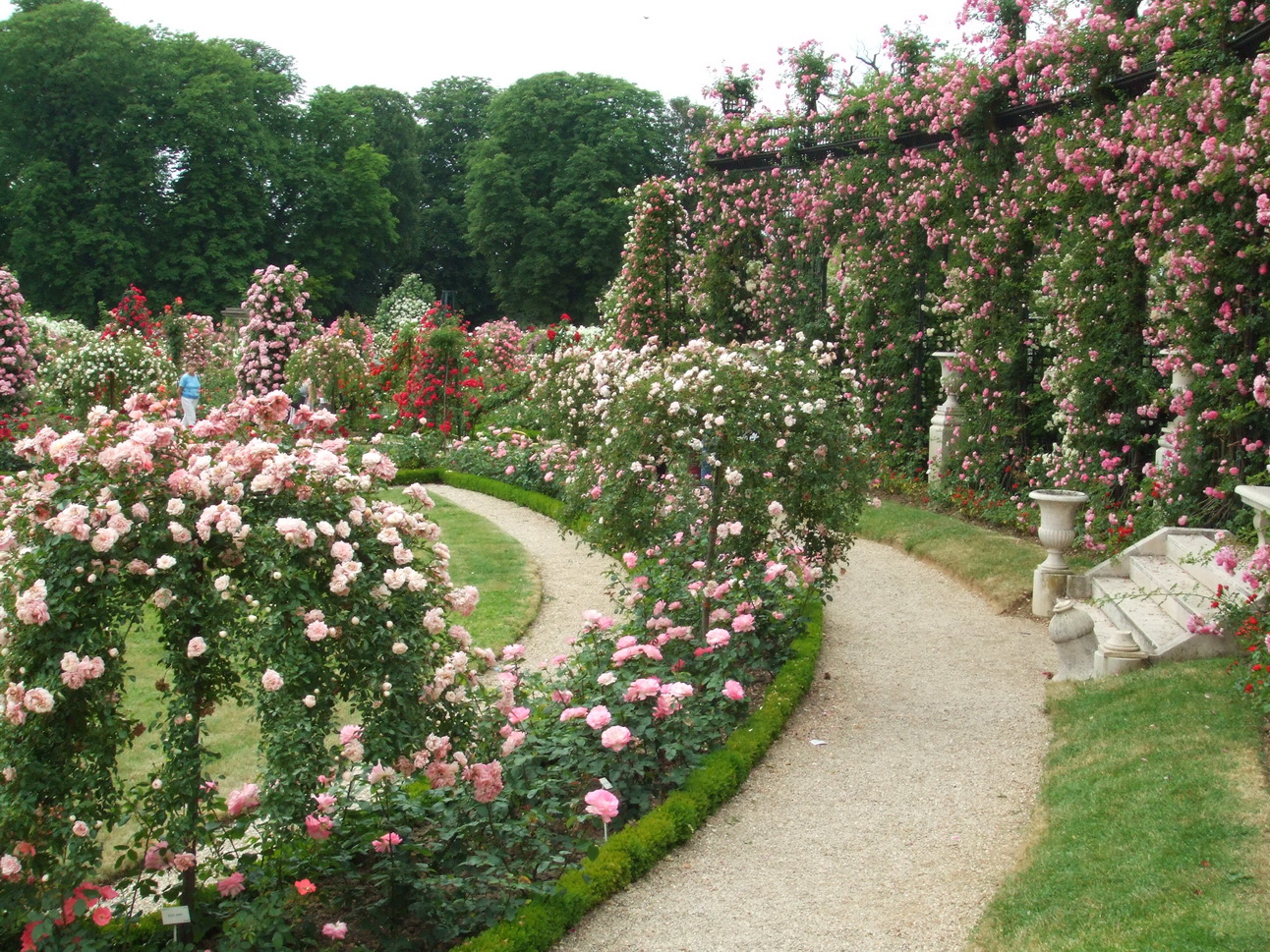
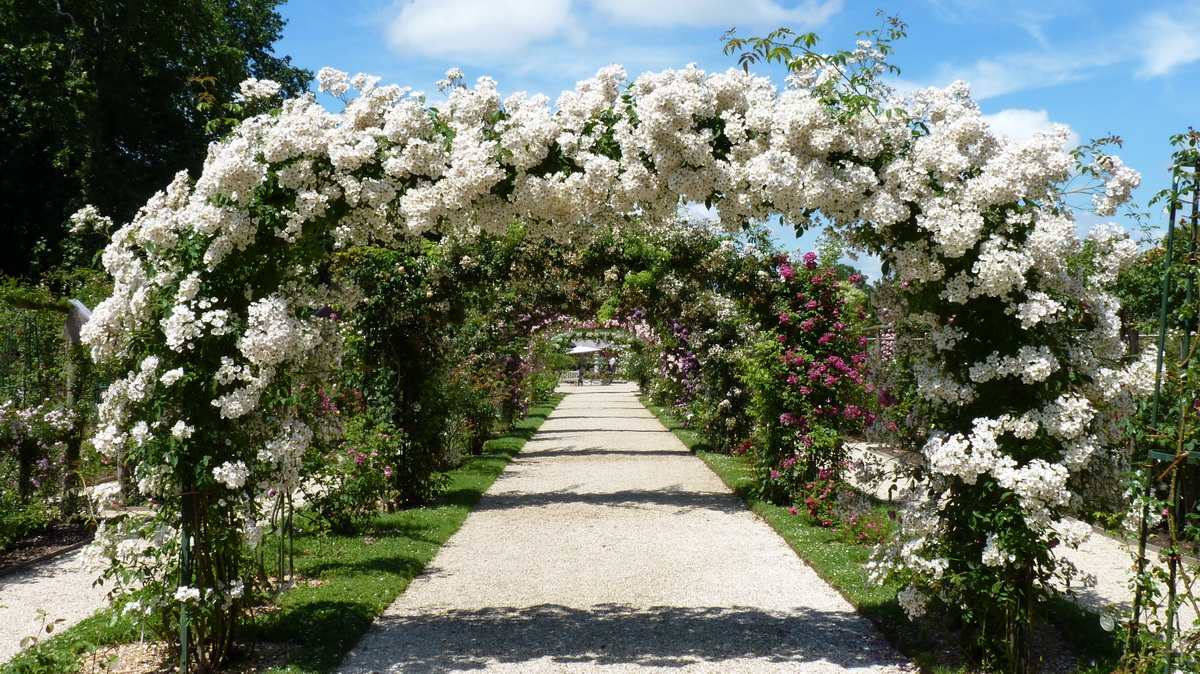
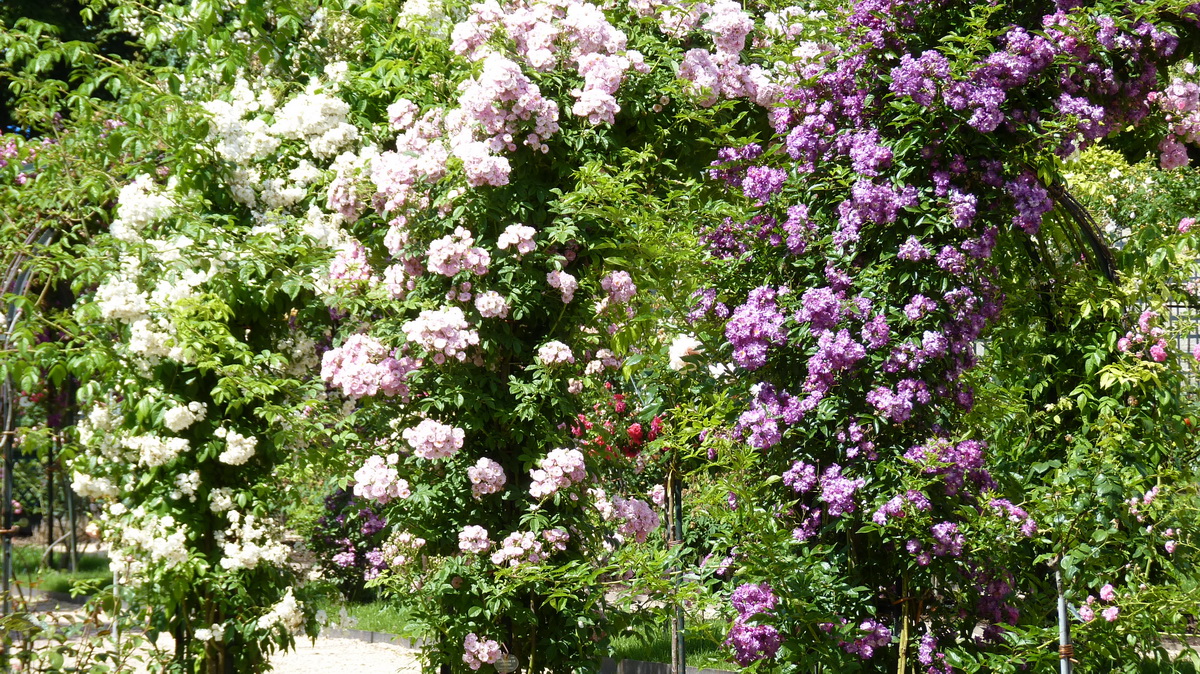
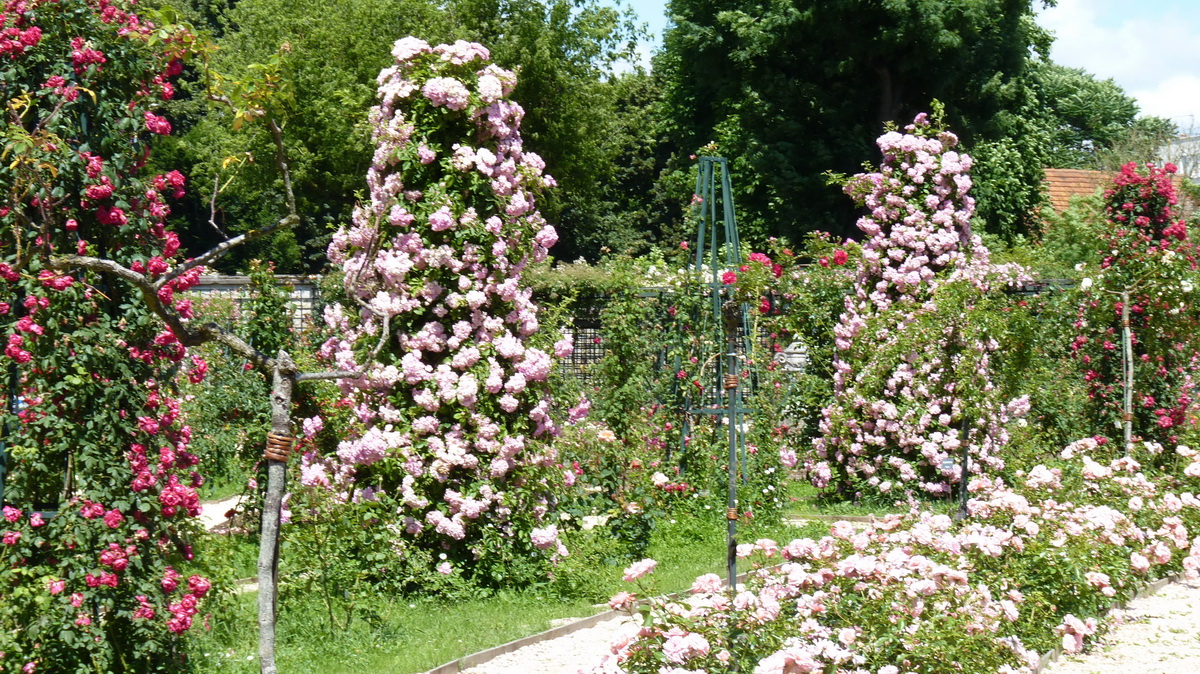
Is it a rose garden or Eden? In this wide French traditional garden filled with lush plants, orderly rows of charming, dazzling roses vary in rhythm and form. Rows upon rows, neatly arranged, numerous series of climbing roses and briars form colorful flower arches, corridors, and walls, with clever designs that invite contemplation.
The dazzling paths of roses and briars intersect and flow through, connecting flower-covered pergolas and natural theaters. Everywhere are dotted with quaint little statues, creating a poetic and picturesque scene that draws people in. Whenever the roses bloom in full force, the scene resembles a sea of flowers, making one yearn for it. Bathed in the rich fragrance of roses and intoxicated by nature's embrace, such intoxicating scenery makes one wonder where they truly are—is it a rose garden or Eden?
The entire colorful rose garden centers around an octagonal water mirror fountain with shimmering reflections, under a strict symmetrical fan-shaped layout. Surrounding the water mirror are decorative miniature roses. On the left are dazzling modern roses (from the 1950s to the present) near the Norman flat houses; first is the Noble Lady Rose, French roses surrounding the Sanctuary of Love, and the rest are European modern roses. On the right are dazzling ancient roses (from the 19th century to the early 20th century); Eastern (Chinese, Japanese, Indian, etc.) roses and briars, followed by the Empresspremium roses of Malmaison, and 18th-century roses, among others.
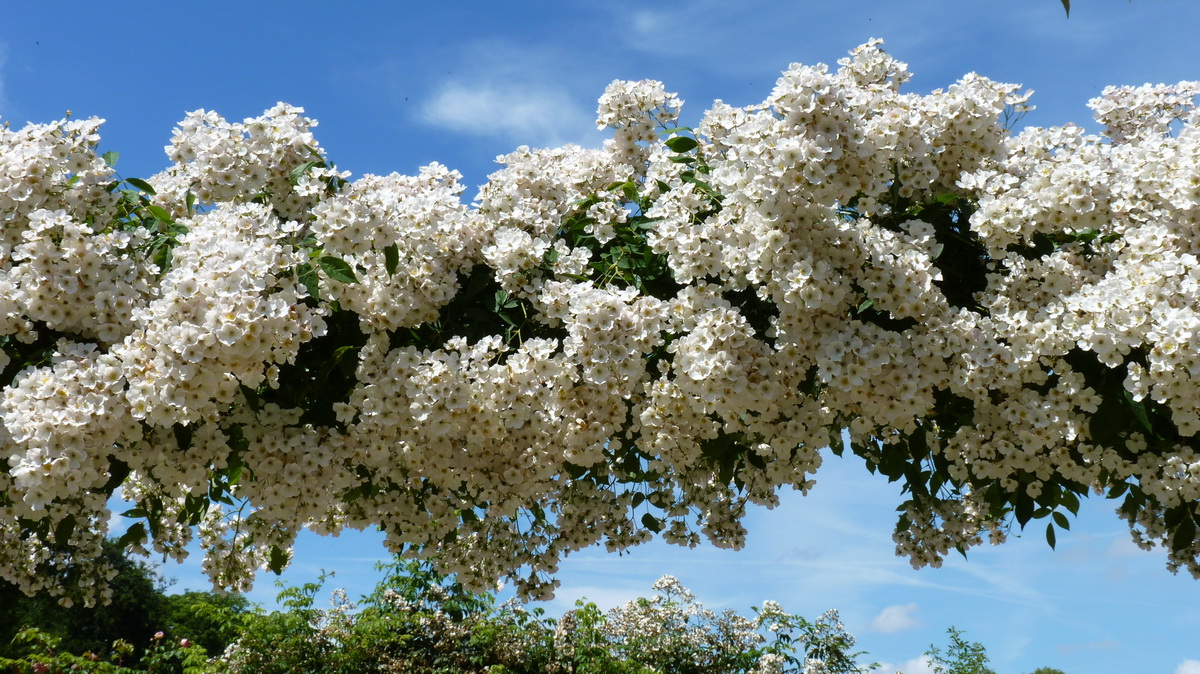
On the back wall of the series of flower-covered pergolas, specially collected roses and briars climb up; wild roses, large shrub roses, Japanese field briars, and tea-scented roses, among others. Full of vitality, the scene is captivating.
In front of the rose garden lies a lush English garden. In this natural creation, numerous tall pine trees, open lawns, and winding tree-lined paths penetrate through flower clusters, rose beds, and woods. In this fluid, spacious environment, it becomes a place for leisure and recreation in the Flower City.