Visiting the Hometown of the Famous Poet Paul Verlaine
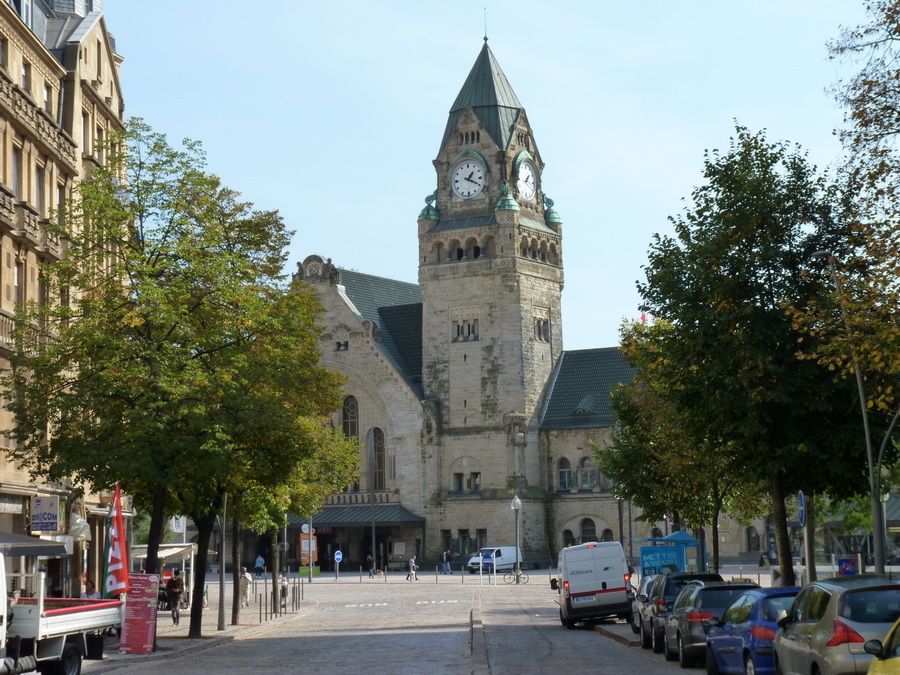
The magnificent and majestic Metz train station is a unique historic building.
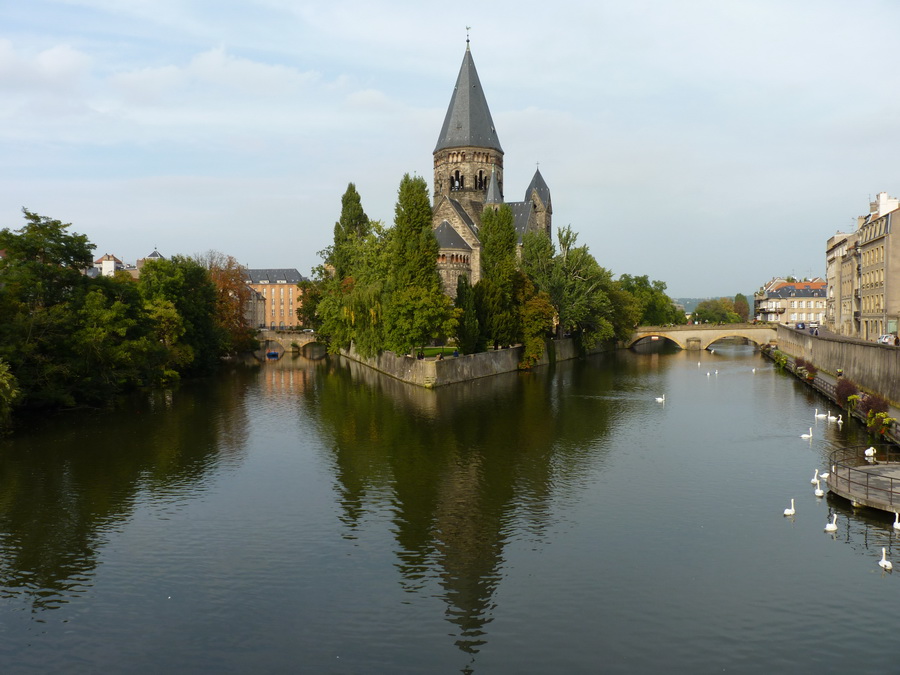
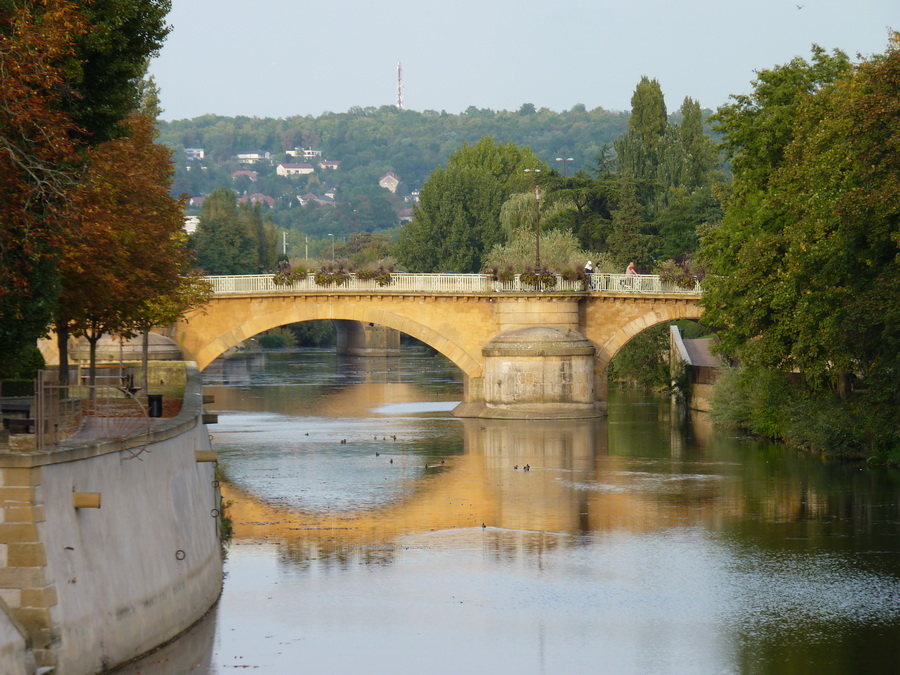
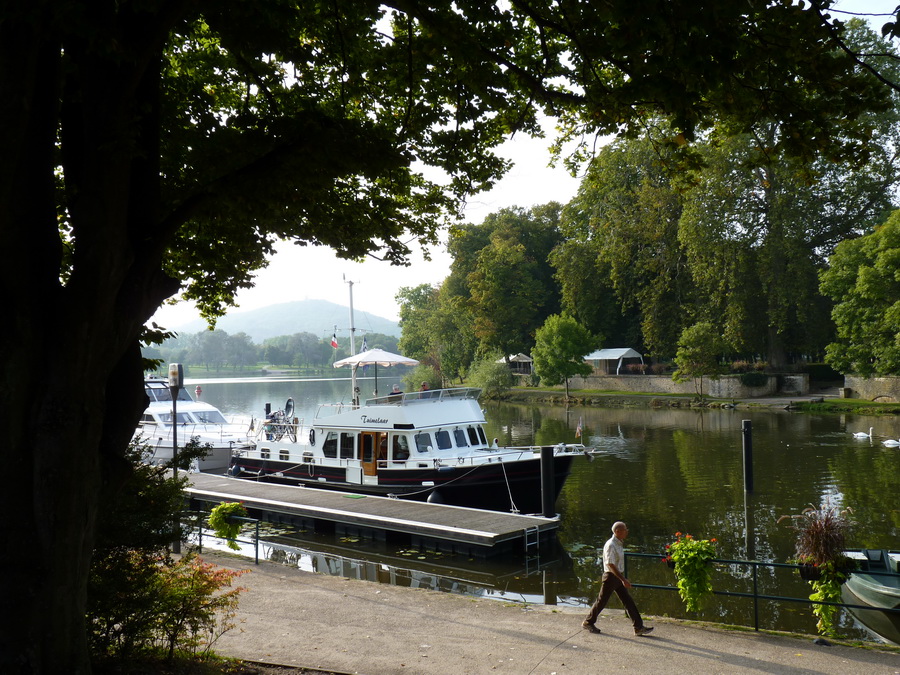
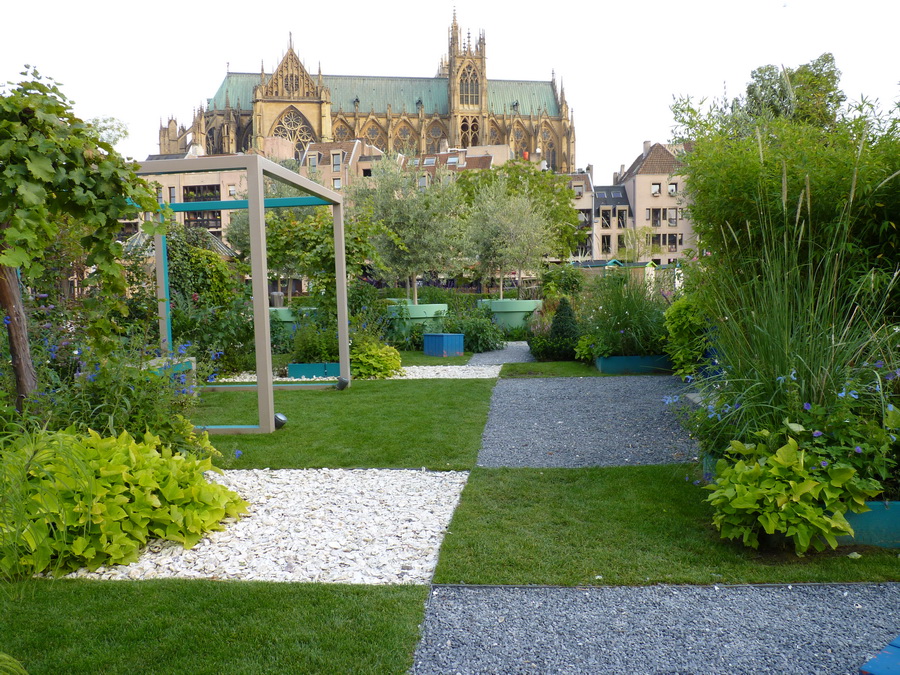
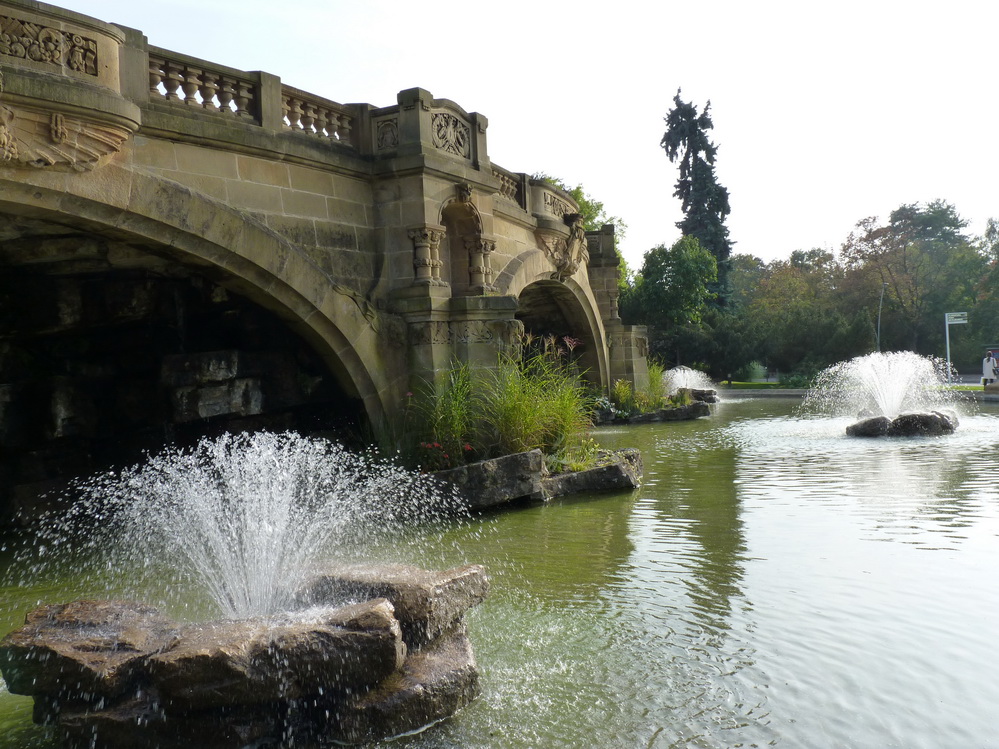
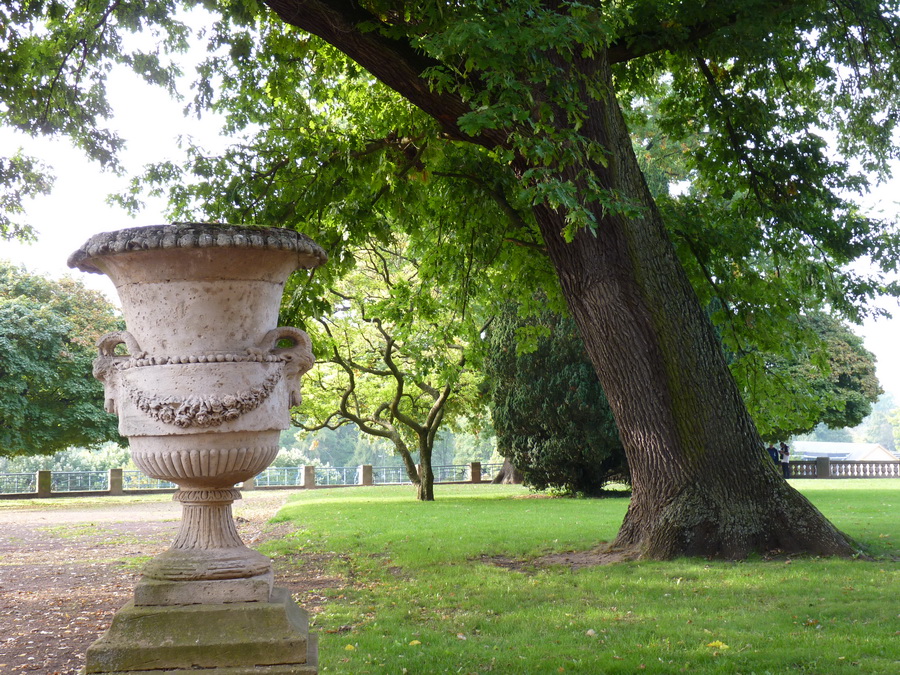
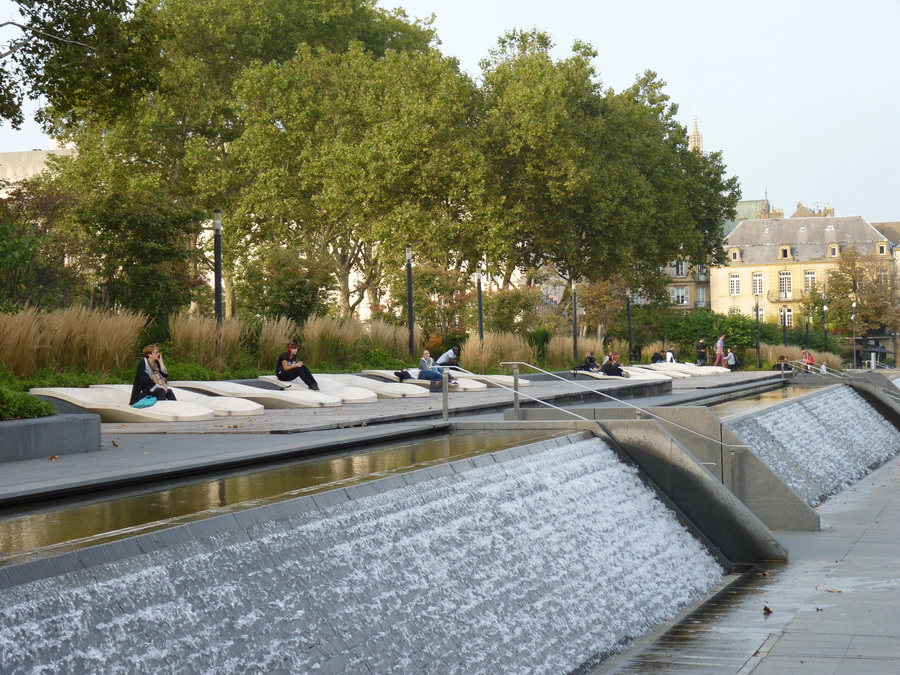
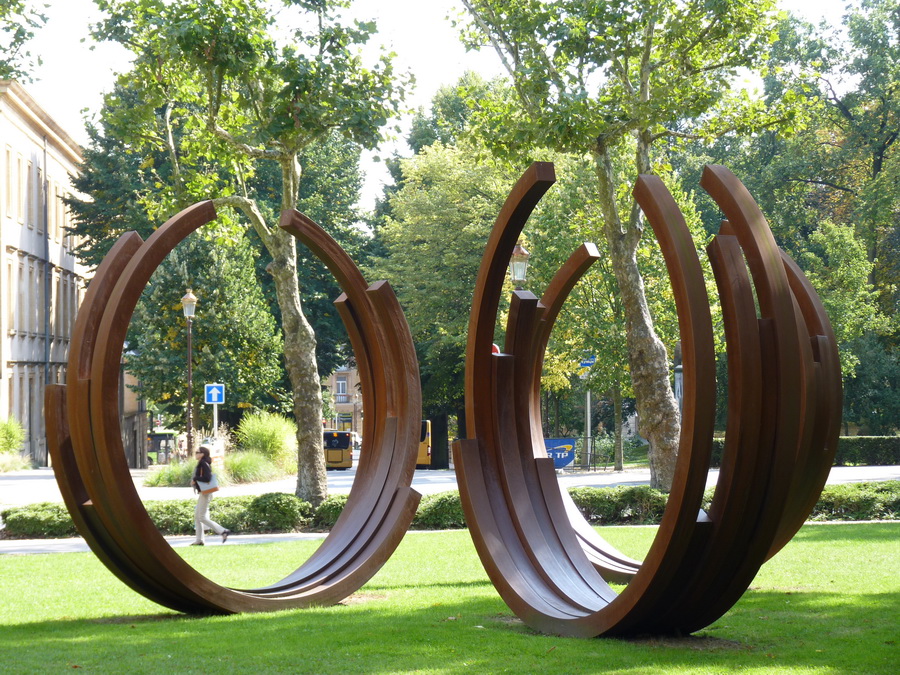
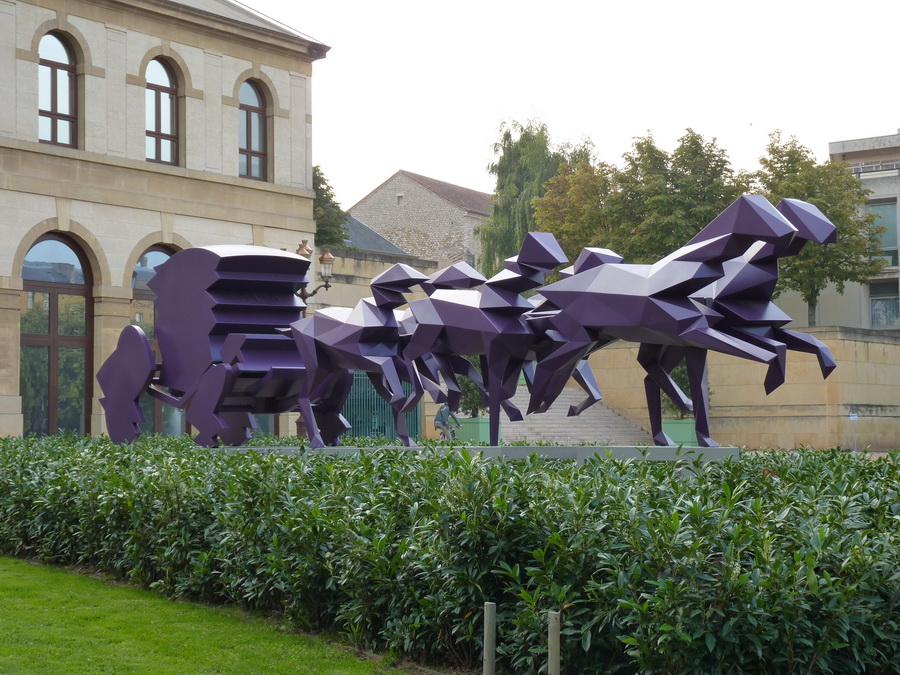
Text and photos by Chen Chi-Hsiang. Metz, located in the Lorraine province in northern France, is designated as an ancient city of art and history. Situated along the beautiful banks of the Moselle River, this town was once German territory; its metropolitan area features a unique blend of German architectural styles. Bordering Germany and the Benelux countries, it serves as a cultural, commercial, and economic crossroads in Europe. The Lorraine region was historically the center of France’s steel and crystal glass industries. In recent decades, globalization has led to factory relocations, industrial decline, and economic stagnation. The Centre Pompidou-Metz chose this cultural capital not without reason, demonstrating a clear ambition and forward-looking vision to revitalize the cultural tourism industry.
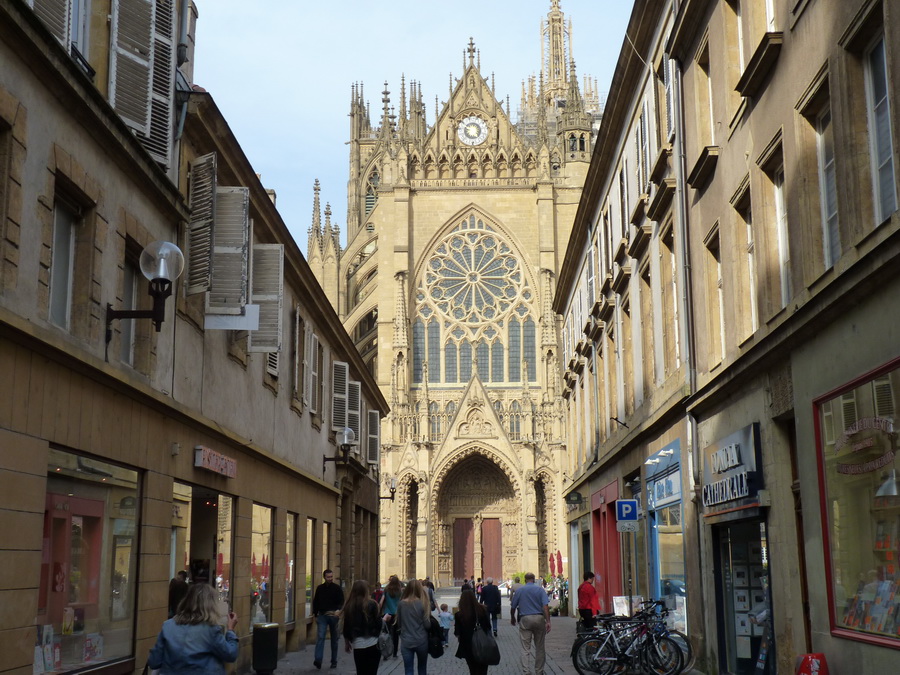
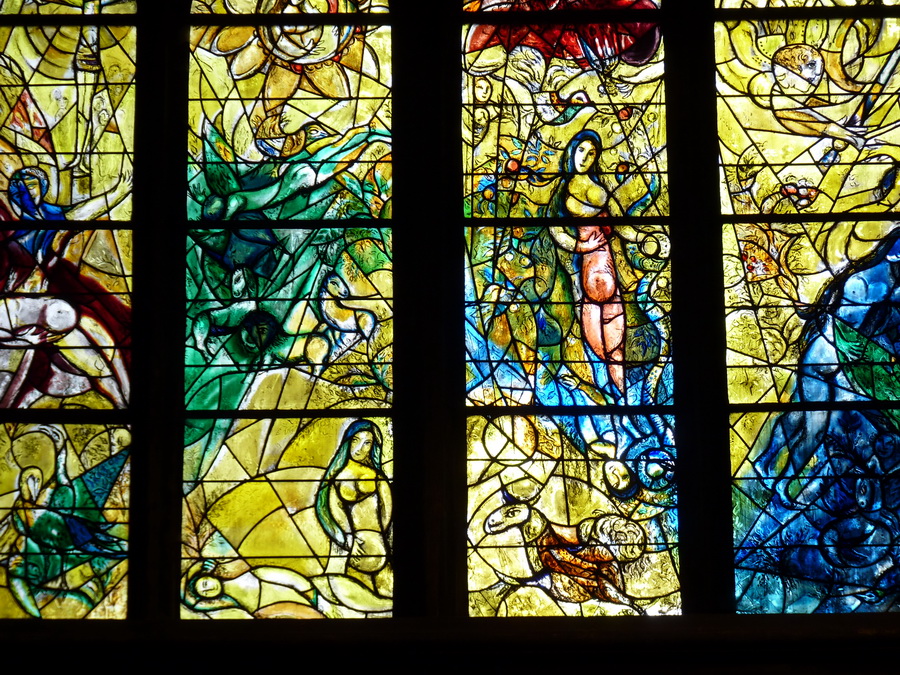
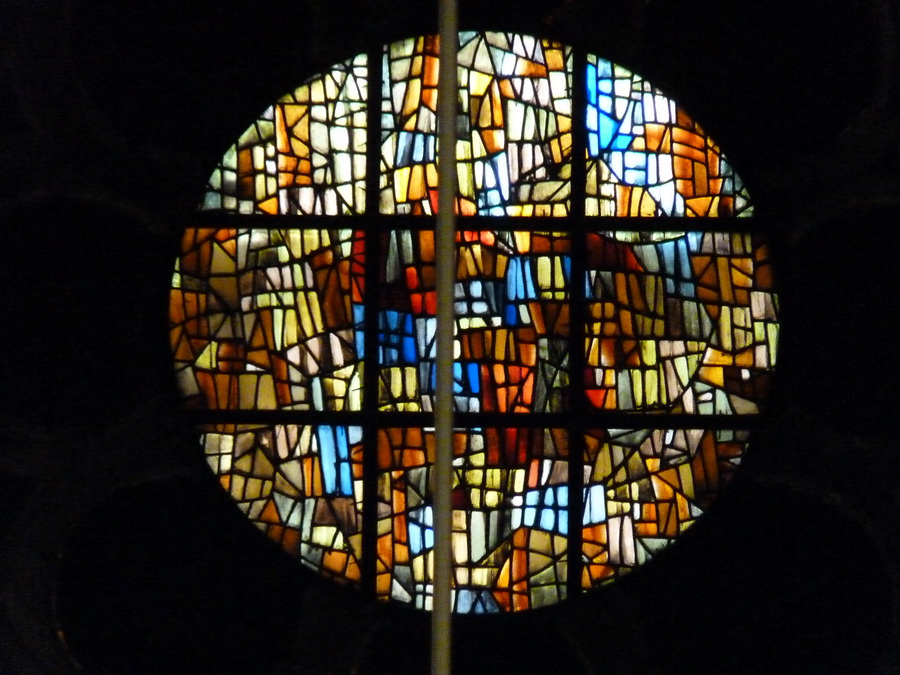
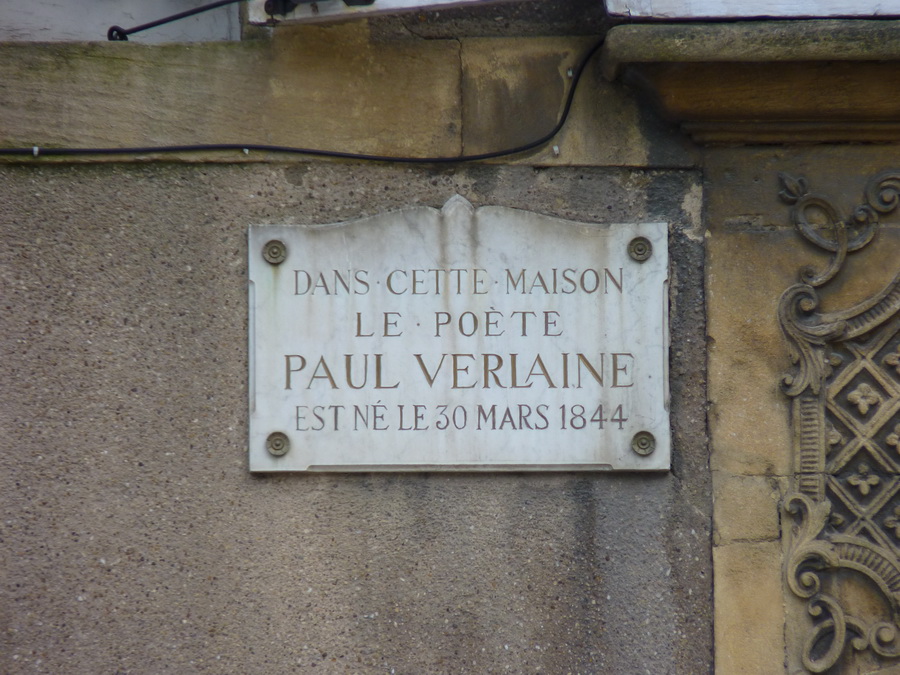
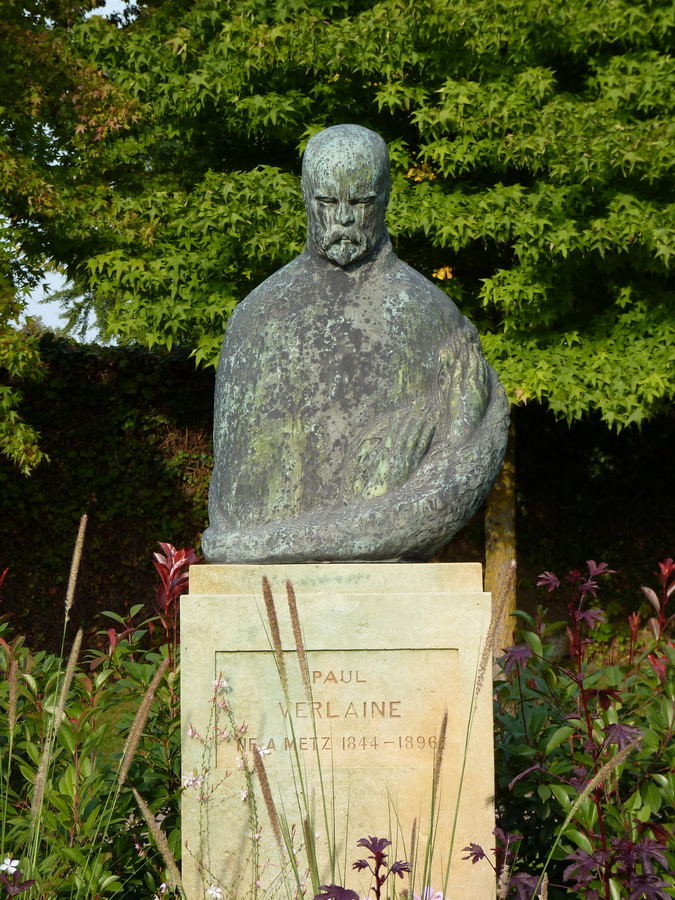
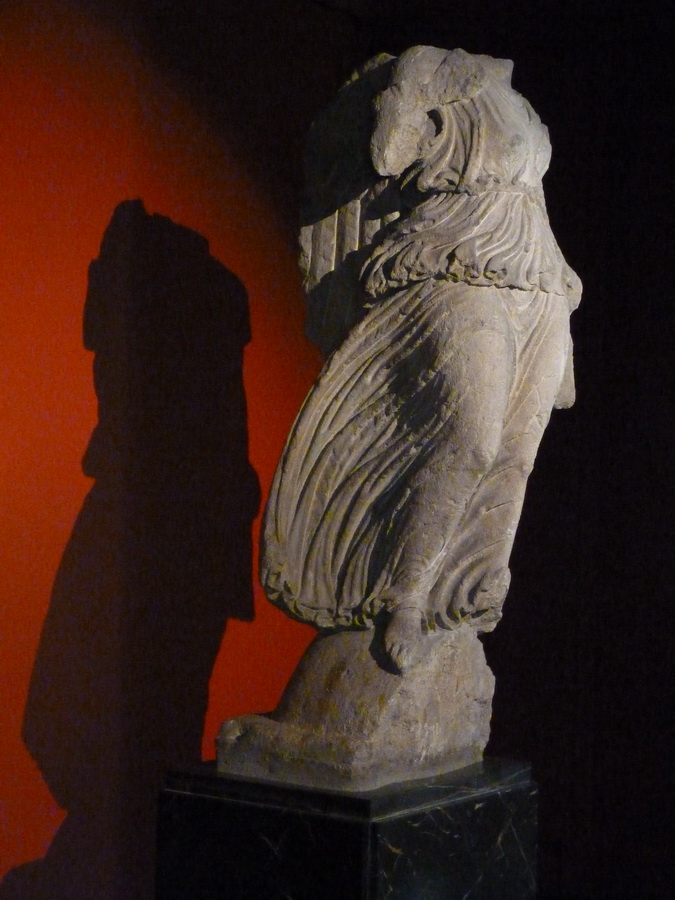
Metz is the hometown of the famous 19th-century French poet Paul Verlaine (born in 1844) and the site of an ancient Gallo-Roman city-state from the Middle Ages in northern France. Historical relics and monuments are found throughout the town. The most striking feature of the metropolis is the magnificent Saint-Etienne Cathedral, which also serves as the town’s landmark. Inside the cathedral is a series of stunning modern stained-glass works by renowned painters such as Jacques Villon (Duchamp’s brother), Marc Chagall, and Raymond Bissière, making it one of the city’s major tourist attractions. Other sites include the Abbey Church of Saint-Pierre-aux-Nonnains, France’s oldest abbey church (built in the 5th century); Gallo-Roman bath ruins (exhibited in the basement of the museum); medieval city walls; pavilions; and royal convents. The magnificent and majestic Metz train station is a unique historic building and the most beautiful and exquisite train station in France. The Municipal Museum (Cour d’Or), which cannot be missed, houses the richest collection of regional artifacts in Lorraine. Its dazzling array of items allows visitors to travel through a time tunnel. Today, the Centre Pompidou has become a new landmark for contemporary humanities and arts.
Of course, visiting the hometown of the poet Paul Verlaine involves personally touring his former residence and paying highest tribute to the great poet. The writer’s former home has become a benchmark and source of energy for local cultural consciousness.