Comparison of Pop Art and Nouveau Réalisme
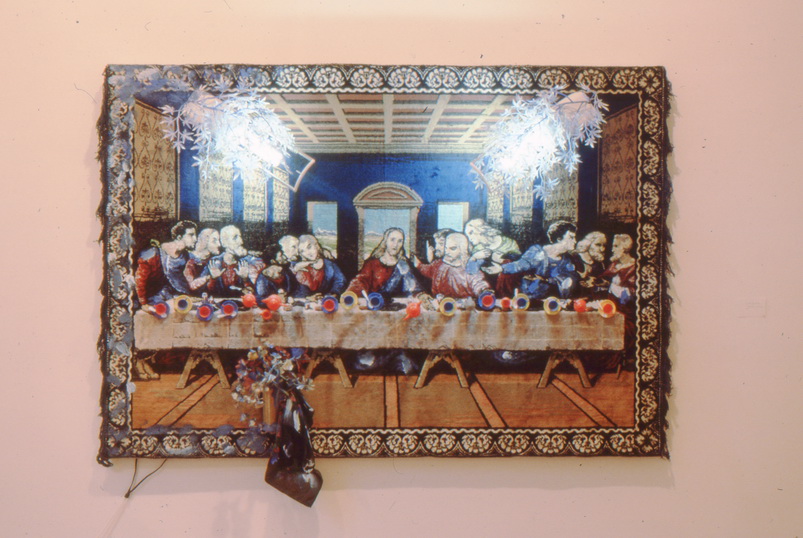
D Spoerri Last Supper 1987 Private Collection
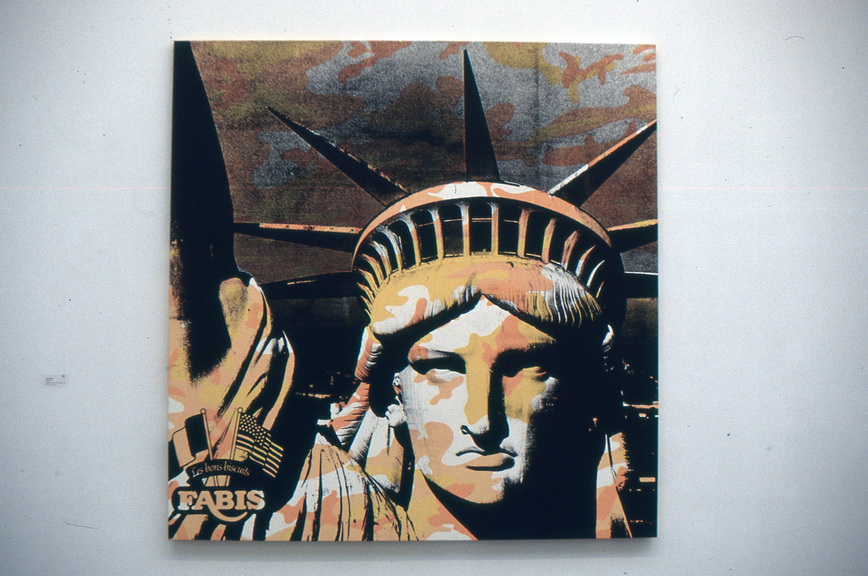
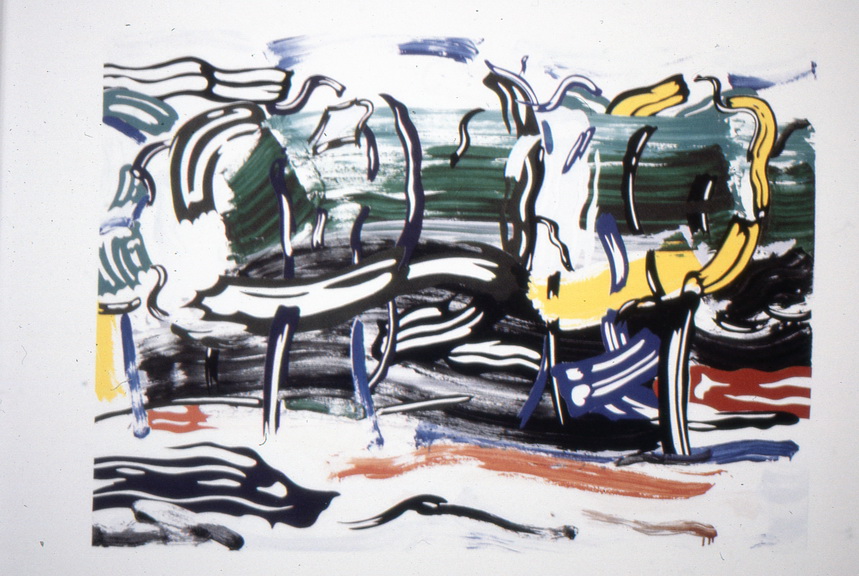
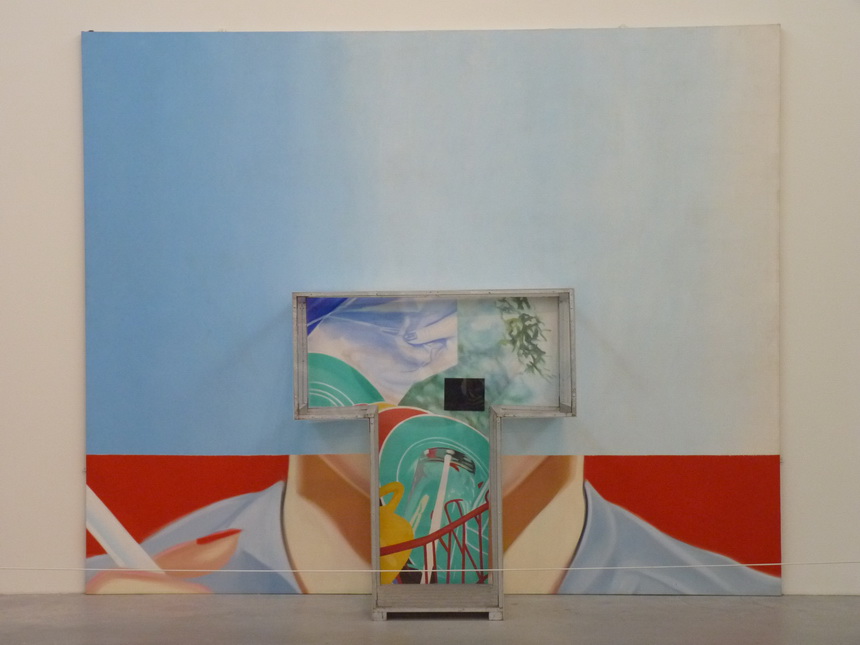
Text and images / Chen Chi-Hsiang Comparison of Pop Art and Nouveau Réalisme: Pop Art and Nouveau Réalisme opposed the rigidity of 1950s abstract art, directly utilizing the appearance of various objects from consumer society and industrial civilization to actively develop and transform visual language. Both inherited and expanded Marcel Duchamp’s concept of the "readymade," with Duchamp stating that "anything can become art." They also incorporated John Cage’s notion of non-focus or "life is art." As Cage said, "Life should be completely connected with art; however, there is no reason why artistic beauty must necessarily come from traditional materials and methods. Any ordinary matter (image) in any place could be where art occurs, depending on how the creator manages it." Both display the various layered states of objects in European and American industrial, consumer-civilization societies, creating visual formal language through the depiction of common consumer objects, presenting them through humor, wit, satire, symbolism, and metaphorical signs.
Pop Art: Consumer society / mass culture, representation of objects, fabrication and simulation of pseudo-readymades (or presentation of readymades), depiction of consumer society imagery, portrayal of objects around life that are unworthy or overlooked, granting them a magical volume; subject matter: the face of the mass consumer society.
Nouveau Réalisme: Metropolitan civilization / social appearance, presentation of objects, accumulation, overlapping, combination, compression, tearing, wrapping, and decoration of readymades, presentation of metropolitan landscape imagery, emphasis on single-technology processing across industrial disciplines, utilizing industrial craftsmanship to create unintended meanings; subject matter: the iconic appearance of metropolitan landscapes.