The Grand Palais "Horticultural Exhibition"
No one expected the Grand Palais in Paris to become a vibrant garden embracing all things.
Text and photos by Chen Chi-Hsiang. After the global financial crisis, both Western developed and developing nations faced economic contraction. Under the side effect of zero growth, fiscal budgets for almost all European countries were tightened. Every nation rigorously saved on expenses, most noticeably through sharp reductions in cultural funding. Consequently, the Grand Palais’ Monumental Exhibition this year was canceled when the new government took office last year.
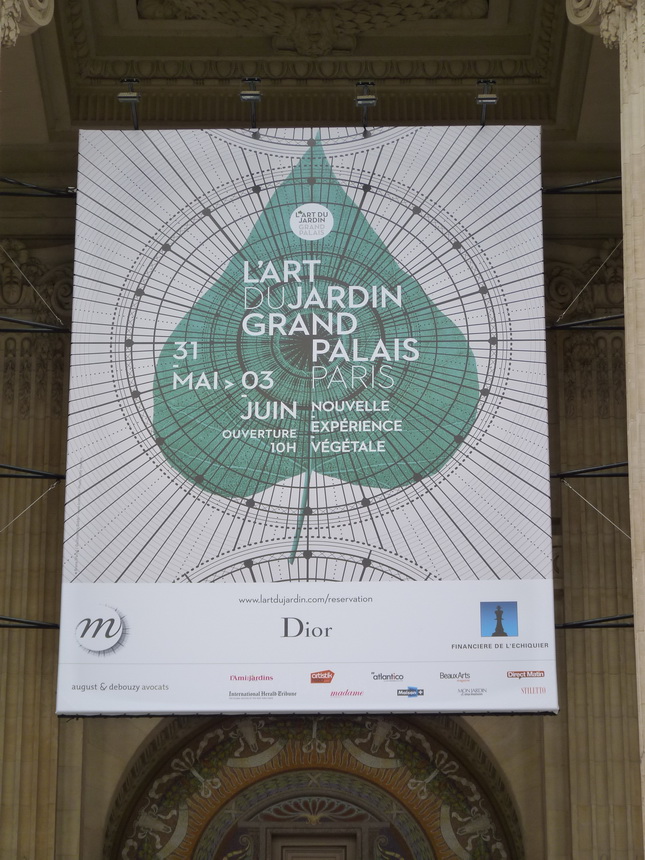
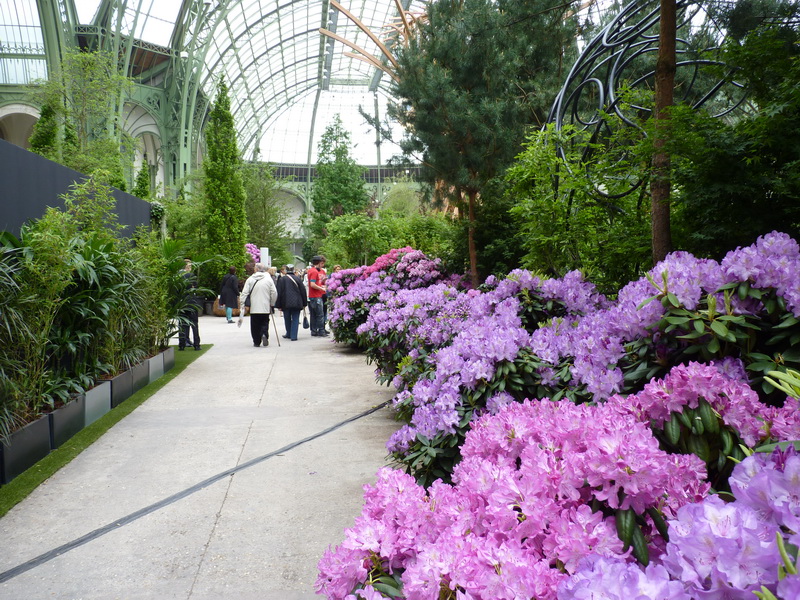
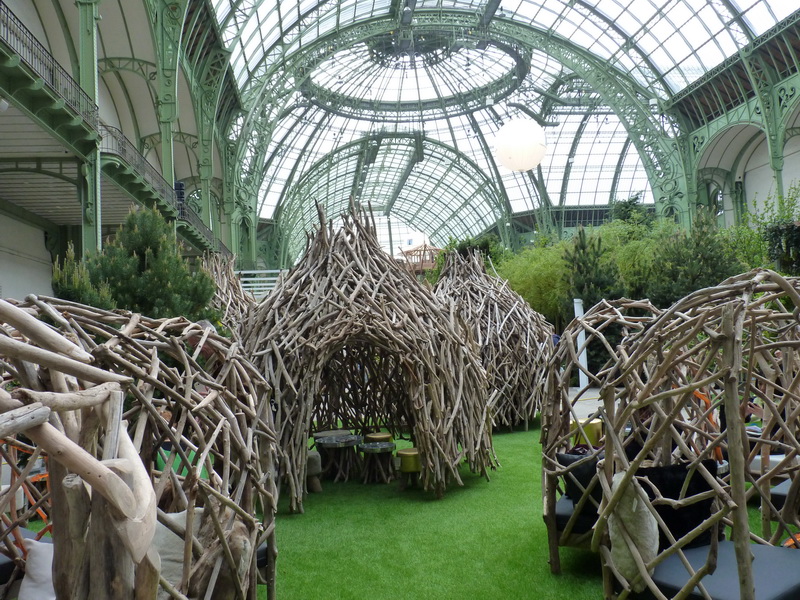
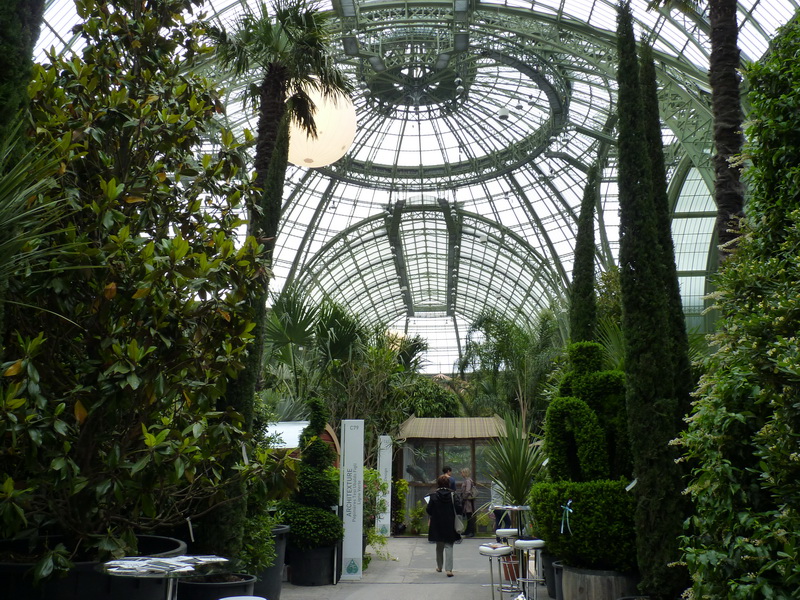
Paris’s annual Horticultural Exhibition, previously held behind the lush Tuileries Garden and the Musée de l'Orangerie, seized the opportunity this year to be grandly hosted at the Grand Palais, Paris’s largest showcase for arts and commerce. This greenhouse spans over 13,000 square meters, gathering renowned French horticulturists, architects, nursery growers (florists and farmers), garden tool designers, sculptors, painters, photographers, and related industries. Belgium’s horticulturists were specially invited to exhibit this year.
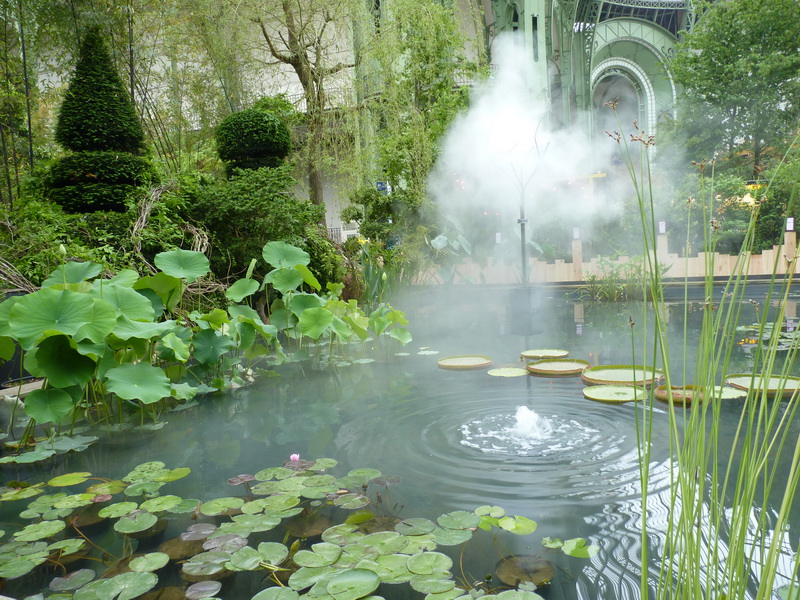
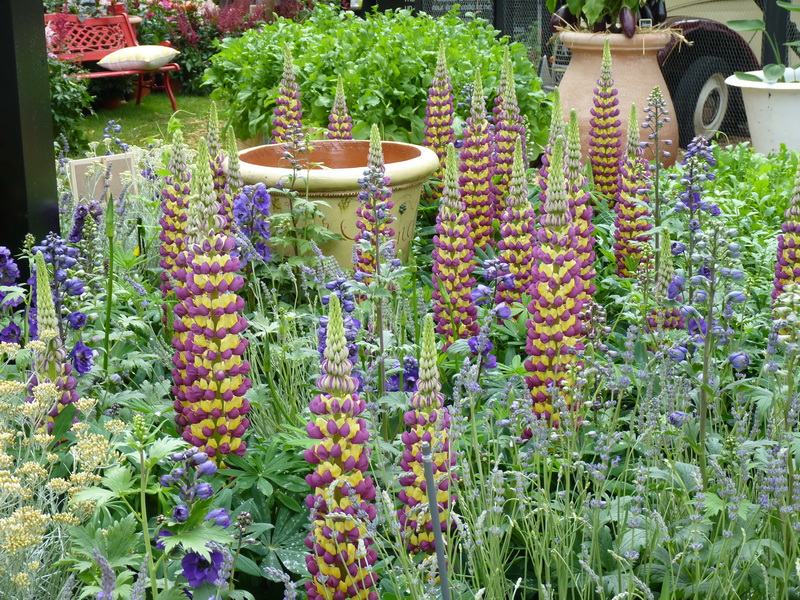
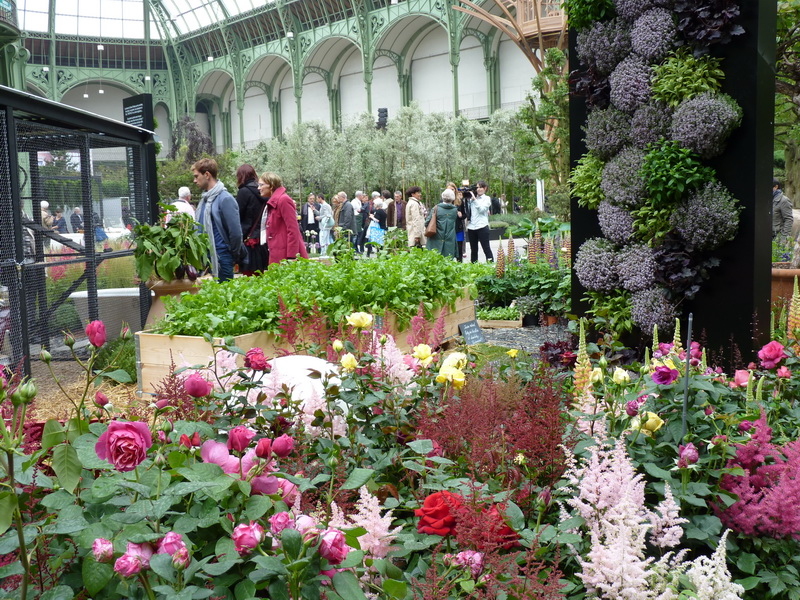
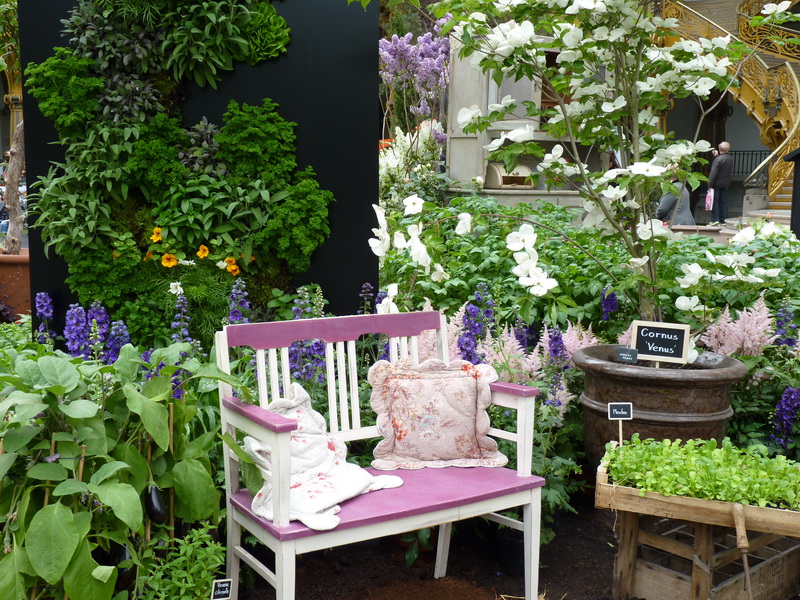
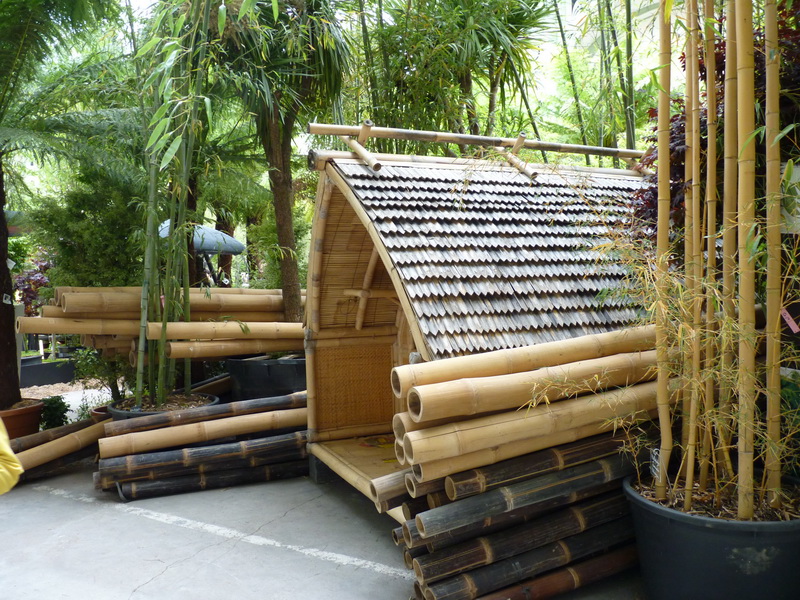
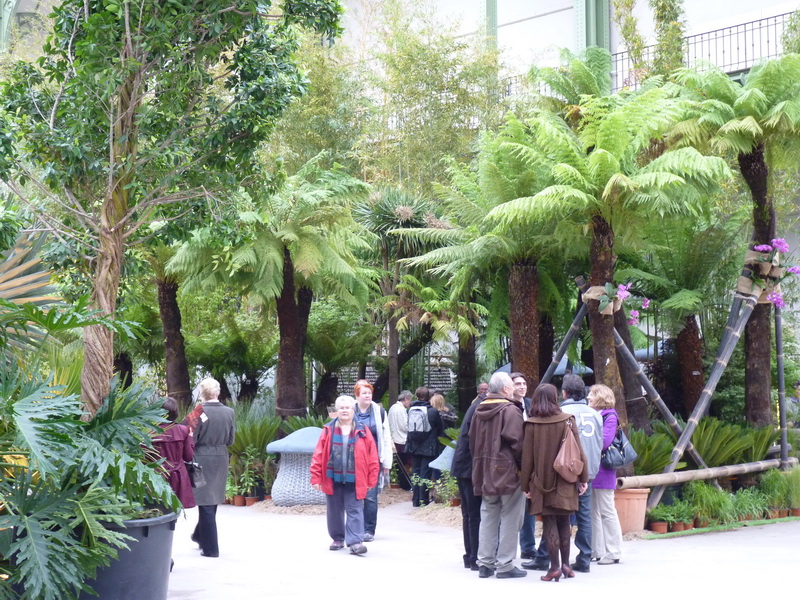
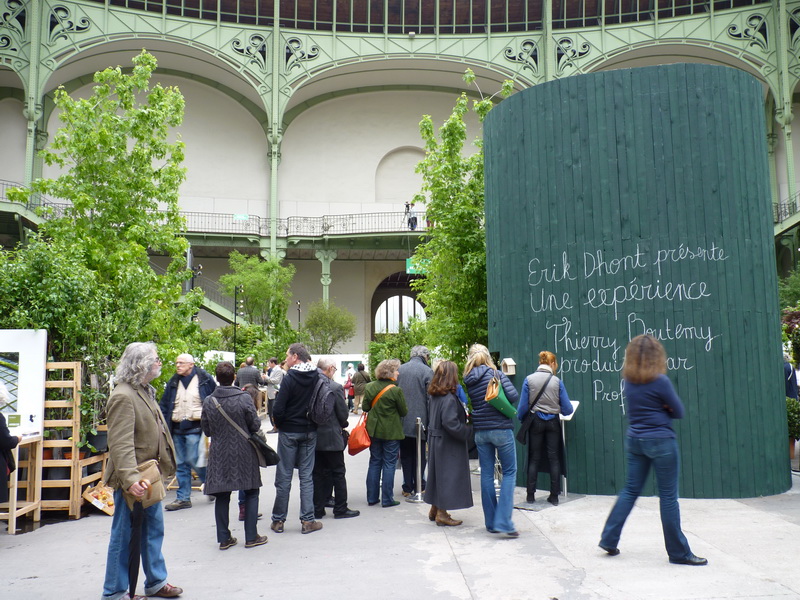
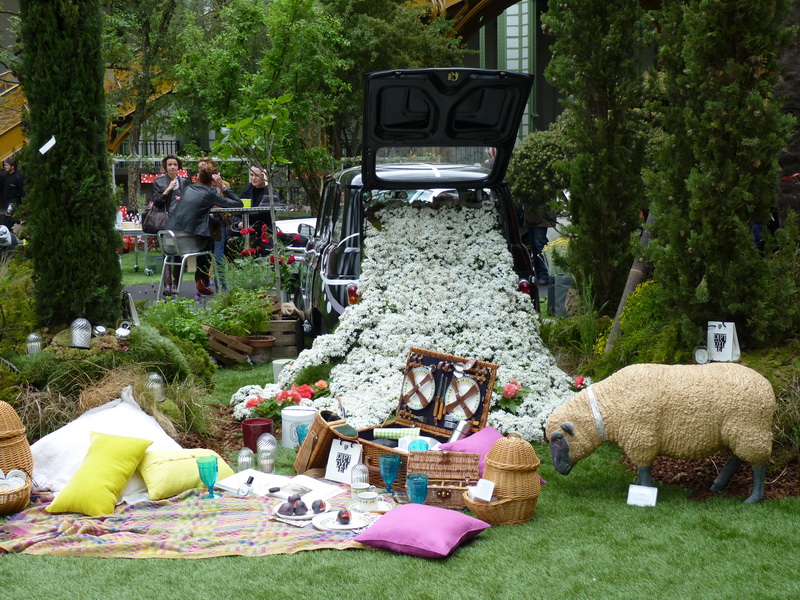
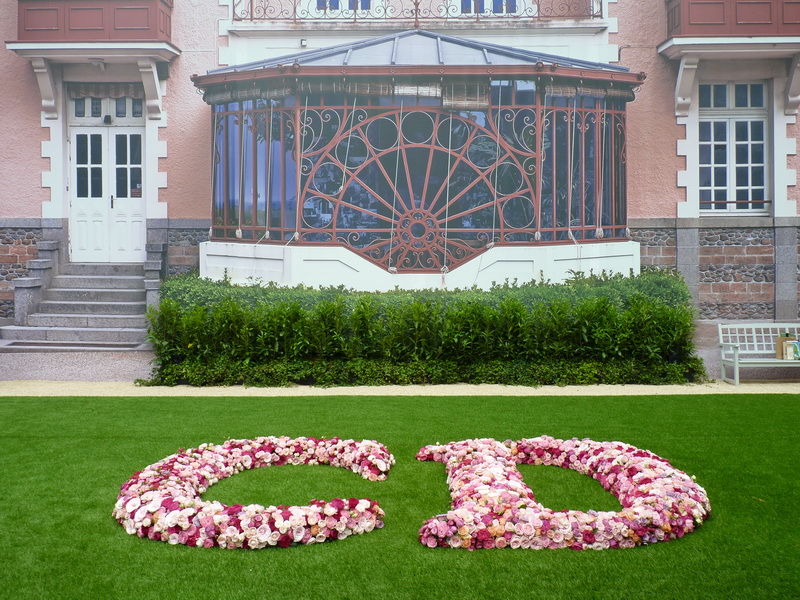
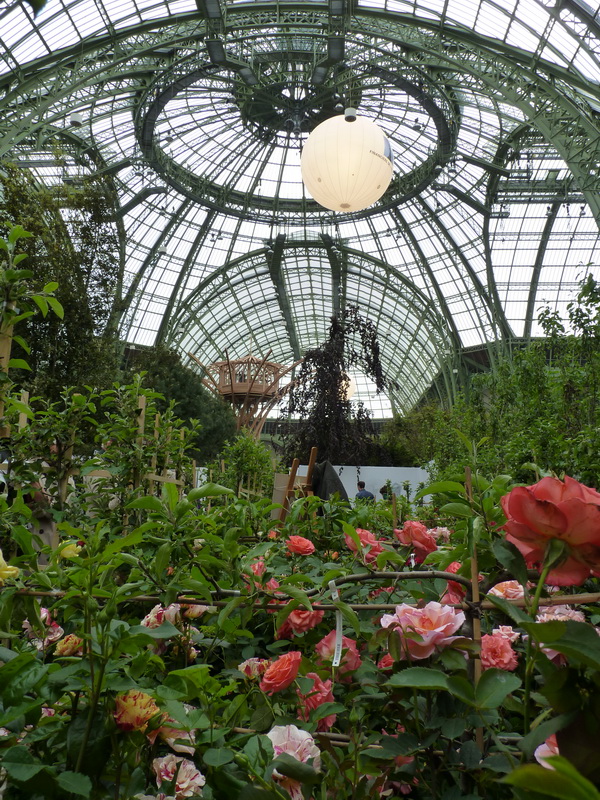
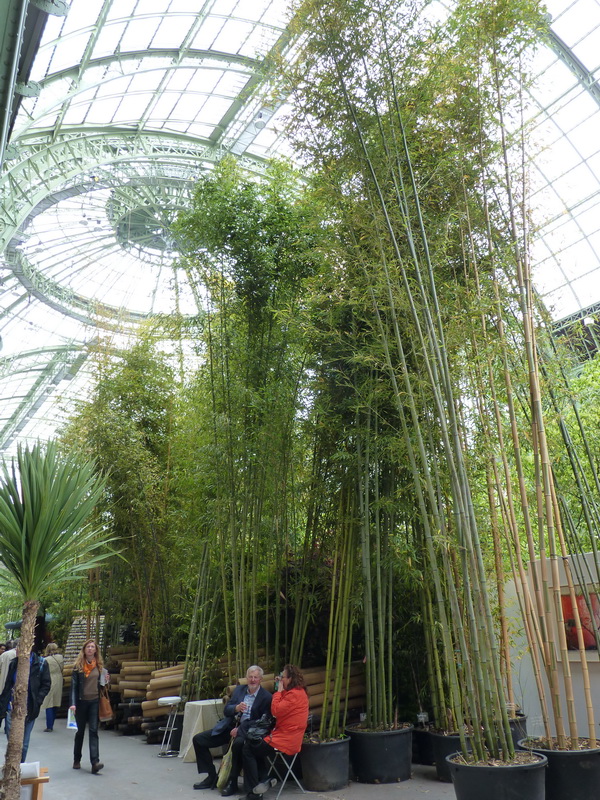
For the first time, the Paris Horticultural Exhibition entered the world’s largest glass palace, transforming the Grand Palais into a diverse, verdant greenhouse garden that broadened horizons. It became a place for Parisians to relax, learn about flowers and plants, explore new horticulture, and experience new botanical encounters. Upon entering the Grand Palais and passing through the green corridor, visitors are immediately attracted by the lotus pond with its shimmering water reflections. Next come the lush bamboo forests, tall and rare green bamboo gardens, small bamboo huts, and exotic subtropical courtyards. There are colorful seasonal gardens, brilliant azalea paths, fragrant rose gardens, innovative hanging gardens, vegetable gardens, bird gardens, spatial installations of plants resembling contemporary art, plant-based calligraphy arrangements, leisure pavilions and sofa chairs constructed from driftwood, Mongolian yurts, and high tower viewing platforms. Most dramatically, the Christian Dior boutique presented a typical French house, with the letters "CD" spelled out in multicolored roses on the lawn as part of the exhibition. Along Route Nationale 7, there were field landscapes and picnic installations featuring cars and plants where people could dine outdoors.
The organizers intended to elevate horticulture to art and bring art into the garden. Architect Jean-Michel Wilmott stated: “Horticulture allows people to discover corners of happiness, which they can incorporate into their lives at any time.” Thus, horticulture is a true path to realizing an aesthetic life.