Suggestions for Greening and Park Entrance Imagery in Chiayi City’s New Municipal Administration
Chiayi Park - Lush tree-lined path in front of the Historical Monument Hall
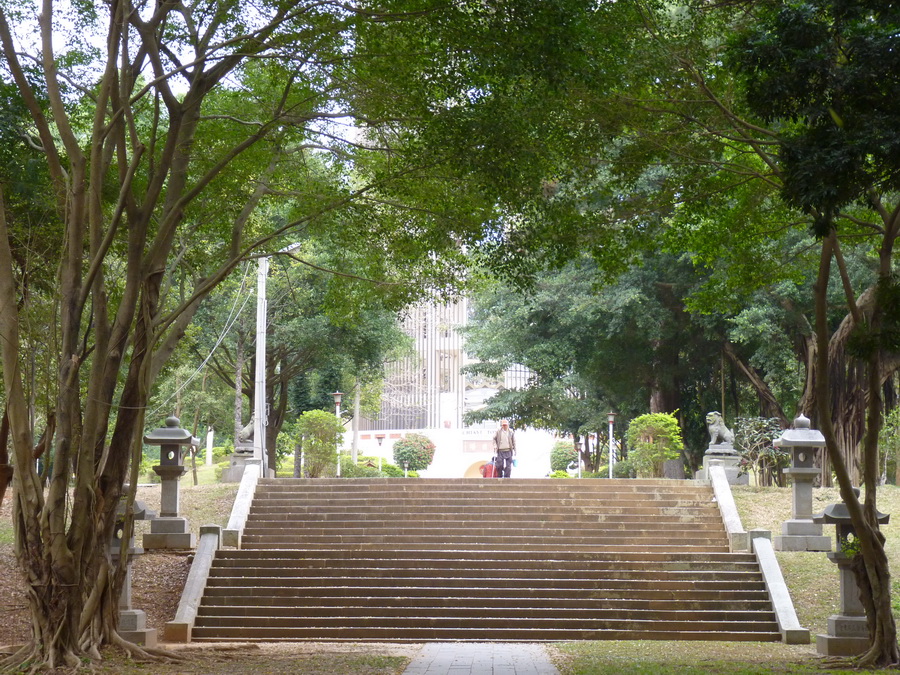
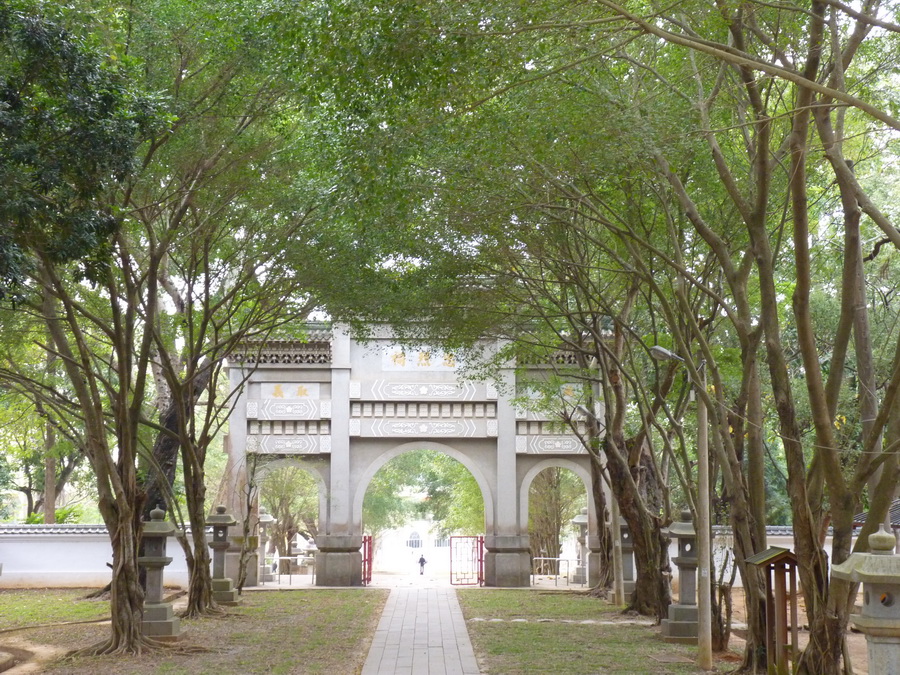
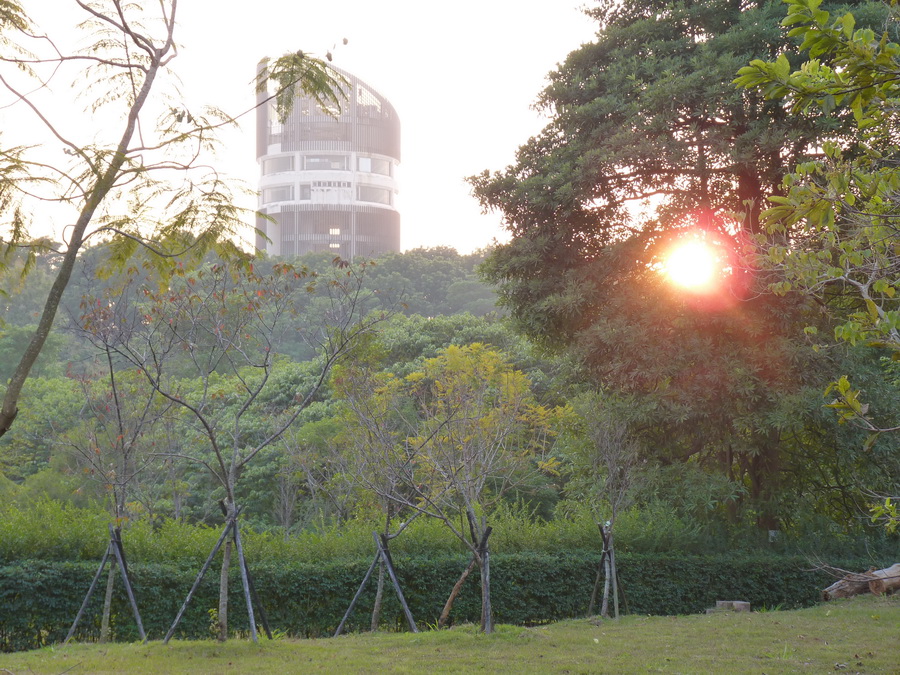
Text and images by Chen Chi-Hsiang. Statement: This is not for job hunting, no engineering specifications, no project work. Change: What we need is "change." Taoyuan City has shifted from blue to green; now the true "change" begins. How should this change occur? The new municipal team must ponder carefully. "Change" starts now. It is not superficial but involves deep institutional roots: To usher in a "new" landscape ahead of next year’s presidential and parliamentary elections, the time for change is here. Indeed, the public’s vision is sharp.
The vision for Taoyuan City (Chiayi): pastoral, natural, humanistic, artistic, slow living. What is the main imagery of a garden city? Chicken rice, the capital of orchestral music, and the capital of painters—what else? A nation or municipality without a cultural and artistic mission is unimaginably dry and bland.
The fastest way to change an urban appearance is greening—beautifying the environment and altering landscapes and sanitation. The most profound way to change people’s character is through humanities and arts: enhancing quality of life and cultural literacy.
How to improve Chiayi Park: Let us think together about the park’s main imagery, its characteristics, and its entrance imagery.
Suggestions:
- Construct it using imagery symbolizing Taoyuan City.
- Install a large floral clock like that in Yangmingshan Park.
- Present it using the "flower paintings" from Chen Cheng-po’s works at Chen Cheng-po Park.
The third proposal best embodies the imagery of the "capital of painters." Chen Cheng-po’s paintings possess deep consciousness, constructing the metropolitan landmark of Taoyuan City. The "flower paintings" can be replaced twice a year, primarily based on Chen Cheng-po’s works, awakening the soul of the painting capital and Taiwanese consciousness. It will become a landmark of Taoyuan City and the best sightseeing spot for Chiayi City tourism, a scene one cannot miss when visiting Taoyuan City.
What is the thematic focus of Chiayi Park?
Suggestions: Plant more seasonal flowering shrubs or climbing plants of various sizes. Like a symphony of four seasons: spring flowers such as cherry blossoms, plum blossoms, peach blossoms, plum blossoms, yellow bell trees (yellow, pink, purple, etc.), camellias, azaleas, osmanthus, royal poinciana, frangipani, variegated checkerboard trees, tung flowers, and others. Plant them in specific forms, such as Bagua array landscapes or adding narrative elements.
Does Chiayi Park have any special "form"? Chiayi Park is lush and green with beautiful terrain, rich variations in elevation, and diverse tree planting. Its greatest lack is the element of "water." Water, pools, ponds, and rivers have become constraints for all parks in Taiwan.
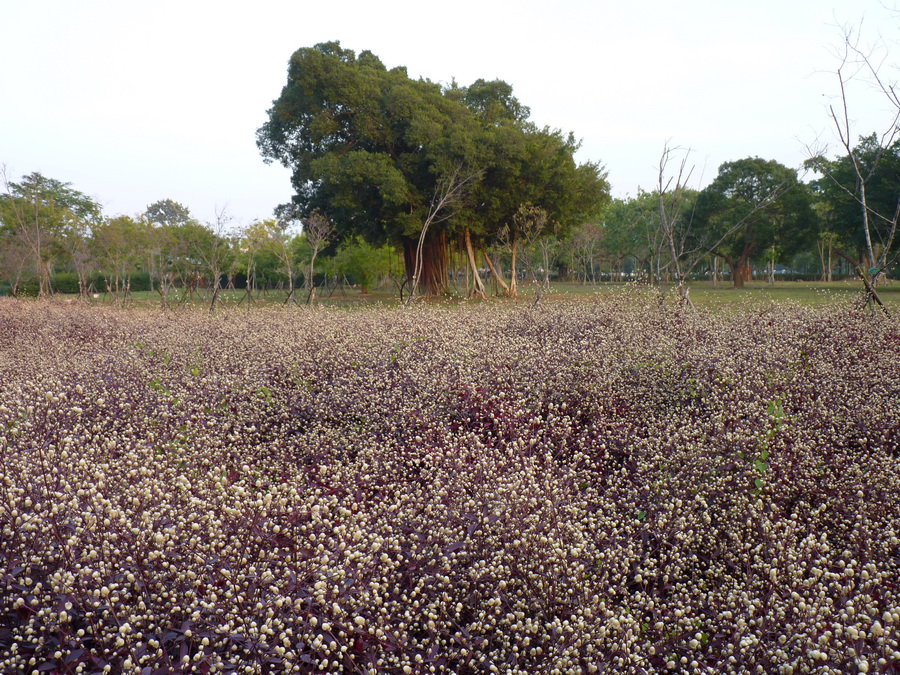
If dotted with the colors of natural wildflowers amidst the lush greenery, the park would become more perfect and attractive. Both tangible and intangible aspects need the adornment of "color." Suggestion: Make good use of seasonal flower beds (seek cooperation with the Horticulture Department of Chiayi University).
Suggestion: Establish a system for maintaining and cultivating plants and flowers, or cooperate with the Agronomy Department of Chiayi University.
Chiayi’s annual "sea of flowers" is often poorly made, with low quality, deceiving consumer associations and disappointing citizens. The city government should review or improve this so as not to fail the expectations of all citizens.
Suggestion: Hold local horticultural landscaping competitions to encourage public participation and enhance aesthetic experience.
People-oriented—benefiting and facilitating the people. Parks are co-constructed by collective social consciousness.
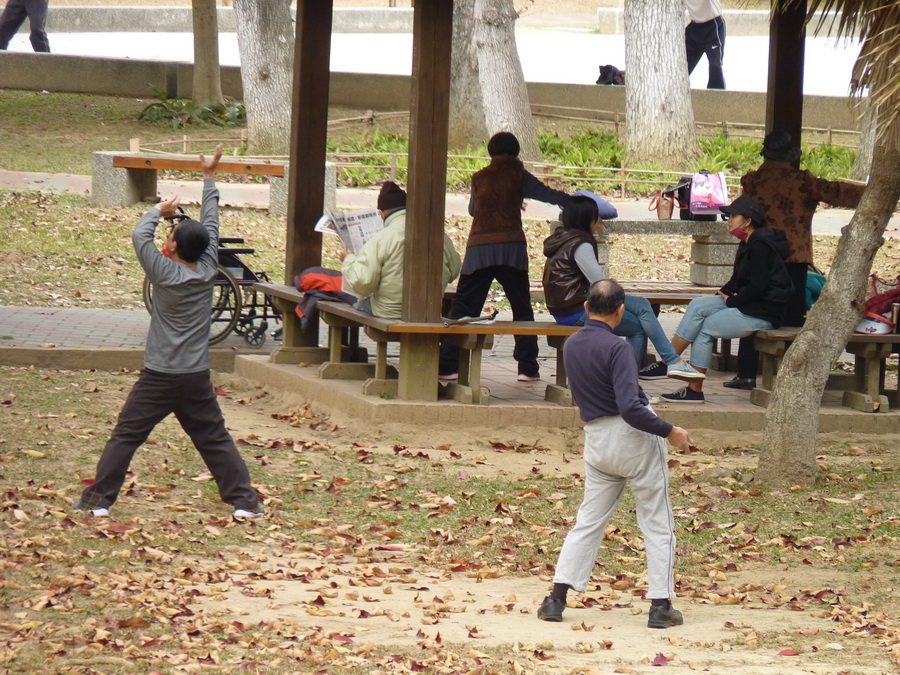
Taiwanese parks tend to focus on functionality, such as sports or activities, lacking a habit of leisurely strolling. The age groups entering and exiting parks lean toward middle-aged people; where have teenagers and children gone?
Suggestion: Re-stock domestic birds and various other species in the classical birdcages within the park. Diverse and varied colors will serve as visual and leisure attractions, drawing elderly seniors, young children, curious residents, and tourists to stop and stay.