A Trip to the Southern National Palace Museum, Making One’s Heart Burn with Anger
Taiwan's most beautiful exhibition at present, "The Best of Japanese Art" special exhibition.
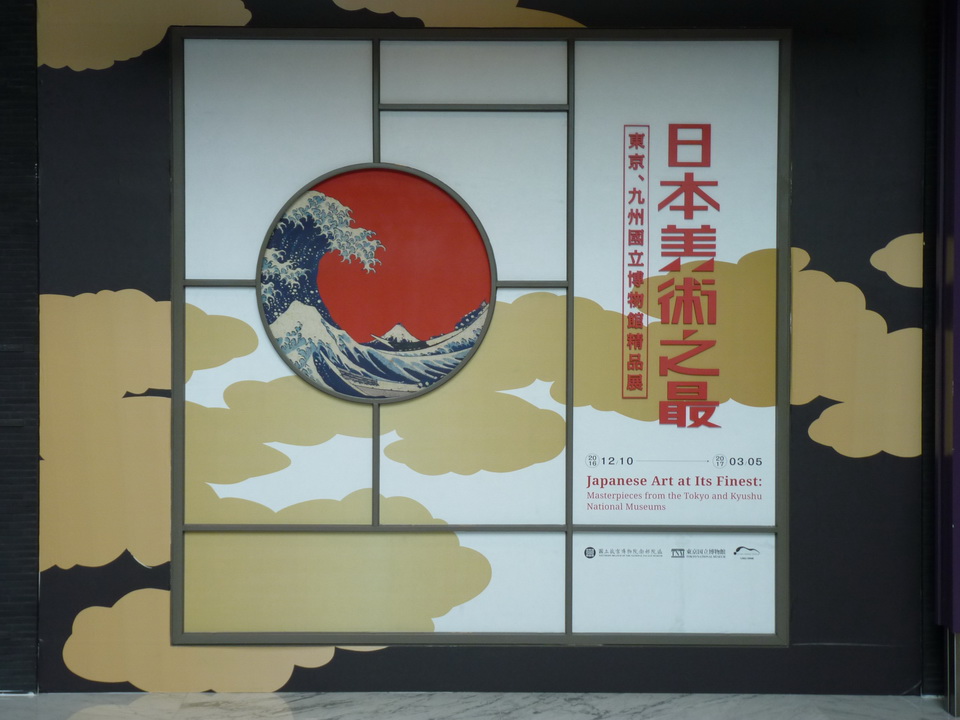
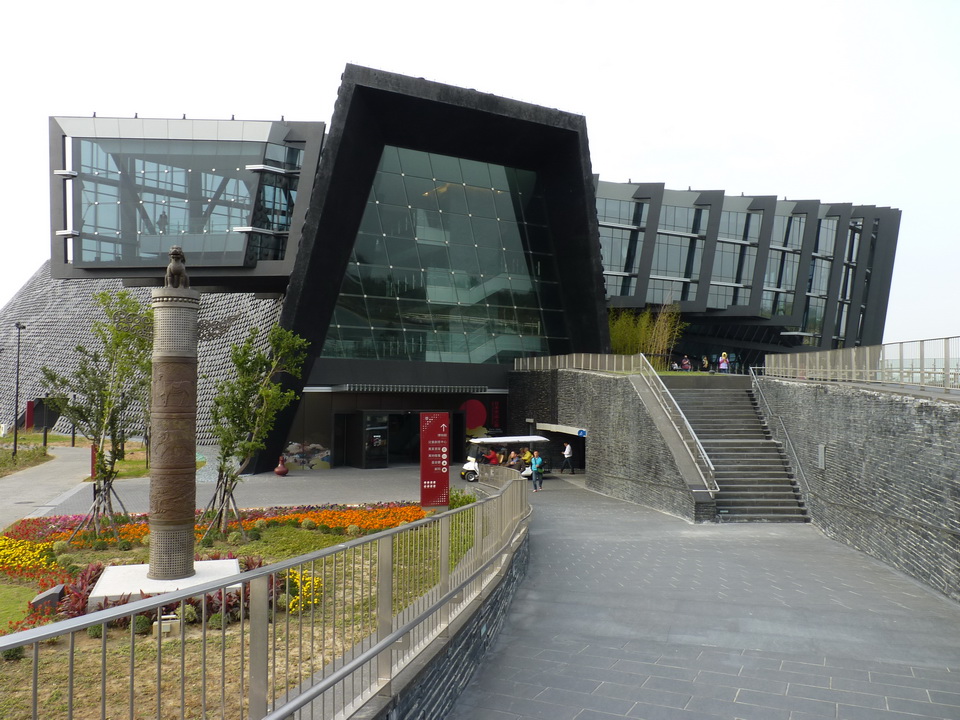
Text and photos by Chen Chi-Hsiang. Foreword: Accompanying friends from afar to visit the "The Best of Japanese Art" special exhibition at the Southern National Palace Museum, experiencing the best of Taiwan's museums, one finds it hard to imagine how Taiwan's tourism industry operates. Of course, this does not affect my appreciation of the "The Best of Japanese Art" special exhibition; the high-class artistic classics and the exhibition space design make it undoubtedly a brilliant show.
Where is the Taibao-Southern National Palace Museum? Driving east-west on Route 82 (without satellite navigation), for such an important tourist attraction as the Southern National Palace Museum, one sees only a small, narrow sign with the words "Southern National Palace Museum" on the highway. Why not provide a distinctive, eye-catching directional sign? Continuing toward Taibao, no signs for the Southern National Palace Museum appear, leaving one lost on the expressway. Misjudging the exit near the High-Speed Rail station, there are signs for shuttle buses but no road signs for the museum. At the large intersection ahead, turning left reveals the incinerator chimney in distant Taibao. Walking along the correct Southern National Palace Museum Avenue, lined with cloth flags for the "The Best of Japanese Art" special exhibition, one finally arrives at the museum.
The parking lot is unreasonably far from the museum: The distance between the parking lot and the exhibition hall seems to have been planned without considering visitors with disabilities (showing a lack of respect). This journey is truly endless. Fortunately, a small shuttle bus arrived (boarding cost 50 NTD), which can be seen as a gesture respecting human rights. Is this a result of Taiwan's outsourcing culture? When reception itself causes heartache, where is the culture? Seeing this, one feels indignant on behalf of visitors with disabilities. It is frustrating, but one hopes the museum will address these issues and improve, as this concerns the quality of our tourism industry and the human rights of visitors with disabilities.
The incompetence of outsourcing culture: A member card of ICOMOS (International Council on Monuments and Sites) or similar international art criticism association allows free entry to major museums worldwide, yet here at our own museum, it fails. Is our proclaimed internationalization merely a template? Is the outsourcing culture to blame? Asking around yields ignorance; ticket sellers and managers suggest filling out information forms to report upwards. In this bureaucratic system, who is "upwards"?
The absurdity of the "stamp": The modernized Southern National Palace Museum has ticket machines like those at MRT entrances; visitors should understand inserting tickets to enter. Yet, at least four staff members stand guard at the entrance gate, wasting national resources and manpower. It is unimaginable that the museum must let go and allow visitors to cultivate proper etiquette, rather than treating them as incompetent.
Even more puzzling is why stamps are required on visitors' hands when they already hold admission tickets. Who set this shallow rule? I refused to be stamped on the hand but insisted on having my stub stamped. This is akin to taking off one's pants to fart—what does it mean? It leaves one bewildered. Visitors should not be presumed cheaters. Having come to a temple of aesthetics, visitors will not only be subtly influenced but also develop the appropriate attitude for learning.