Kaohsiung Lingya’s Eye-Catching Street Art Community
One of the eye-catching street art communities in Kaohsiung’s Lingya District.
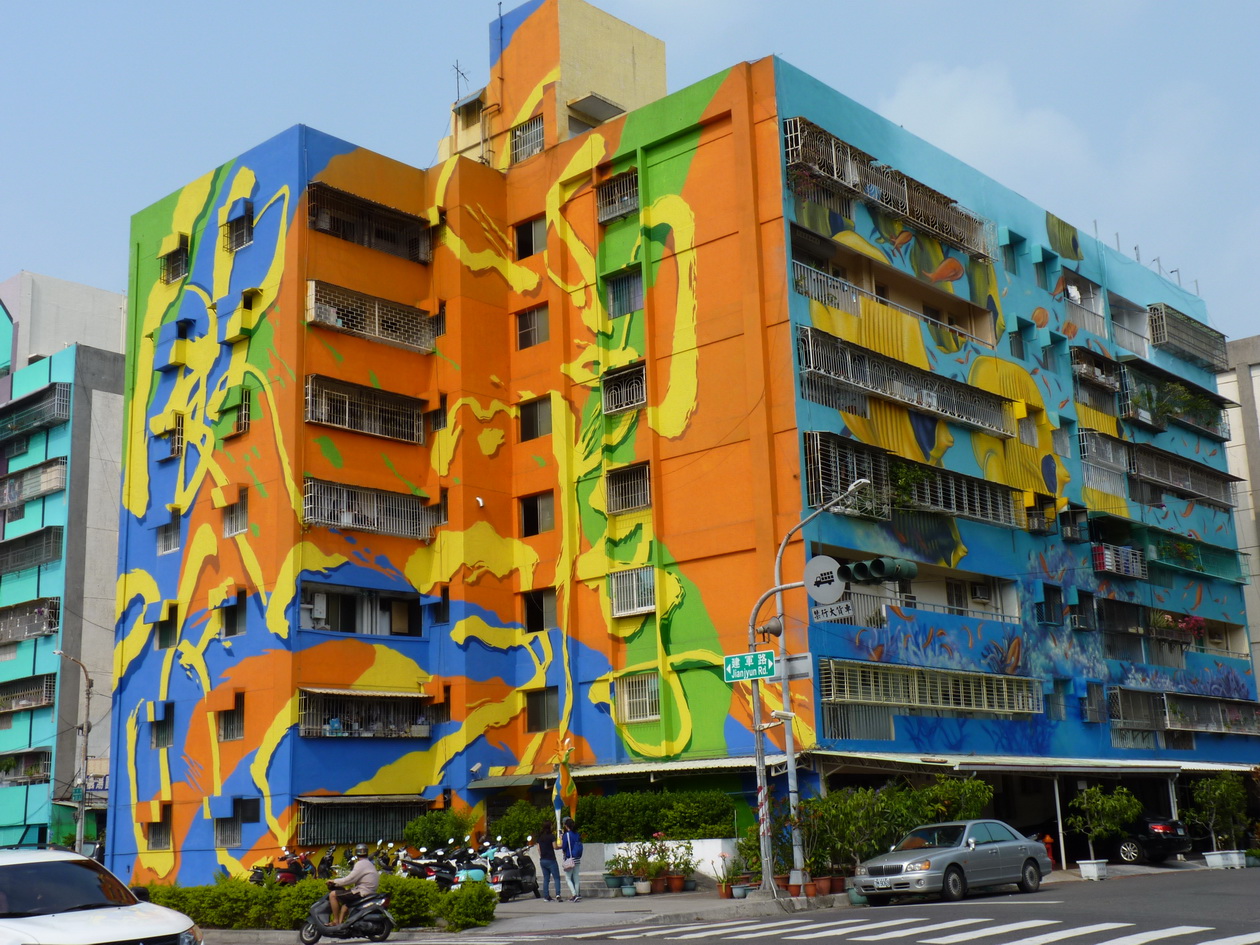
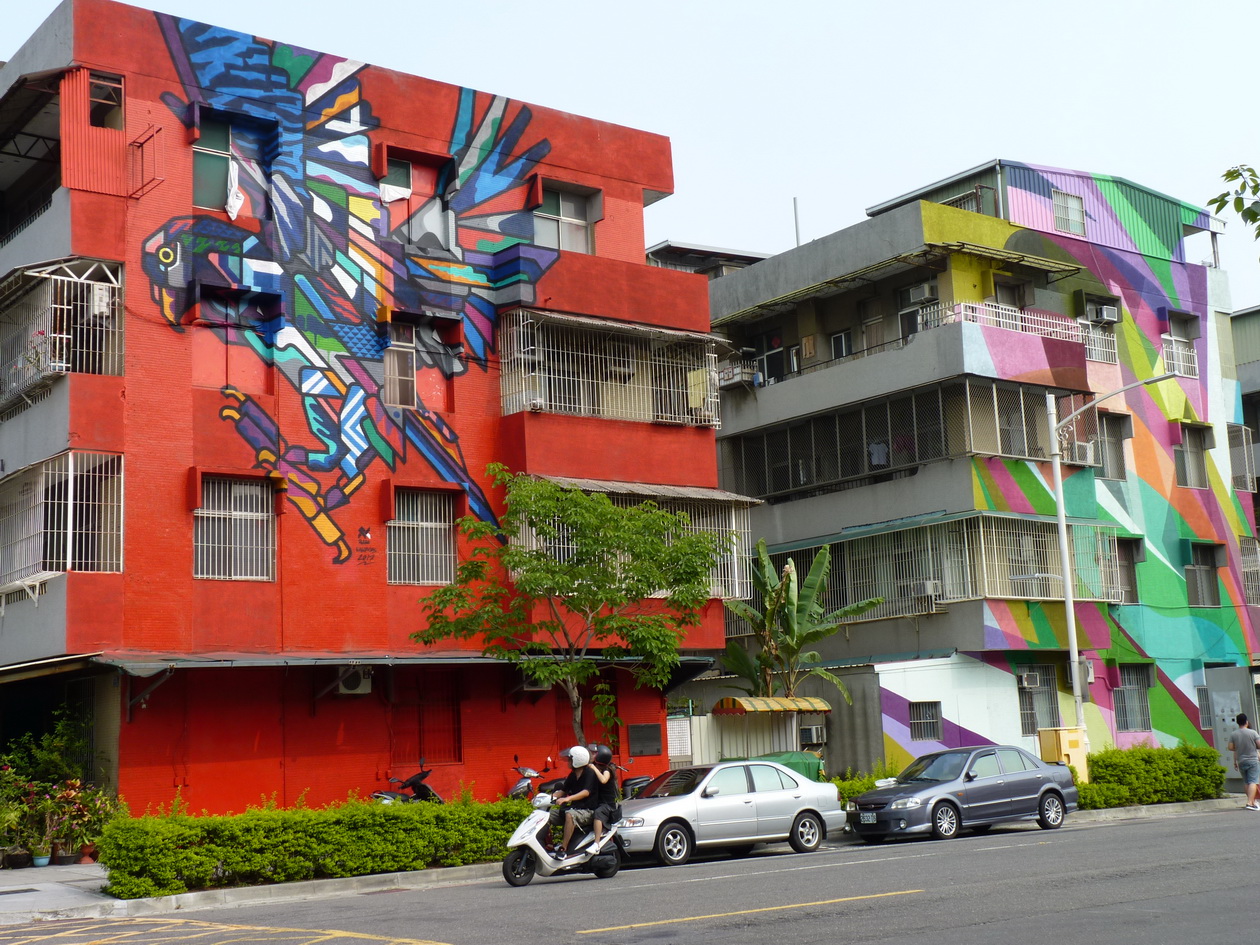
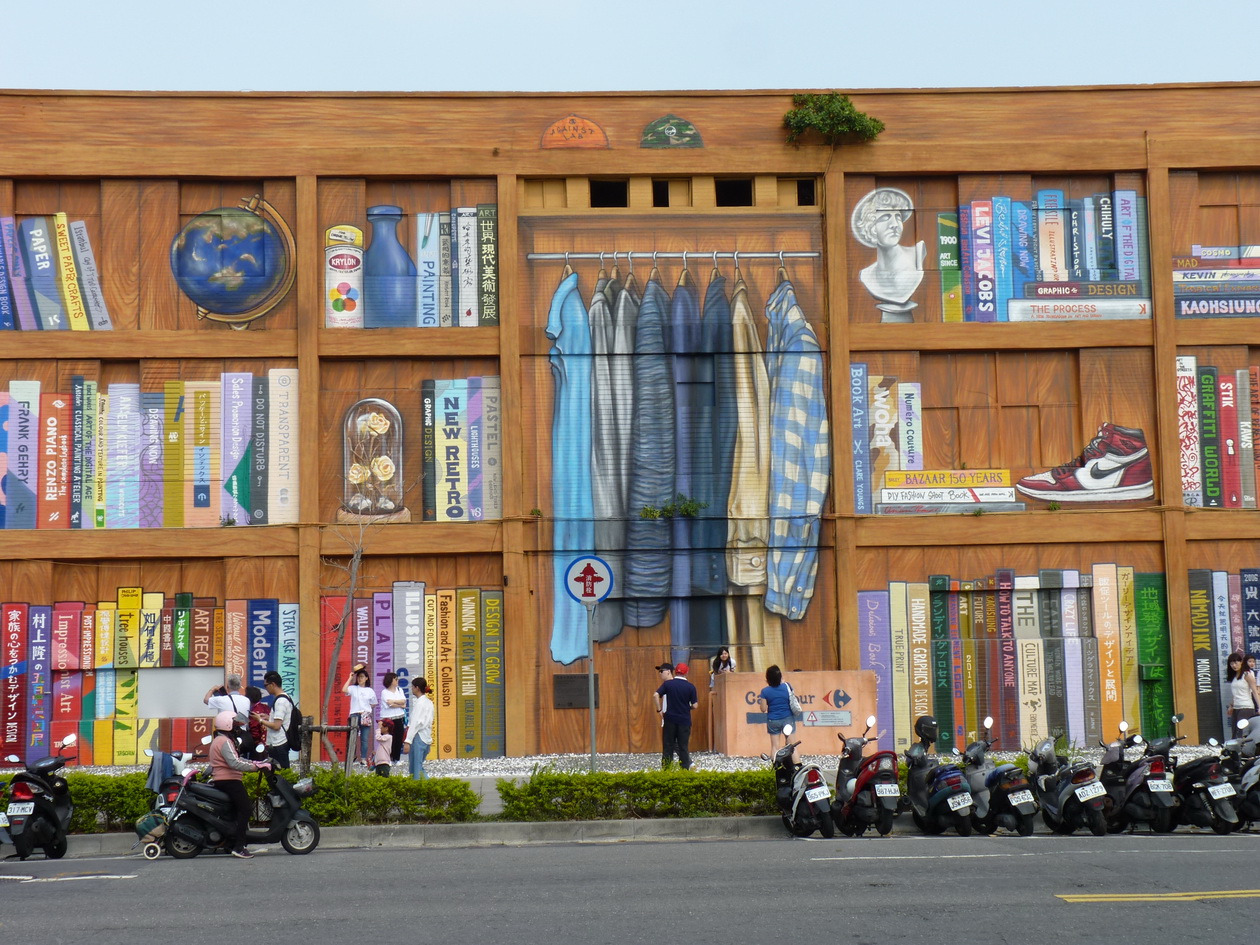
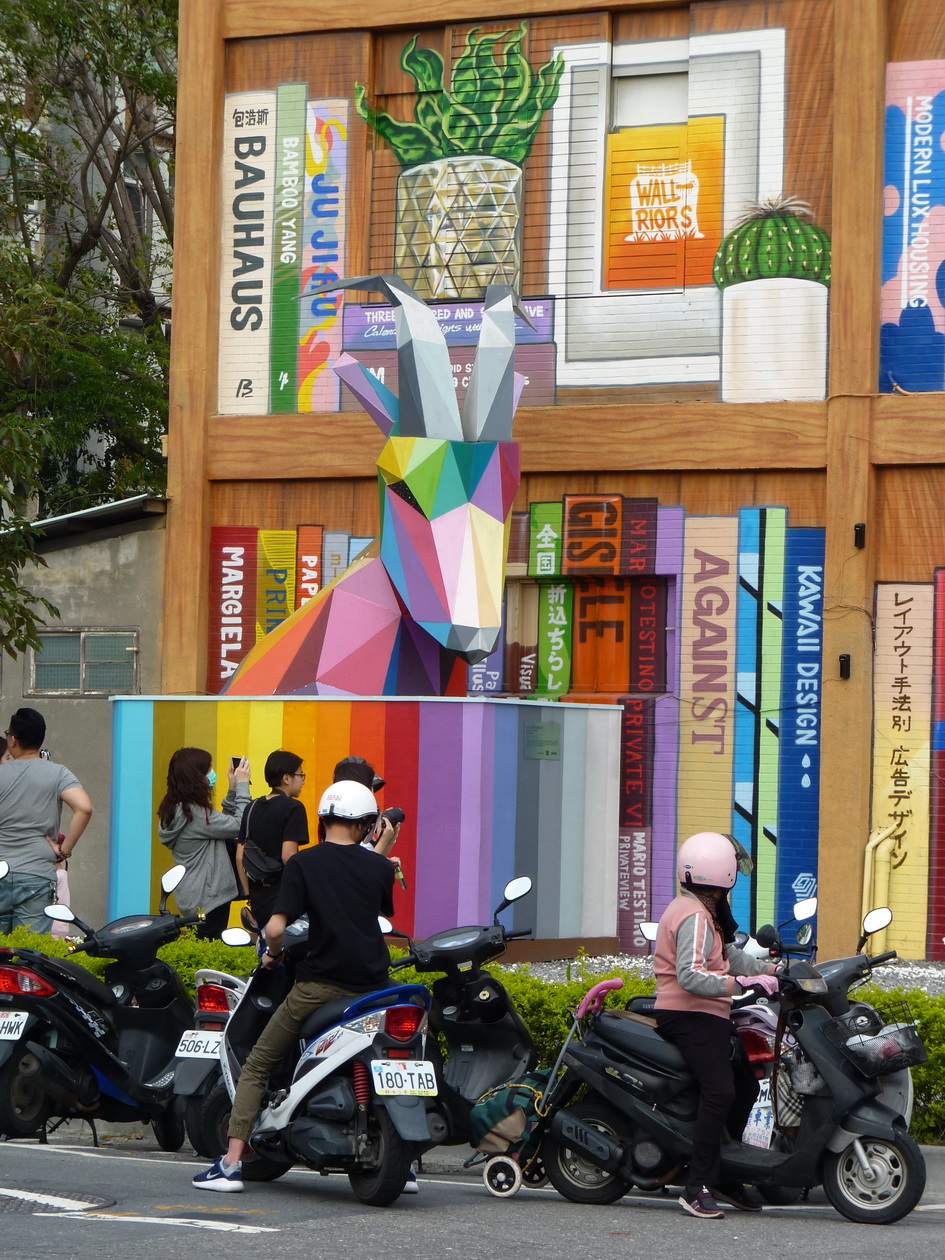
Text and photos by Chen Chi-Hsiang. Every time I return to Fengshan, I get off at Weiyuanying Station on the metro. At the end of last year, I saw that a series of aging apartment buildings directly opposite the National Center for Performing Arts (adjacent to the former 823 Military Hospital) were undergoing renovation and painting. A "Kaohsiung Lingya District Street Art Exhibition" was held there from November 7–11 last year, featuring numerous street artists from around the globe (with only one Taiwanese artist reportedly participating). The work is now largely complete, updating the community’s appearance as it prepares to welcome the upcoming opening of the National Center for Performing Arts in southern Kaohsiung, making the entire area more visually pleasing.
The street art in Kaohsiung’s Lingya community (which leans toward decorative purposes) is the most large-scale and comprehensive planning example I have seen in Taiwan. Clearly, the primary step in improving urban areas is greening. Renovating communities involves not just greening but also effectively utilizing the transformative power of street art to create unexpected urban landscapes. Beautifying the environment is a necessary basic condition for enhancing quality of life; it can subtly influence residents and even possess tourism value. Street art has become an alternative urban landscape in today’s globalization. Taking the concept of Paris’s 13th Arrondissement as an open-air museum of street art, it has now become a pilgrimage site for art capitals, attracting art lovers and tourists alike, thereby unexpectedly driving regional commercial activity.