Dream Factory: Van Gogh's "The Starry Night"
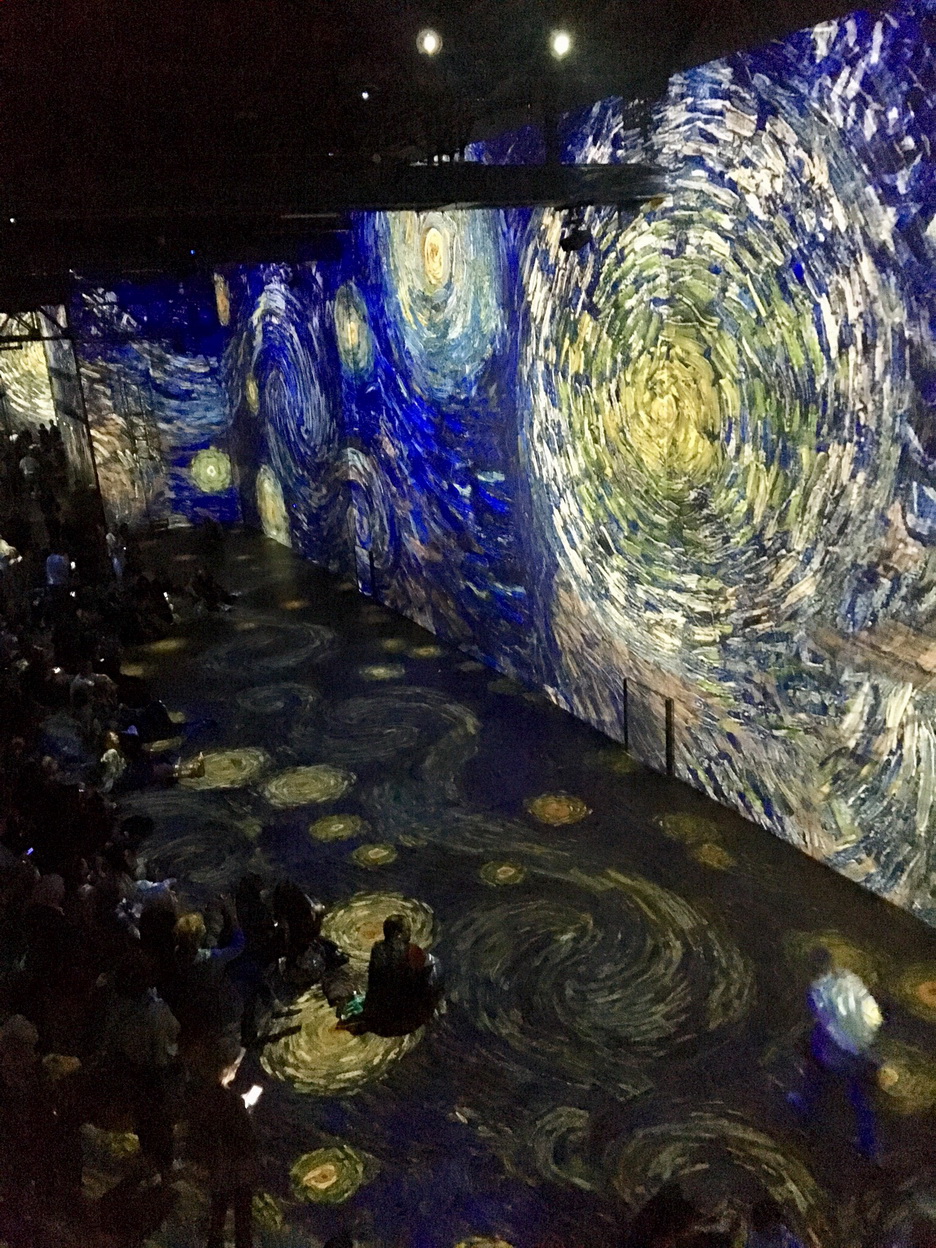
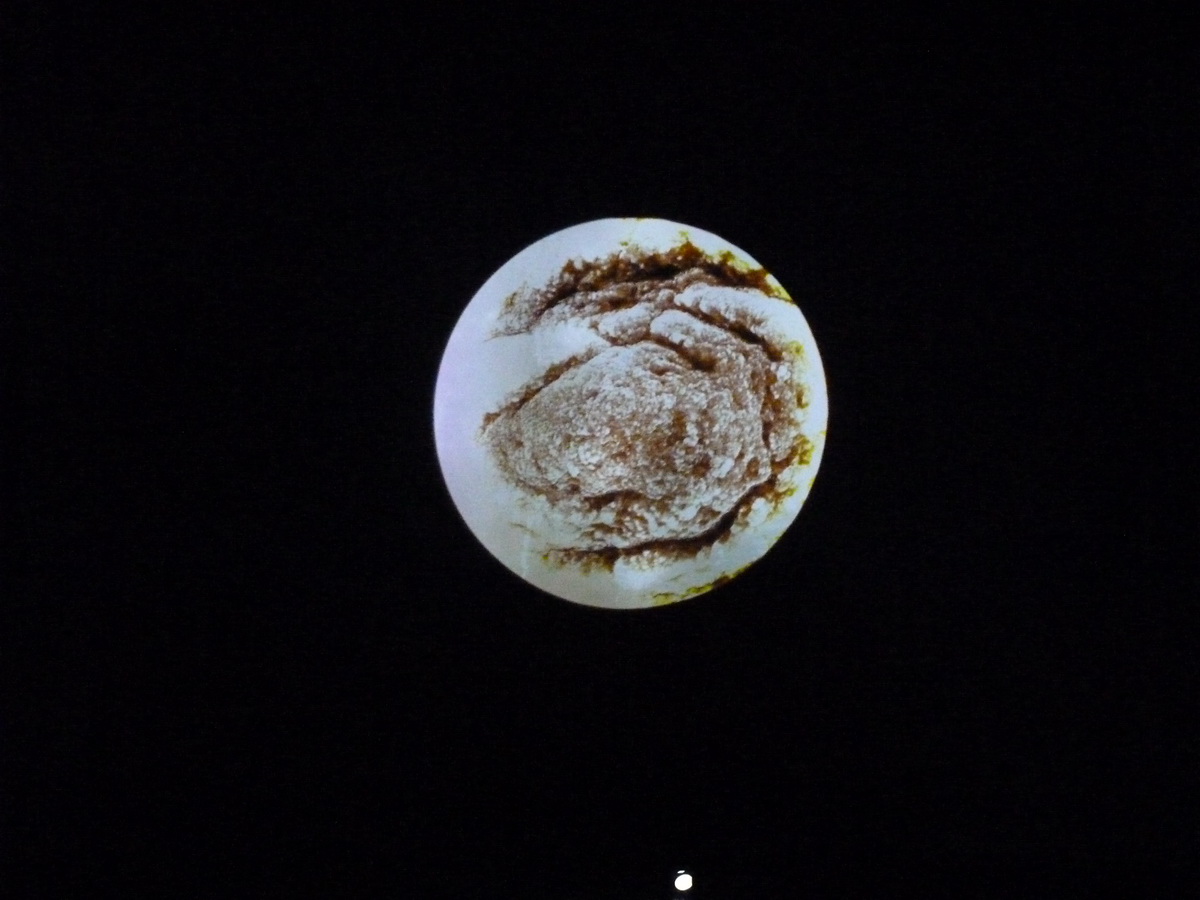
A dramatic deconstruction of "The Starry Night," where every star dazzles and swirls, alongside the moon shining with brilliant light.
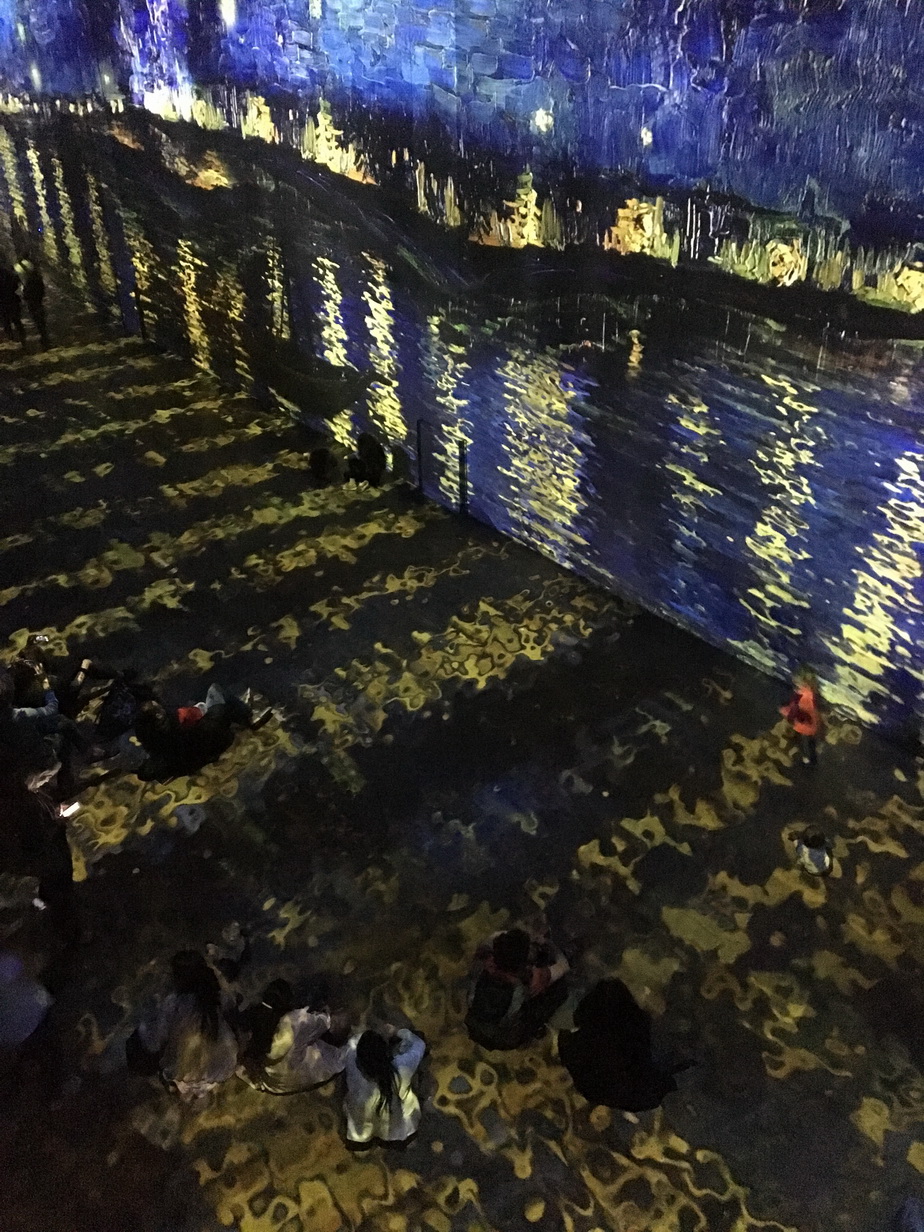
"The Starry Night over the Rhône" depicts a scene under the quiet night sky, a dialogue between starlight and the reflections of town streetlights on the river, metaphorically expressing the inner state of a constrained soul.
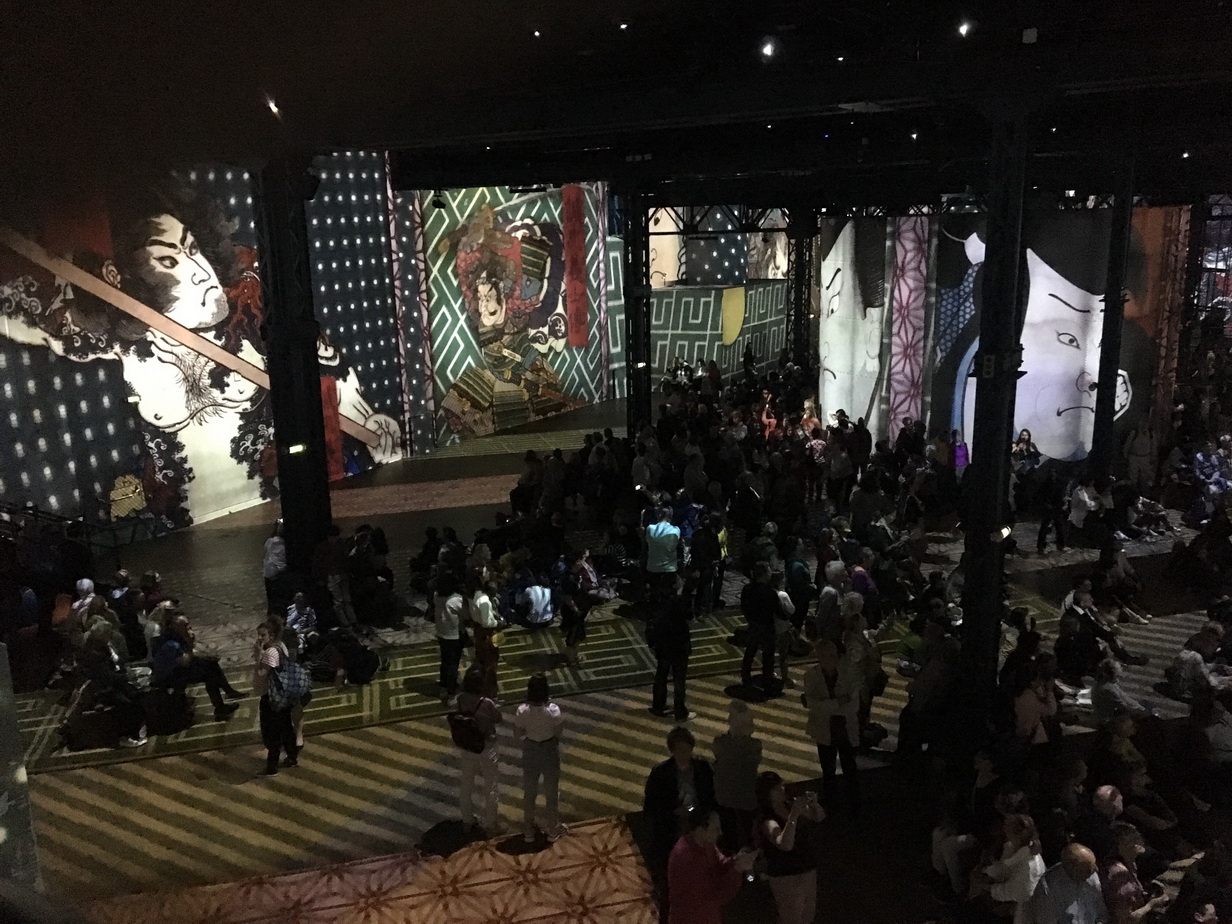
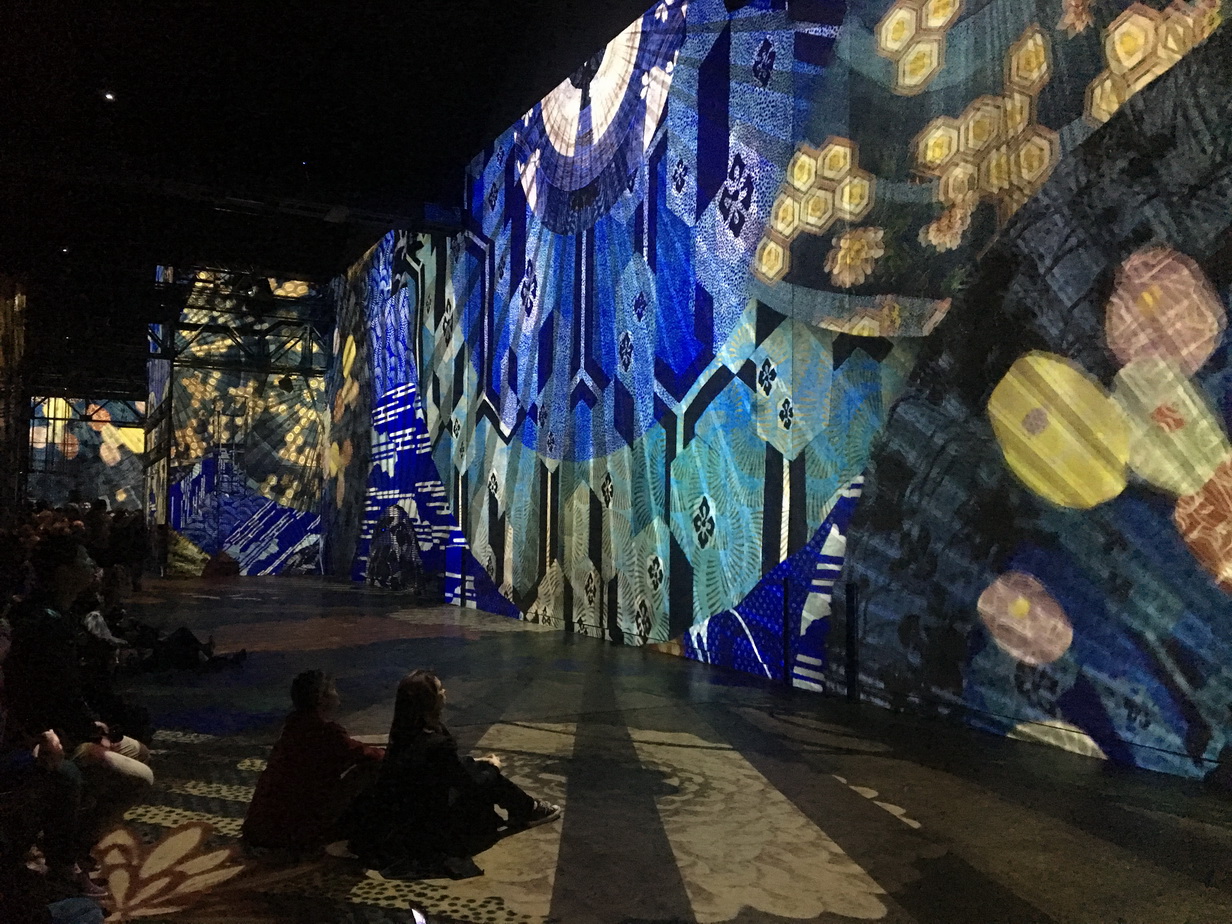
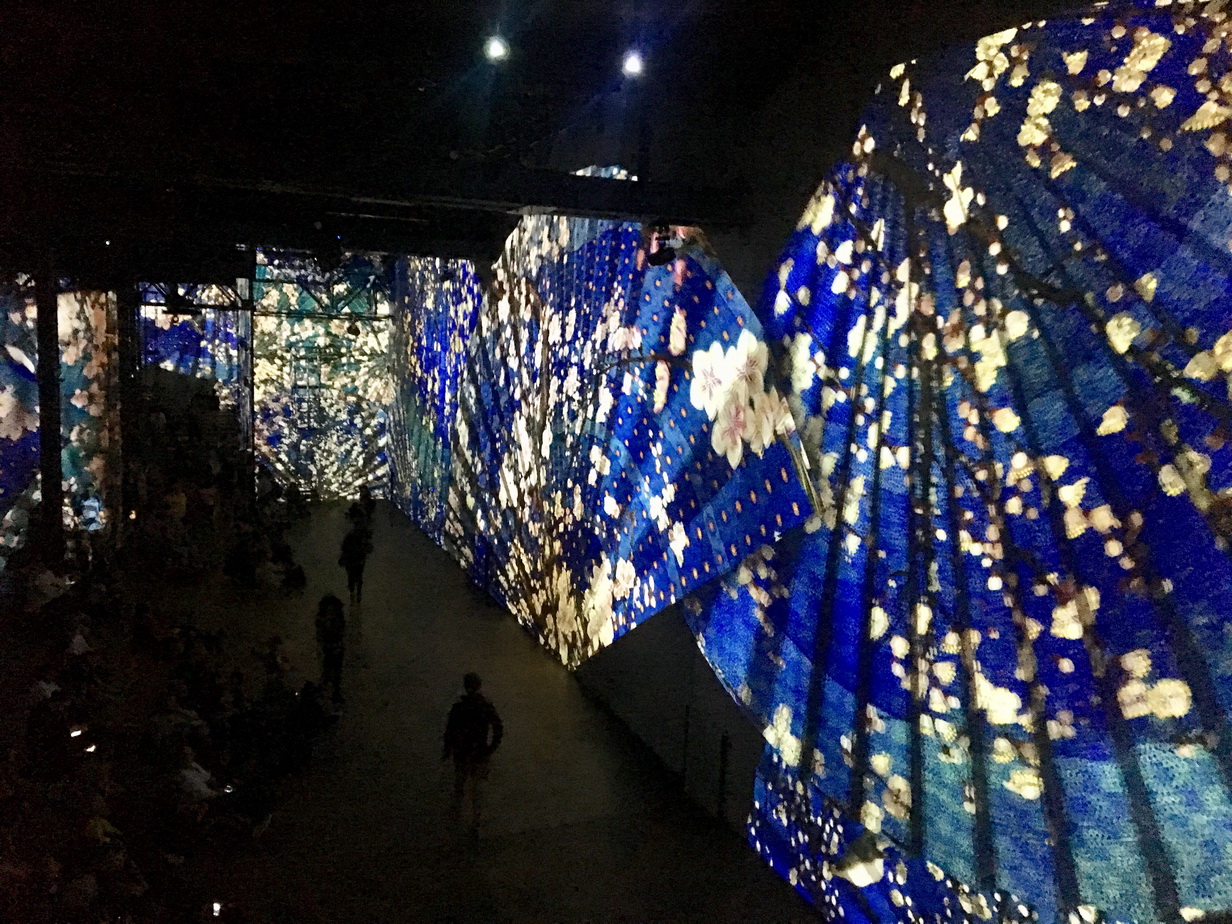
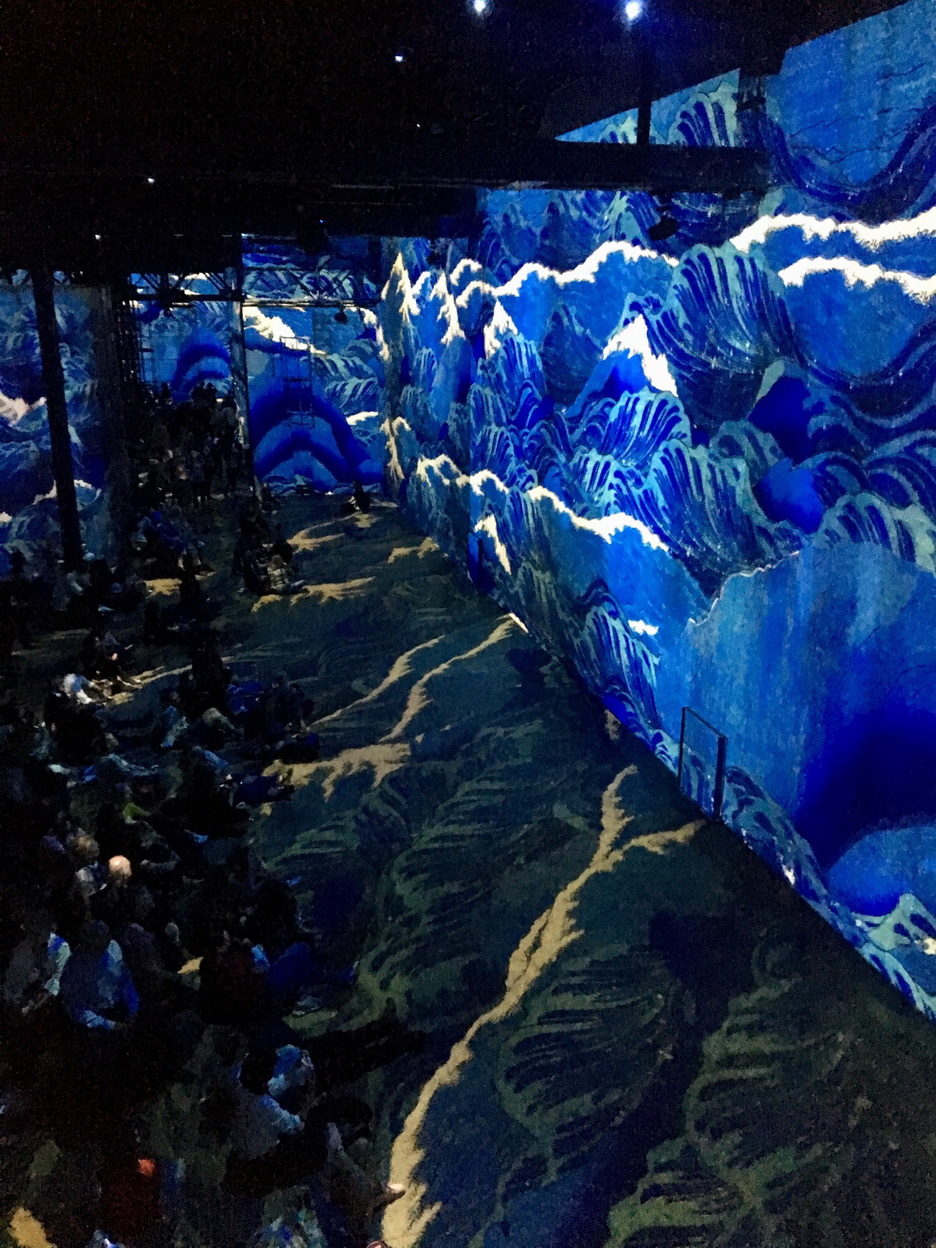
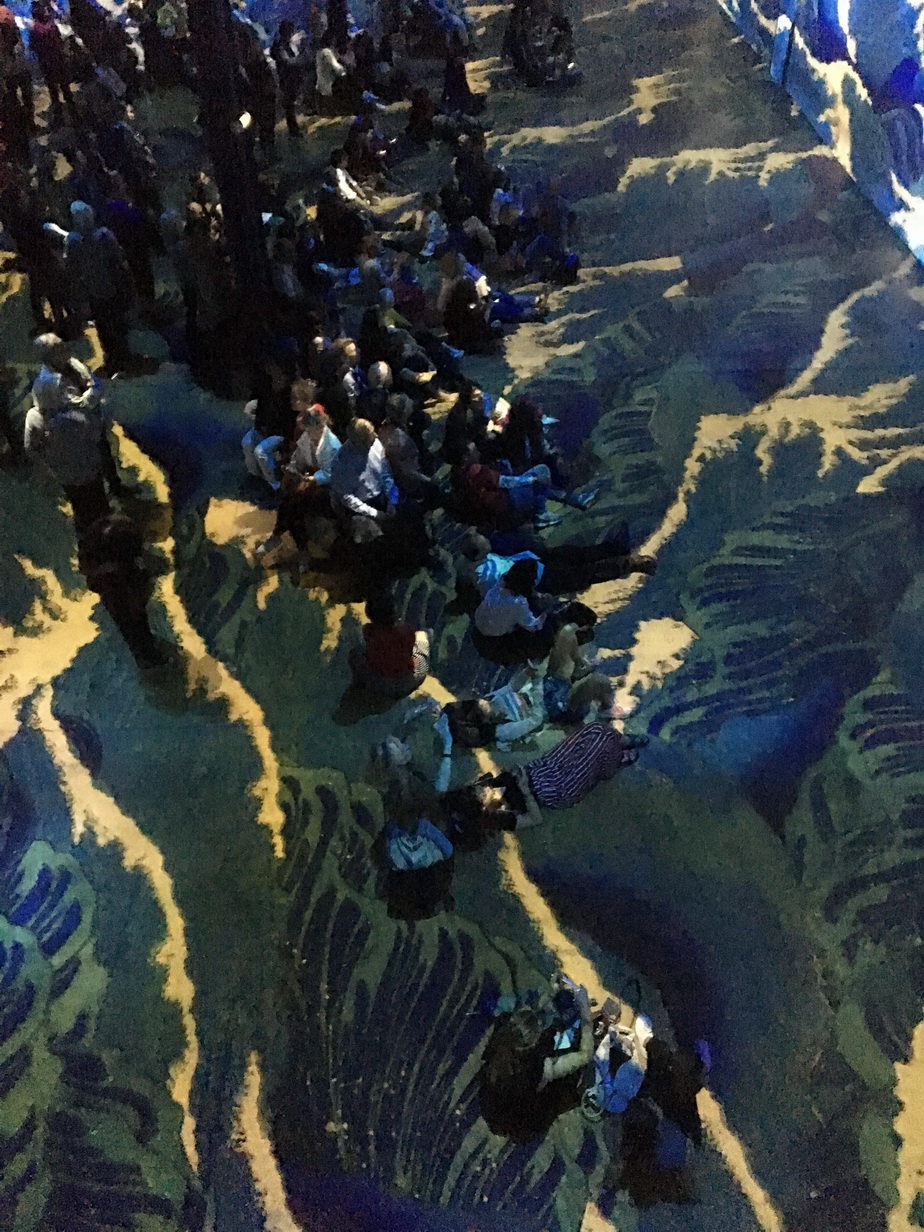
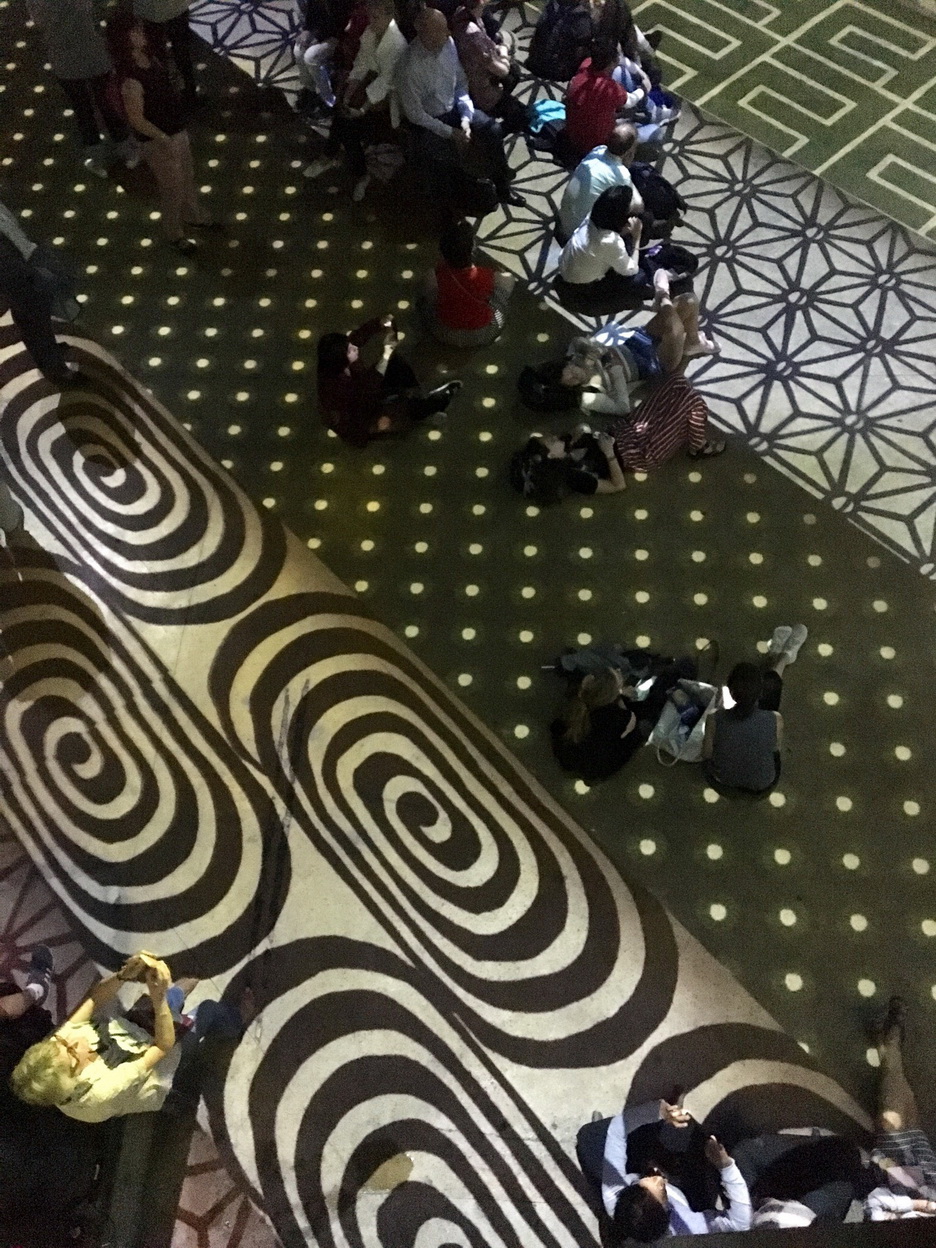
Text and images / Chen Chi-Hsiang Time: February 22 to December 31 Location: Atelier des Lumieres, Paris The famous "Light Studio" in Paris is dedicated to the great painters of art history.
Following last year’s exhibition featuring two representative artists of the Vienna Secession, Gustav Klimt and Egon Schiele, which made it instantly famous as the most eye-catching and advanced multimedia audiovisual digital art show in Paris, this "Dream Factory" of the art capital has become globally renowned after operating for over a year.
It is now a must-visit site for pilgrims from around the world. Admission requires online advance booking at scheduled times (tickets are hard to get on-site).
This year’s main feature focuses on Vincent van Gogh, the late 19th-century painter who is household-name famous for his dramatic and legendary life, titled after his shocking late masterpiece "The Starry Night." Additionally, there are two other eye-catching thematic exhibitions: "Japan – Dream Ukiyo-e" and "Thomas Fenzl – Verse."
The shocking masterpieces "The Starry Night" and "The Starry Night over the Rhône" were painted by Van Gogh in 1889 in the sunny south of France.
"The Starry Night" presents every star dazzling and swirling under the night sky, along with the moon shining with brilliant light, rolling clouds, a small village with a church in a dreamland, and a dynamic old cypress tree reaching up in the foreground, revealing an uneasy atmosphere.
"The Starry Night over the Rhône" depicts a scene under the quiet night sky, a dialogue between starlight and the reflections of town streetlights on the river, metaphorically expressing the inner state of a constrained soul.
This presentation of "The Starry Night" offers a concise introduction to Van Gogh’s thematic journey through different stages of his life, immersed in the colorful and dynamic world masterpieces.
From early Nuenen in the Netherlands, to Paris, then to the sun-drenched Arles and Saint-Rémy in southern France, and finally back to the small town of Auvers-sur-Oise near Paris.
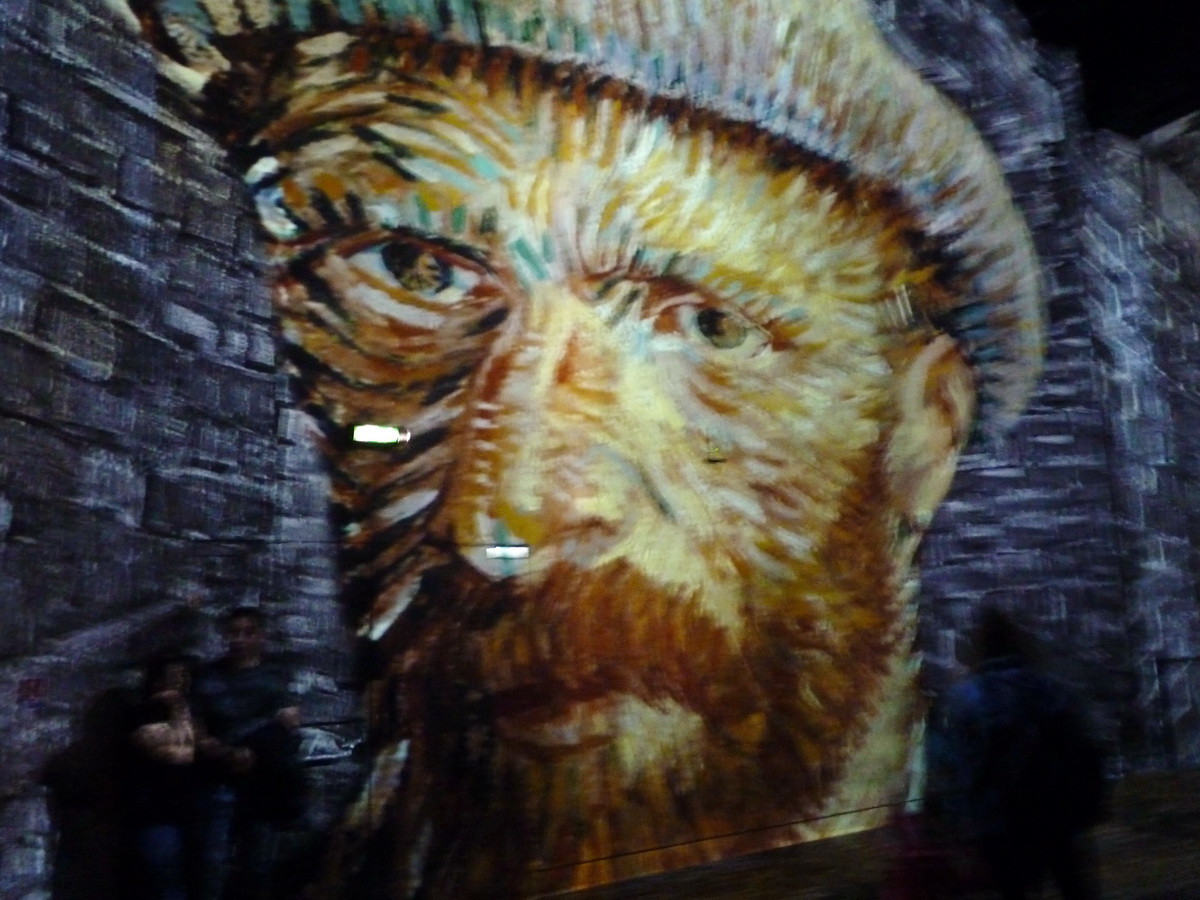
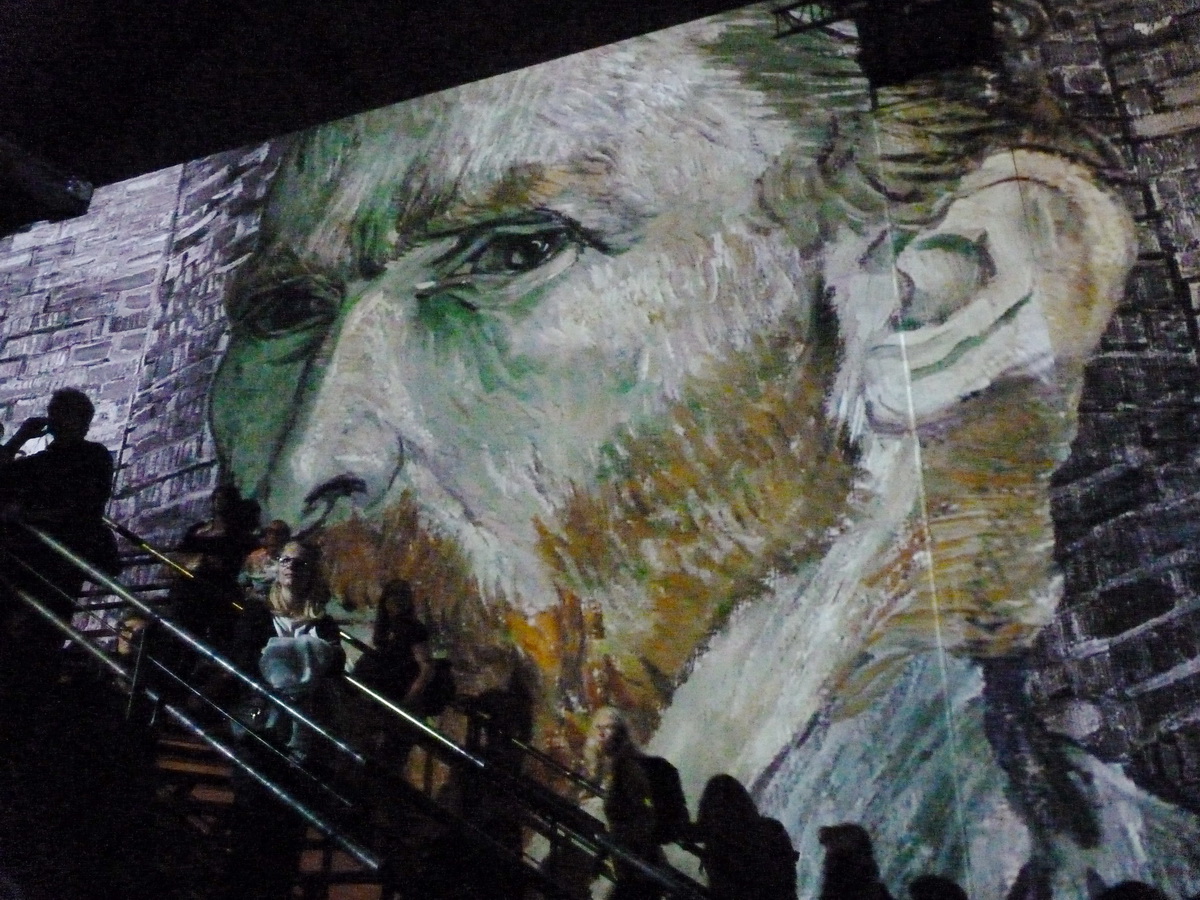
Van Gogh’s creations can be divided into several major series: Touching self-portraits – such as "Self-Portrait with Hat" (1887), a confident portrait from his Paris period; he was sent to the Saint-Rémy asylum, where he painted his final tragic self-portrait cutting off his ear.
In his short life, he painted more than twenty self-portraits. Classic figure paintings – such as Van Gogh’s last figure painting, "Portrait of Dr.
Gachet." Extraordinary night scenes – all painted in the south of France, such as "The Starry Night" and "The Starry Night over the Rhône" (1889).
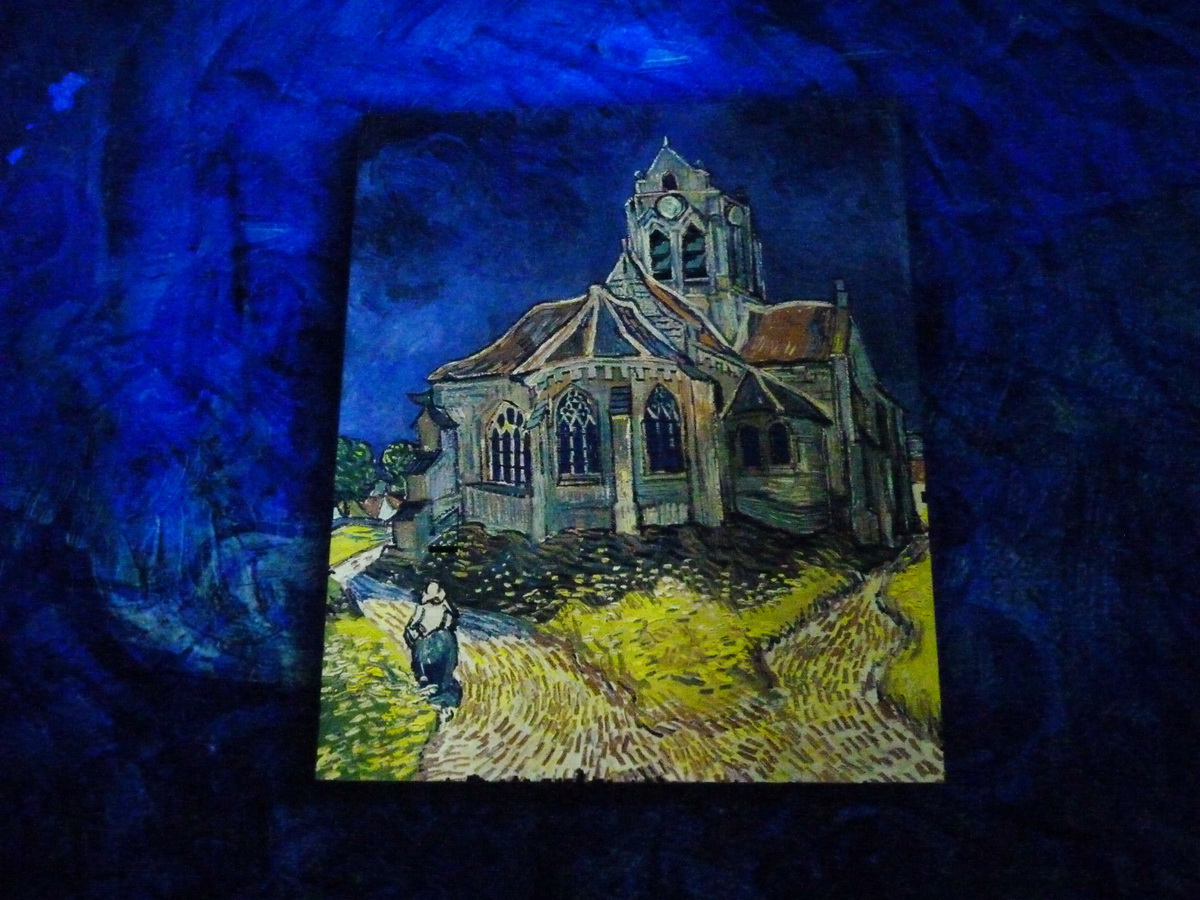
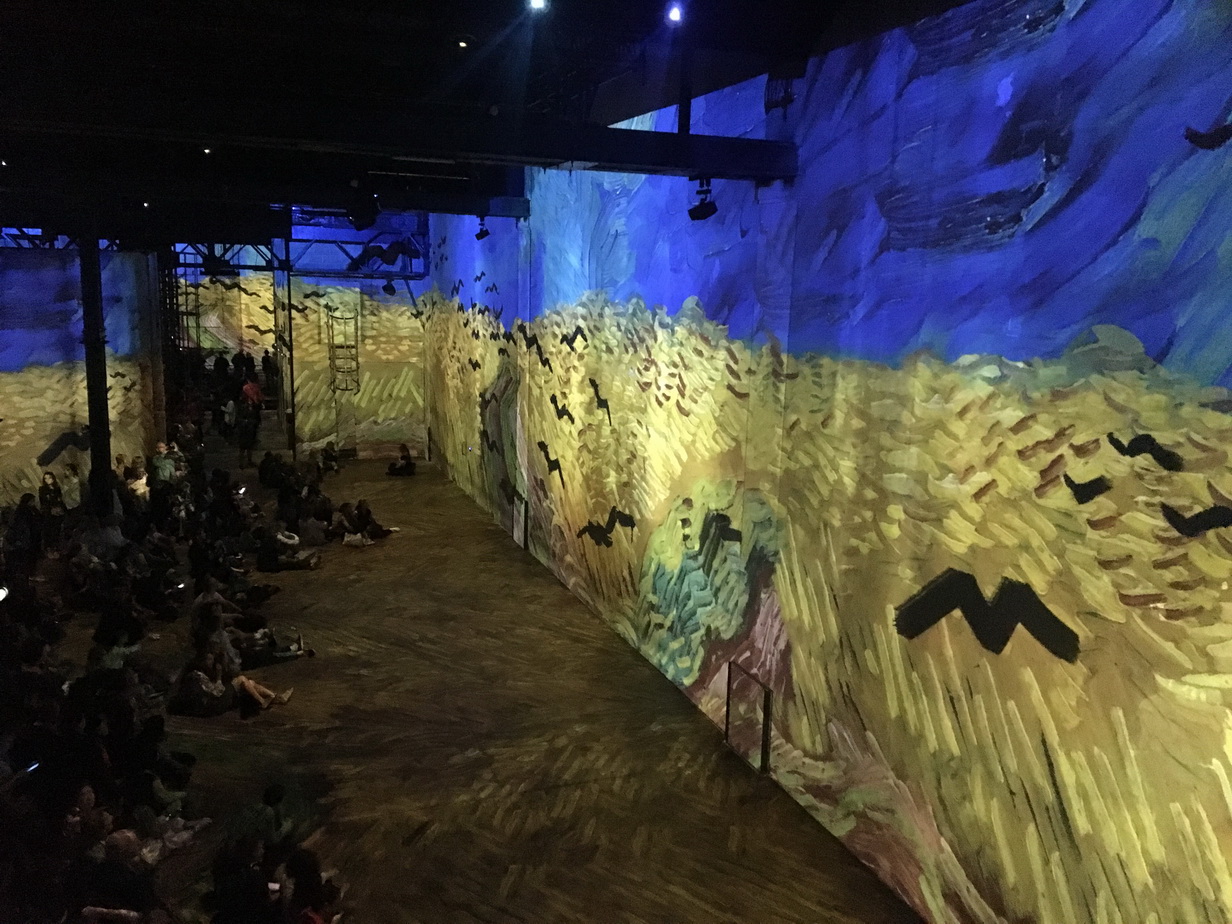
Bright natural landscapes – such as the famous work "Bedroom in Arles" (1888) in the south of France, which uses only color planes without shadows, and works painted in Auvers-sur-Oise near Paris, such as the dynamic "Church at Auvers," "Thatched Cottages at Cordeville," and "Wheatfield with Crows" (1890).
These two masterpieces are permeated with a calmness before a storm, unusually quiet. The dark green rough lines of the thatched roof are integrated into the lush forest like jumping torches.
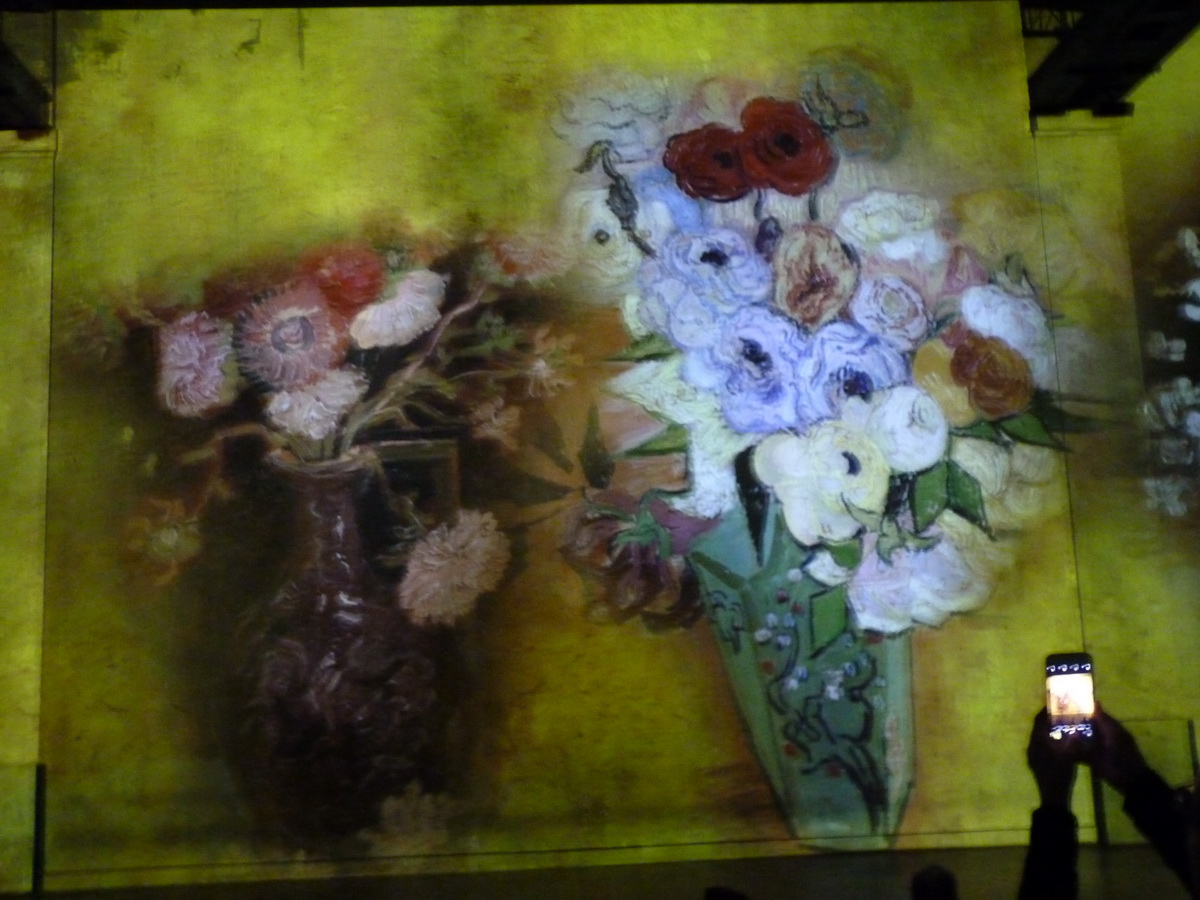
Van Gogh believed: "Painting is a representation of one’s inner world." Still lifes (flowers) – Van Gogh painted many floral still lifes, among which the dazzling "Sunflowers" (1888) is the most famous, alongside the colorful "Peach Blossoms" (1890), considered his masterpieces.
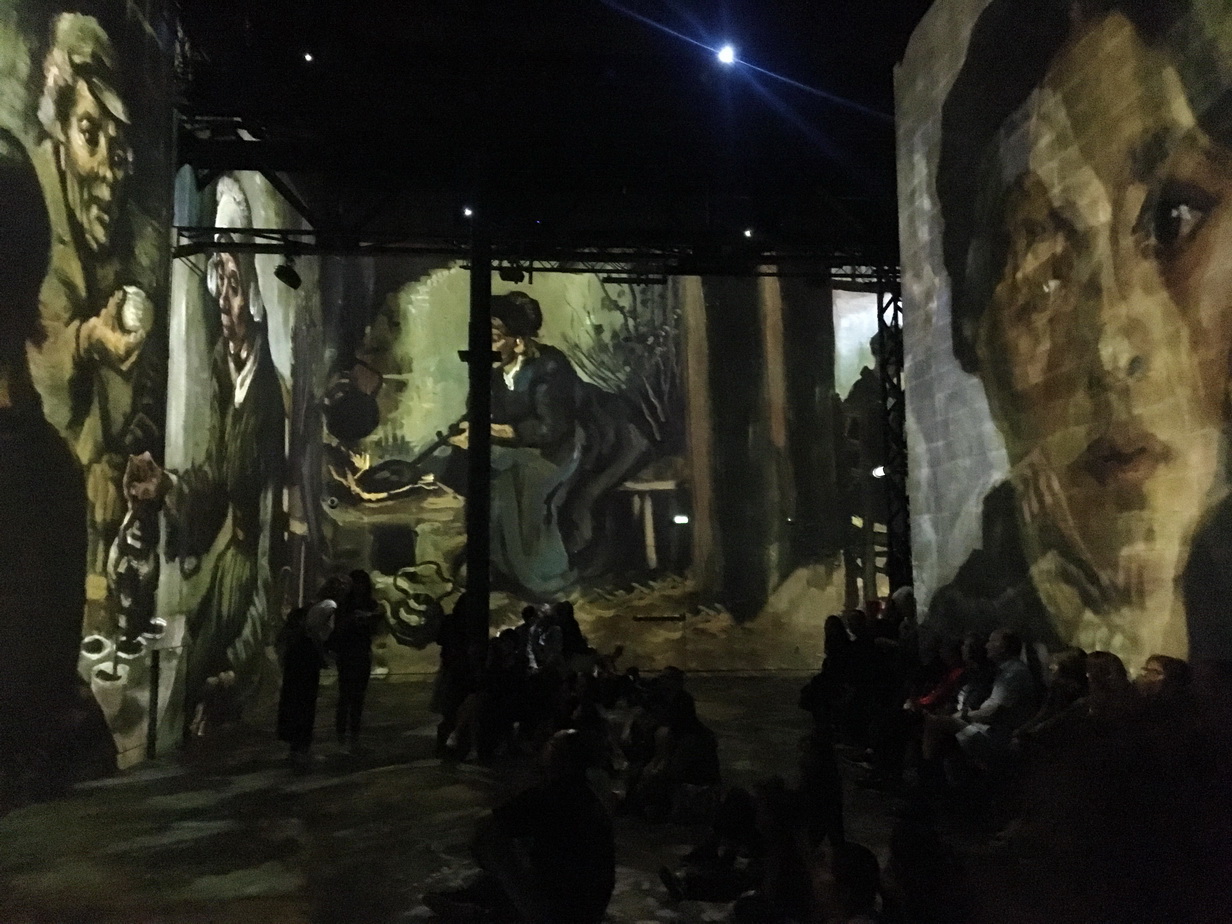
This creative journey of Van Gogh’s "The Starry Night" begins with the obscure tones full of sensibility and expressionism in "The Potato Eaters," entering the artist’s life journey.
The climax features shifting light and shadow, the swirling starlight and brilliant moonlight of "The Starry Night" and "The Starry Night over the Rhône," and the swaying water reflections, guiding the audience into the mysterious core of the painting’s universe.
Pitiful self-portraits appear one after another, expressing Van Gogh’s inner state and existential confusion, including the sensual "Portrait of Dr.
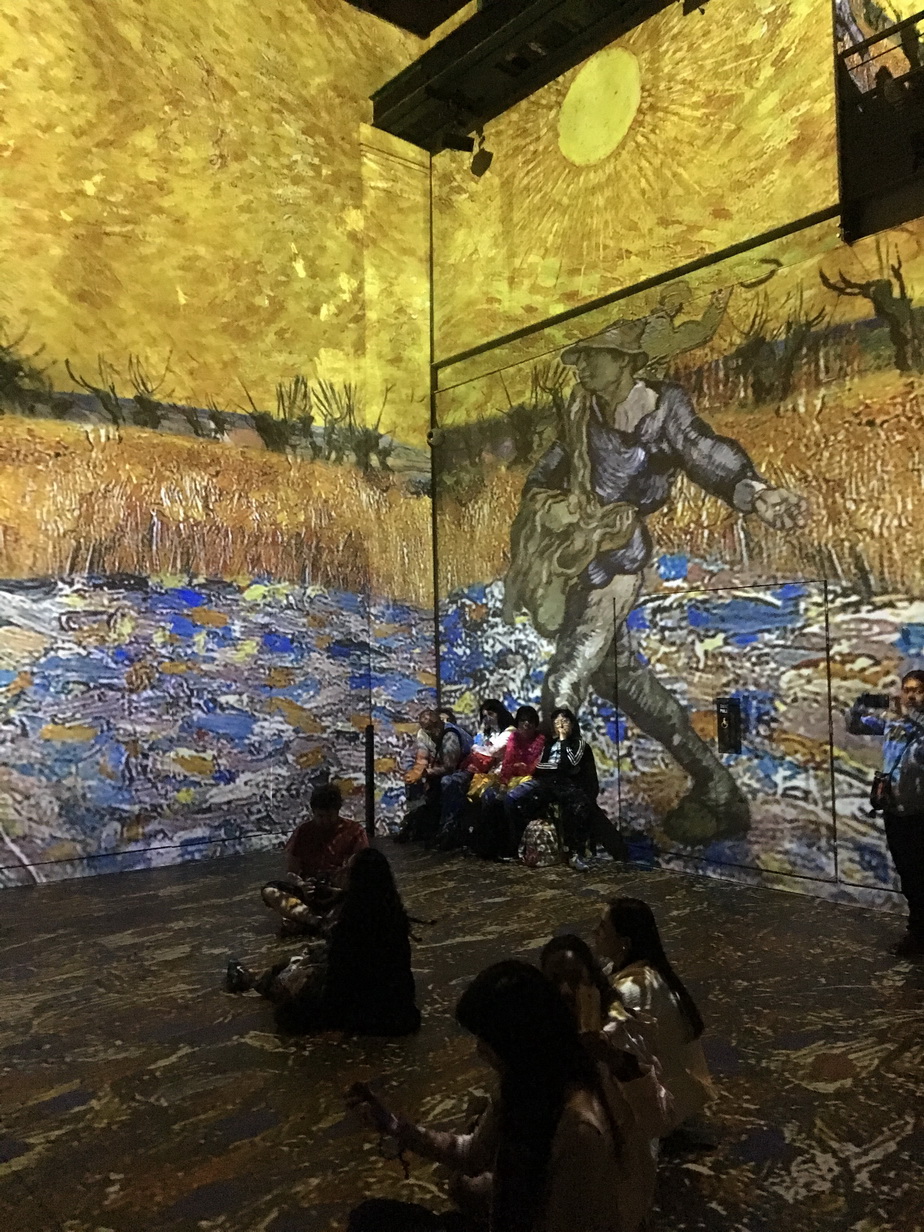
Gachet." Then, bright landscapes appear, pastoral songs of green fields or blooming flowers under bright sunshine, along with the famous sower, Van Gogh’s bedroom, and the corridors of the Saint-Rémy asylum.
Colorful sunflowers and peach blossoms appear in the states and situations of life’s blooming and fading. Finally, touching crows circle over the wheatfield as a storm approaches.
The audience is bewildered by the colorful hues and changing light, and moved by Van Gogh’s legendary tragic story, experiencing it firsthand and enjoying a unique audiovisual humanistic art experience.
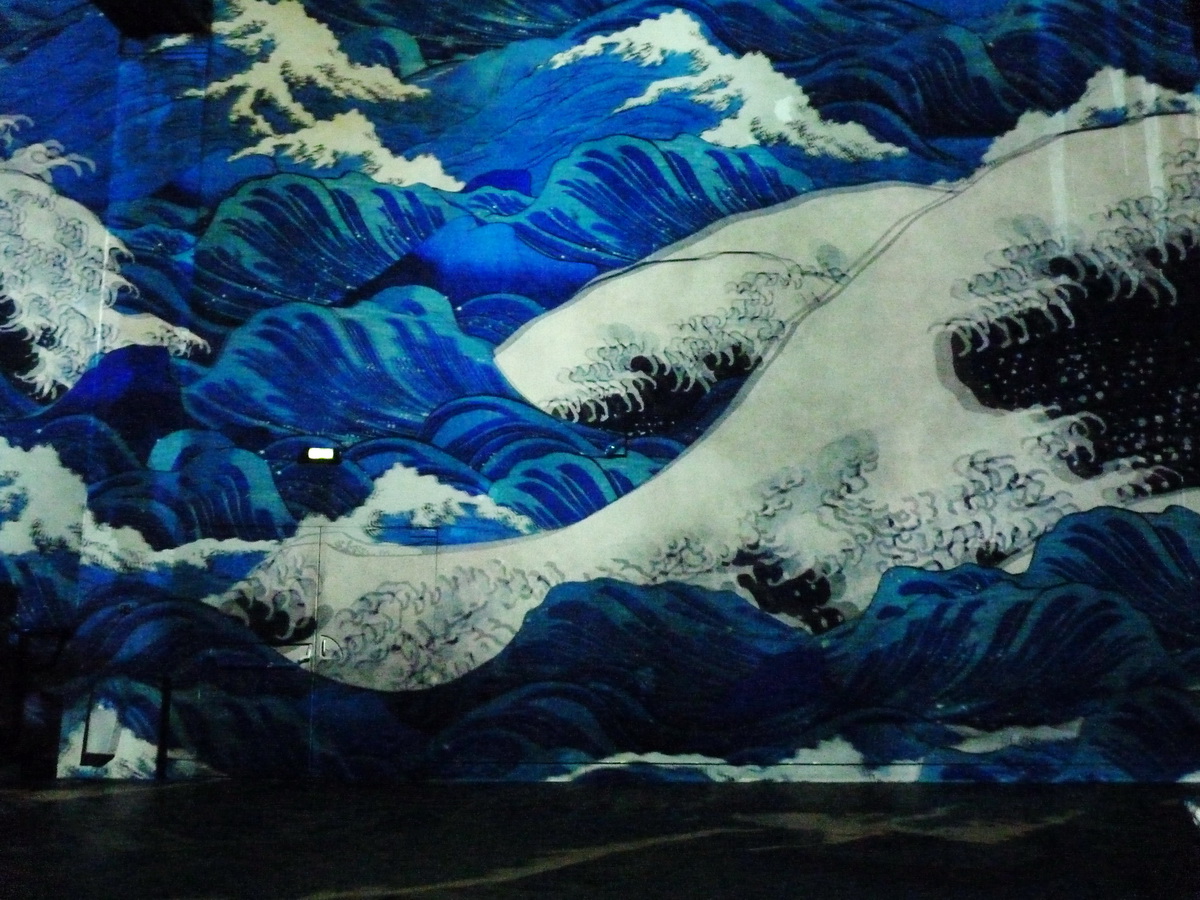
Japan Dream - "Images of Ukiyo-e": People are not unfamiliar with Japanese ukiyo-e, especially Katsushika Hokusai’s "The Great Wave," which has become a symbol of Japanese humanities and art in popular culture.
Ukiyo-e is a form of Japanese painting art originating in the 17th century, mainly depicting people’s daily lives, landscapes, and theater.
Ukiyo-e is often considered to refer specifically to color-printed woodblock prints (known as nishiki-e in Japanese), but also includes hand-painted works.
The most famous artist is Katsushika Hokusai, whose view of Mount Fuji seen from various places in eastern Japan, "Thirty-Six Views of Mount Fuji," features "The Great Wave off Kanagawa" as the best known, one of the most exposed paintings in the world.
Ukiyo-e deeply influenced Western modern painting in the 19th century, from Impressionism to Post-Impressionism, Manet, Monet, Van Gogh, Toulouse-Lautrec, and other Post-Impressionist painters.
Van Gogh’s masterpiece "The Starry Night" is believed to have been inspired by Hokusai’s "The Great Wave." French composer Claude Debussy, an Impressionist in classical music, was also inspired by this painting to create the symphonic poem "La Mer." The style of ukiyo-e also inspired the Art Nouveau movement that emerged in the late 19th century. (Note - from Wikipedia)
Ukiyo means the floating world, the worldly life and its myriad aspects.
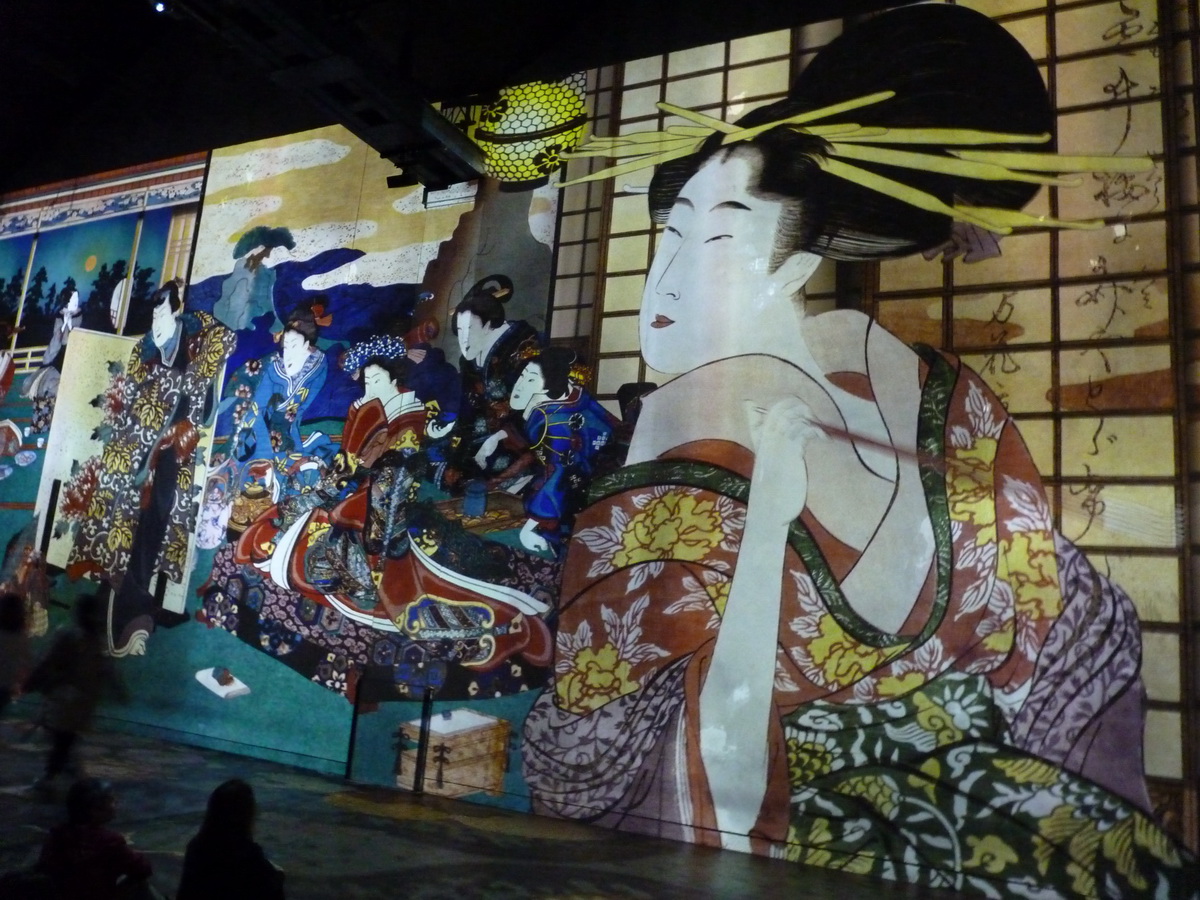
Ukiyo-e specializes in depicting scenes and situations of common people’s daily lives, longing for famous mountains and beautiful waters, seasonal natural landscapes, folk legends – geishas, mythological stories – samurai, symbolic Mount Fuji, the sea and underwater world of the island nation, etc.
Within these colorful, diverse, and abundant "ukiyo-e" images, the entire Japan Dream is woven together.
With the music of Ryuichi Sakamoto and Claude Debussy’s symphonic poem "La Mer," the plot rises in climaxes, passing through the rhythm of Japanese drums, sketching a humanistic art dream of Japan.
Japan Dream – "Images of Ukiyo-e" opens this extraordinary journey of Japanese humanistic art dreams with the charming scenes of geishas’ tea house life. In the colorful tea houses, elaborately dressed courtesans entertain guests in revelry.
Warriors full of courage arrive before our eyes, each with dramatic symbols and expressions; a glance leads to killing and shouting, drum rhythms rise, and sword lights clash in dramatic battles.
Sea breeze blows with the musical rhythm, "The Great Wave" rising higher and higher, immersing the entire scene with a sense of presence, causing suffocation.
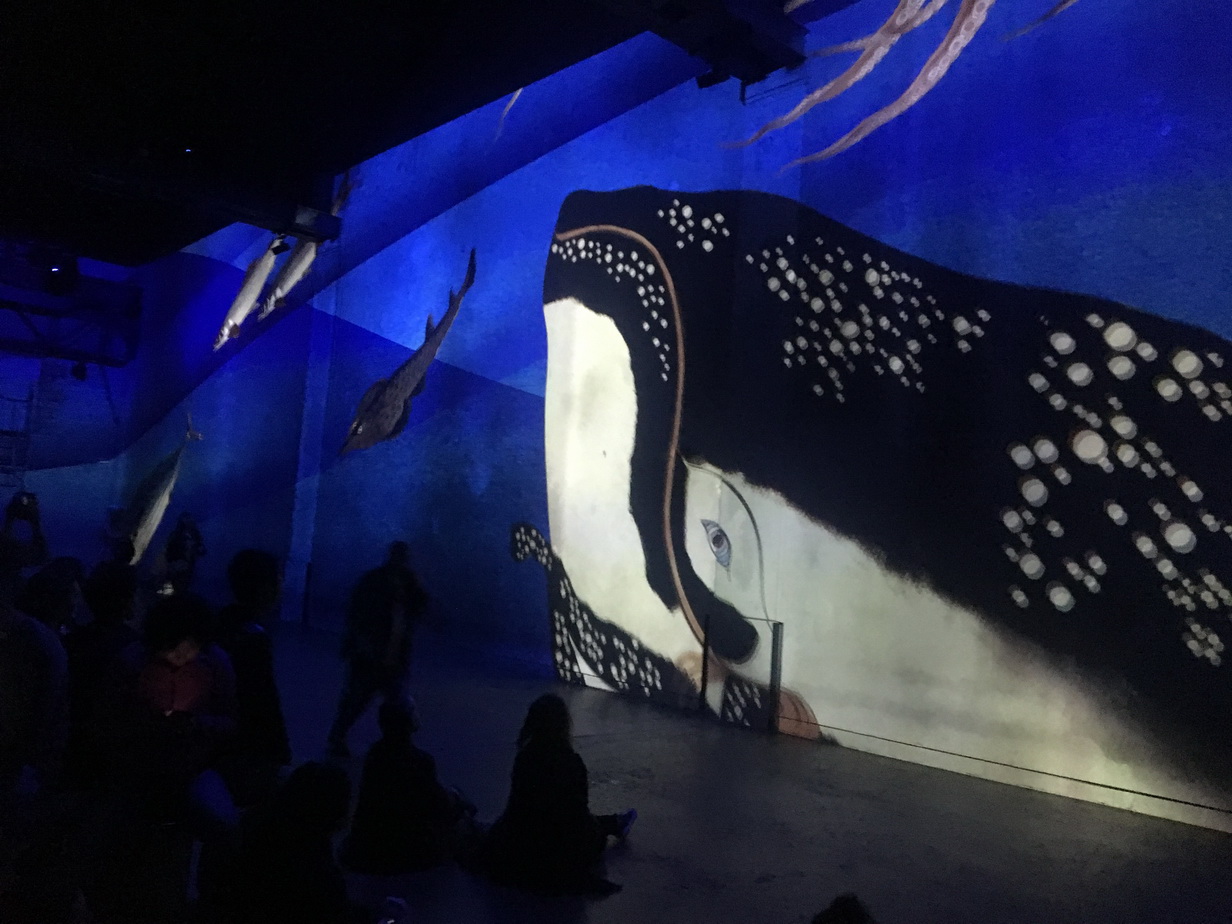
Then, the wind calms, entering the deep ocean world, where small colorful fish swim freely, and a huge whale slowly passes through the picture and disappears in the distance.
The rhythm of the sea gradually fades, ghostly images transform into characters from mythological stories (comics), wandering within, full of imaginative space. Eye-catching woven fabric graphics, rich forms, and colorful brilliance are quite bewitching.
As darkness falls, lanterns float up to the sky one by one until they cover the entire picture, immersing people in that space-time, empathizing with the illusion of reality and unreality, truly like a dream journey.
Adult ticket: €14.5, Half-price: €9.5. Opening hours: Every day from 10:00 to 22:00. Address: 38 rue Saint Maur, 75011 Paris. Website: Atelier des Lumieres.