Parisian Horticultural History: French Gardens That Command Nature
(Top) The typical characteristic of French gardens is the garden of Vaux-le-Vicomte Castle. (Bottom) Vibrant patterned flower beds are one of the features of French gardens (Garden of the Carnavalet Museum).
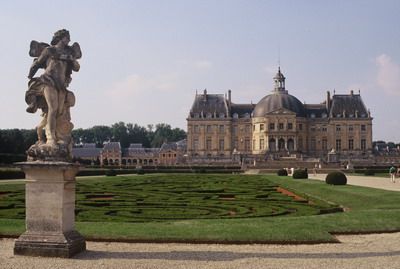
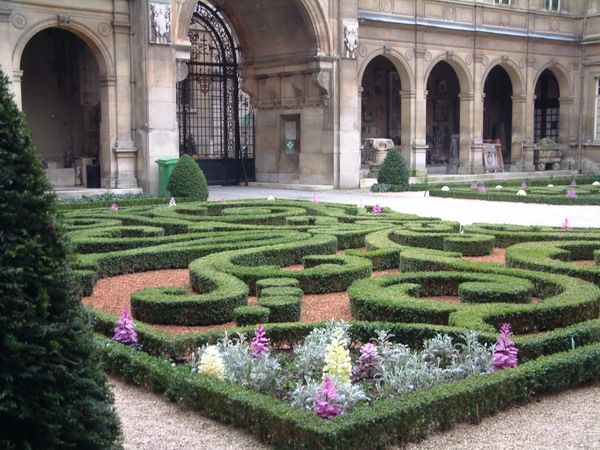
(Top) The typical characteristic of French gardens is the garden of Vaux-le-Vicomte Castle. (Bottom) Vibrant patterned flower beds are one of the features of French gardens (Garden of the Carnavalet Museum).
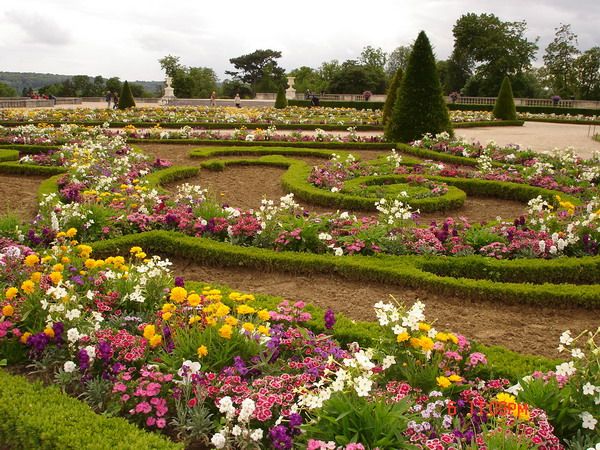
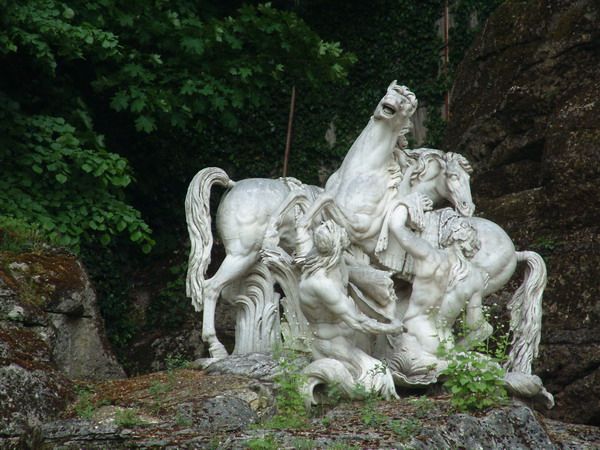
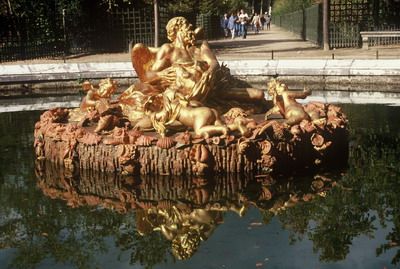
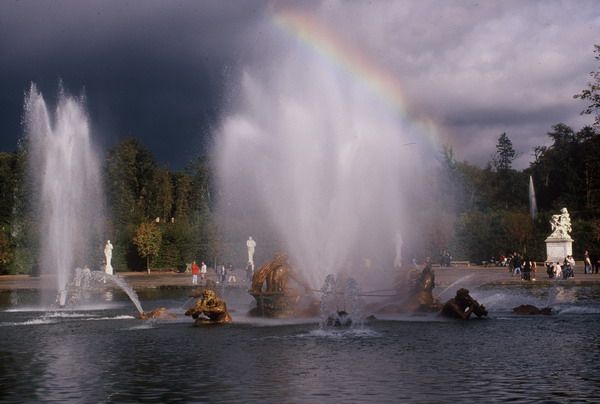
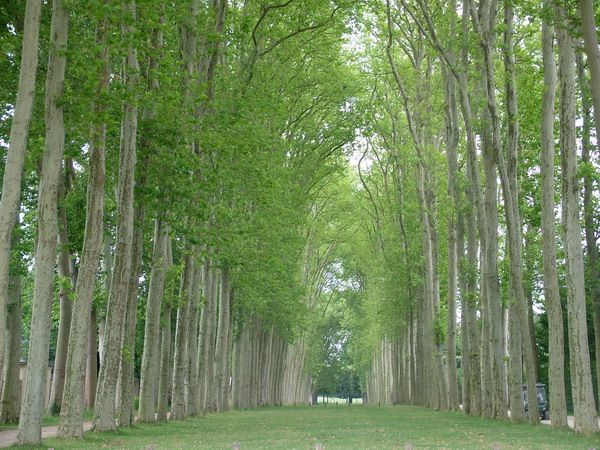
(Image 1) The most representative masterpiece of French gardens is undoubtedly the peerless Garden of Versailles Palace. (Image 2) Without allegorical statues, French gardens would lose their charm. (Image 3) Exquisitely carved statues are one of the most exemplary decorative landscapes in French gardens. (Image 4) The dramatic water theater is the most entertaining masterpiece of French gardens. (Image 5) The water theater is one of the most outstanding and entertaining displays in French gardens. (Image 6) The magnificent long perspective avenue is a unique landscape feature of French gardens.
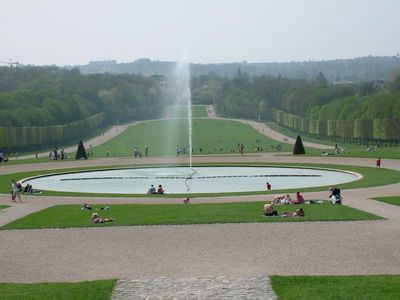
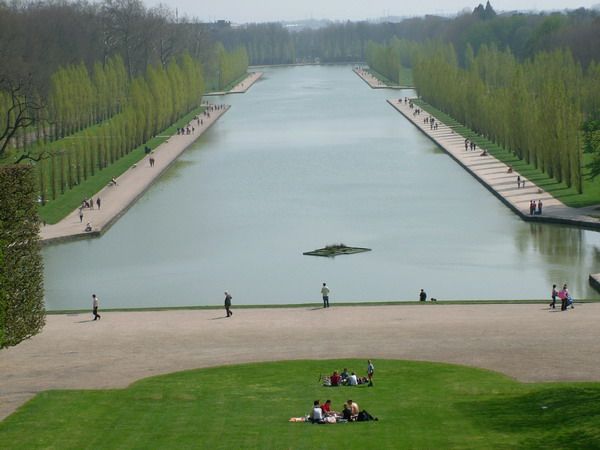
(Image 1) The vast, open panoramic view makes French gardens more spectacular and charming (Sceaux Park). (Image 2) Without reflecting pools, fountains, waterfalls, and canals, French gardens would lose their soul (Sceaux Park).
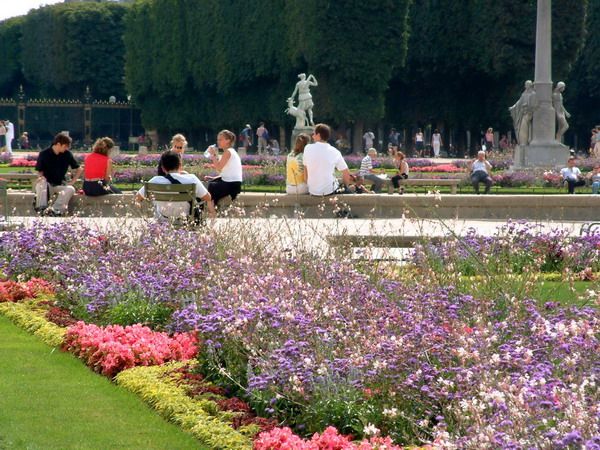
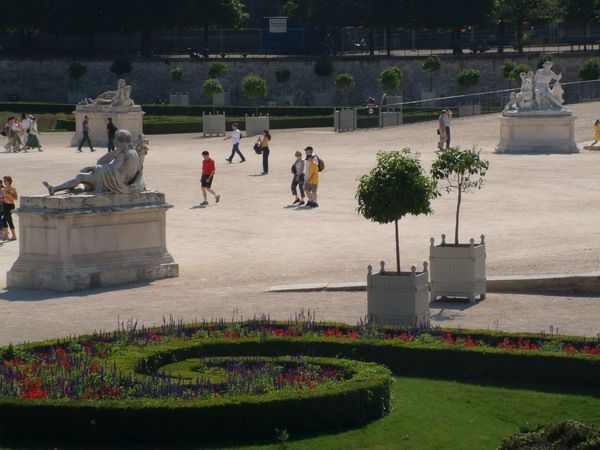
(Image 1) The Luxembourg Garden, Parisians' backyard, is also a model of French gardens. (Image 2) The orderly Tuileries Garden was once a space for royal leisure. At the time when Western positivist philosophical trends developed in the seventeenth century, the Age of Reason was born. Art, within this gilded form, gave rise to the Baroque artistic style. Especially under the monarchical system, it formed an unprecedentedly gorgeous art, particularly reflected in the art of Louis XIV's Versailles Palace in France. Its grand and magnificent French garden art tamed nature through rational, empirical, and rigorous geometric organization. Just as if the garden ruled over nature, was this not the magical commanding power of the Sun King—Louis XIV? Under the affirmation of his monarchy, the aesthetics of French garden art reached its peak, becoming the object of emulation by various European royal families at that time. The rigorous and perfect French garden was born under the whims and favor of the Sun King, and bestowed upon the artistic talent of Andre Le Notre, a giant in French horticultural history. Through their ingenuity and craftsmanship, the docile French garden was established on rigorous, balanced, and symmetrical organic architectural geometric forms. Its precision and clarity were established in Descartes' positivism. Harmonious, perfect, and cultivated, it was pleasing to the eye in its visual beauty, especially the gardens of Vaux-le-Vicomte Castle and Versailles Palace. The vibrant gardens emerged independently from the castles; the castle became the primary decorative scenery of the garden, while the garden provided the castle with a refreshing and extremely spectacular wide view. Terraces, magnificent long perspective avenues, vibrant patterned flower beds, geometric green lawns, colorful seasonal flower beds, shimmering reflecting pool fountains, water beds, waterfalls, canals, woodlands, and statues all exuded full momentum and charm, sincerely displaying the ultimate aesthetic beauty of French humanism. The most famous French gardens in Greater Paris include: the Garden of Vaux-le-Vicomte Castle (Jardin du Chateau de Vaux le Viconte), the Garden of Versailles Palace (Jardins du Chateau de Versailles), Saint-Cloud Park (Pars de Saint-Cloud), Sceaux Park (Parc de Sceaux), Chantilly Castle Park (Parc du Chateau de Chantilly), Courances Castle Park (Parc du Chateau de Courances), and Champs-sur-Marne Castle Park (Parc du Chateau de Champs-sur-Marne).