Parisian History of Horticulture: The Poetic and Picturesque English Garden
(Fig. 1) Queen Marie Antoinette’s famous pastoral poem at Versailles—the picturesque garden of the Petit Hameau: Temple of Love. (Fig. 2) A pastoral landscape of shimmering water and shadows—the naturalistic garden of the Queen’s Petit Hameau at Versailles.
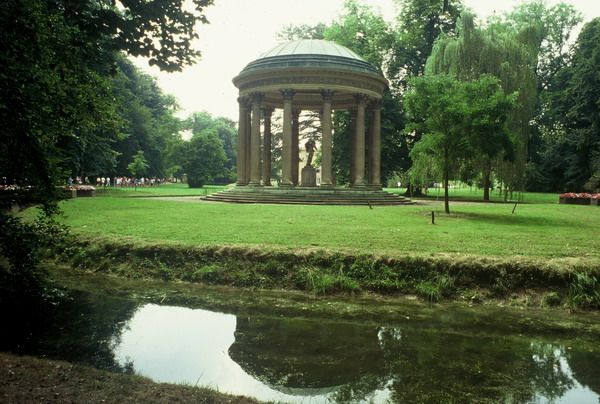
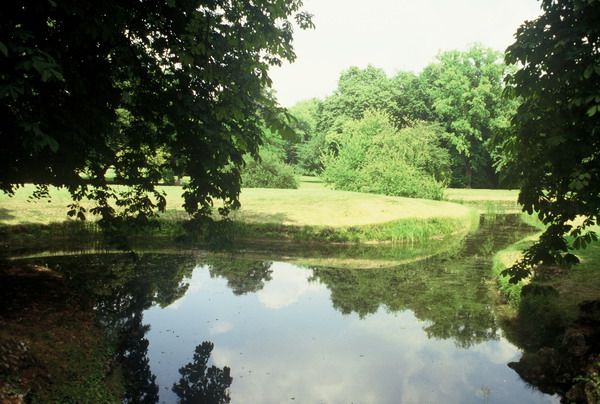
(Fig. 1) Queen Marie Antoinette’s famous pastoral poem at Versailles—the picturesque garden of the Petit Hameau: Temple of Love. (Fig. 2) A pastoral landscape of shimmering water and shadows—the naturalistic garden of the Queen’s Petit Hameau at Versailles.
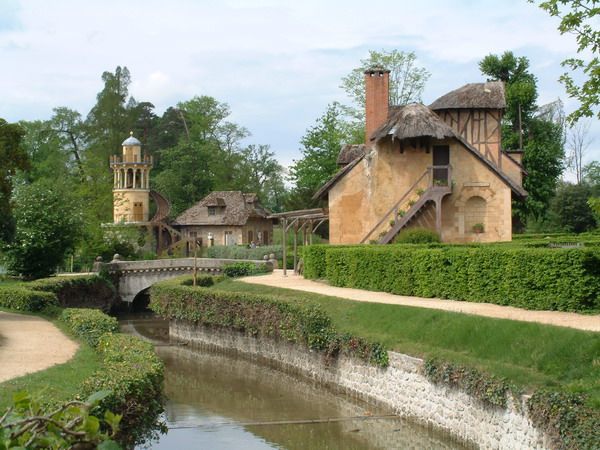
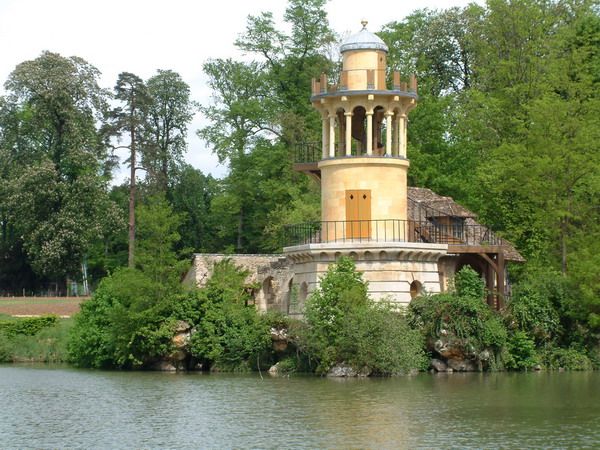
(Fig. 3) The pastoral idyll of Queen Marie Antoinette at Versailles—natural beauty in the English garden. (Fig. 4) Lake and mountain scenery in the Queen’s pastoral idyll at Versailles—natural beauty in the English garden. In the eighteenth century, under the Enlightenment and the Industrial Revolution, art moved from the opulent Baroque to the refined elegance of Rococo. Within this emotionally charged atmosphere, garden art liberated nature from taming; thus, these poetic and picturesque gardens were born in England, hence the term "English garden." Emulating natural creation, they brimmed with vitality, presenting a charming brightness that stood in stark contrast to the solemn French gardens. Gardens became landscapes, and landscapes became gardens, turning gardens into the core of scenic contemplation. The primary inspiration for these naturalistic English gardens came from the poetic and picturesque bright landscapes painted by seventeenth-century French painters Nicolas Poussin and Claude Lorrain, as well as Northern European landscape painters, and was deeply influenced by the lyrical pastoral poetry of British poet Alexander Pope and Chinese gardens. "Poetry, painting, and gardening (...) are considered like three sisters or goddesses who decorate and embellish natural beauty." Since the mid-eighteenth century, these poetic and picturesque English gardens had also become fashionable among gardens across Europe. Influenced by philosopher Jean-Jacques Rousseau’s naturalistic thought and the ruin paintings of Hubert Robert, Marquis d'Épinay Girardin transformed Ermenonville, near the capital, into France’s first naturalistic English garden, making it the most admired splendid garden of the time. This was followed by other famous natural theaters near the capital, such as the Retz Garden and the romantic Mansart Garden in the city. By the late eighteenth century, Queen Marie Antoinette’s famous pastoral poem at Versailles—the picturesque garden of the Petit Hameau—and the splendid and unique Bagatelle Garden, both thrived with vitality in this rustic, bright theater. Lush green lawns, lake and mountain scenery, flowing streams, waterfalls, winding shaded paths, verdant trees, and clusters of flowers and plants adorned this bright landscape with Greek pavilions, Chinese and Turkish kiosks, windmills, old city walls, pyramids, stone columns, and rocky caves. Picturesque and poetic, they constituted the magnificent natural beauty of the English garden. After the French Social Revolution, all royal gardens were opened, instantly becoming beloved parks for the people of the capital. From then on, leisurely strolls became a social fashion.