Parisian Horticultural History: Urban Oasis — Imperial Gardens
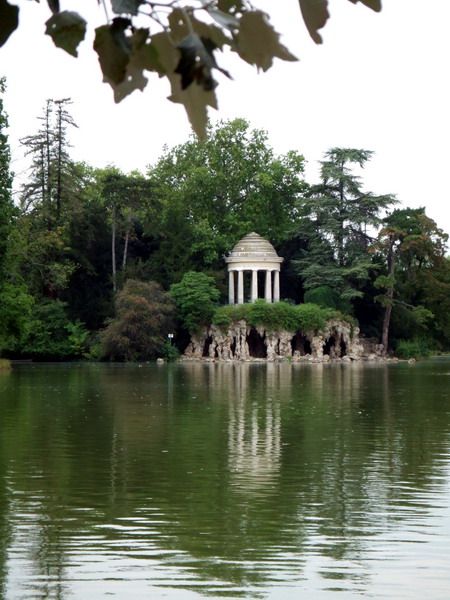
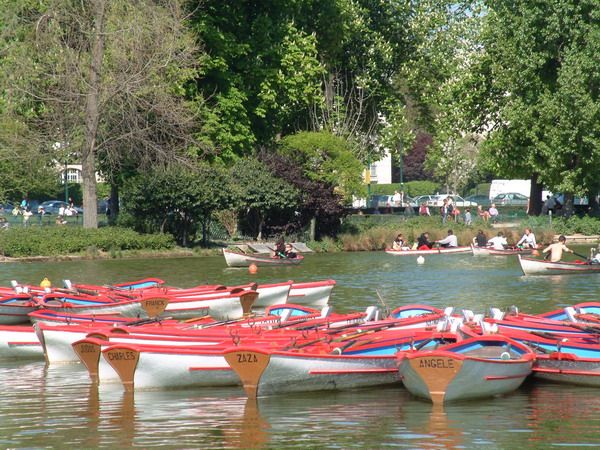
(Fig. 1) The lush Vincennes and Boulogne Forests are the city's largest green oases.
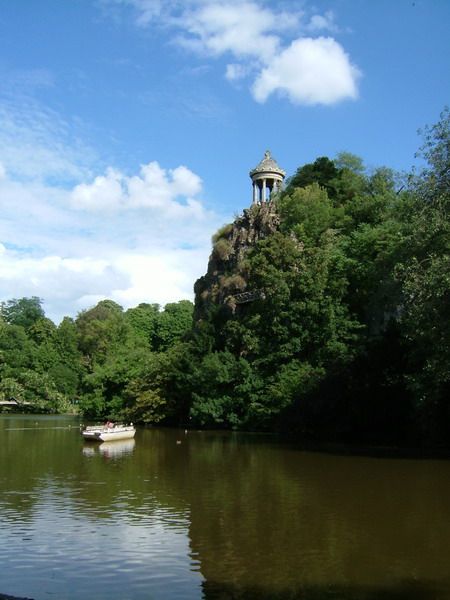
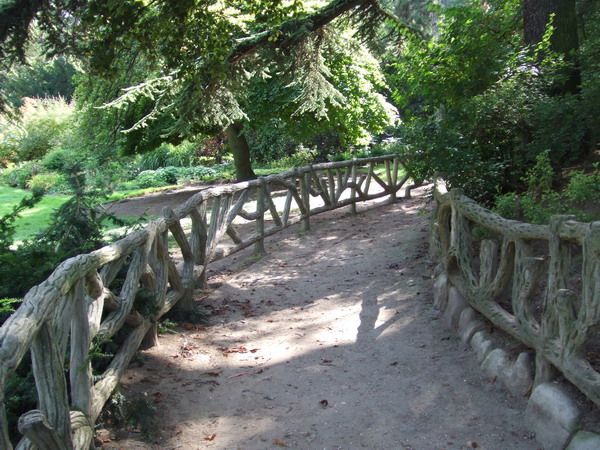
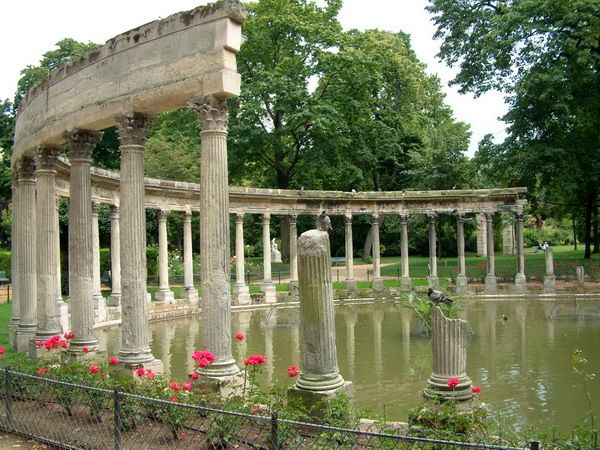
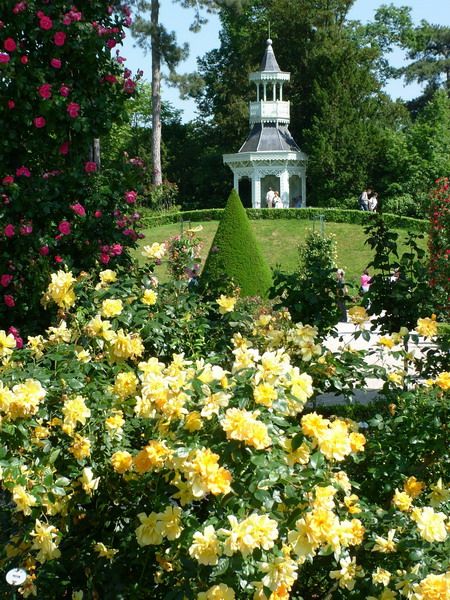
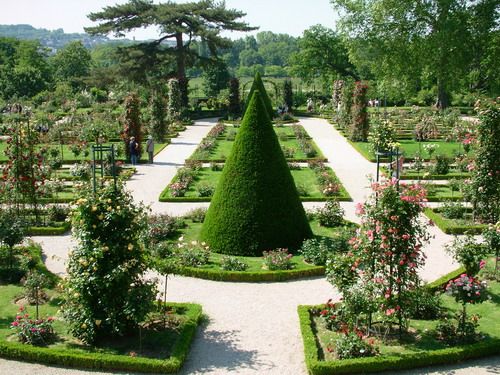
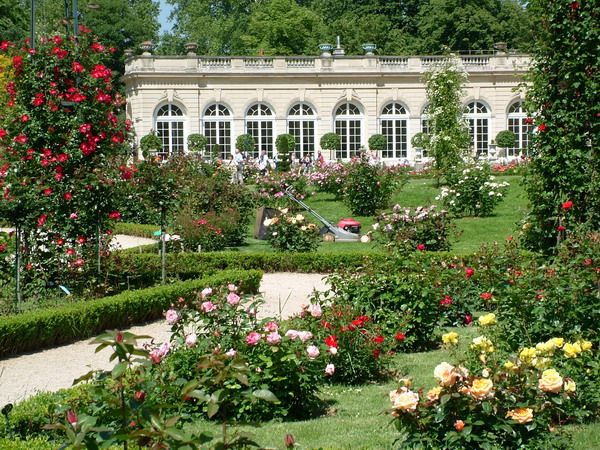
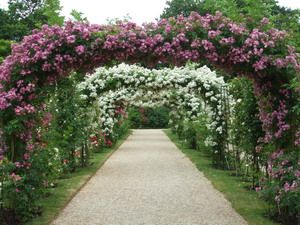
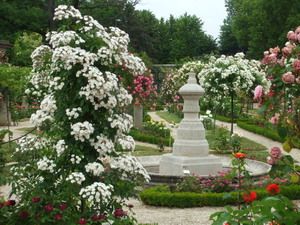
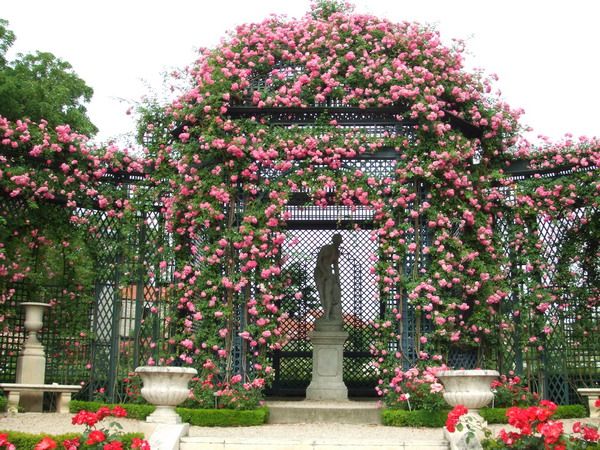
(Fig. 1) The delightful rose corridor is a feature of the Reuilly Rose Garden. (Fig. 2) The fragrant natural theater—the Reuilly Rose Garden. (Fig. 3) The Reuilly Rose Garden centers on its colorful Rose Palace. With the acceleration of nineteenth-century industrialization, the magnificent pastoral scenery of agricultural society sounded its death knell, as urban civilization developed. Paris, the Flower City, reached saturation and overcrowding due to excessive development until the Second French Empire. Under the decisive actions of Emperor Napoleon III and the ingenious craftsmanship of Baron Haussmann, the metropolis was vigorously renewed. Their wisdom transformed Paris into the most modern metropolis in history, unprecedentedly integrating verdant parks into the urban landscape—the birth of imperial gardens. Lush Vincennes and Boulogne Forests, poetic Montsouris Park, Marcoule Garden, renovated Monceau Park with its abundant flora, and Bagatelle… etc., along with dozens of pleasure gardens and all tree-lined avenues in the city, established the system for greening spaces, walking paths, and tree planting that defines Paris today, turning the metropolis into an oasis of flowers and trees. By 1860, almost all major French cities possessed public green recreational gardens, becoming models for urban green spaces across Europe.
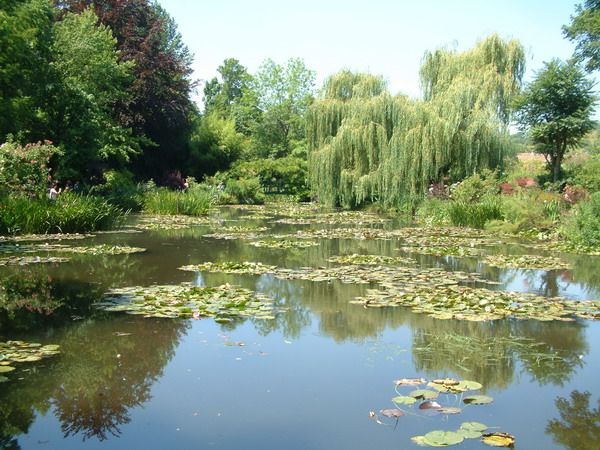
Thriving imperial gardens, rooted in the English tradition of natural landscaping, were poetic and visually pleasing. They reintroduced vibrant flora and celebrity statues into bright natural theaters (e.g., Montsouris Park), gave birth to new botanical collections through great greenhouses (e.g., Jardin des Plantes, Bagatelle), and fostered the creation of private gardens (such as Abel-Gan Garden near Paris, Reuilly Rose Garden, Monet’s Garden in Giverny). These provided vast spaces for urban dwellers to relax and enjoy themselves. Gardens thus became tools for improving quality of life and social reform.