Parisian Horticultural History: The Multifunctional Postmodern Garden
(Fig. 1) Villette and Citroën Parks are models of 21st-century gardens in the City of Flowers. (Fig. 2, left) Postmodern gardens feature tight integration with modern urban planning. (Fig. 2, right) Villette Park is set within bold, spectacular futurist architectural structures.
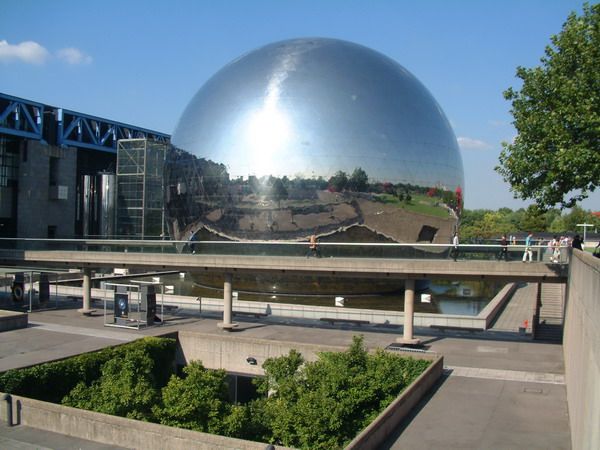
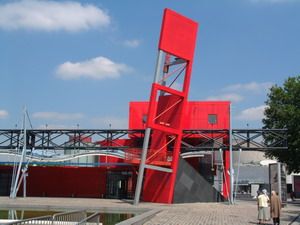
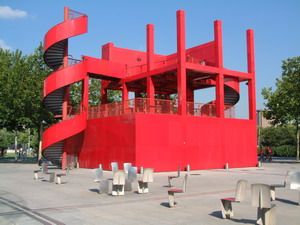
(Fig. 1) Villette and Citroën Parks are models of 21st-century gardens in the City of Flowers. (Fig. 2, left) Postmodern gardens feature tight integration with modern urban planning. (Fig. 2, right) Villette Park is set within bold, spectacular futurist architectural structures.
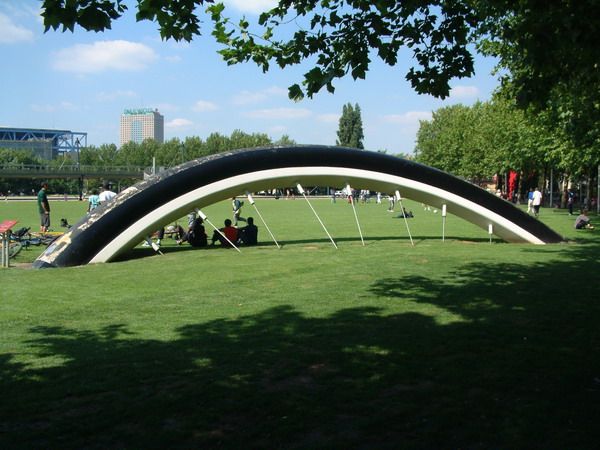
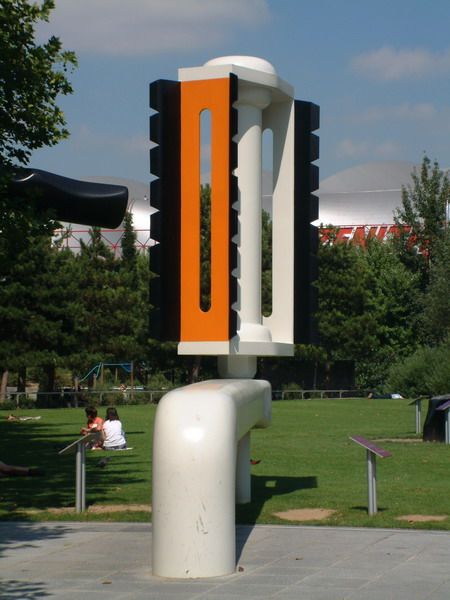
(Fig. 3) Among these diverse parks lies the most dramatic public landscape art. (Fig. 4) This spectacular public art is a masterpiece by American Pop artist Claes Oldenburg.
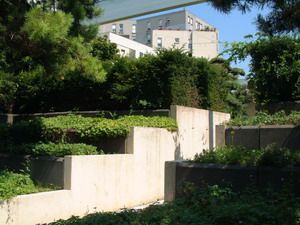
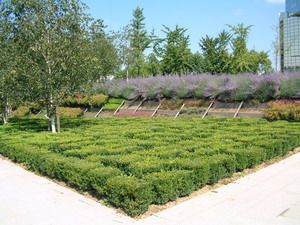
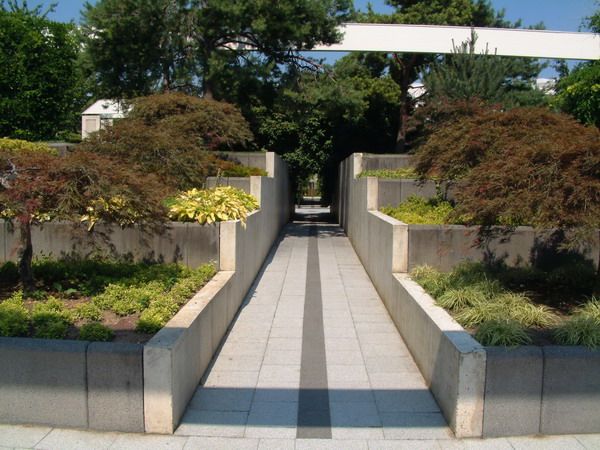
(Top left) The modern architectural structure of dots, lines, and planes characterizes the Villette-Citroën Park. (Top right) Perfect organic architectural forms and spaces become the park's greatest feature. (Bottom) The Villette-Citroën Park, perfectly integrated into contemporary architectural forms, serves as another model.
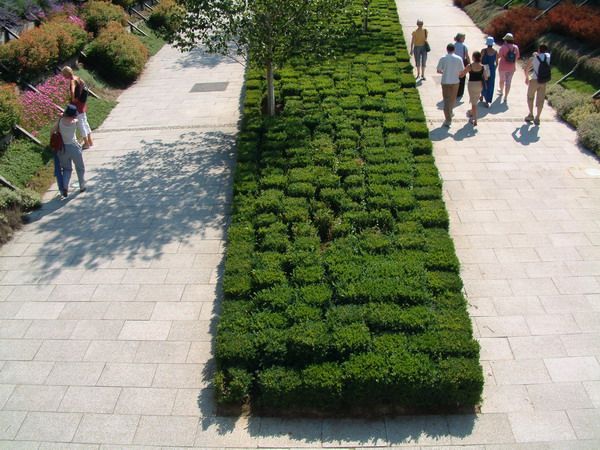
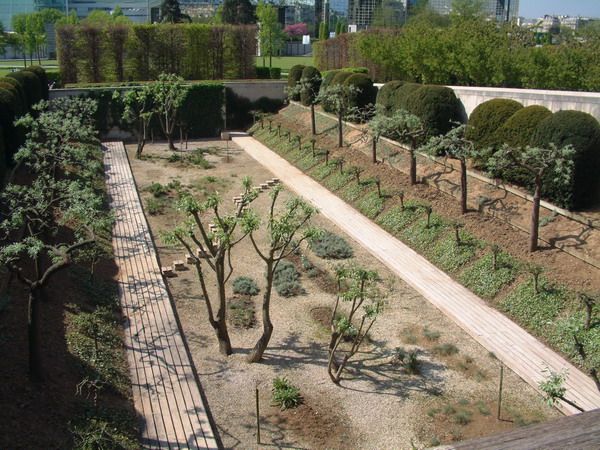
(Fig. 1) Within futurist architectural structures, developing from facade spatial frameworks, the Citroën Park focuses on ingenious spatial themes. (Fig. 2) Citroën Park: Gold, silver, yellow, green, blue, red, and other series serve as thematic gardens.
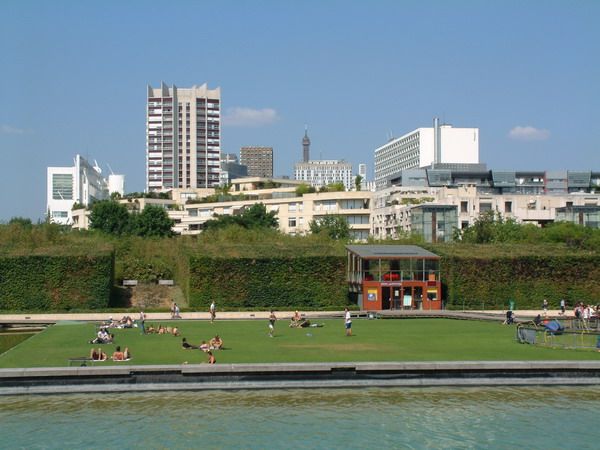
(Fig. 3) Postmodern gardens, combined with modern urban construction, offer city dwellers the ultimate leisure space. The main characteristic of multifunctional postmodern gardens is their tight integration with modern urban planning, blending geometric architectural structures into various forms of British gardens or the exquisite craftsmanship of rigorous French gardens. Through various themes, they demonstrate the superior aesthetic beauty of modern life within an organic organization of nature and architecture, form and color, vision and imagination. They thus become the best space for city dwellers to converse with nature and engage in leisure activities, and also a paradise for urban children. At the end of the 20th century, the City of Flowers ingeniously created two futurist-style gardens—postmodern gardens (Villette Park and Villette-Citroën Park). Neither rigorous traditional French gardens nor natural British gardens, they emerge within spectacular futurist architectural structures, developing from facade spatial frameworks and focusing on ingenious spatial themes. Combining ingenious contemporary artistic forms and avant-garde spatial planning, they stand out through conceptual, abstract, and concrete dots, lines, planes, forms, and volumes, perfectly integrating into contemporary architectural forms, thereby becoming the model for 21st-century gardens.