French Weddings
(Fig. 1) Long live marriage, long live it a million times. (Fig. 2) A beautiful marriage is as sweet as this. Marriage is a major life event, so people complete it every day; it is not the end of single life nor a soul’s grave, but a significant stage where companionship builds a home, and people se
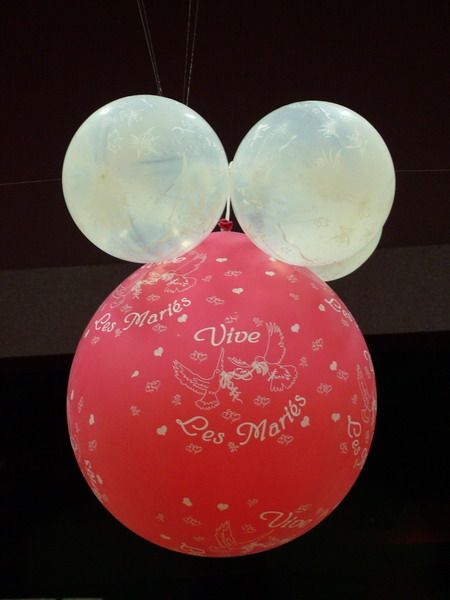
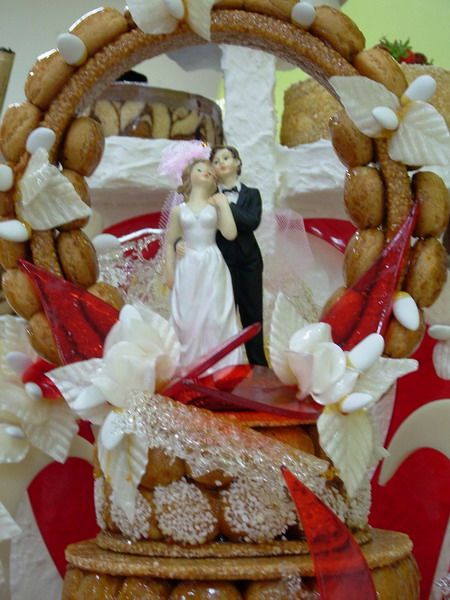
In today’s society, where individualism reigns and appearances mask inner distance, marriage offers no special guarantees. The tradition of growing old together has become a myth; no one can predict the future. No wonder divorce rates in France, especially Paris, are so high—one in two couples divorces. If friends haven’t met for a while, someone might jokingly ask, “Still not divorced?” This is no longer an awkward situation but social normality. Divorce and remarriage form blended families—divorced parents with children who remarry—which characterizes contemporary French society, as exemplified by the current French President. Another obvious phenomenon is that people marry later, with cohabitation becoming a space for young people to build their dreams. Recently, a new trend is the late-life divorce of many retired couples, which seems to interpret that getting off at the wrong station is not too late. Such changes in French society have deeply altered marriage, family, morality, social values, and worldviews—this is perhaps the modern or postmodern state of life in the new century.
As far as I know, the peak wedding season in France is spring, when the earth awakens and everything renews, or late summer/early September when crisp autumn weather approaches. In France, weddings are mostly held on weekends (unlike Chinese customs of checking horoscopes and auspicious dates). Early Saturday mornings, city halls across Paris are bustling like markets, and churches are particularly lively. French weddings involve both civil and religious ceremonies, often held grandly together. On this day, mayors (or district mayors) and pastors or priests are busier than usual. Usually, the mayor himself (since this involves local votes) hangs blue, white, and red drapes (symbolizing mayoral authority) in the luxurious reception hall to preside over the civil ceremony. If the mayor is absent, a substitute takes over, always explaining the absence and apologizing to the public. During the ceremony, the presiding mayor asks the bride and groom if they are willing to marry each other. After they consent (someone can dramatically say “no” if they change their mind), the host reads the legal articles regarding marital duties. Before the mayor, relatives, and friends, they exchange gold rings and kiss. Then, the bride, groom, and witnesses sign the marriage certificate. Finally, the host hands the “Family Record Book” to the newlyweds, concluding amidst congratulations and applause.
Next comes the wedding carriage procession (decorated with lights and ribbons), driving majestically through the busiest streets with a symphony of honking horns, signaling joyful blessings. In France, hearing a series of unusual horn symphonies on the street on a Saturday means someone is getting married. Weddings are always festive, blessed in the most beautiful forms. Today, many marriages are merely administrative procedures; couples usually know each other well and already live together. Few are lightning marriages born of emotional impulse. Actually, marrying in France is not easy: one must first register at the city hall, submit administrative documents such as birth certificates, proof of single status or divorce, customary proof (monogamy), and two witnesses from both sides, and undergo review and publication before marrying (to prevent fake marriages).
General weddings are chosen for Saturdays when everyone has free time. In today’s busy society, gathering relatives and friends is rare; large family gatherings happen either at weddings or funerals, which is hard to imagine. Weekend weddings allow collective celebration and enjoyment. People eat and drink heartily, with champagne and fine wine flowing like rivers, available for unlimited drinking. They sing enthusiastically, embrace loved ones, and dance gracefully, partying wildly until exhaustion during the longest night.