A Parisian’s Country Excursion, Part Two
(Fig. 1) Wild berries from the countryside are the most flavorful. (Fig. 2) Wild berry pastries look mouth-watering.
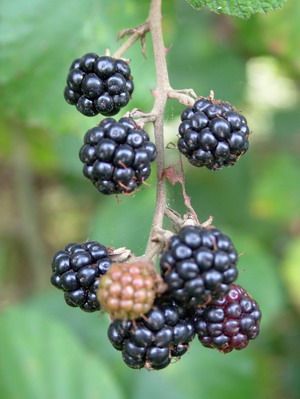
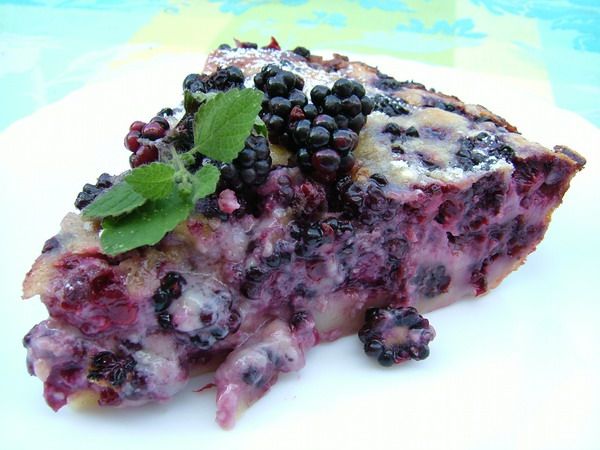
(Fig. 1) Wild berries from the countryside are the most flavorful. (Fig. 2) Wild berry pastries look mouth-watering.
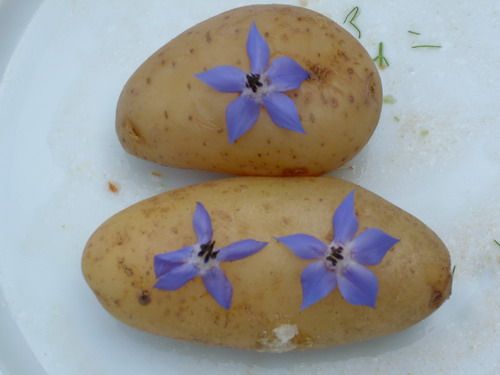
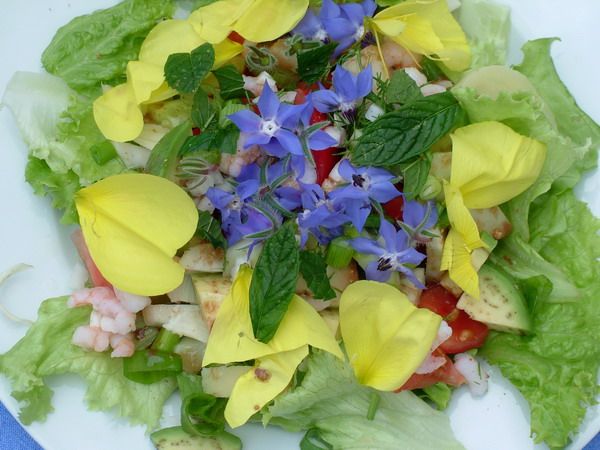
(Fig. 1) Mouth-watering potatoes. (Fig. 2) A colorful wildflower meal—herb and flower salad.
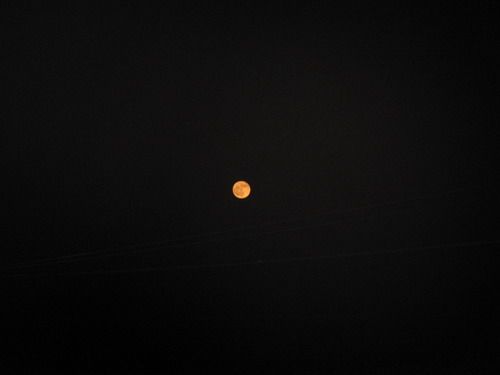
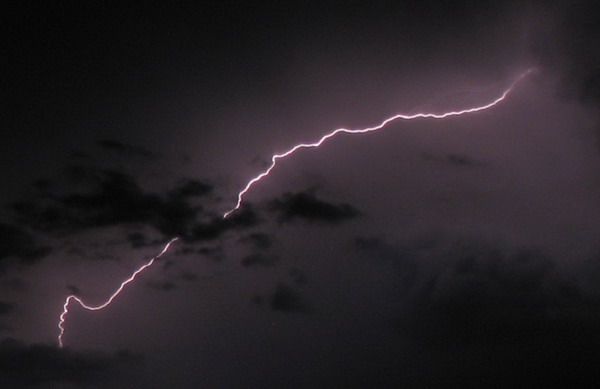
(Fig. 1) The poetic moon in the deep night. (Fig. 2) The spectacular lightning during a thunderstorm late at night.
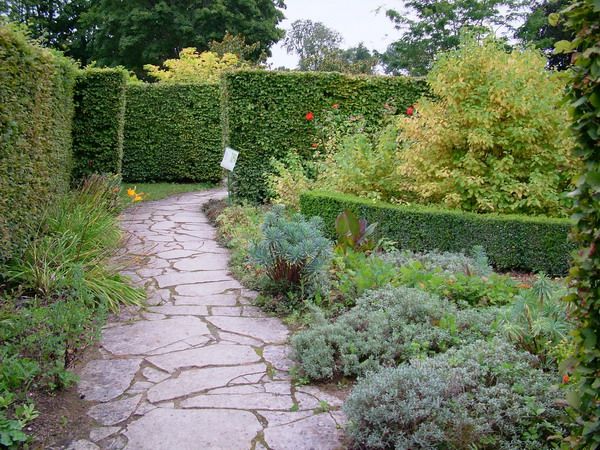
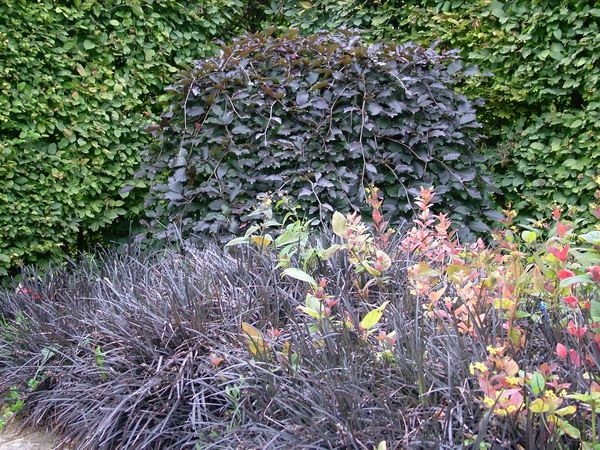
(Fig. 1) A poetic orange garden. (Fig. 2) An incredibly magical black garden.
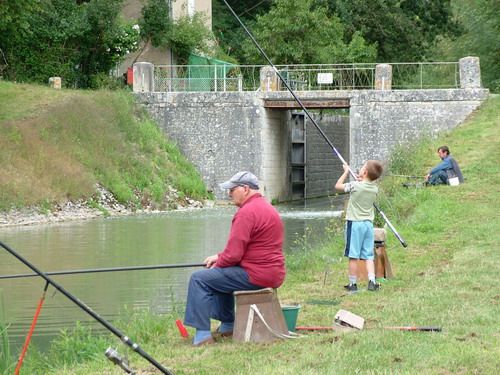
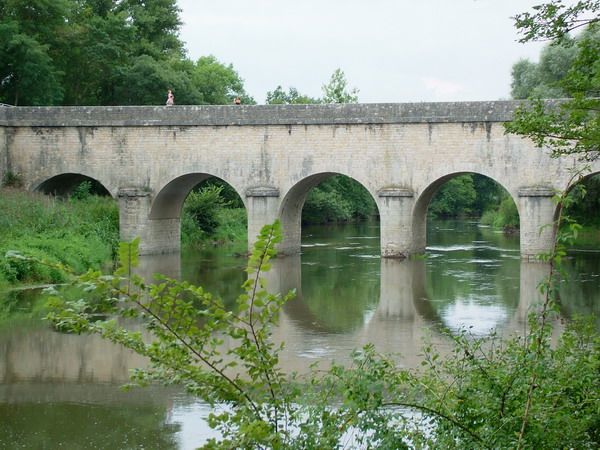
(Fig. 1) A majestic canal bridge. (Fig. 2) The canal is where people go fishing for leisure.
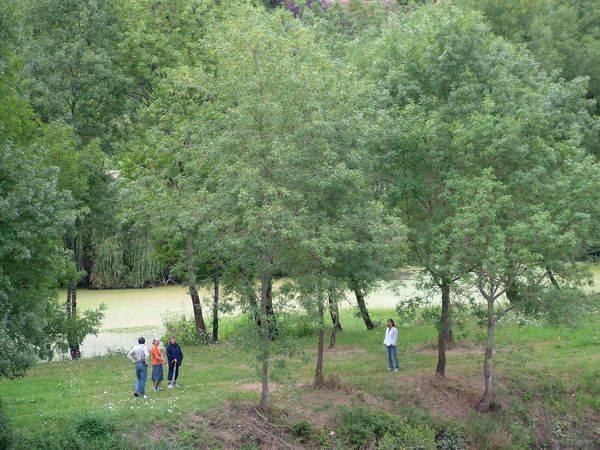
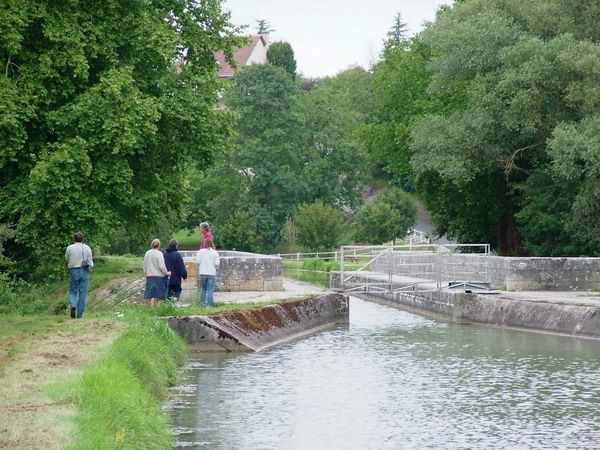
(Fig. 1) The canal side is a space for residents to stroll and unwind. (Fig. 2) The canal blends into the surrounding scenery. Every day, I worked with my brother-in-law in his backyard vegetable garden. For me, this was a way to unwind; watering, weeding, pruning fruit trees, or picking vegetables with the whole family felt more natural than acting as a farmer. We prepared lunch and dinner together (homemade bread or cake), and most of the vegetables and fruits (potatoes, green beans, small red carrots, lettuce, pumpkin, tomatoes, scallions, garlic, plums, peaches, apples, and red raspberries, etc.) came from the garden. Environmental protection and natural ecology had long become the most natural lifestyle for this biologist. What should return to nature did so, and what needed sorting saved energy and reduced waste. Whenever the weather allowed, we would have lunch or dinner under an umbrella in the garden. Endless topics of conversation ranged from life, climate, nature, society, politics, family, education, and more. We tasted fermented goat cheese specialties and local mellow red wine, paired with unique country bread, followed by coffee and finally dessert cake. Under the outdoor sunlight and in the August heat, we created a sense of life's charm. Those who wanted to nap lay on canvas chairs in the garden; those who wanted to read books did so. Sometimes I would take a short nap, and sometimes I would read. I once went fishing or fed bread to carp at the large pond in the backyard with my niece, listening to the symphony of insects and birds in nature. Sometimes I would run alone to the riverbank to contemplate the bright riverside scenery, strolling on the grasslands to observe and listen to the theater of nature (the cooing of crows and other birds, birds fishing on the water surface, and watching swallows fly in flocks). Facing these bright scenes reminded me of the landscapes in paintings by the Barbizon School and Impressionist painters in France. The endless views were all like painted realms. With such atmosphere, humidity, and sunlight, it would be strange not to produce this style of painting. I often thought that if one wants to understand Impressionist art, walking through the French countryside fields is much more practical than reading conceptual art history; everything is right before your eyes. Fortunately, during the country trip, days with bright sunshine were rare. Sunbathing was like a baptism for body and mind. In the evening, when the sunset filled the sky, one could watch the ever-changing clouds. There was leisure time to visit nearby farms to watch goats grazing. At night, under the starry sky and moon, one could count stars and admire the bright moon, or enjoy the leisurely days of watching distant lightning flashes during thunderstorms. We spent two weekends in the country. On the first weekend, everyone visited the Beauregard Castle, located 20 kilometers towards Blois. My niece (just turned eighteen) drove, accompanied closely by her father. They had previously walked around the castle on their wedding anniversary. This time, to make me happy, they specially chose this castle famous for its gardens. Indeed, the castle is not a representative work of the Renaissance, so we did not tour the interior. We went directly to the famous contemporary garden behind the castle to stroll. The distinctive garden was designed by France's most renowned horticulturist, Gilles Clement, in 1996, and dialogues with the portrait gallery inside the castle. The theme is "Gallery Garden," divided into twelve strict geometric gardens. Each garden has a dominant color, featuring twelve extraordinary imaginative colors, composed of over four hundred seasonal flowers and plants. For example, the white garden is entirely white flowers, the red garden is a mesmerizing red, the yellow garden is a poetic field of yellow flowers, and the black garden is even more magical with deep green and deep purple plants almost turning black. Along the walls are rows of fragrant roses, and finally, a series of distinctive mountain pine forests. Besides a large English-style lawn, the most unique feature is Gilles Clement's wild garden, which looks unlike a garden and is quite natural, seeming almost wild. Finally, what is mesmerizing are the four or five magnificent Lebanese cedar trees on the left side of the castle. On Sunday, our whole family walked along the unique Berry Canal in Selles sur Cher. This canal, nearly 50 kilometers long, crosses several industrial cities of that era and was opened in 1830 during the reign of Napoleon III as a transport canal. We started our walk from the canal gate at Selles sur Cher. The banks of the canal, with their shimmering water reflections, were renovated into walking paths. We strolled along leisurely, encountering some people fishing for fun and rare tourists. Arriving at the majestic canal bridge, the bright country scenery was quite poetic and charming. We rested for a moment by the bridge. My brother-in-law explained the historical and cultural background of the canal's history and function. It has now become a waterway for tourists to ponder historical traces and stroll for leisure.