France or Paris in Highest Anti-Terror Alert
The Eiffel Tower, symbol of Paris, is a counter-terrorism alert object. On Christmas Eve, four French nationals were murdered while traveling in Mauritania, Africa. Subsequently, France's annual Dakar Rally was canceled due to terrorist threats.
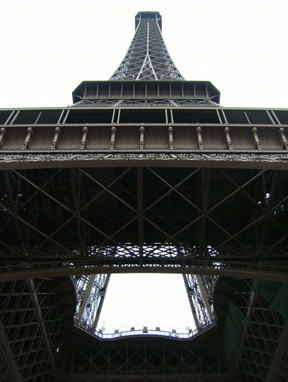
The Eiffel Tower, the symbol of Paris, serves as an anti-terrorism alert site. On Christmas Eve, four French nationals were murdered while traveling in Mauritania, Africa. Following this, France’s annual Dakar Rally, which traverses Africa, was canceled under threat from terrorists. It goes without saying that France has long been a target for international Al-Qaeda attacks. Although France took an anti-war (or anti-American) stance during the Iraq War—this does not mean it abandoned its rightful interests and influence in the region—it clearly belongs among Western powers. It maintains close historical ties with North Africa; especially given the complex history of colonialism between Algeria and France, political tension and sentiment have persisted between the two nations.
Since Nicolas Sarkozy, a pro-American who became a companion of Bush, was elected president, international Al-Qaeda has begun to pose substantial threats to France's security. During the Christmas and New Year holidays, this tension created extraordinary strain. French intelligence units had already actively monitored and investigated these facts. Particularly last week, on the website of Salafist Al-Ekhlass (Al-Qaeda in Algeria), an international terrorist organization, they solemnly declared attacks on French interests. Furthermore, after receiving information about an attack on the Eiffel Tower from Portuguese intelligence units last Thursday, the situation both domestically and internationally became even more tense.
Currently, Paris’s anti-terrorism level has been raised to red alert in the most urgent circumstances. Under the Vigipirate plan, Paris has long deployed soldiers armed with real ammunition and riot police teams for regular patrols at key urban locations (French administrative institutions), all tourist areas (Eiffel Tower, Arc de Triomphe, Notre-Dame, Bastille, etc.), and public spaces (train stations, subways, museums, art galleries, etc.). Even boarding TGV trains, entering major museums and art galleries, and accessing public administrative agencies require inspections. This threat has further strengthened protection for the Paris municipal government, administrative bodies, and even public figures, as the Mayor himself was specifically named. If you encounter such inconveniences while residing in or visiting France or Paris, it is understandable, as this concerns everyone's personal safety.