France or Paris’s Housing Crisis
No bread, eat eggs; no house, live outside. Where outside? Think for yourself.

No bread, eat eggs; no house, live outside. Where outside? Think for yourself.
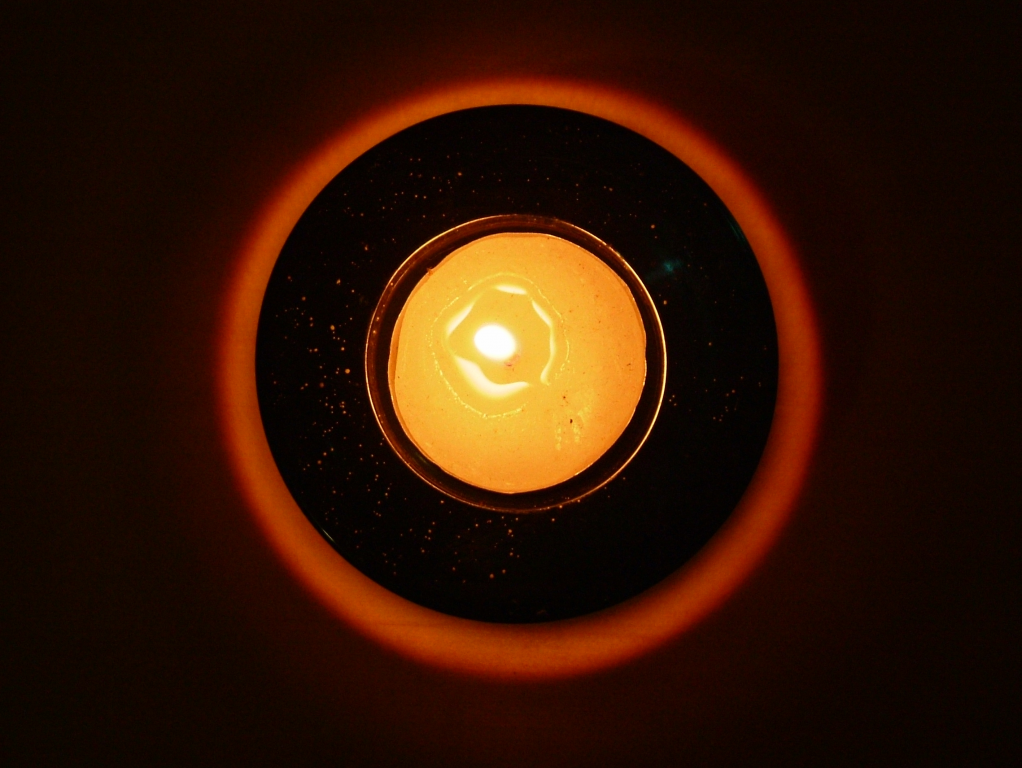
No electricity, light a candle—it’s not bad. No candle, there’s still the bright moon. This is the way of nature.
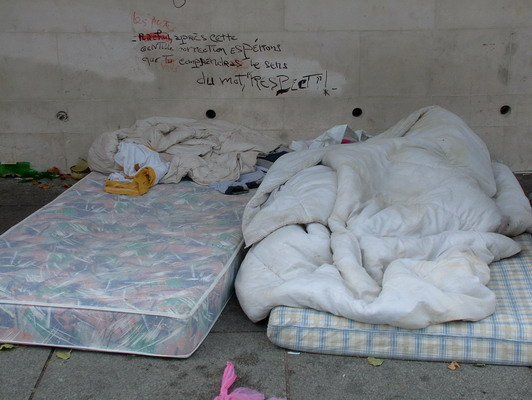
No place to sleep? You can build a bed under public buildings without panic. That’s why homeless people have settled under the piers of the Seine bridges. France is a country of romance, wealth, culture, history, fashion, technology, biochemistry, daily life, tourism, and refinement—a sixth-strong global power and a major tourist destination. Its capital, Paris, enjoys the reputation of an art and flower city, boasting the world’s top museums and art galleries, the unique Eiffel Tower, and its status as one of the humanistic cores of the world. It is a haven for artists worldwide and a dream destination for global tourists. These conditions are enough to make the French proud.
In the Paris metropolitan area, everyone has experienced how extremely difficult it is to rent a house. This difficulty affects not only international students from around the globe but also the French themselves. Due to supply falling short of demand, the housing shortage has become the harshest reality for settling or living in Paris. With more seekers than available units, rents are exorbitant. Coupled with harsh rental conditions—such as requiring three months’ deposit or a guarantor with stable income—finding even a single room is hard, let alone affording one. According to the annual housing survey by the Abbé Pierre Foundation, even someone earning 2,500 euros a month struggles to find shelter in Paris. What about the working-class population earning only basic wages (1,000 to 1,200 euros)? They simply cannot afford to rent. One can imagine that the proportion of poor workers with jobs in France is significant. Consequently, many working-class residents in Paris are fortunate enough to live with family, in houses without proper sanitation, in worker dormitories, hotels, or emergency shelters. Those less fortunate end up on the streets. Whenever people pass through the inner or outer ring roads of Paris, they will dramatically see numerous makeshift tents or shelters built from scavenged wooden crates and cardboard. Who would imagine this is another truth of Paris’s marginal corners?
In recent years, students face similar challenges. The lucky ones are assigned to the International University City or student residences; another trend is several students sharing a rental. Recently, people have noticed an increasing number of homeless individuals in the Paris metropolitan area. Regardless of the season, many homeless people wander the streets or hide in subway stations, lying alone or in small groups, drowsy or drunk. Interestingly, the age group seems to be getting younger. Although public and private social welfare organizations provide guidance and assistance day and night, rumors of homeless people freezing to death persist every winter. Statistics show that tens of thousands of homeless people drift on the streets of Paris. Remember last year’s incident that drew social attention, where homeless people occupied the embankment of the Canal Saint-Martin with makeshift tents in protest. Although governments changed, the problem seems to have improved little.
According to this year’s French housing survey by the Abbé Pierre Foundation, 3,318,500 people nationwide live in poor conditions. On one hand, private rental prices are very high; on the other, social low-rent apartments across various regions suffer from insufficient supply. There are 100,000 homeless people nationwide, 50,000 living long-term in hotels, 41,000 in self-built shelters on the outskirts of cities, 100,000 in makeshift tents, 150,000 relying on relatives and friends, 14,250 temporarily in emergency shelters, and 1.15 million living in uncomfortable accommodations such as apartments without bathrooms or heating. The main reasons for the housing shortage or inappropriate dwellings are that social housing construction is insufficient, while newly built private residences are too expensive, making rent the most important expense for French families.