A Visit to the Centre Pompidou
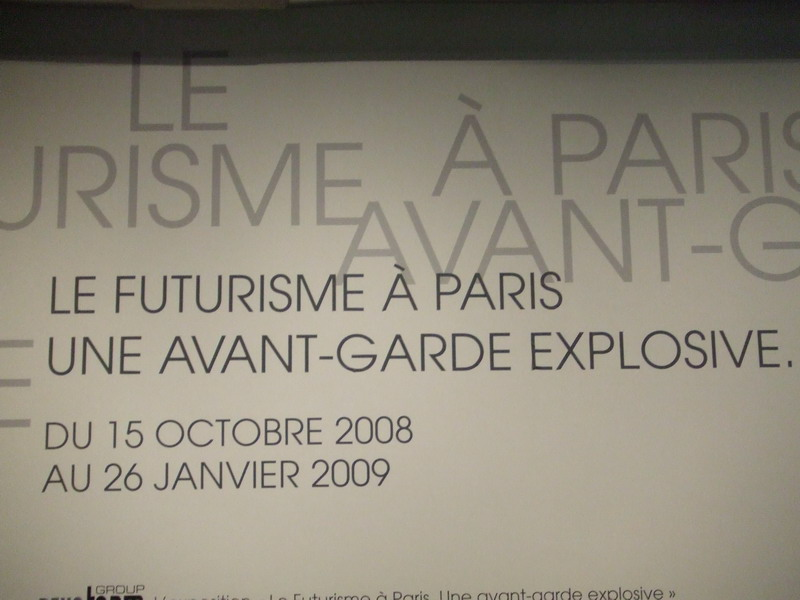
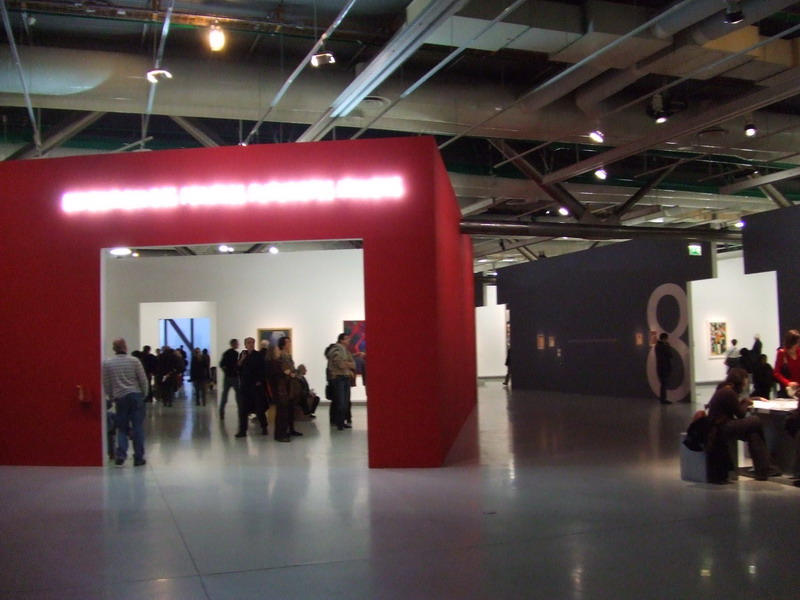
"Paris Futurism - Explosive Avant-Garde" Major Exhibition
Dynamisme_d'un_automobile_1912-13_resize.png?ref=titien.net "0088_l_russolo_1885-1947dynamisme_dun_automobile_1912-13_resize")
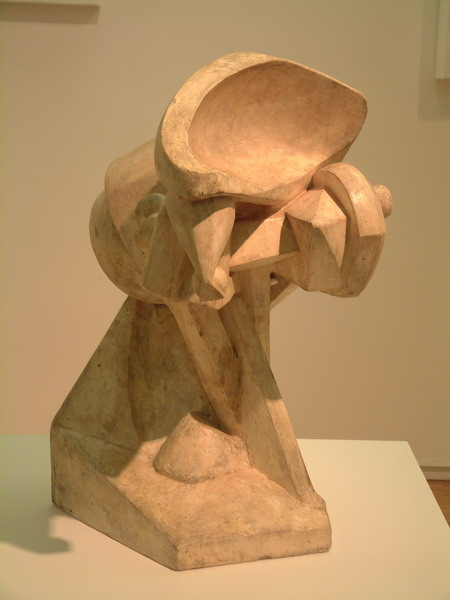
French painter Duchamp-Villon (1876-1918) Grand Horse 1914-1931. Collection of the Musée National d'Art Moderne, Centre Pompidou: Returning to Paris for a tour begins with the major exhibition, another art journey in Paris. It feels as if I am traveling every day. Whether sightseeing or visiting exhibitions, especially modern and contemporary art shows, for me it is always a two-step process. The first is the on-site visit; the second is returning home to sit at my desk, organizing photographed visual data before starting artistic writing. From the site visit to elaborating on the exhibition theme or analyzing works, this becomes another intellectual journey of careful viewing and writing. After these two rounds of pilgrimage, I can firmly grasp the exhibition theme and enter the process of inquiry, transforming it into my knowledge. This has become my method of learning and understanding art.
Every exhibition visit is exciting; learning and broadening horizons are joyful. Driven by curiosity, facing new things or exhibitions always brings me spiritual delight, like meeting a new lover. In recent years, the Centre Pompidou's exhibition strategy has focused more on retrospectives and thematic major exhibitions; it is no longer just a platform for contemporary art. Only the South Gallery space 315 remains. Additionally, on the fourth floor, the Modern Art Museum section, regarding contemporary art, naturally one asks: how is it contemporary when entering the museum? It is hard to say. The National Museum of Modern Art has become the hall of 20th-century art, a place to review 20th-century art.
Currently, there are four major exhibitions at the Centre Pompidou: Downstairs in the South Gallery space 315 is "Damian Ortega - Visual Field." Damian Ortega (born 1967) is a current Mexican artist from South America. Under unusual environmental installations, he presents purely visual categories, filling the entire space with painted plastic objects of varying sizes (like electronics), forming an overall visual field. Visitors can wander through, and at the other end, viewers can take in a magnificent perspective scene. Similar to large-scale installations by Op artist Jesús Rafael Soto, but here illusion is not emphasized. There is also the special exhibition "Ron Arad - Without Discipline." Ron Arad (born 1951) is Israeli, one of today's most representative masters of contemporary design and architecture. In a dramatic theatrical spatial form, he displays avant-garde furniture designs from the past twenty years, along with some architectural models and projects.
On the sixth floor, the major exhibition is currently showing the retrospective "Jacques Villeglé - Urban Comedy," featuring French Nouveau Réalisme artist Jacques Villeglé (born 1921). Along with Hains, he was a posterist, fully absorbed in tearing up richly colored urban advertisements and then signing them. There, he explores extracting advertising images from urban spaces that people ignore, constructing abstract and figurative painting forms. As urban poets, they believe the metropolitan street world is a continuously transforming picture. Finally, the major exhibition "Paris Futurism - Explosive Avant-Garde" coincides today with the centenary of the Futurist Manifesto in Paris, specifically February 20, 1909, when Italian artist and poet Filippo Tommaso Marinetti published the "Futurist Manifesto" in the Paris newspaper Le Figaro. Such an exhibition is significant; clearly, this movement was the first avant-garde art movement of the early 20th century, constructing modern art behavior and exploration through manifestos. It established a viewpoint of a completely new world (technology, urban crowds, energy, modern cities, and speed) breaking all ties with the past. This exhibition presents the historical status of Futurism and the fundamental roots of modernist creation.