French National Conservatory of Medicinal, Aromatic and Perfume Plants - A Walk in the Rain
Behind the greenhouse lie plots of medicinal and aromatic plants.
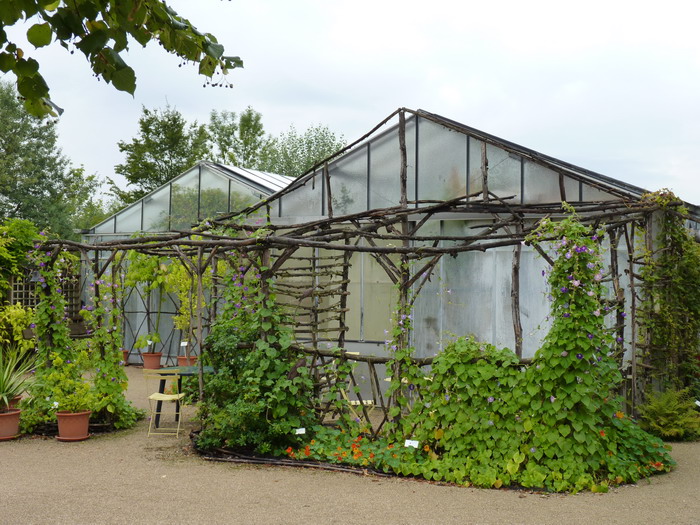
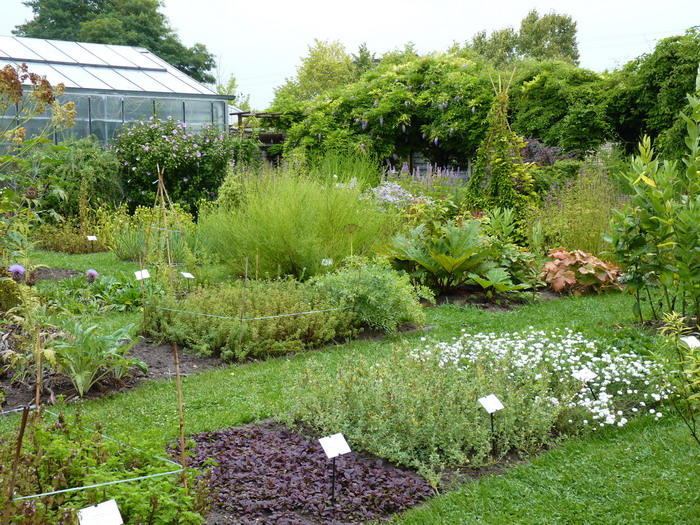
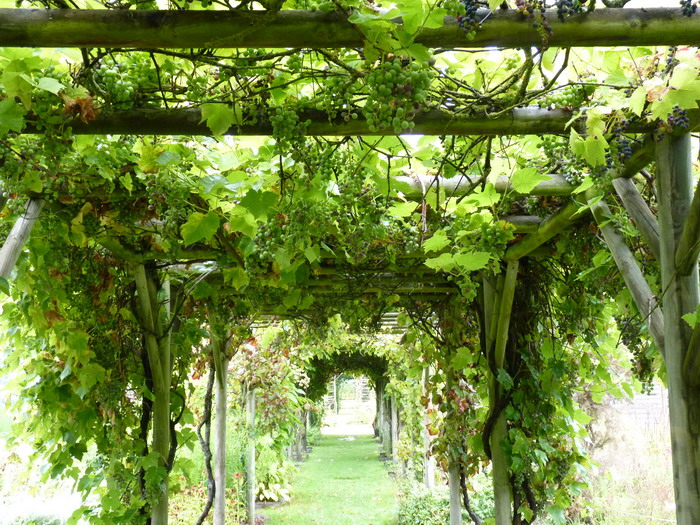
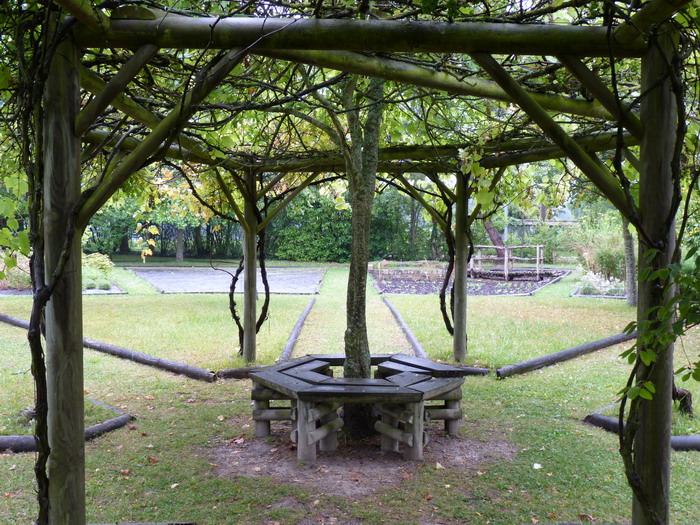
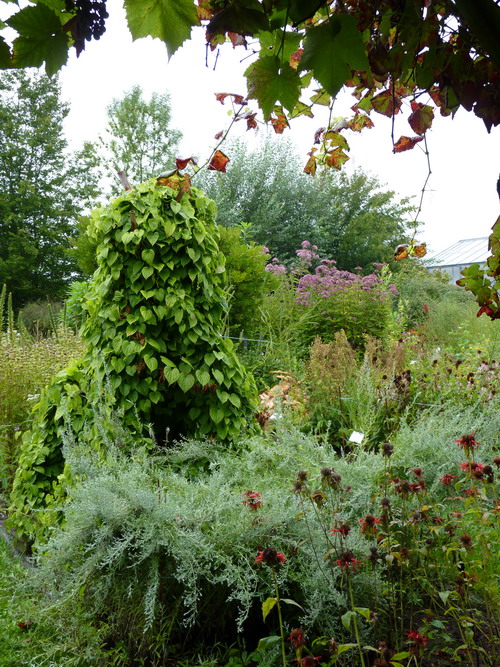
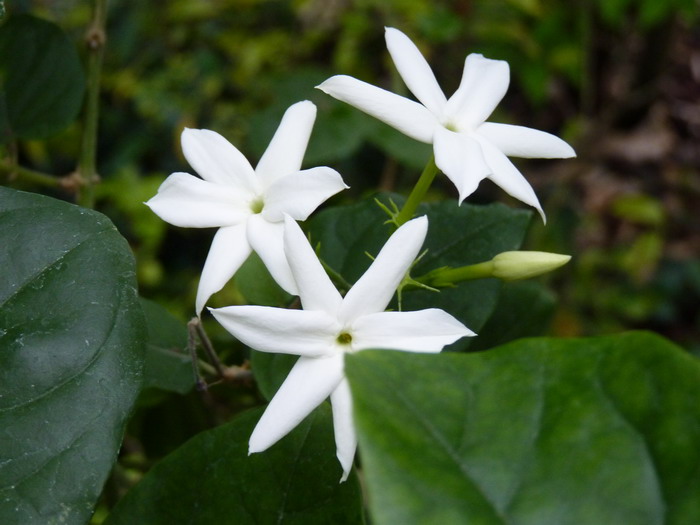
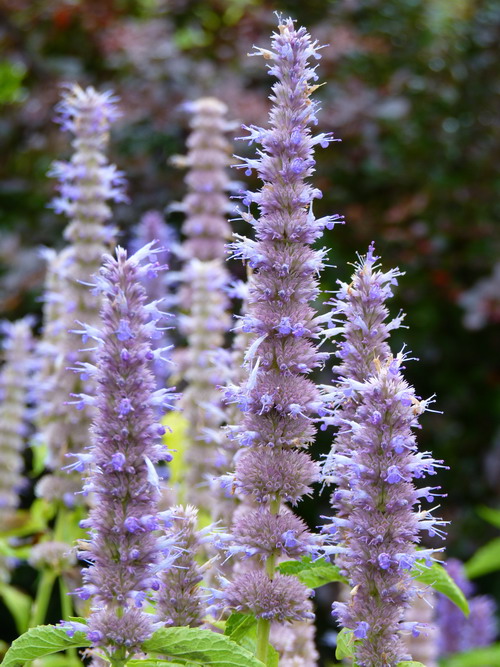
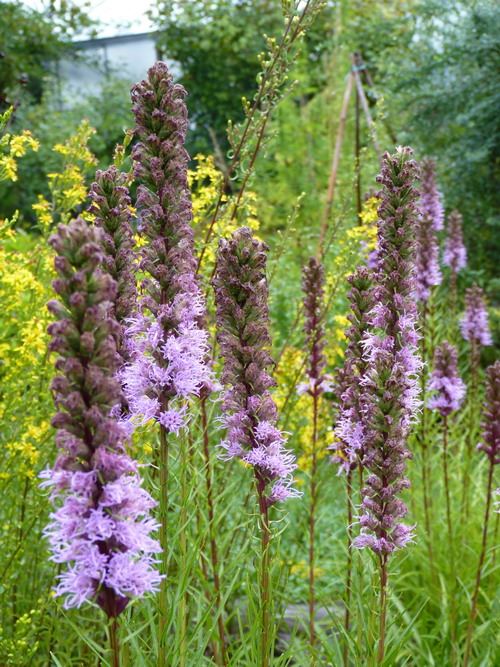
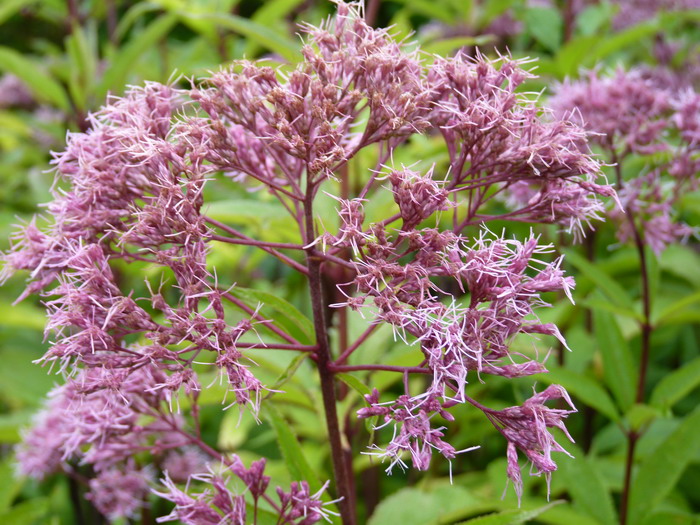
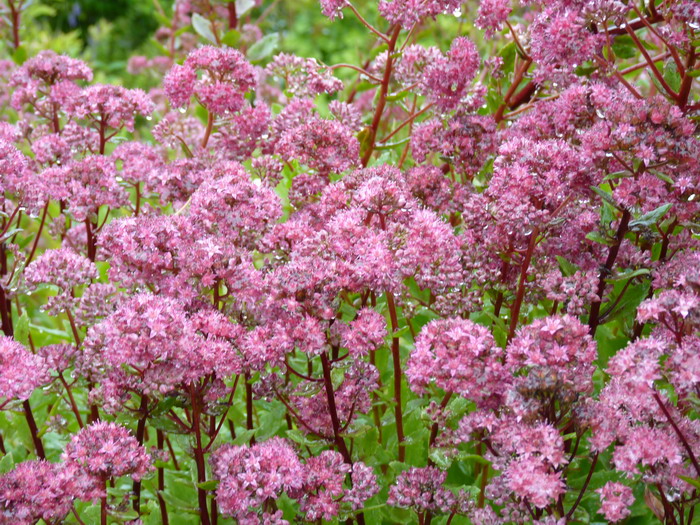
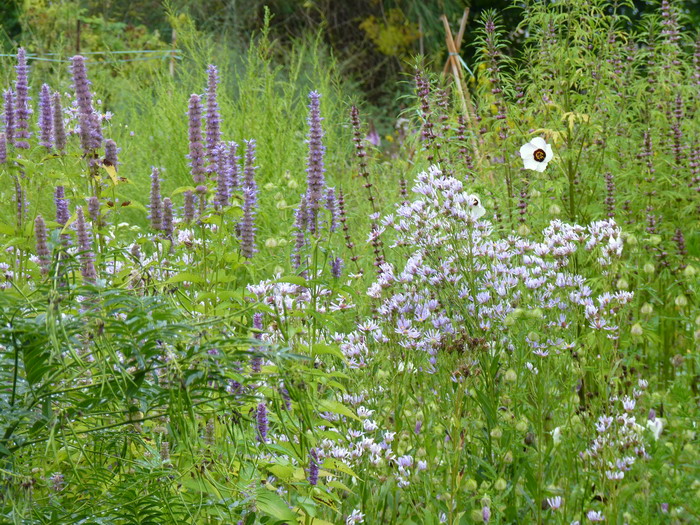
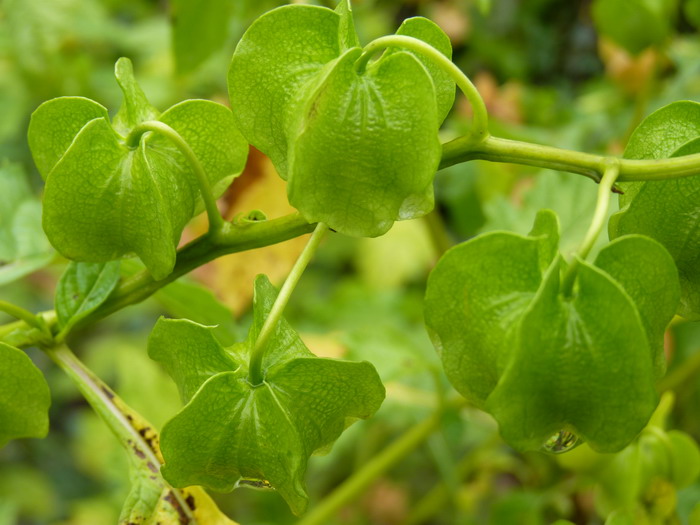
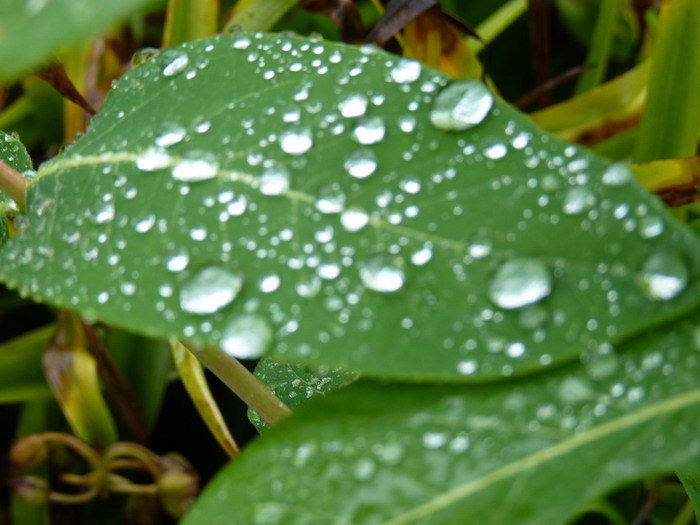
Man proposes, God disposes. I had long planned an outing for August 15th, never expecting it would rain all day. During summer holidays, I often travel for vacation, but this year I did not go away, only going for walks in the countryside near Paris on weekends. Nature, plants, and flowers are spaces I always enjoy getting close to and finding pleasure in, as are the artistic culture, human warmth, and scenery found in villages. August 15th was long scheduled for a walk in the Milly-la-Foret forest. Unexpectedly, the weather changed and rain started from the 14th. Truly, man proposes, God disposes. But since everything was already prepared, and although not unaffected—as outdoor activities in wind and rain seem somewhat inconvenient—we still went ahead with our trip equipped for rain. Braving the rain, we visited the extraordinary "Cyclops" sculpture monument by the New Realist artist Jean Tinguely in the forest (I had visited it with friends over a decade ago), then toured the newly completed chapel and house museum of the French writer-artist Jean Cocteau. In the evening, we arrived at the French National Conservatory of Medicinal, Aromatic and Perfume Plants. After walking a large loop in the garden, the rain unexpectedly grew heavier, forcing us to take shelter in the audiovisual exhibition room, entering a world of knowledge and information. By closing time, the rain was still pouring down and getting even heavier, thus concluding our fulfilling day's itinerary. We returned home filled with beautiful memories and the fragrance of nature.
France is a producer of perfumes and medicines. Since the Middle Ages, medicinal and aromatic plants have never been absent from gardens large and small. They are not only pleasing to the eye but also richly fragrant, becoming treasures in contemporary gardens. In this modern age, although medicinal herbs have been largely replaced by modern chemistry, there is now a trend returning to natural sources with naturopathy. Medicinal herbs have again become an alternative form of contemporary medicine, attracting the attention and research of many experts and scholars. The kingdom of French perfume has become a noble product in today's social gatherings and grand occasions, making women appear more elegant and charming. The extraction of perfume comes from the development of aromatic plants, many of which possess considerable economic value.
In this regard, France, with the guidance of these (PPAM) professionals and government support, established the National Conservatory of Medicinal, Aromatic and Perfume Plants (Conservatoire National des Plantes à Parfum, Médicinale et Aromatiques) in 1987 near the Milly-la-Foret forest, not far from Fontainebleau on the outskirts of Paris. It serves for the collection, observation, exploration, development, dissemination, and education of plants. Therefore, here people can not only view a wide variety of medicinal and aromatic plants but also find a series of advanced audiovisual exhibition rooms providing visitors with various knowledge and information.
Conservatoire National des Plantes à Parfum, Médicinale et Aromatiques Address: Route de Nemours 91490 Milly-la-Foret Phone: 0164988377 Website: www.cnpmai.net