Vaux-le-Vicomte Castle Gardens I
(Top) The balanced, symmetrical, refined, and cultivated Vaux-le-Vicomte garden centers on the castle. (Middle 1) Two large carved pattern flower beds before the castle lie like exquisite Oriental carpets in a lush green natural theater. (Middle 2) To the left of the castle, within neat hedges leani
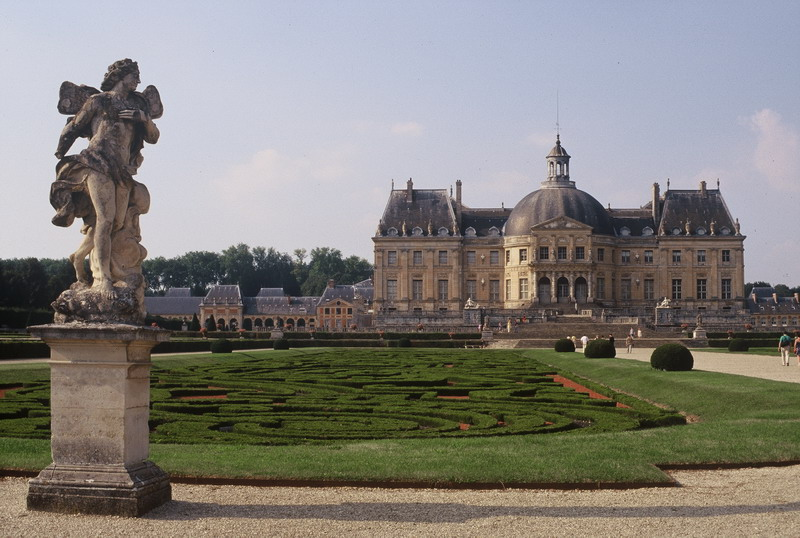
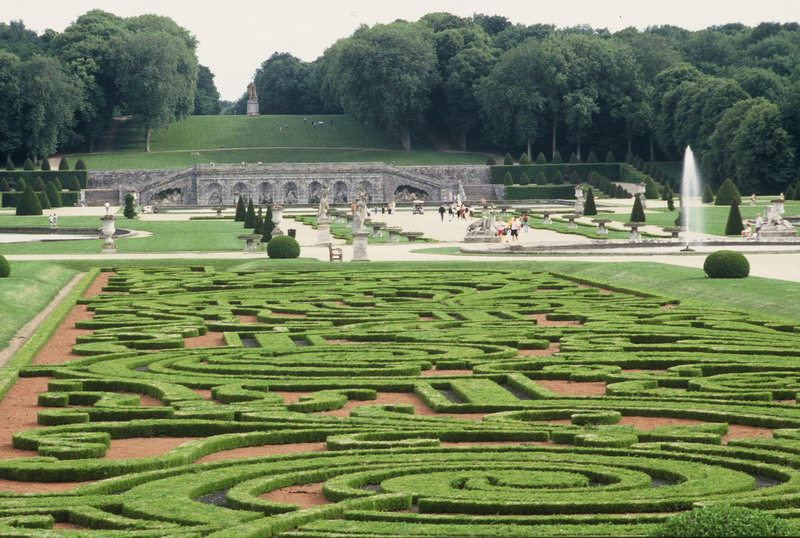
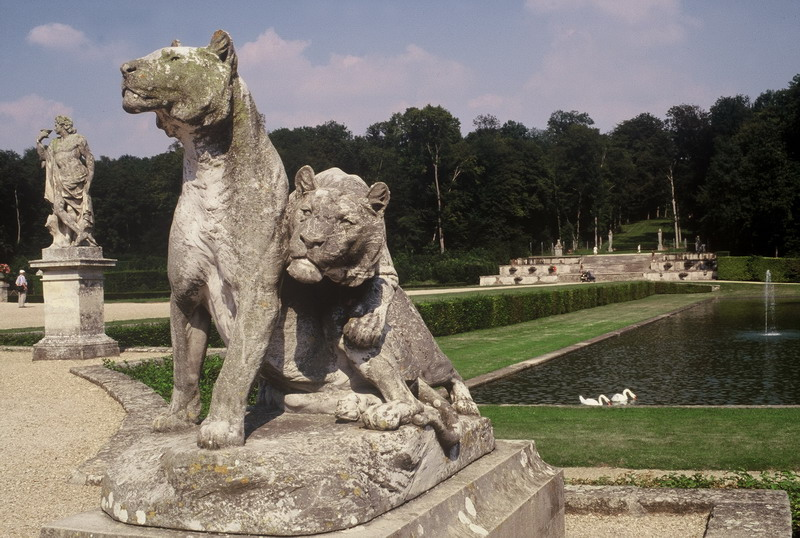
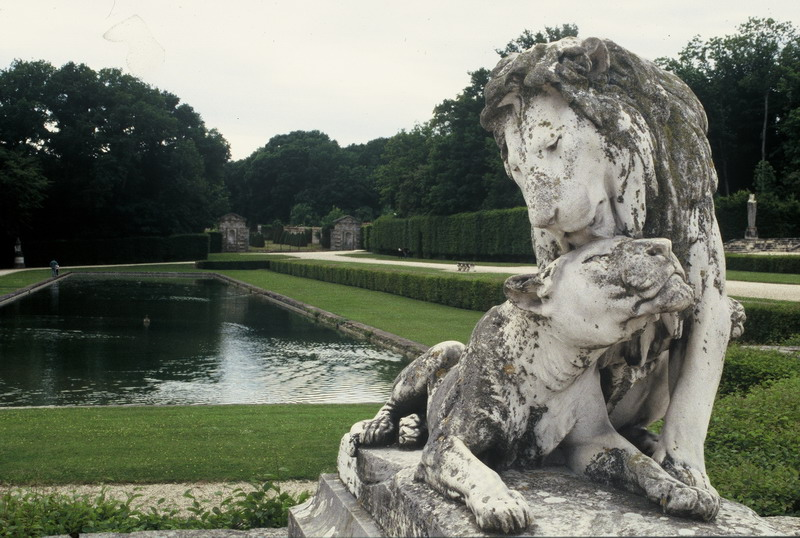
(Top) The balanced, symmetrical, refined, and cultivated Vaux-le-Vicomte garden centers on the castle. (Middle 1) Two large carved pattern flower beds before the castle lie like exquisite Oriental carpets in a lush green natural theater. (Middle 2) To the left of the castle, within neat hedges leaning against dense forests, stands a magnificent golden circular crown fountain. (Bottom) On either side of the patterned flower beds are long water beds decorated with classical animal statues, poetic and picturesque, inviting reverie.
The Vaux-le-Vicomte Castle Gardens, refined and cultivated, sit on undulating plains embracing dense forests. In their balanced, symmetrical form, they appear generous and elegant, like a well-bred noblewoman trained by masters, creating a strong contrast with nature. It is the maiden work of French gardens, becoming the model for Versailles and its splendid gardens.
Tragedy of the Magnificent Vaux-le-Vicomte Castle: The magnificent castle was commissioned in the mid-17th century by Nicolas Fouquet, finance minister to the young King Louis XIV, to the young architect Louis Le Vau. He invited the talented painter Charles Le Brun to decorate it, while the renowned gardener André Le Nôtre planned the entire landscape. Under these young artists' bold innovations, it became the most exemplary castle and garden of 17th-century France. Its dignified castle and splendid gardens became venues for royal nobles to host lavish banquets.
On August 17, 1661, Minister Fouquet hosted a grand banquet to flatter the Sun King, Louis XIV. The event featured eighty tables, thirty courses of delicacies, over five hundred sets of silver bowls and plates, and dozens of large silver platters. Notably, the King's table was crafted from pure gold. The scale was staggering, even astonishing the Sun King. Following the extravagant feast came spectacular entertainment: in the lush green natural theater, over a thousand fountains formed a magnificent water spectacle, with crystal water columns dancing, splashing curtains, and tiered waterfalls resembling a grand aquatic theater. This was followed by country dances, concerts, theater, prize games, and singing and dancing, reaching the peak of decadent pleasure.
It was this, and the last, great banquet that aroused the jealousy of the young King Louis XIV. He thought, how could a minister's castle and gardens be more magnificent than the King's? Suspecting Fouquet of embezzlement, the minister was arrested nineteen days later, sentenced to life imprisonment, thus ending the glorious era of Vaux-le-Vicomte Castle. King Louis XIV did not stop there; he seized the architects, artists, and gardeners who built Vaux-le-Vicomte and began constructing the unparalleled Palace of Versailles and its magnificent gardens.
The dignified Vaux-le-Vicomte Castle sits in exquisite gardens, its magnificent architecture pioneering the French Baroque style. Privately owned, parts are open to the public. Inside, the spectacular oval hall, the symmetrically arranged Hall of the Muses, and the former square hall converted into a noble dining room are all opulent. The most luxurious King's Suite was specially prepared by Fouquet for Louis XIV. Ascending the grand staircase at the rear of the castle, even commoners today can experience a sense of dominion over the world.