Wang Zi-Yun Solo Exhibition "Slowly Flowing Landscapes"
Wang Zi-Yun Landscape 20080922-Studio 03; 2010; Inkjet Print
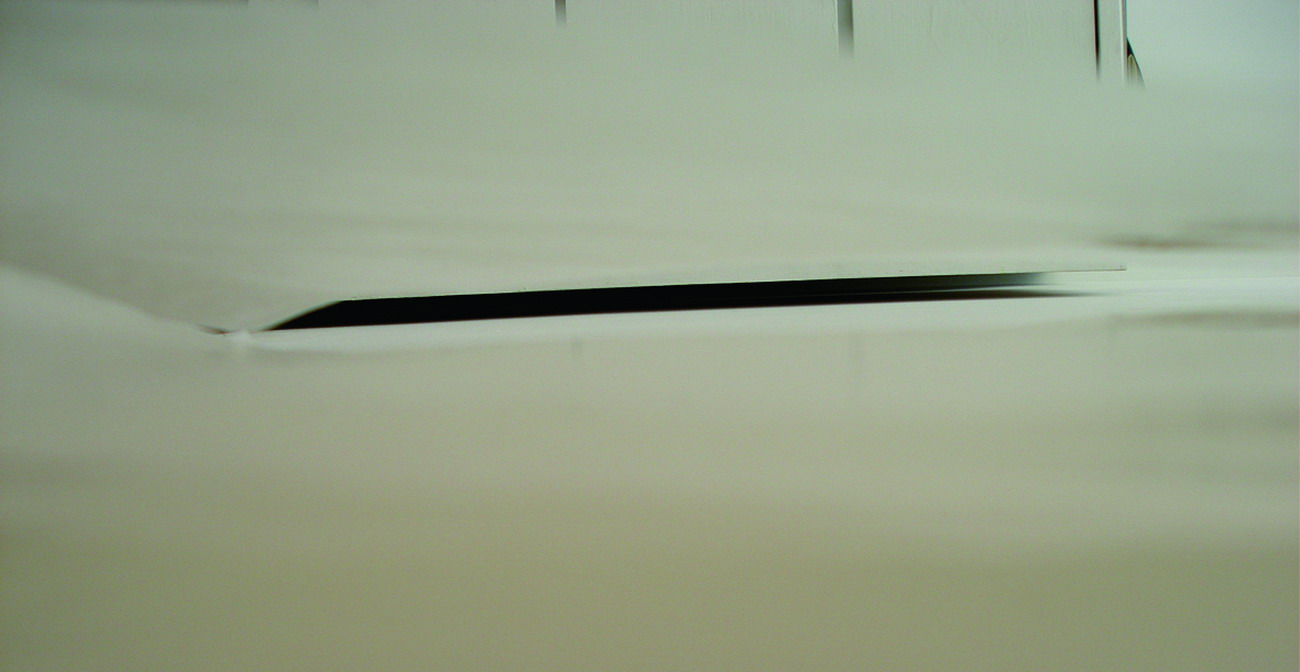
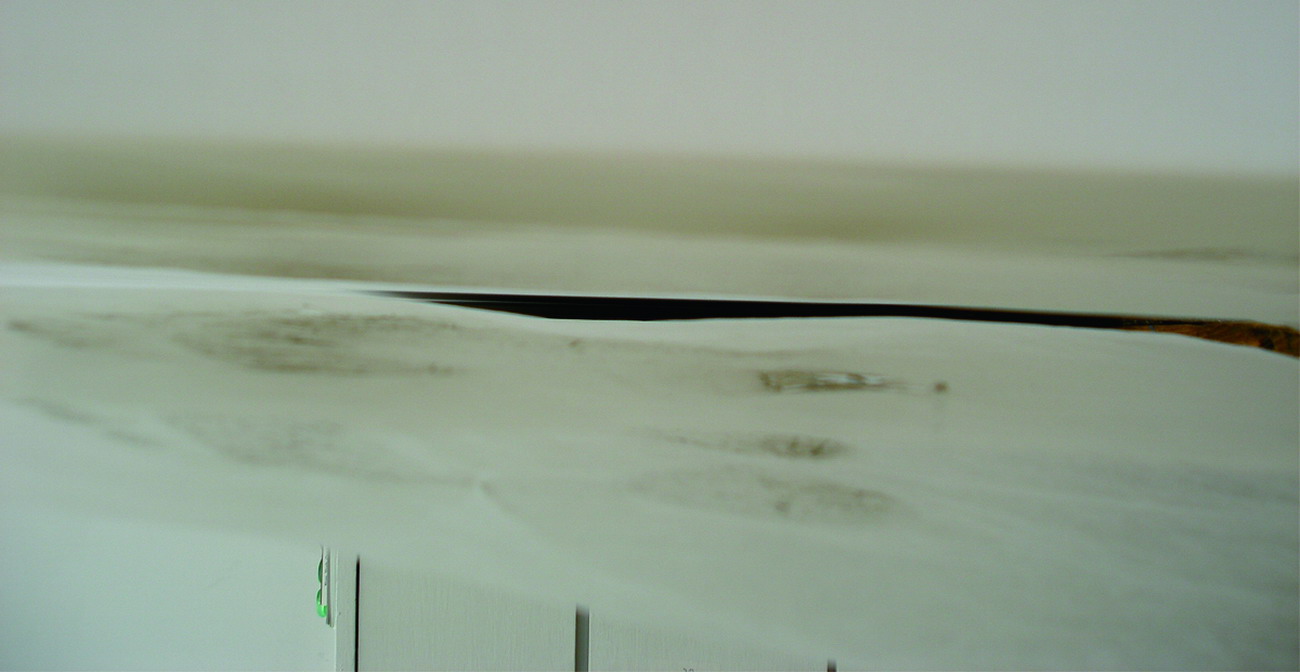

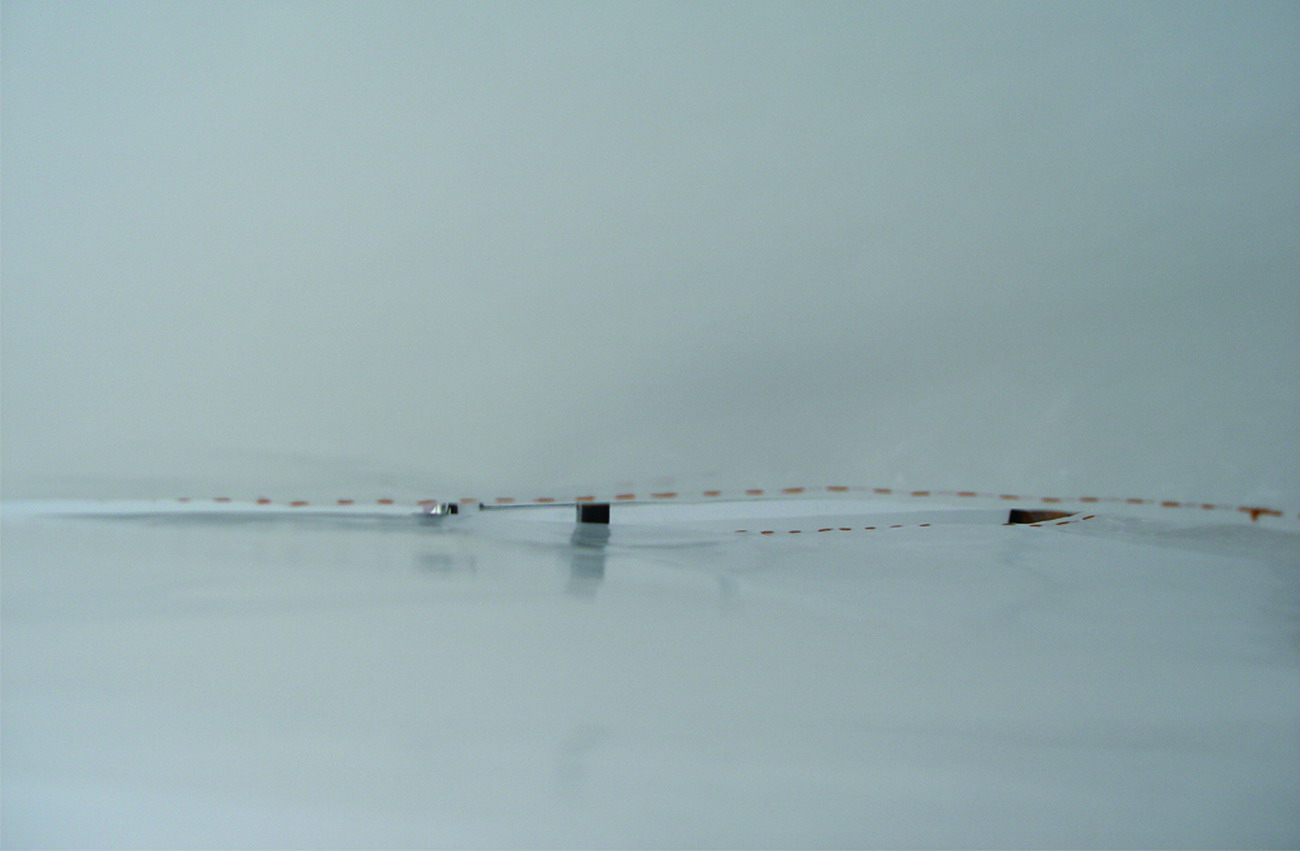
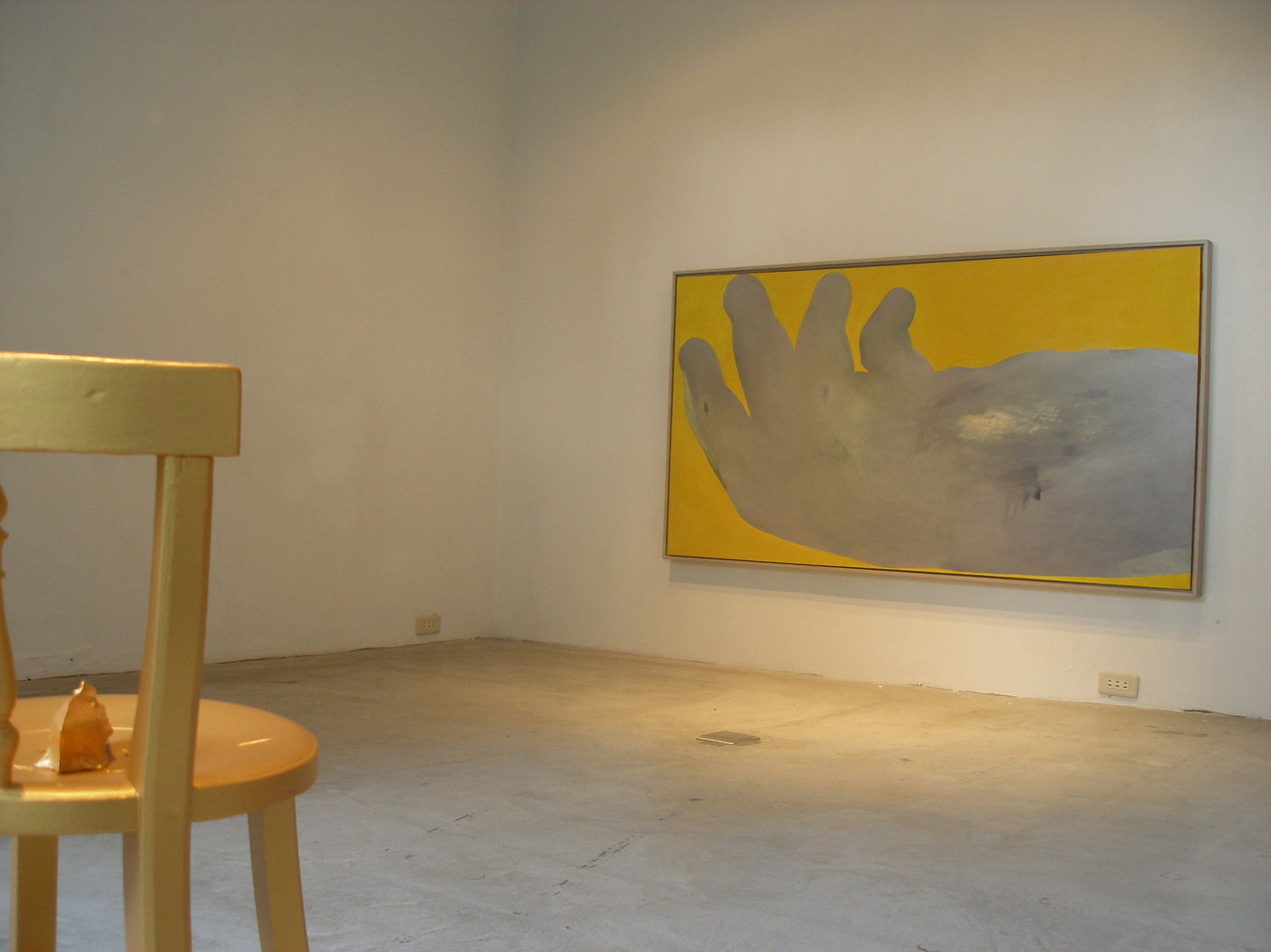
Wang Zi-Yun Solo Exhibition "Slowly Flowing Landscapes": Venue: Taichung 107 Gallery. Dates: January 8–31, 2011. The journey of life is elusive under the vastness of time and space, operating in flux and impermanence, embodying the concept that "Heaven's Way is constantly moving, all dharmas are impermanent." Existence is filled with the unknown, the miraculous, and the profound. As the great world turns with time and seasons change, the local scenery of life shifts with consciousness; realms arise from the mind, and intent transforms according to the realm. Human observation, attitude, and conditions naturally create all possibilities, as the New Age says, "Everyone creates their own reality." Artists are no exception; through personal insight into the inner self, they capture the present moment and scenery, attempting to reveal the mystery of existence and experience the impermanence of life.
"Slowly Flowing Landscapes" presents the natural scenery of life's local illusions and changes. Schelling stated: "Nature is spirit visible to the eye, and spirit is nature invisible to the eye, because we feel 'generative spirit' everywhere in nature." This exhibition meditates on the state and context of existence. In the illusion of void and form, emptiness is shapeless and ever-changing; even "void contains form, form contains void. Void reaches its extreme to become form, form reaches its extreme to become void." It is silent, soundless, endless, and eternal. Consciousness flows through spatial fields; the slowly flowing speed symbolizes the passage of time or serves as a winged fantasy journey, wandering in the unknown inner world and entering metaphysical realms.
Fleeting light and shadows, ethereal and uncertain, transform mental images with the intent to deconstruct consciousness and the subconscious. Between time and space, external and internal, senses and consciousness, mental images and imagery, dreams and reality, matter and spirit, abstraction and representation, the seen and imagined, fixed and unfixed, existing and non-existing, visible and invisible, it fantasizes the miraculous and profound nature of existence. The artist wrote in the press release: "Chattering notes became indistinguishable rustling sounds, opening a journey of time and fantasy," serving as an introduction.
Excerpts from the book Invisible Cities guide the audience into a visual imagination: "Marco Polo describes the founding legend of a certain city: people from different countries had the same dream. They saw a woman running through an unnamed city at night; they saw her back, long hair, naked body. They chased her in the dream. As they wound through the streets, everyone lost sight of her. Upon waking, they set out to find that city; they never found it, but met each other; they decided to build a city like the dream. When laying out the streets, everyone followed their own chasing route from the dream; where they lost sight of the runner, they arranged spaces and walls different from the dream... Where she disappeared, there was still no escape route. The landscape of the journey slowly flowed without order from this place of no escape." Note: Excerpted from Invisible Cities by Italo Calvino.