Taiwan—Beautiful Mountains, Clear Waters, Wonderful Places
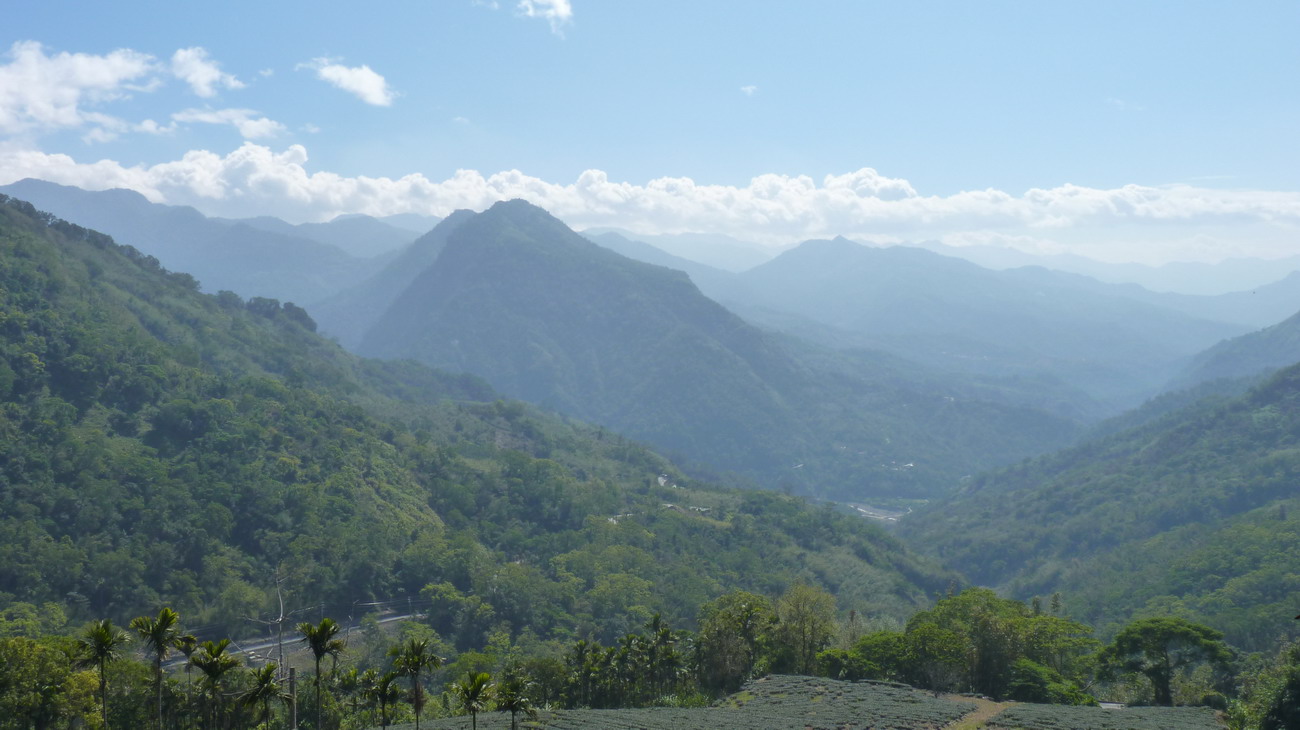
Taiwan is a wonderful place with green mountains and clear waters—Alishan, Chiayi.
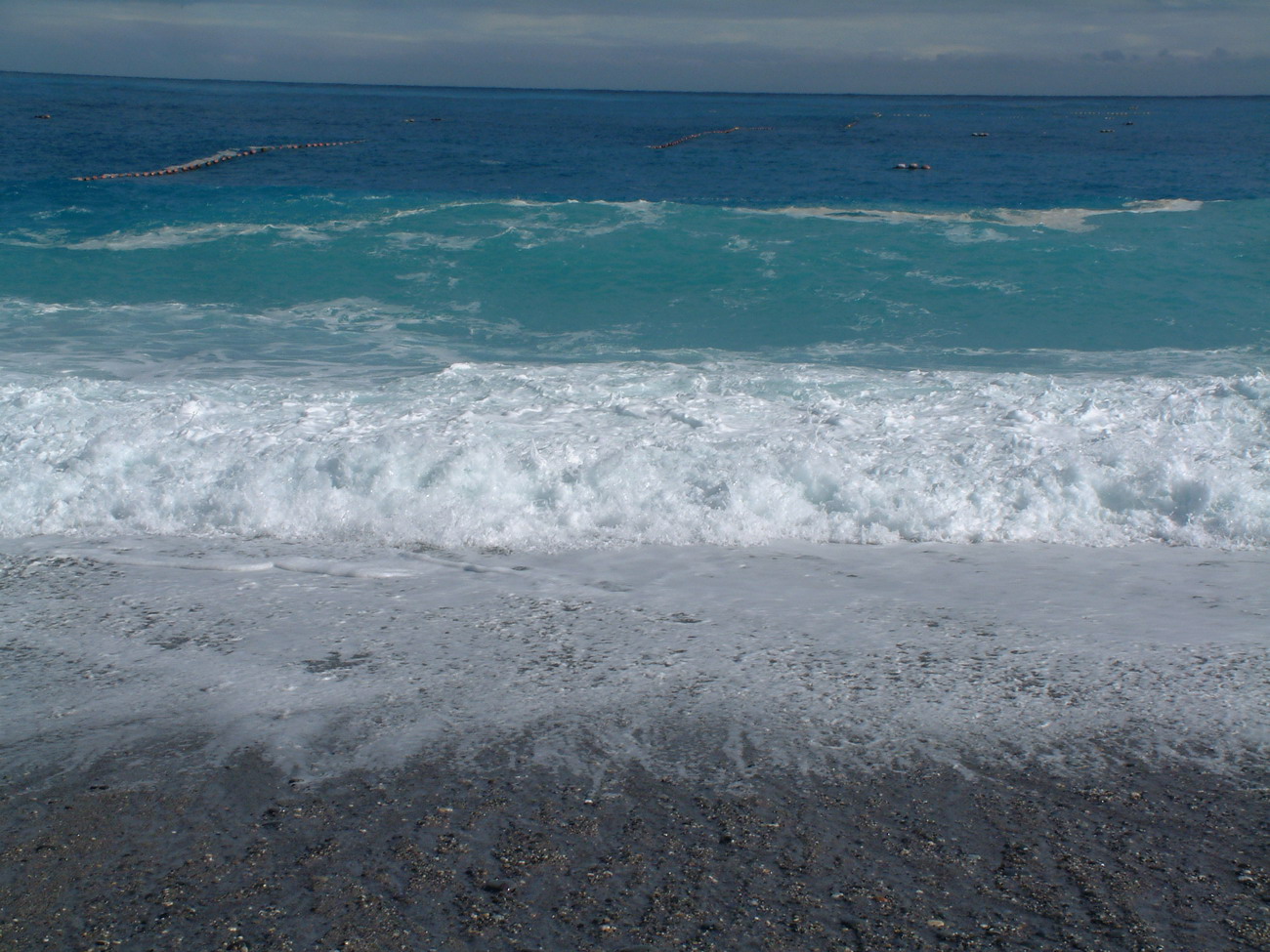
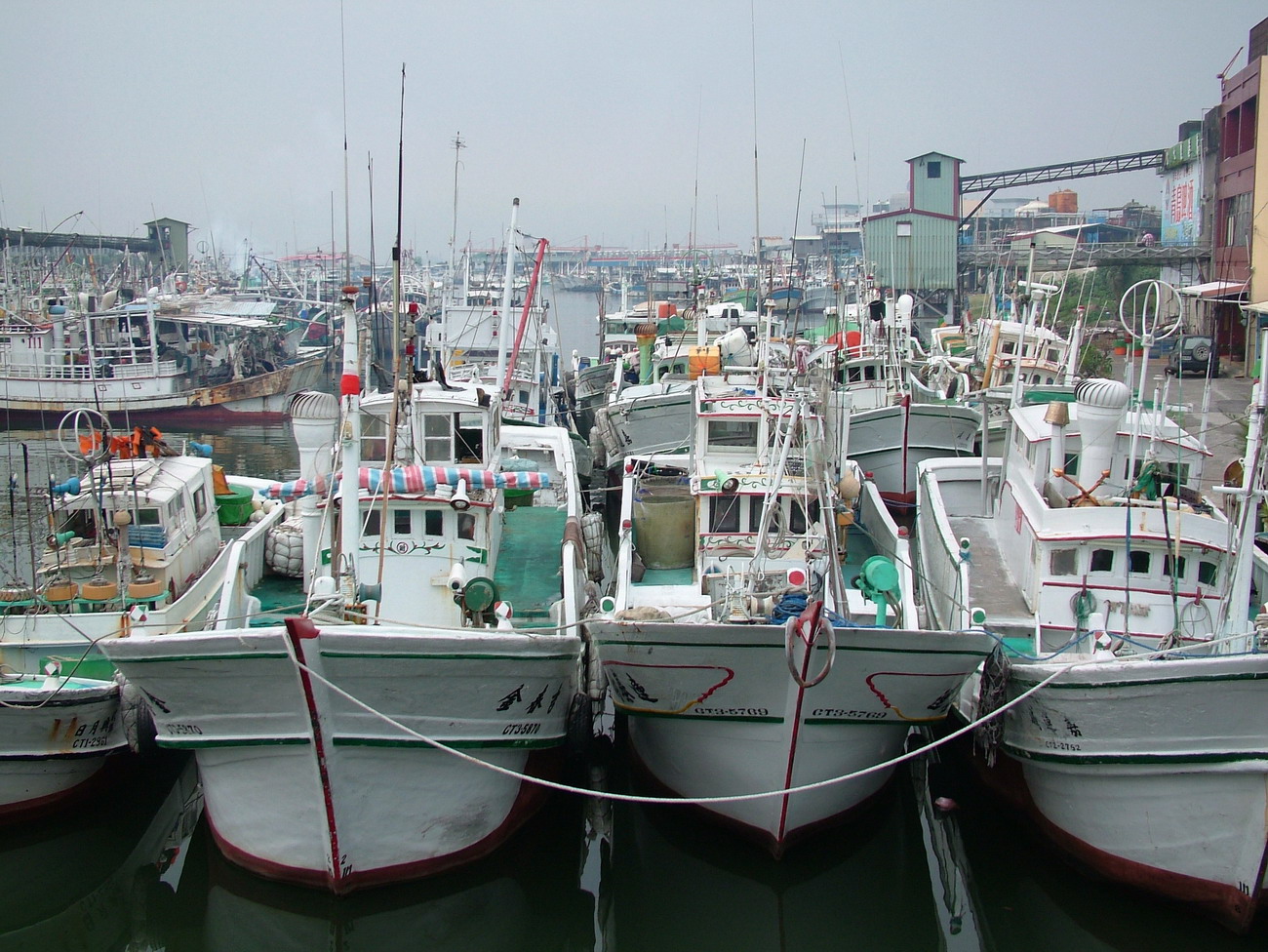
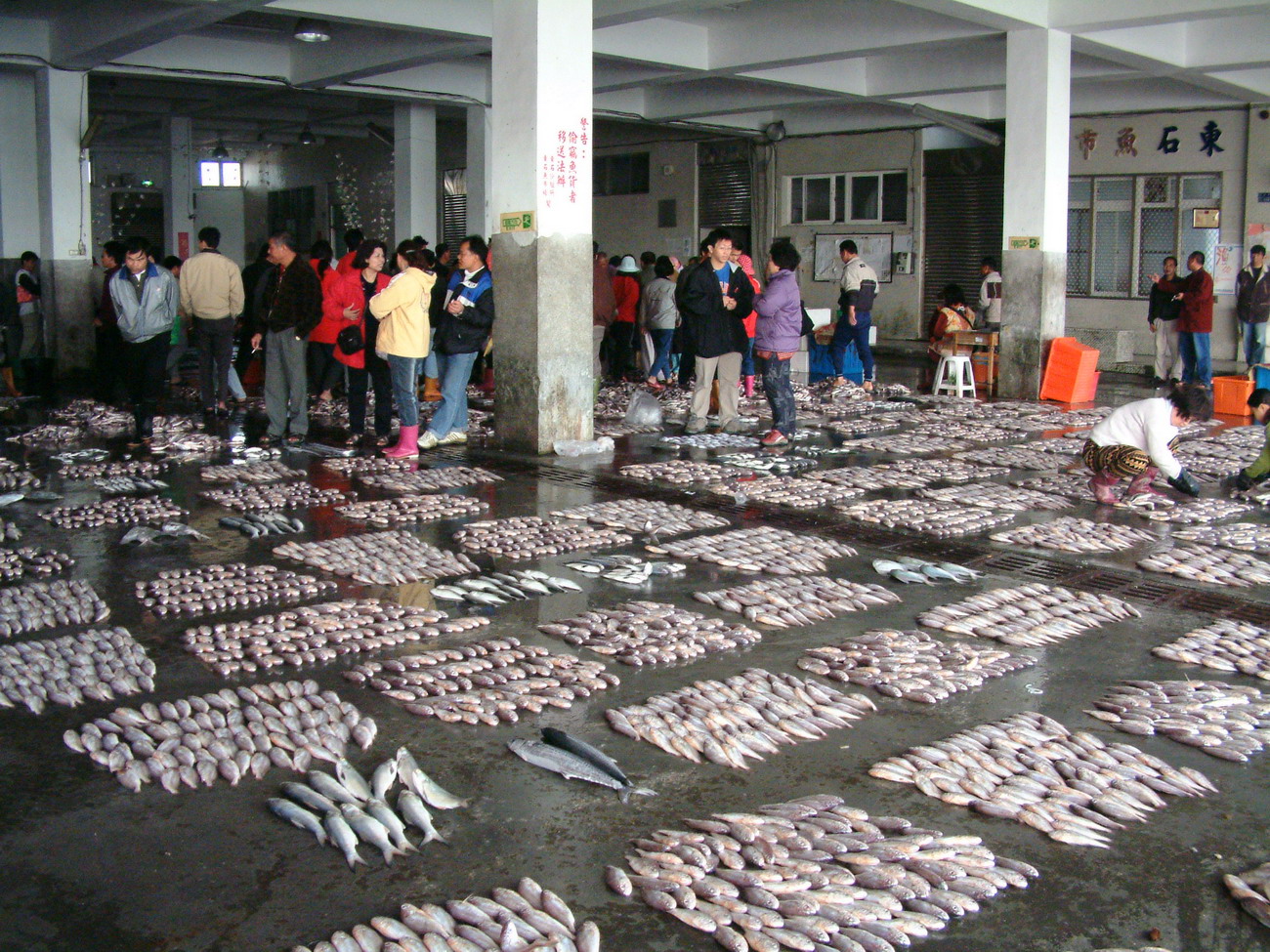
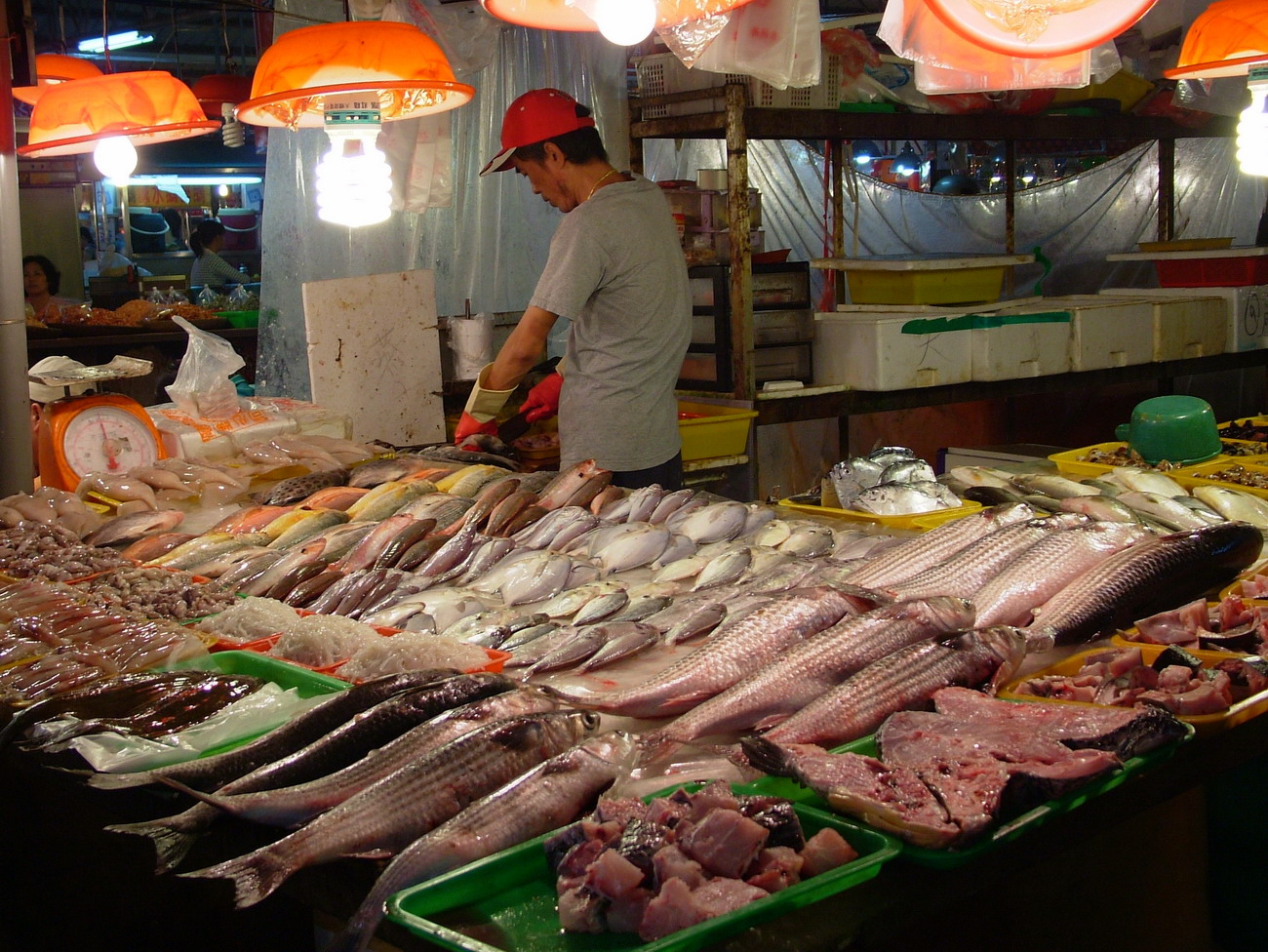
Text and photos by Chen Chi-Hsiang. Taiwan’s beautiful treasure island is a place of good mountains, good water, and great fun. As an island nation surrounded by sea on all sides, it faces the Chinese mainland across the vast Black Water Gap—the Taiwan Strait—and looks east toward the Atlantic Ocean; one might imagine it to be the U.S. West Coast. Indeed, the ocean offers space for imagination and poetry. From south to north, there are many enchanting white and black sand beaches surrounding the enviable Blue Coast and blue gardens where sea and sky merge, along with verdant casuarina forests and grasslands. Two major seaports (Keelung and Kaohsiung) lie at the north and south ends, while numerous fishing ports of varying sizes dot the coast. Rich in marine products, coastal aquaculture is highly developed here, representing Taiwan’s most unique natural resource.
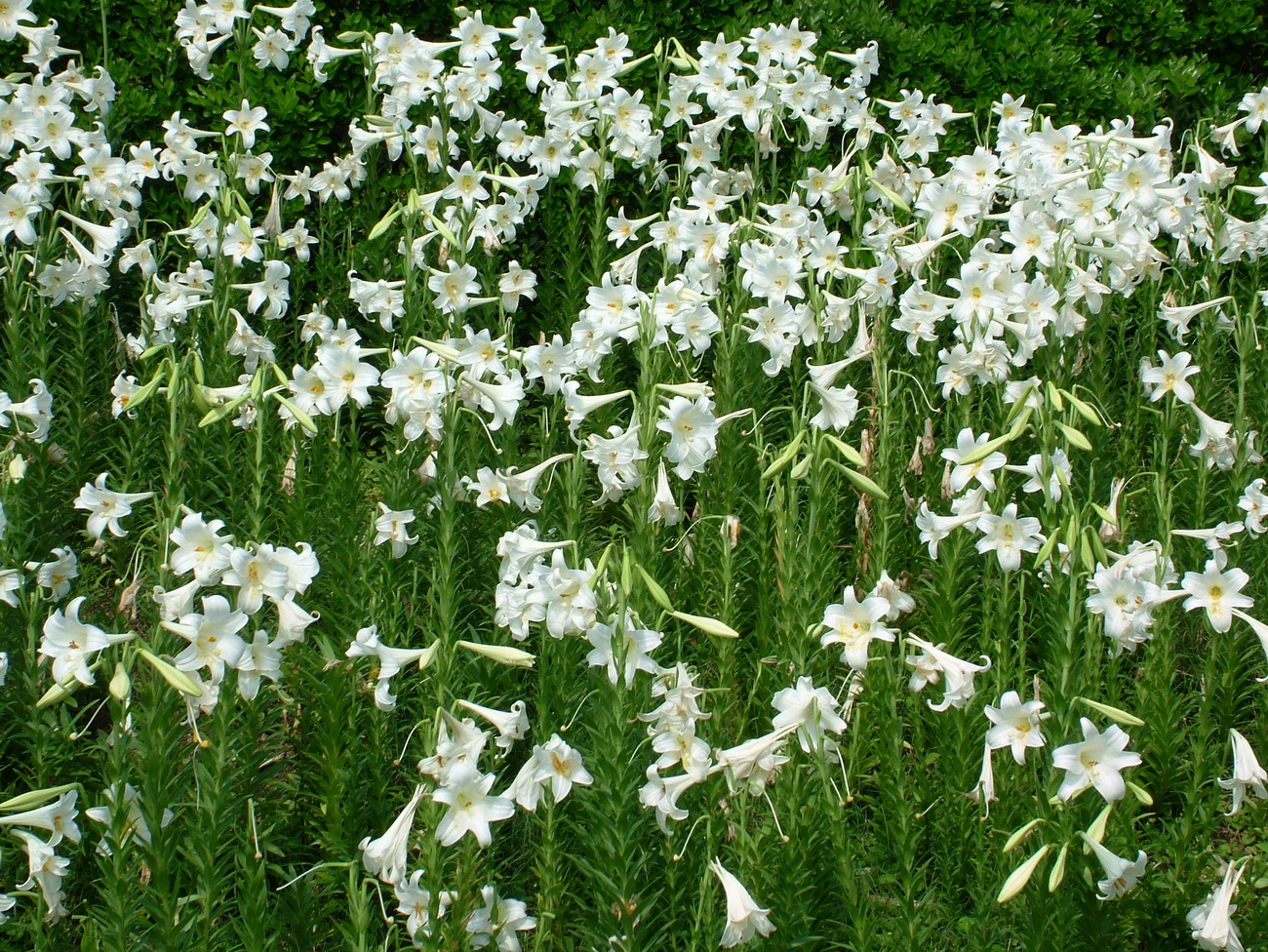
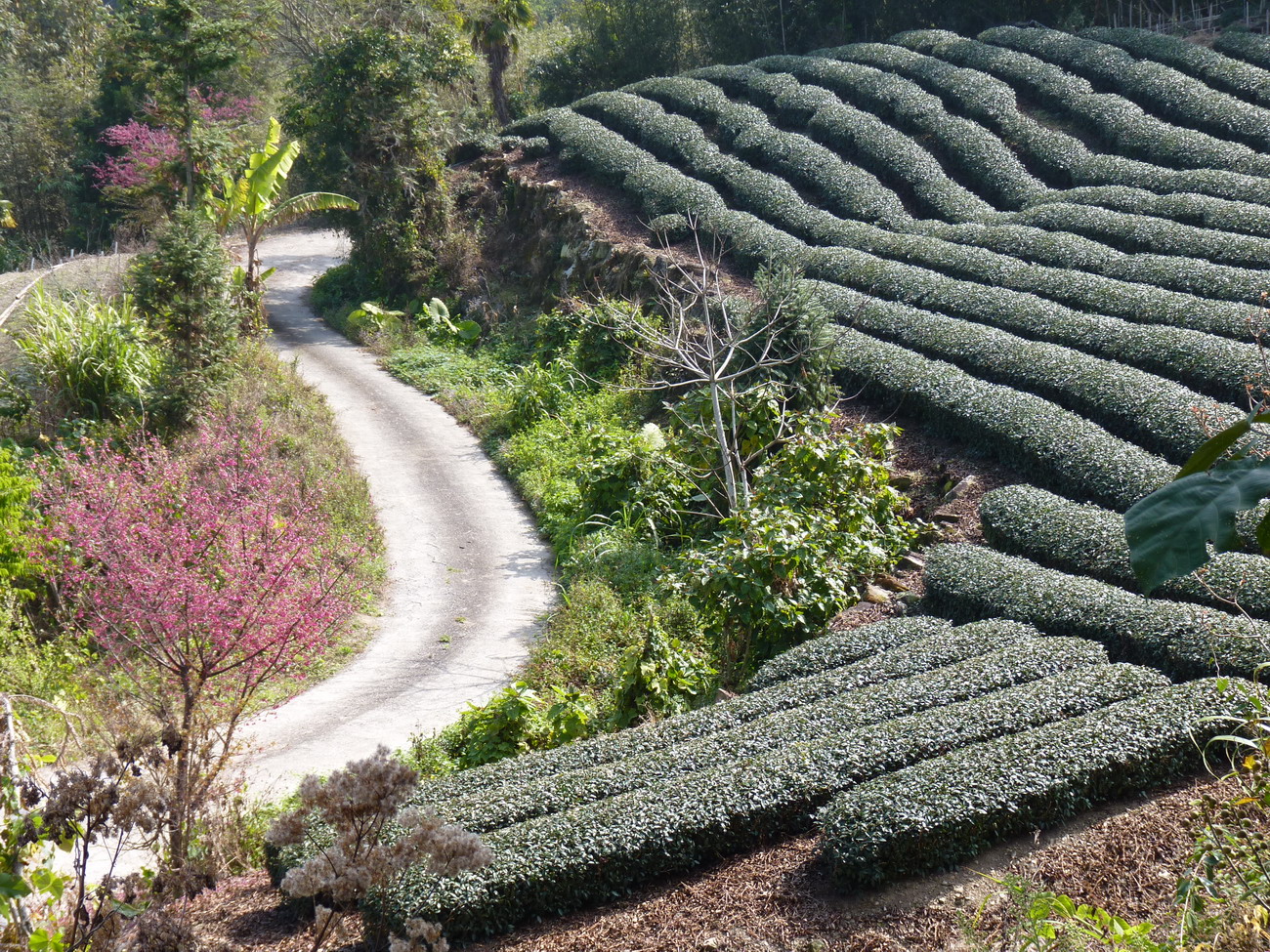
Stretching from south to north across the island is the Central Mountain Range. No matter where you stand on the island, you can enjoy a panoramic view of its rolling, bright mountain scenery—a true paradise. The majestic peaks, often layered upon one another, rise like a forest of large and small mountains covered in dense, lush vegetation. Verdant national recreational parks extend from north to south, including Yangmingshan, Alishan, and Kenting Park, making them ideal places for locals and visitors alike to relax and appreciate natural beauty. The Central Mountain Range serves as the spiritual mountain and backyard of the Taiwanese people. Yu Shan towers over all of Asia as its highest and most towering peak, with high-altitude ranges distributed throughout the Central Mountain Range. Its ever-changing topography makes it a sanctuary for forestry, tourism, and vacations. Depending on altitude, the mountain areas are also tea-producing regions; Alishan produces oolong and high-mountain teas, while lower altitudes yield orchids and abundant high-mountain fruits and vegetables. Thanks to its unique terrain, almost all plant species found globally can be located within the Central Mountain Range of this treasure island. From low to high altitudes, spanning subtropical, temperate, and cold zones, one can observe the distribution and varieties of plants and trees according to slope and climate. The variety and richness of flora are unimaginable yet fully present. Native wild lilies, azaleas, and phalaenopsis orchids are world-famous. Taiwan truly is a place of good mountains and clear waters.
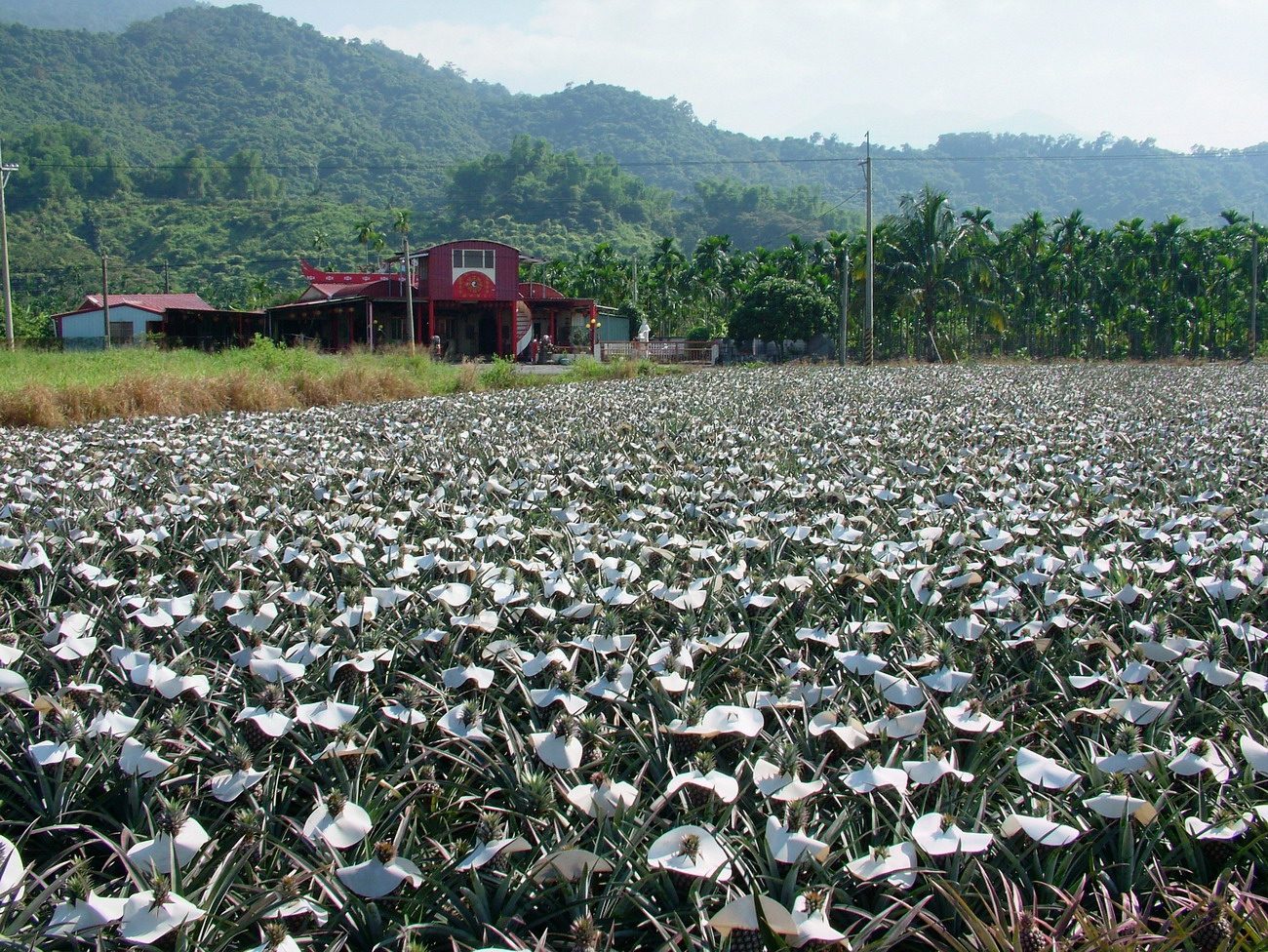
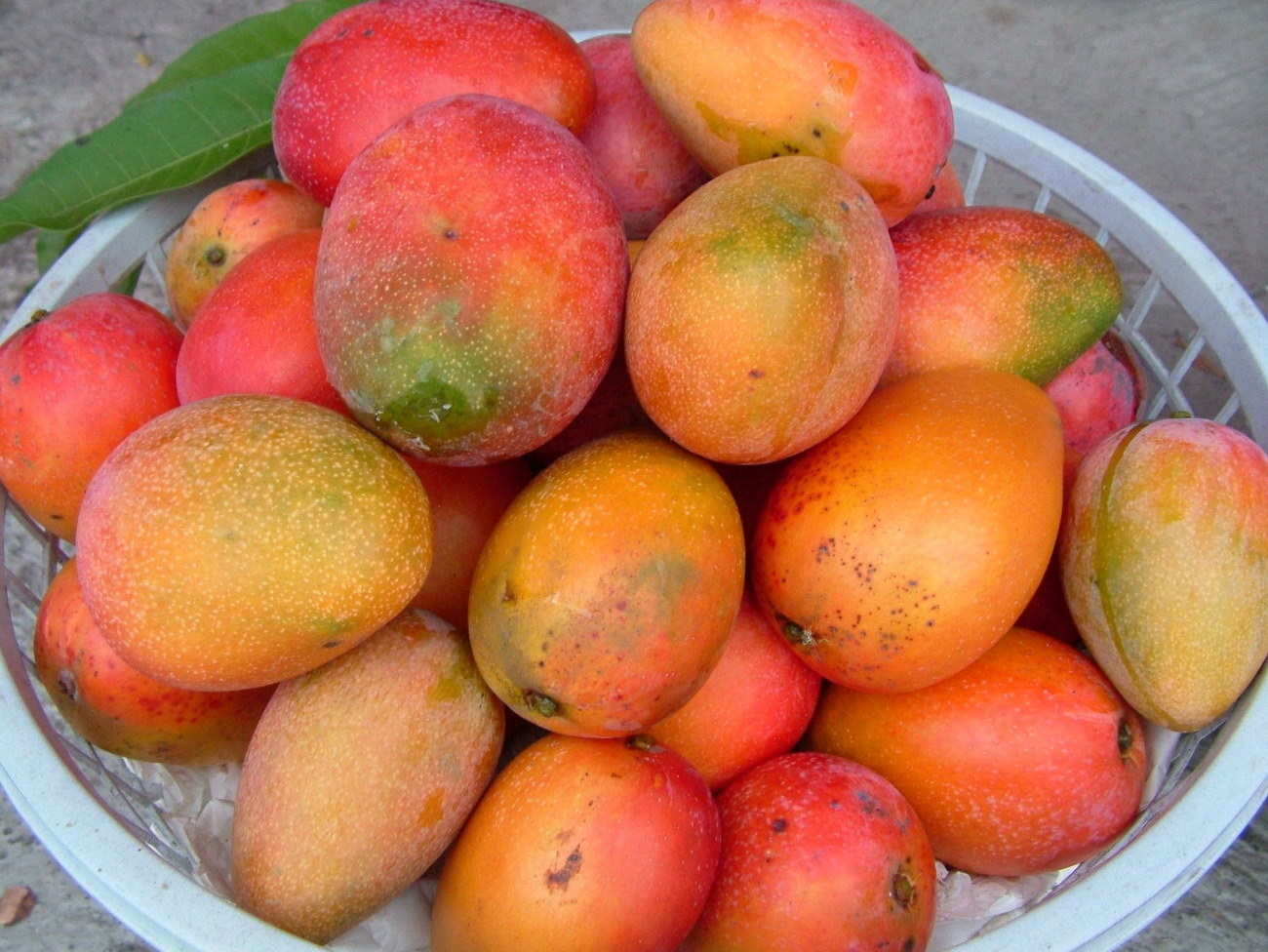
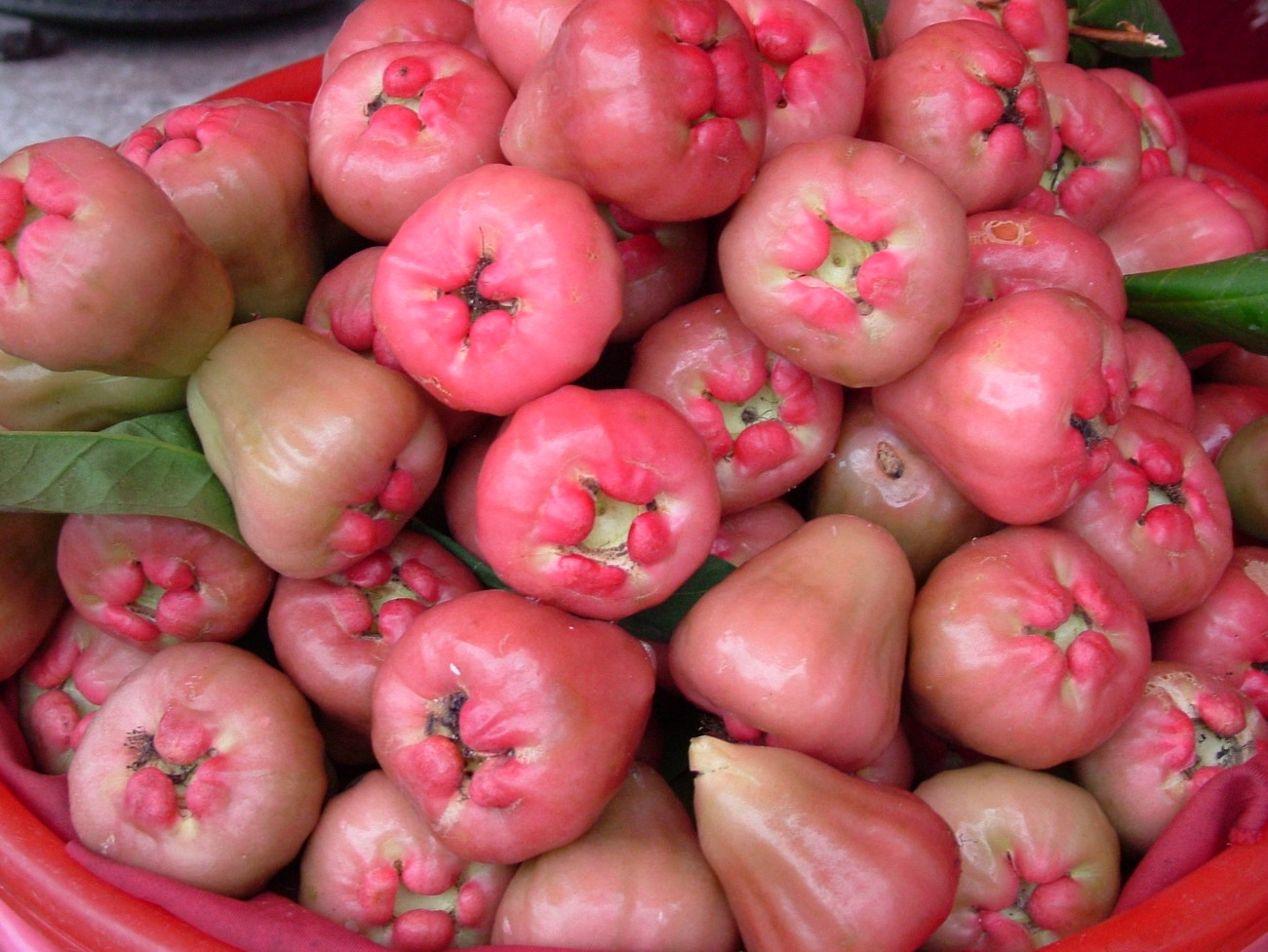
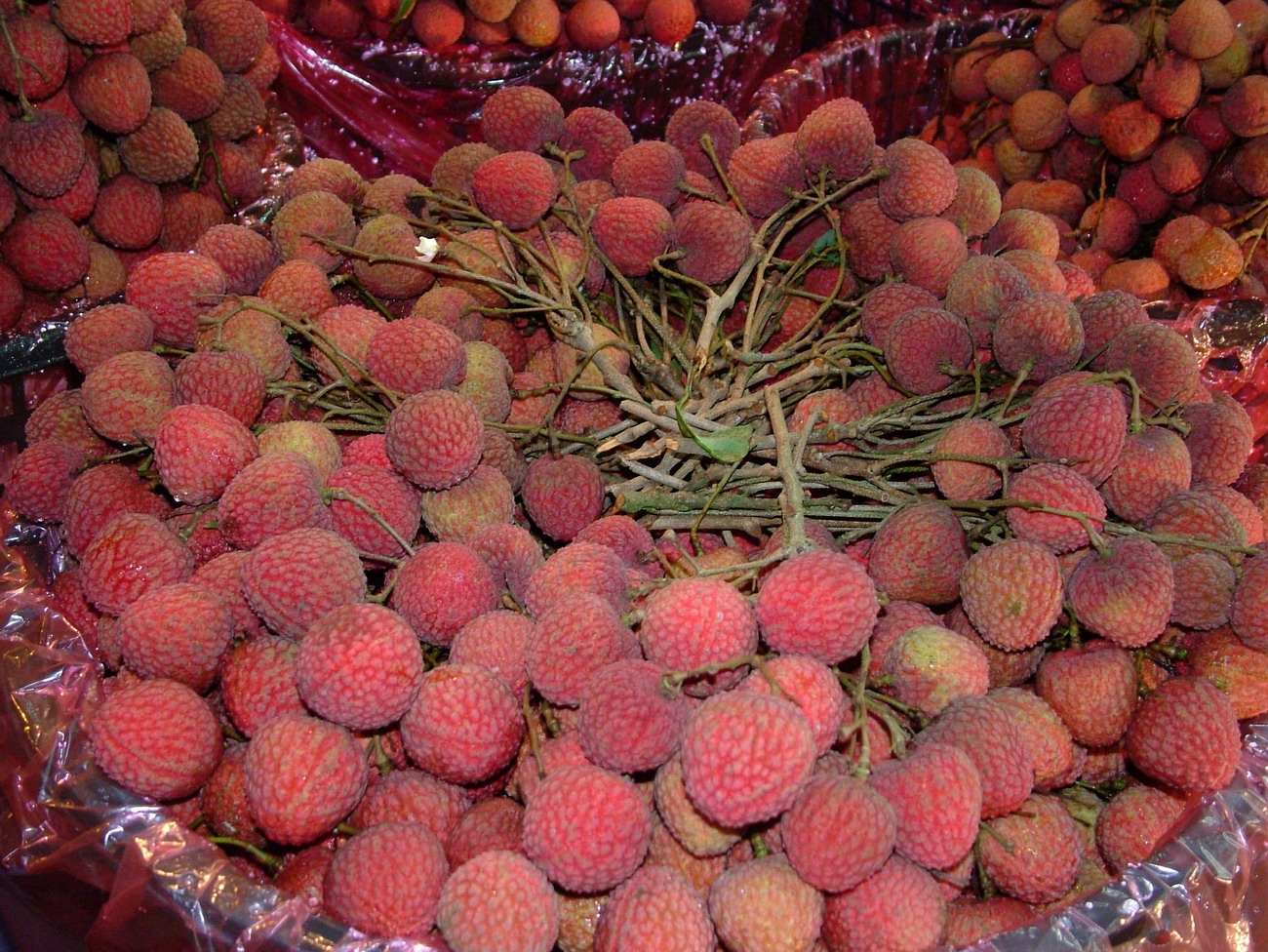
Surrounded by sea on all sides, the Central Mountain Range resembles a dragon’s back rising and falling, cutting through the entire landform of Taiwan. Plains are distributed on both eastern and western coasts, with populations concentrated in these major basins: Taipei, Taoyuan–Hsinchu–Miaoli, Taichung, Yunlin–Chiayi, Kaohsiung–Pingtung, Yilan, and Hualien–Taitung. Several magnificent rivers traverse the island from south to north, such as the Gaoping Creek, Bazhang Creek, Zhuoshui Creek, and Tamsui Creek, forming distinct terrains. Coastal areas support aquaculture; for example, Tilapia is produced in Tainan, oysters in Budai (Chiayi) and Donggang (Pingtung), while exported eels and sea breams are famous far and wide, alongside fish seed breeding. Basins nestled between mountains and sea are agricultural, with crops varying by temperature and soil quality from south to north. Fruits, vegetables, and rice are mostly distributed in central and southern Taiwan. Yunlin and Chiayi are known as Taiwan’s grain basket; the Gaoping area’s watermelons, Changhua County’s flowers, and Pingtung’s bananas are most famous. Dongshe’s oranges, Zhuzi’s navel oranges and persimmons, Guanmiao’s pineapples, Fangliao’s black pearls (wax apples), and Taitung’s sugar apples are also notable. In this peaceful and prosperous land, where people have ample food and clothing, it is truly a place specially blessed by heaven. Grateful for all this, being Taiwanese is a blessing.
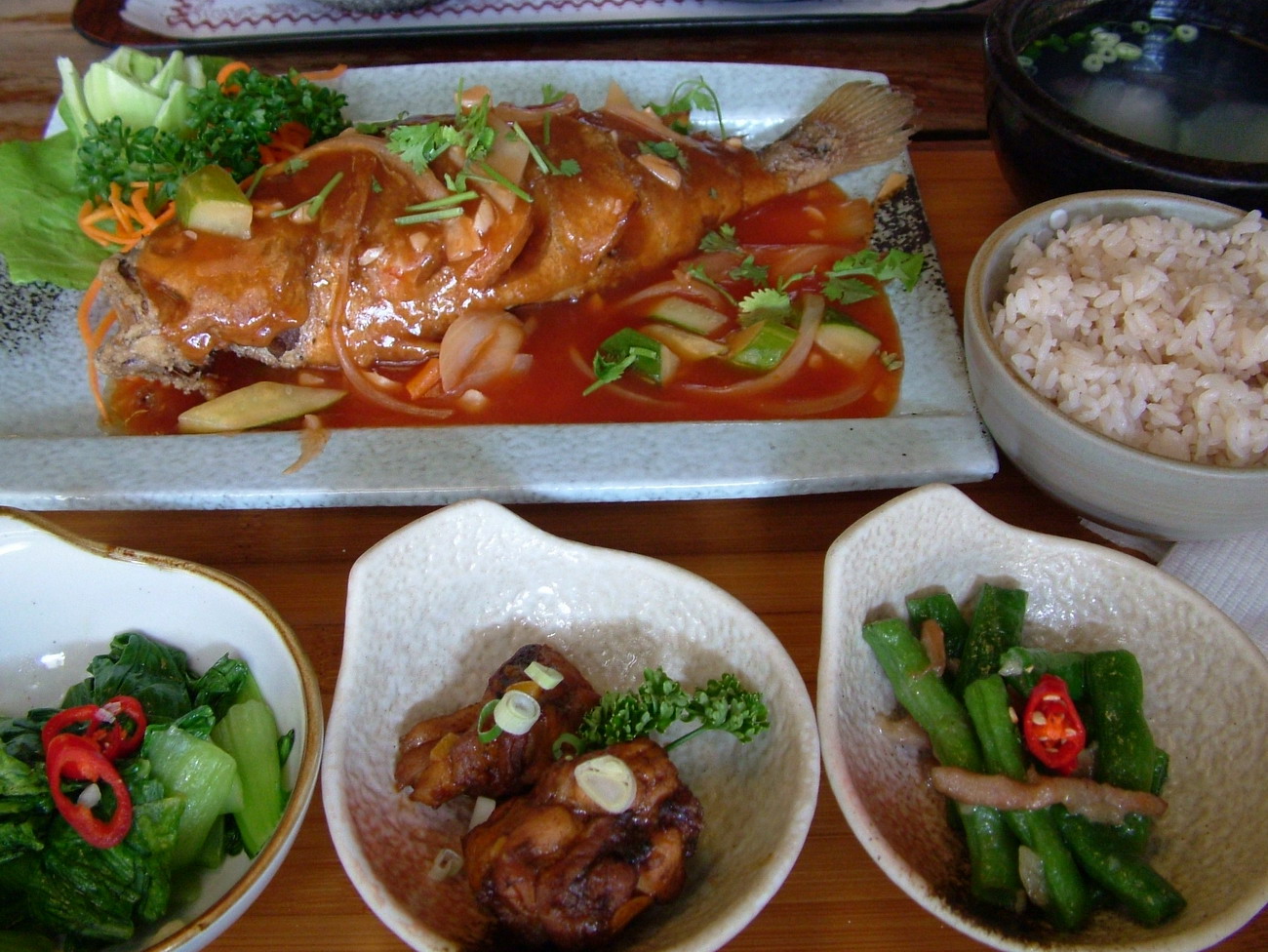
Transportation on the treasure island is convenient. the Zhongshan Expressway and National Highway 2 run north to south, while east-west routes connect various townships. High-speed rail has shortened the distance and time between north and south, turning the entire island into a suburb of the capital, Taipei. Additionally, Taiwan Railways and numerous luxury tour buses operate frequently, connecting all major cities and townships across the island. Such convenience is hard to compare with other countries. Taiwan’s healthcare system sets a precedent among developing nations, with hospitals and clinics of all sizes available in both major cities and townships. Hardware facilities are modern, and equipment is no exception. Many overseas Chinese frequently return home to visit relatives and seek medical treatment, enjoying significant benefits. Universal health care is a major policy measure and welfare program, providing greater security for citizens. Sound public and private retirement systems, combined with the convenience of island-wide living functions, mean that convenience stores are available almost everywhere, operating twenty-four hours a day. Taxes and payments can be made at these stores, and home delivery services offer even more convenience. Taiwan is so convenient that there is always something to eat when hungry, with many choices available. Taiwanese people are fortunate and should be content and cherish their blessings. With the awakening of health and environmental awareness, as well as exploration into the existence of life, the treasure island can be called a spiritual island. Practices of body, mind, and spirit are quite common, and this awakening is rare. Under humanitarianism characterized by shared compassion and empathy, warmth, sincerity, care, and love can be felt everywhere. Taiwan is truly a place of good mountains, clear waters, and wonderful places.