René Magritte – "The Treachery of Images"
Magritte, *The Secret Room*, 38x46cm, 1929
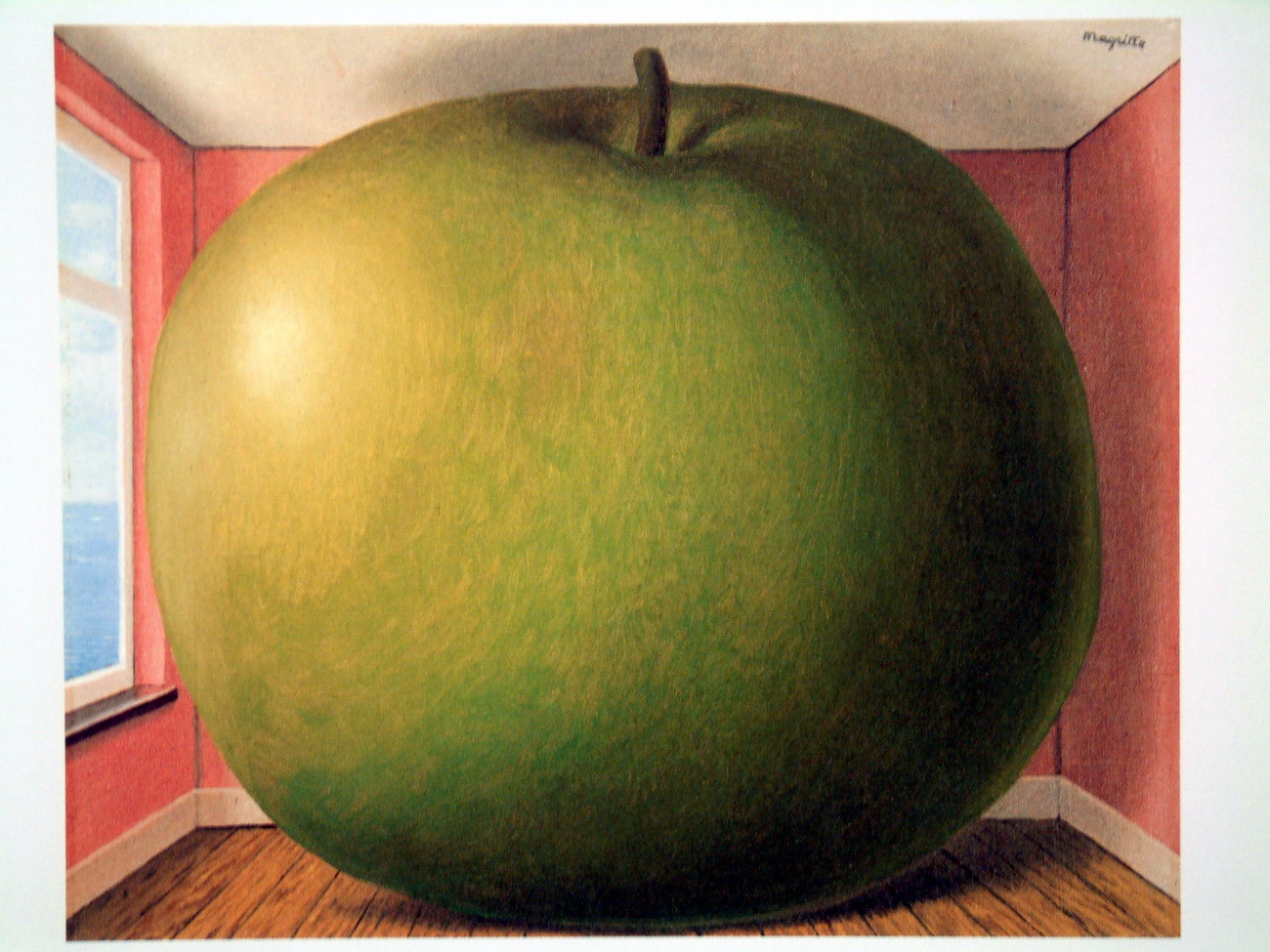
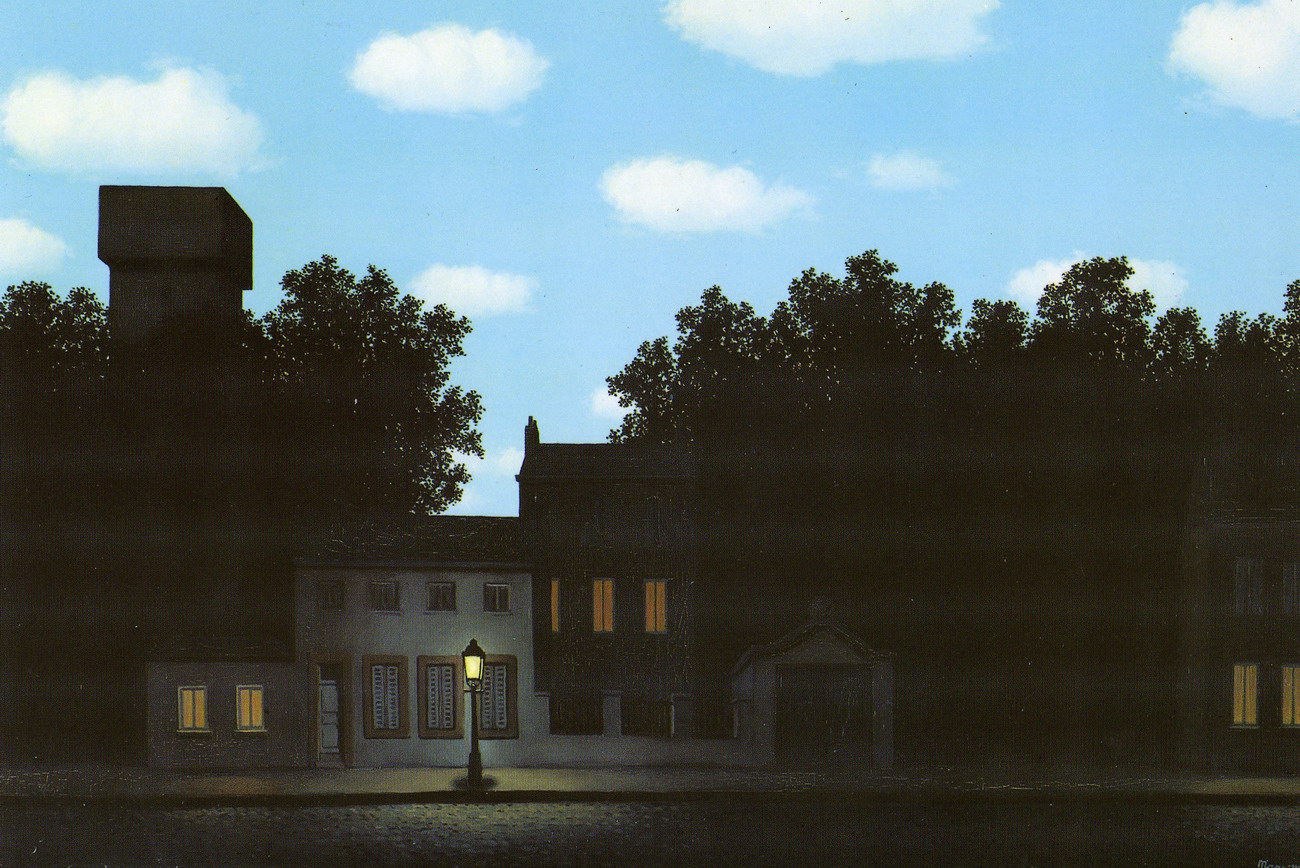
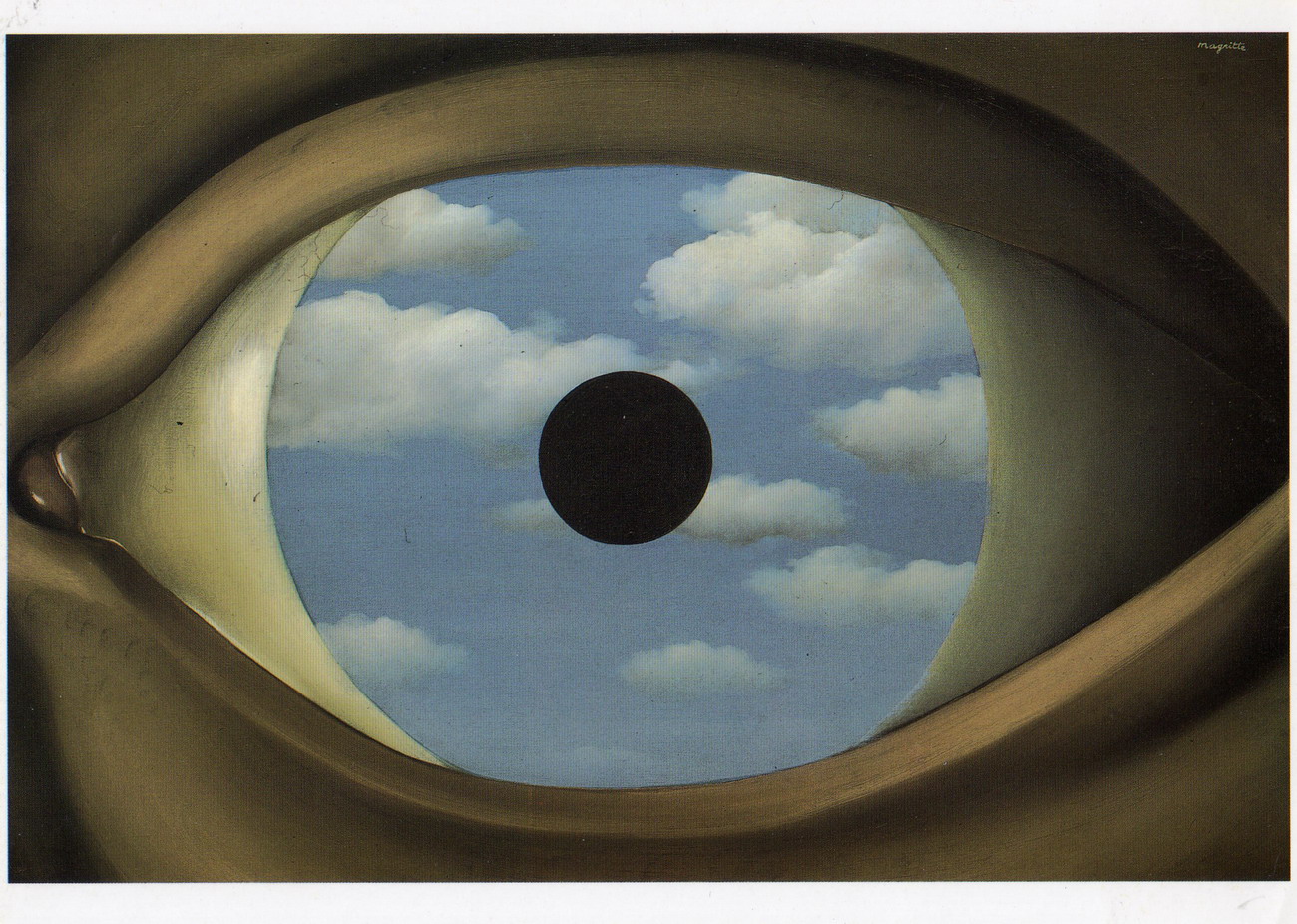
René Magritte (1898-1967), a Belgian painter, is one of the most representative surrealist artists. He excelled at using montage and collage techniques to construct strange, indifferent, and hybrid images. Under his superb realistic skill, the ingenious composition and vivid colors combine ordinary, mundane objects in an extraordinary way to construct a dreamscape. Full of imaginative space, a hazy poetry emanates from the mysterious semantics, like an illusion or a dream, concealing illogical phantasms and incredible situations. Yet, objects in unusual contexts carry new meanings, such as a giant apple in The Secret Room (1929), conveying a sense of contradiction and unusual significance.
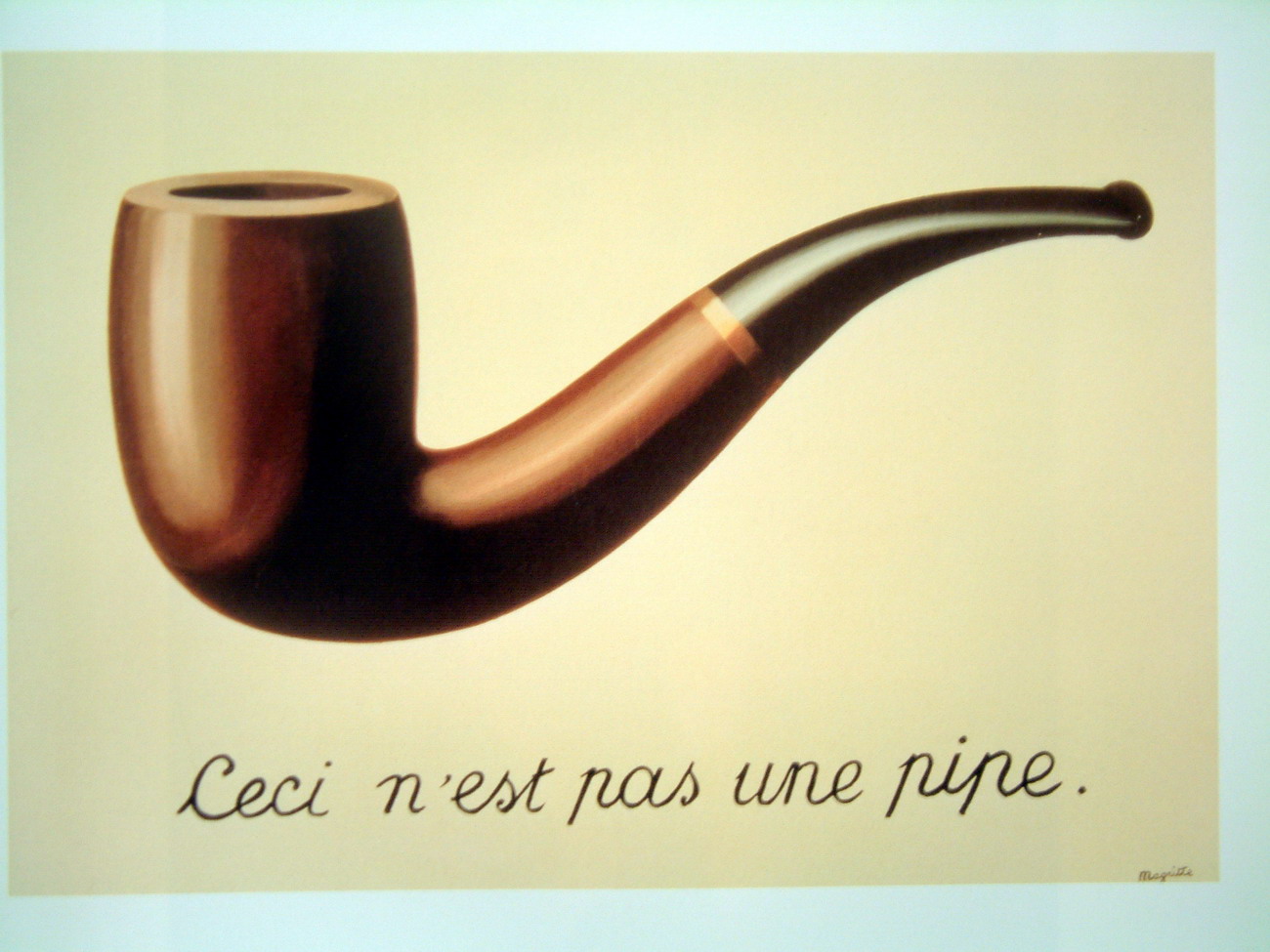
His paintings often carry strong visual metaphors, such as The Red Model (a pair of foot-shoes) (1935). Magritte also used varied painting themes and works to dialectically explore the contradictions between language and signs, entering into the rules of linguistics and visual cognition, as in The Treachery of Images ("This is not a pipe") (1929). It clearly depicts a pipe, but the text below reads "This is not a pipe." Could it be that this is not a pipe, but a painting? Both the image and the text are merely the cognition and conveyance of an abstract concept. For example, in The Key of Dreams (1930): the image is a hat, but the text says "snow"; the image is a cup, but the text says "storm," and so on. What is seen and what is read are poles apart, neither narrative nor descriptive, pointing to the contradiction between image and text, seeking an artistic conceptualism within antithesis, which had a considerable influence on later conceptual art.