Scoli Acosta "Carbon Footprint" Solo Exhibition
"With the Help of Carbon Dioxide" exhibition, a scene of painting and sculpture, 2008.
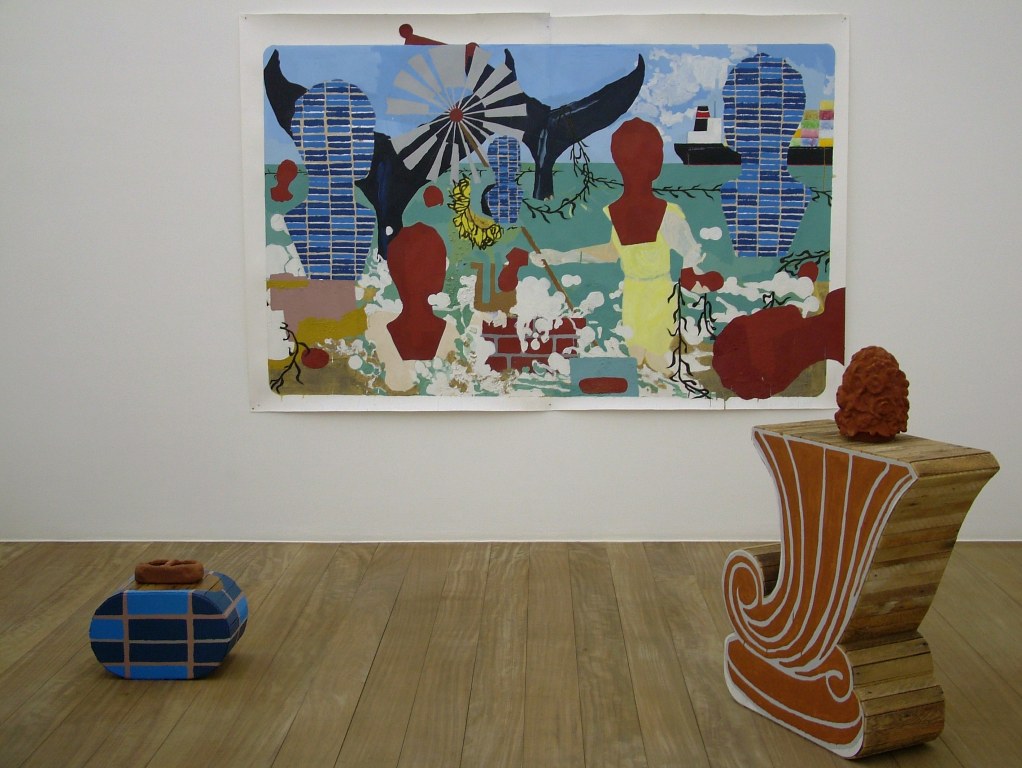
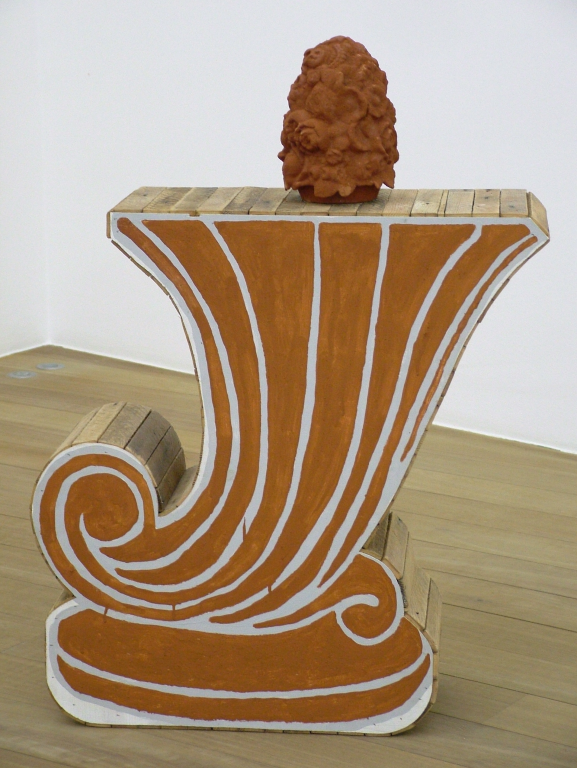
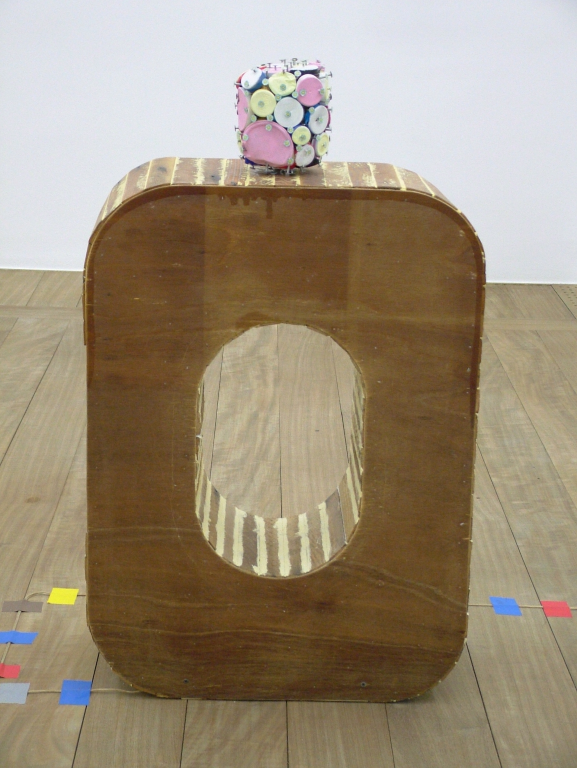
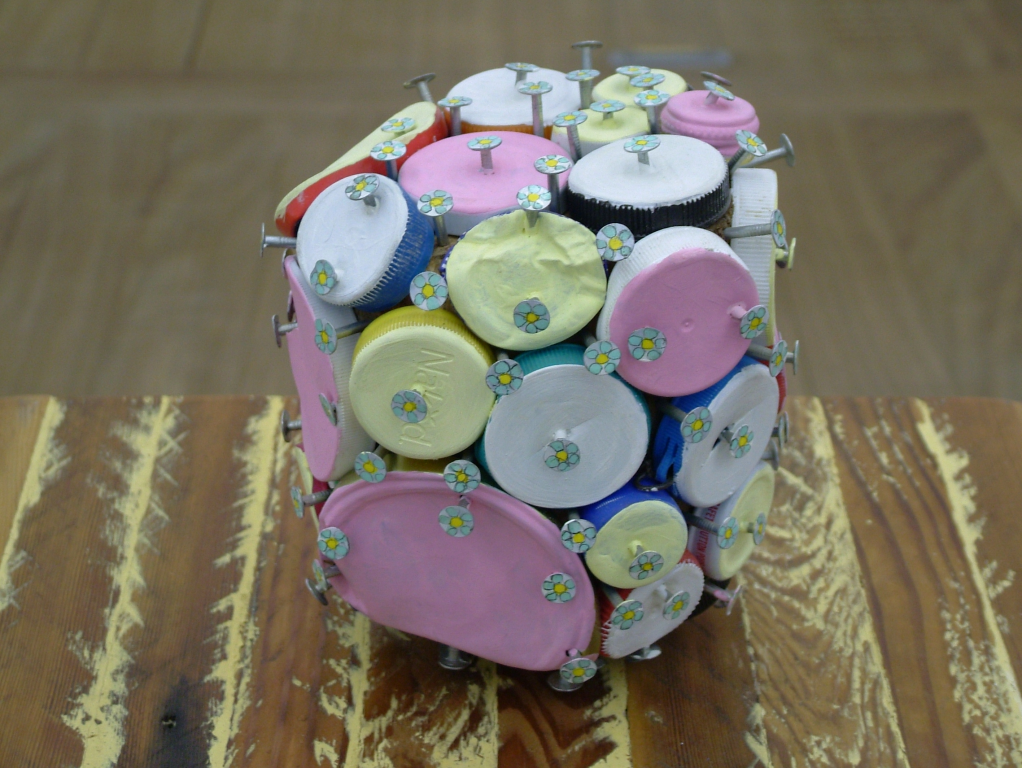
Filled with magical objects - Sculpture detail, 2008: Scoli Acosta "Carbon Footprint" solo exhibition: On display at Laurent Godin Gallery from February 23 to April 5. Scoli Acosta (born 1973) is a young artist from California, USA, who develops art exploring contemporary environmental sustainability through personal daily life practices. This highly eco-conscious theme of "With the Help of Carbon Dioxide" signifies testing the impact of human activity on the environment today, particularly regarding the greenhouse effect and oxygen layers, as well as testing carbon dioxide units. She is permitted to be viewed as an individual and organization addressing the impact of global warming.
This exhibition features paintings, sketches, and object-sculptures. From poetic imagery such as oceans, whales, cargo ships, solar energy, figures, and plants, one can discern her creative intent and references, turning testing into a consciousness and concept. Of course, this is based on research into metaphors of renewable energy and environmental practice. Many materials come from repurposed consumer society objects, fundamentally grounded in mobile aesthetics. The artist states: "This extends my project from the 'Bountiful' exhibition in California, starting with rusted and shiny objects created via the ocean. I use recycled materials, isolating poetic aspects and daily use through organic studio practice, where each work—painting, sculpture, sketch—is conditioned by its circumstances. I understand referencing murals that show rich corners (like those seen on any street corner in Southern California), automobiles, solar energy, and the plant world, surrounding the natural progression of human construction. This is a study of personal environmental projects and my experience in the US, focused on practice in painting and sculpture. Previously, my main work development in France was based on performance forms."