Seville's Classic Real Alcazar Arab Palace and Gardens
Seville's most classic Real Alcazar Arab Palace
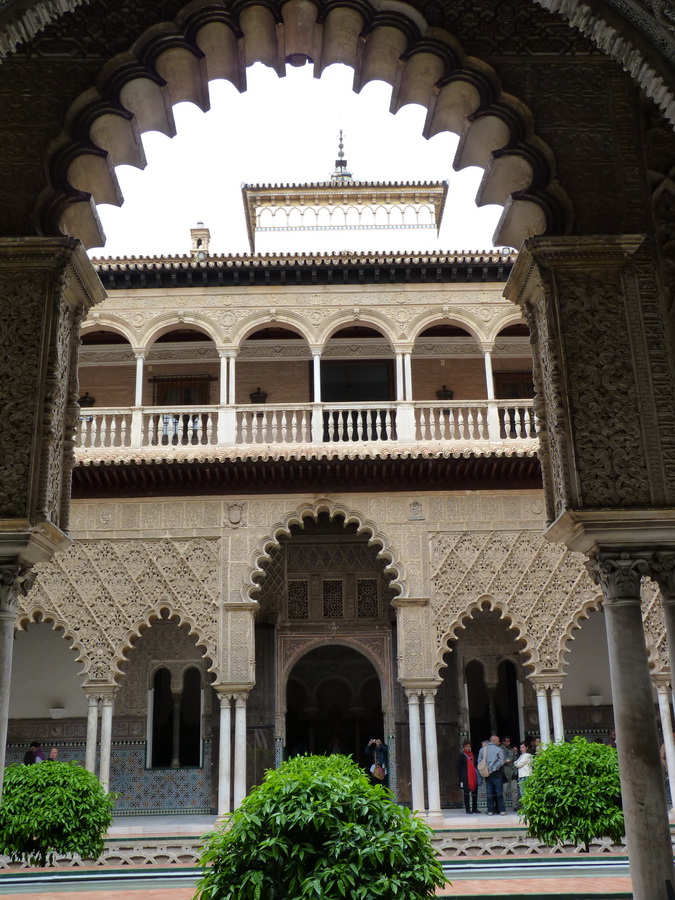
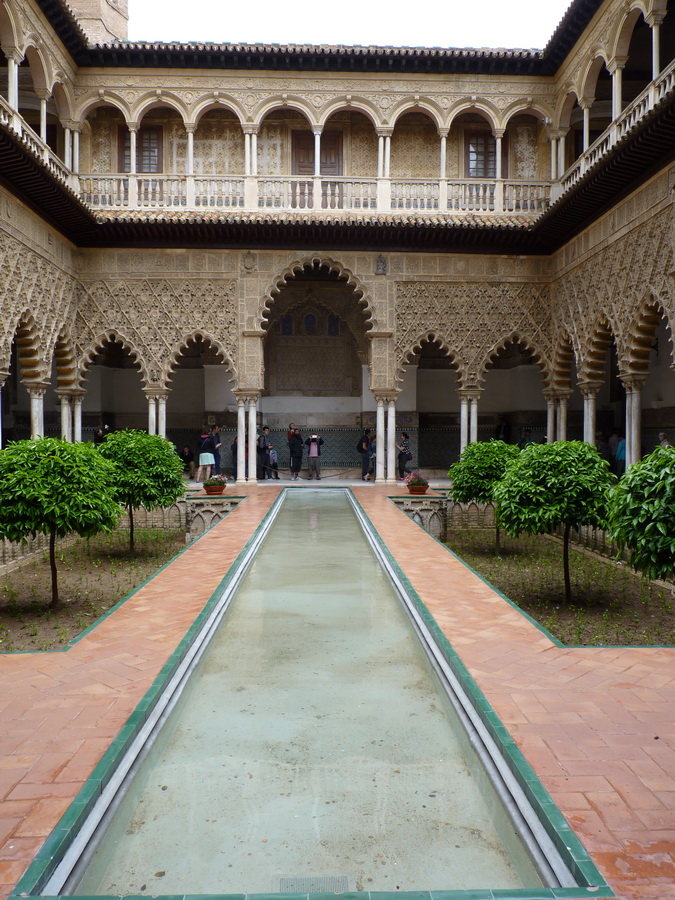
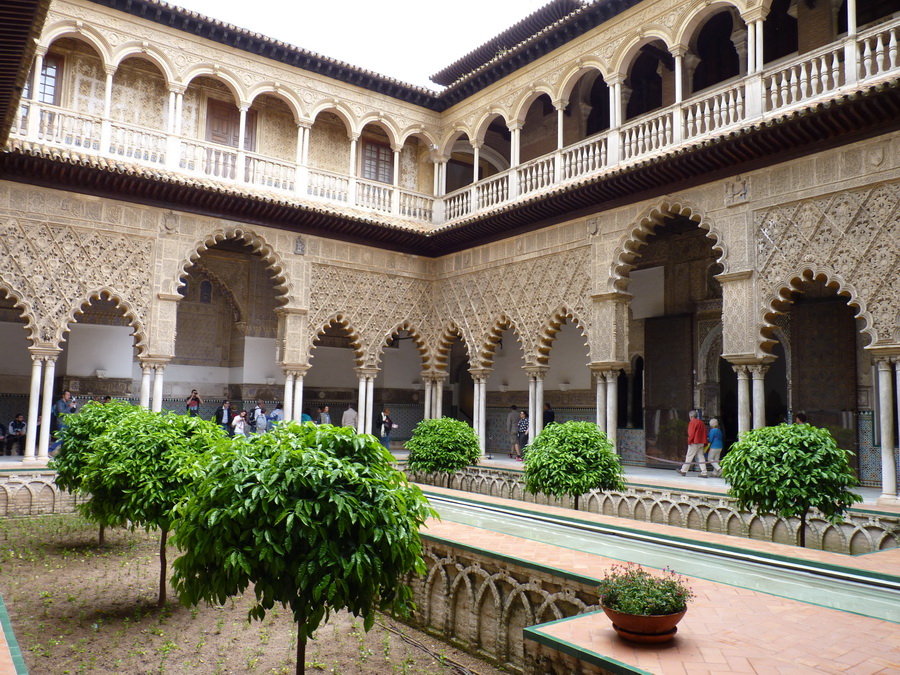
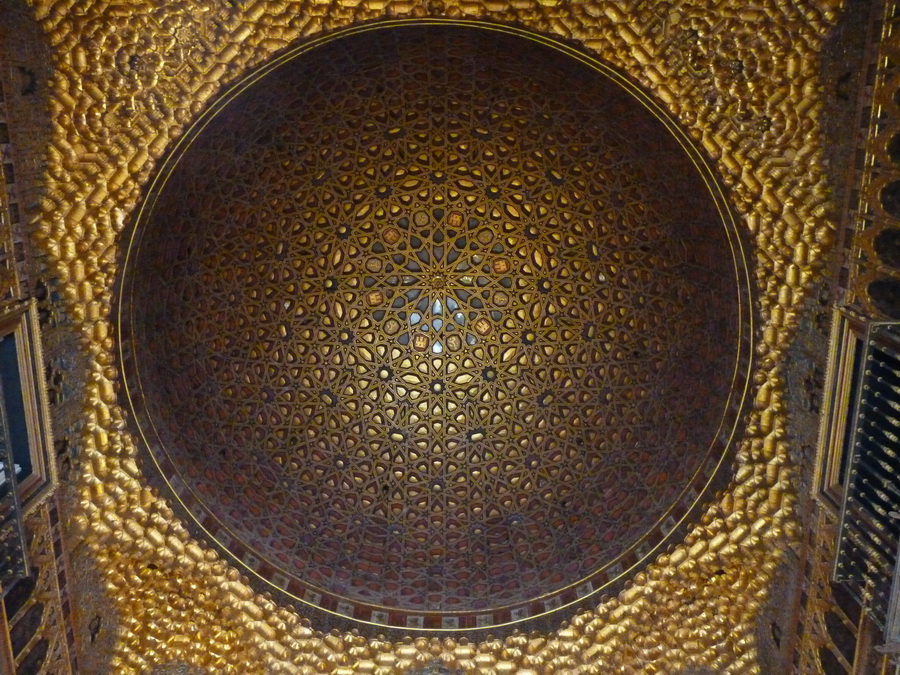
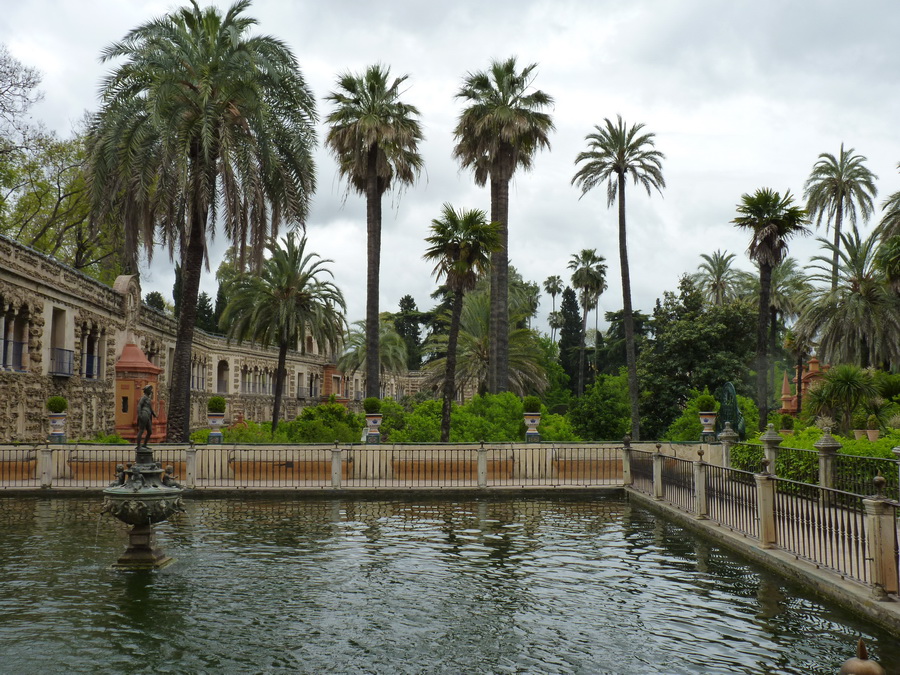
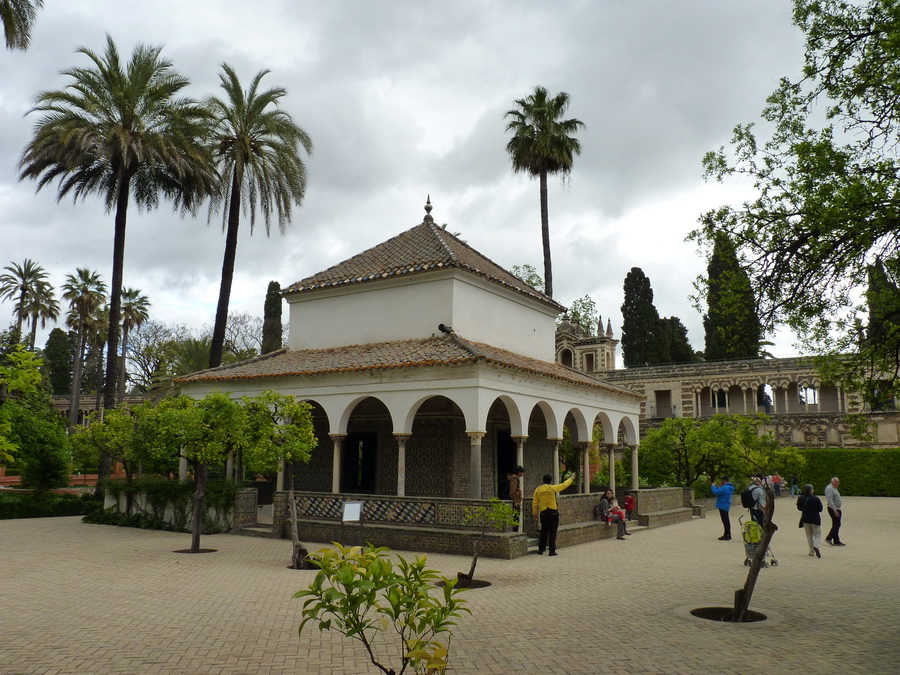
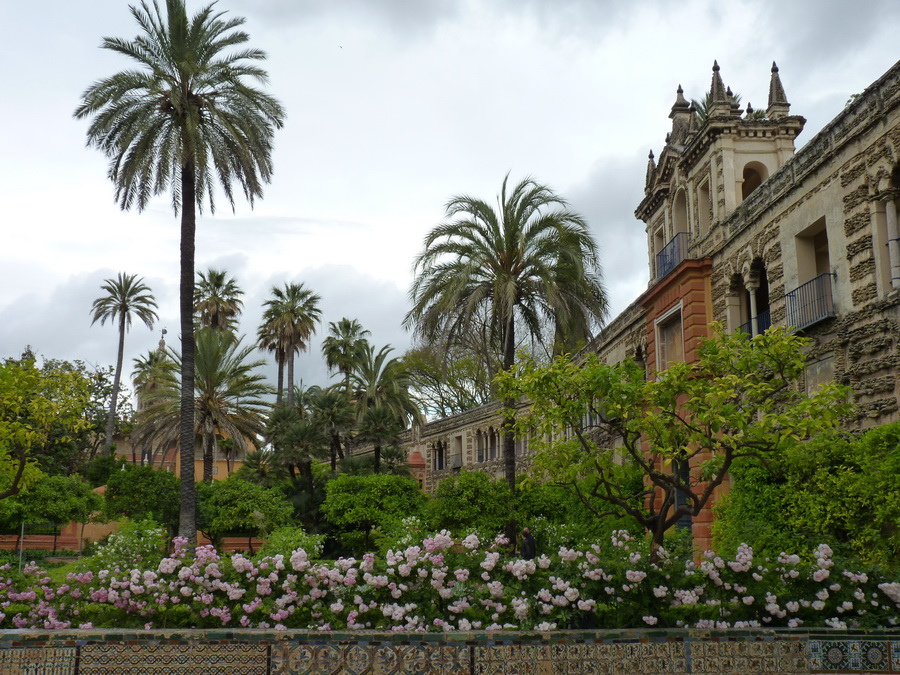
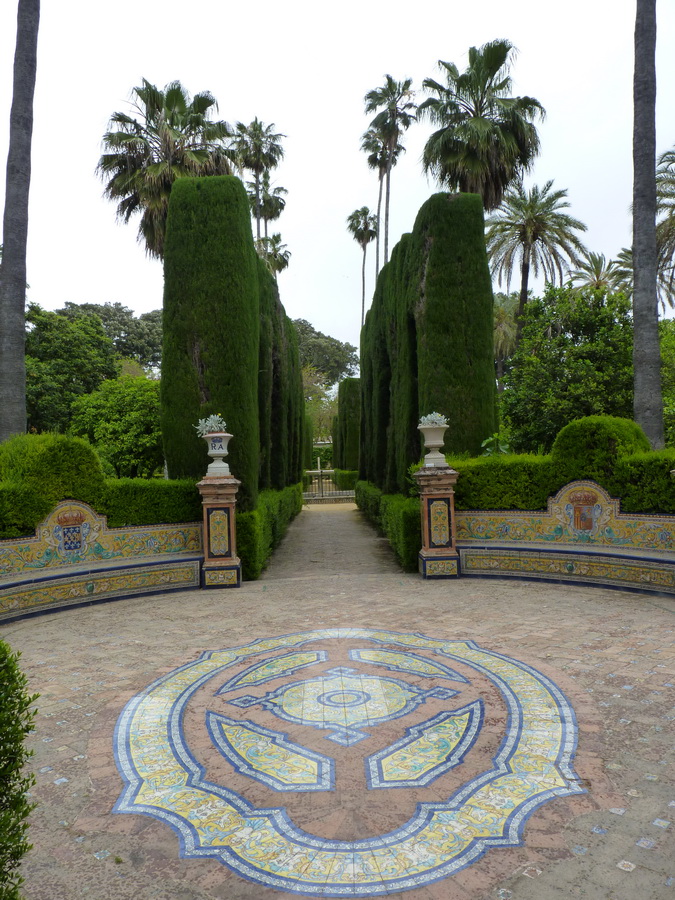
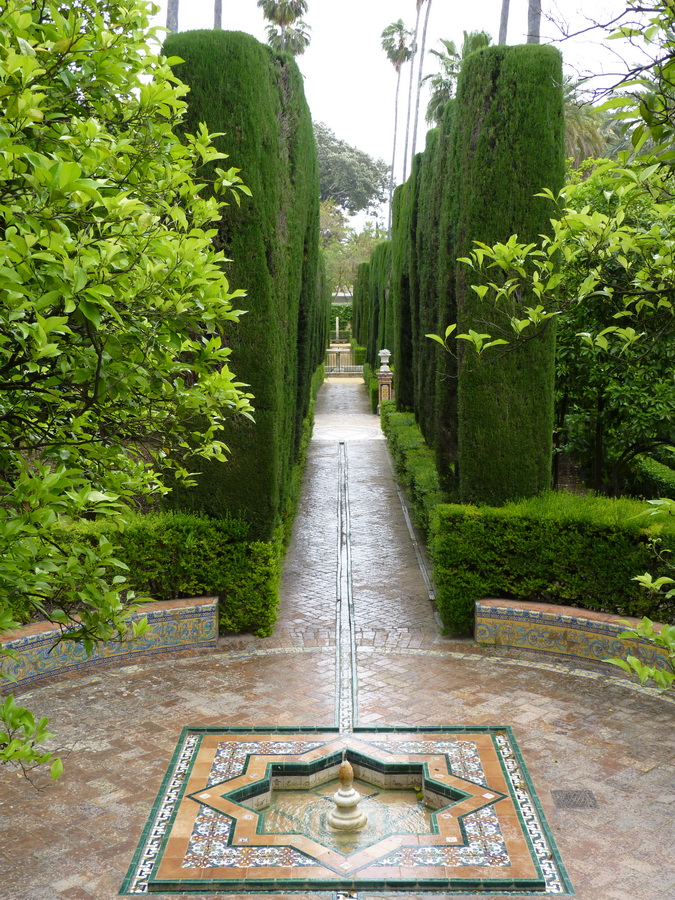
Text and photos by Chen Chi-Hsiang. Seville’s most representative and classic Real Alcazar Arab Palace and gardens are located next to the cathedral, enclosed within medieval city gates. Its exquisite, perfect architecture and ingenious interior decorations feature bewitching Arabic geometric-patterned domes, ceilings, crenellated archways, and windows with calligraphic motifs. The upper walls are decorated with relief carvings of Arabic script, while the lower sections are covered in geometric tilework. The central courtyard features square-arched skylights and mathematical geometric platforms, with a rectangular pool in the middle flanked by lemon trees.
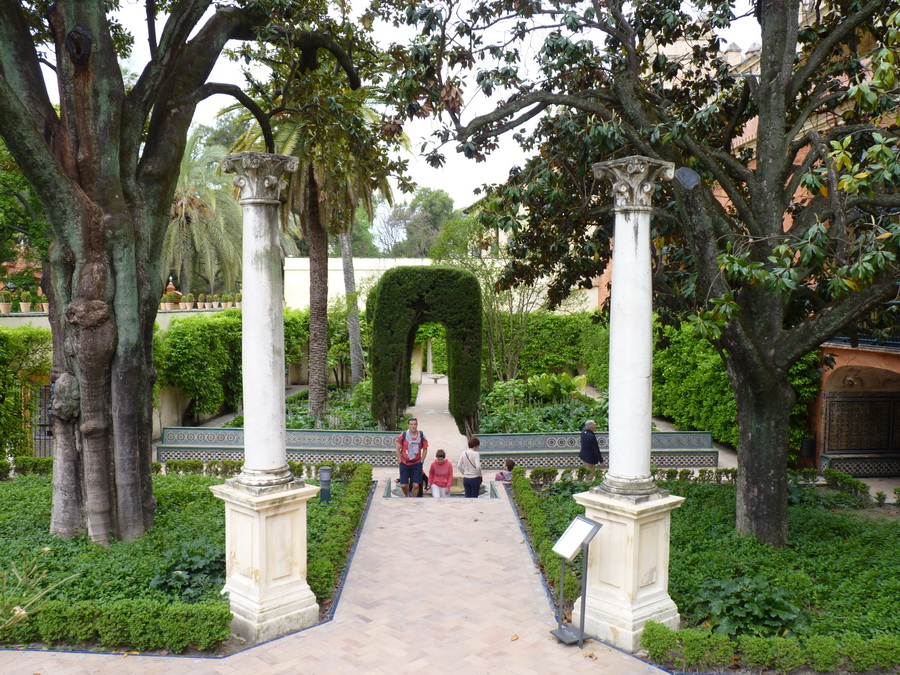
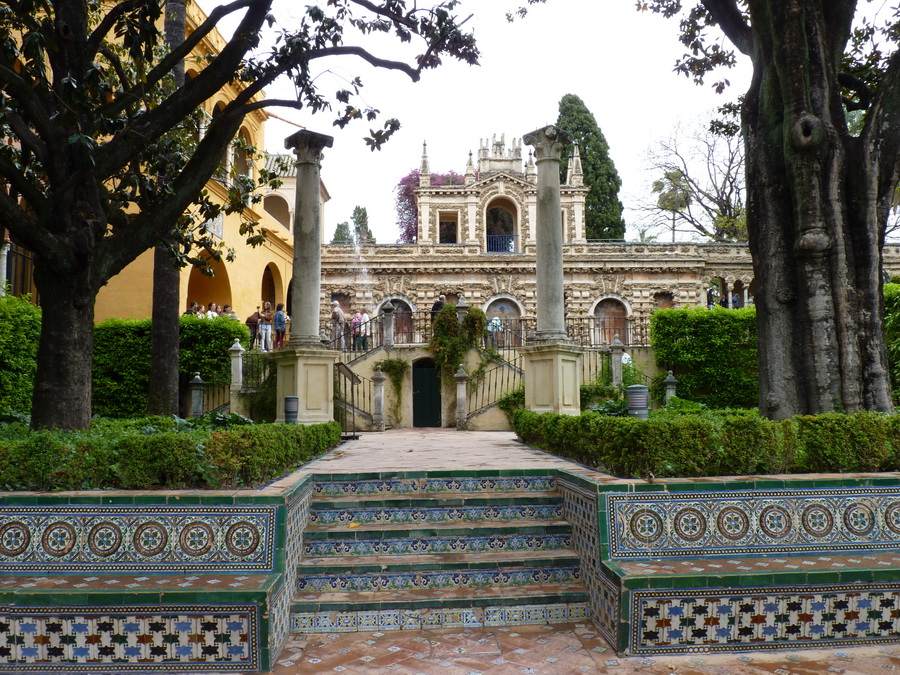
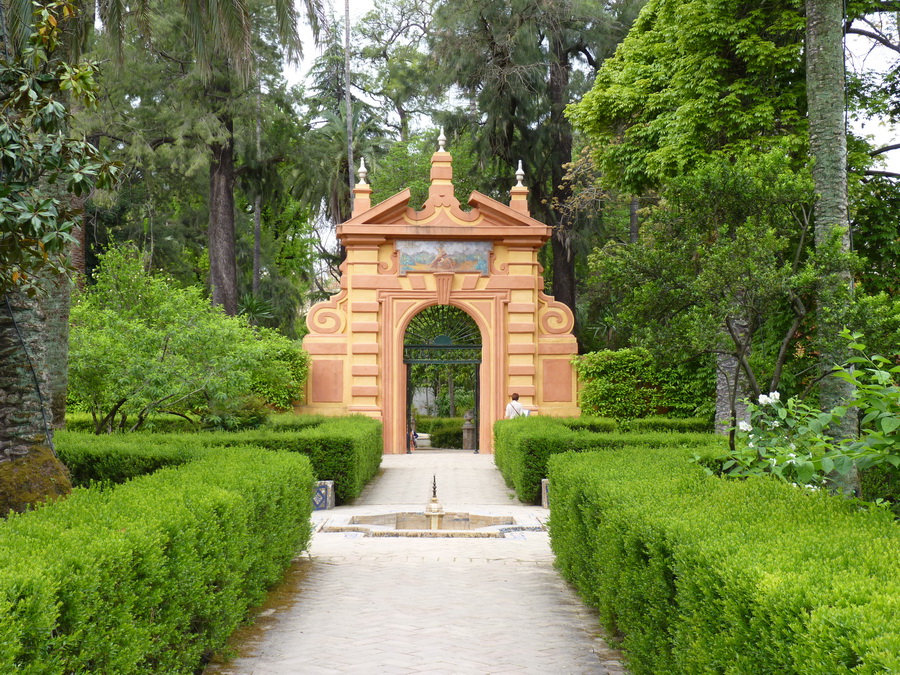
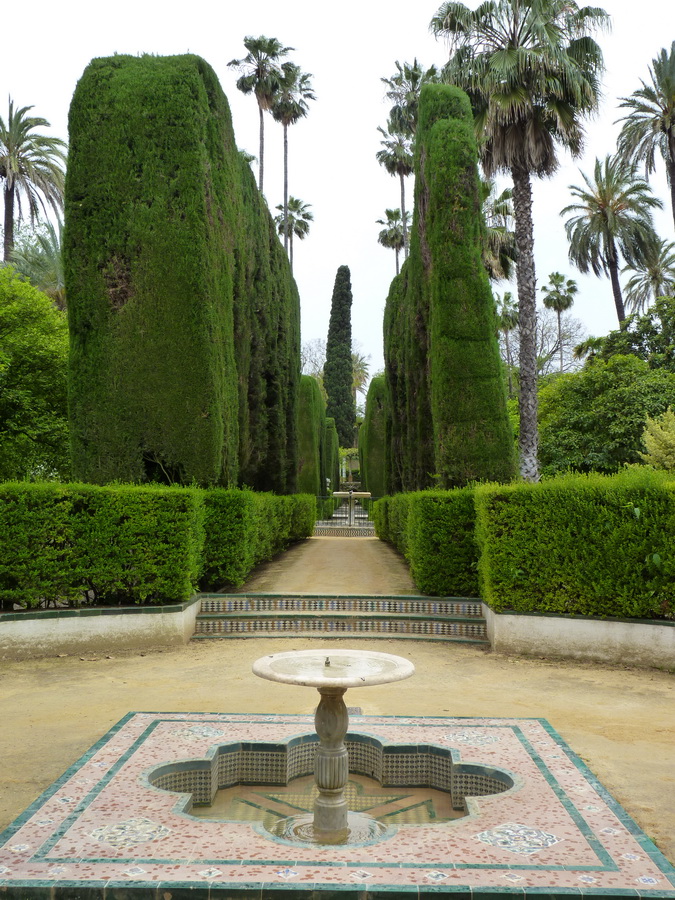
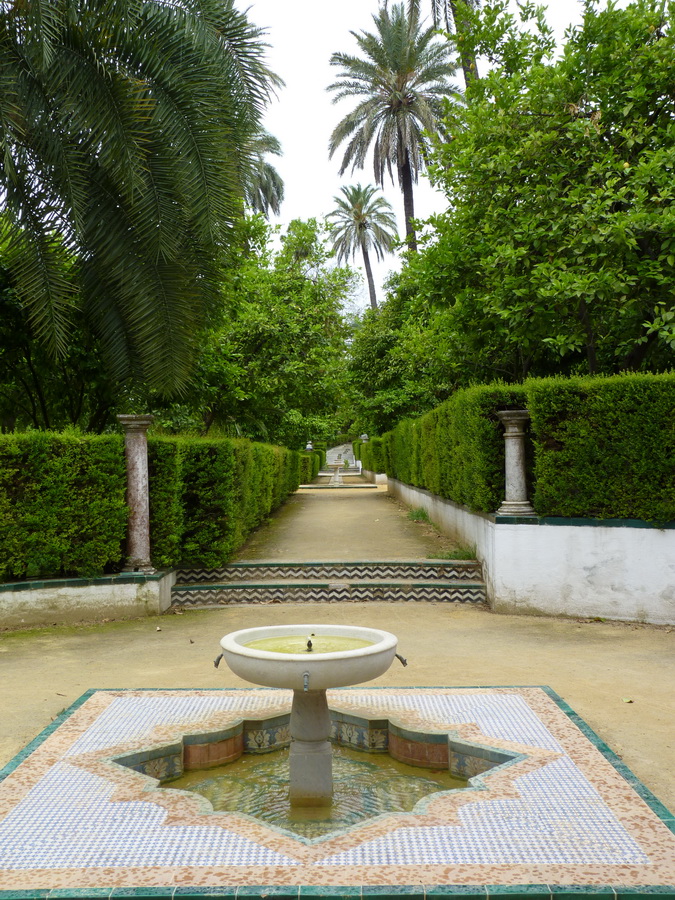
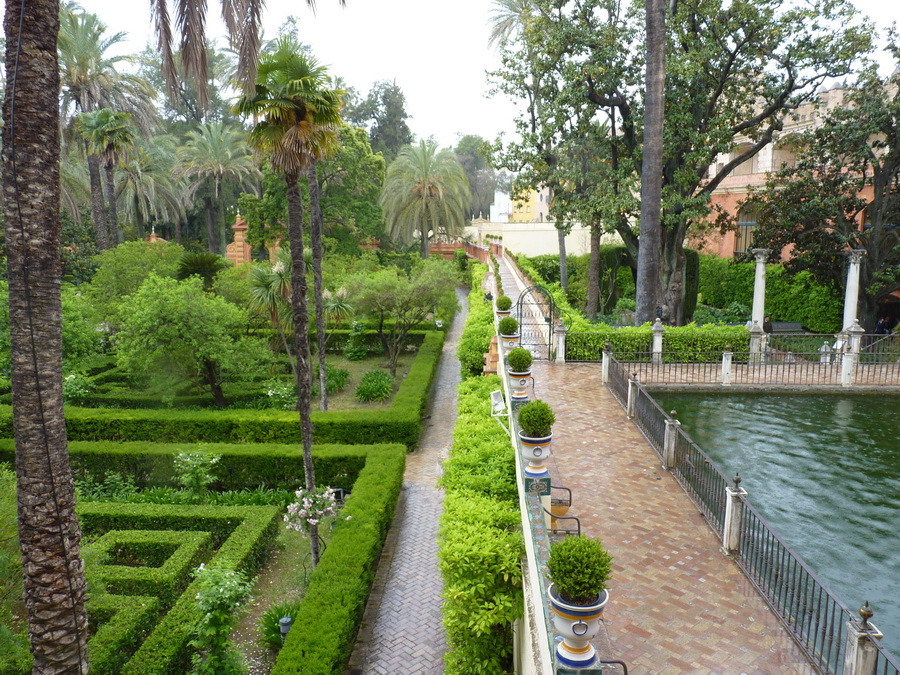
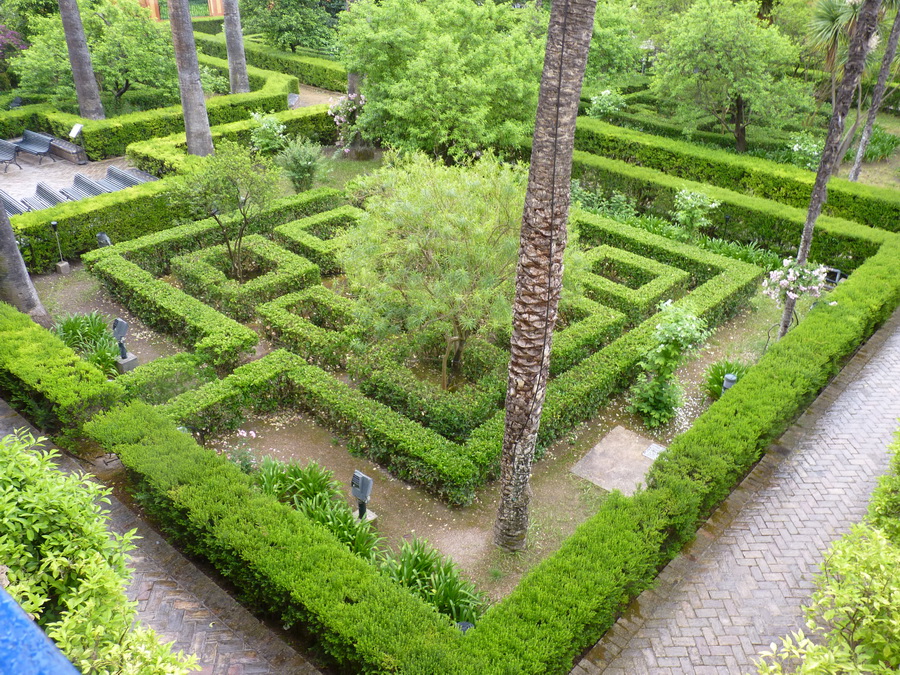
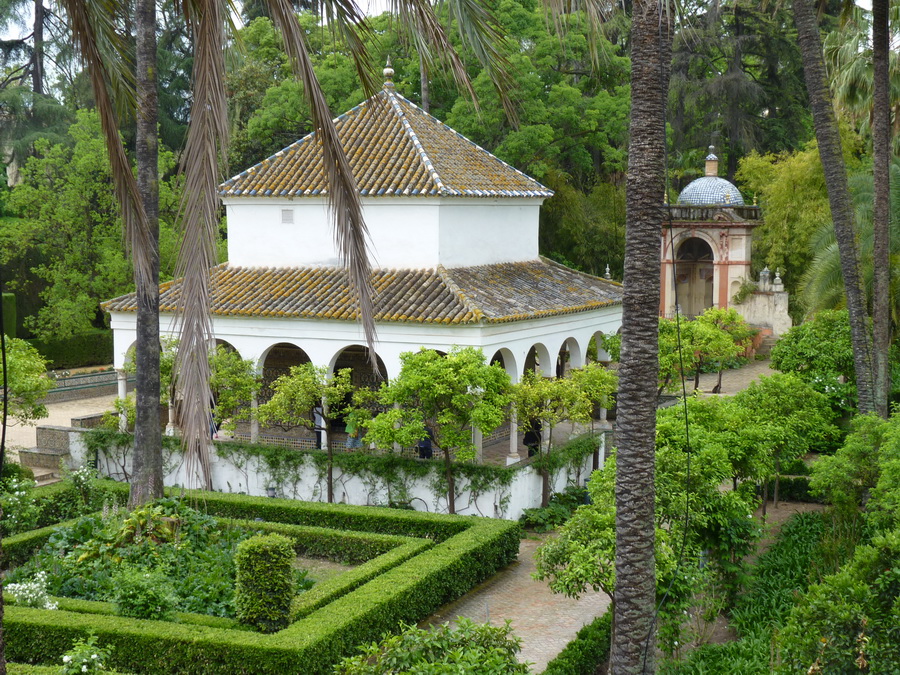
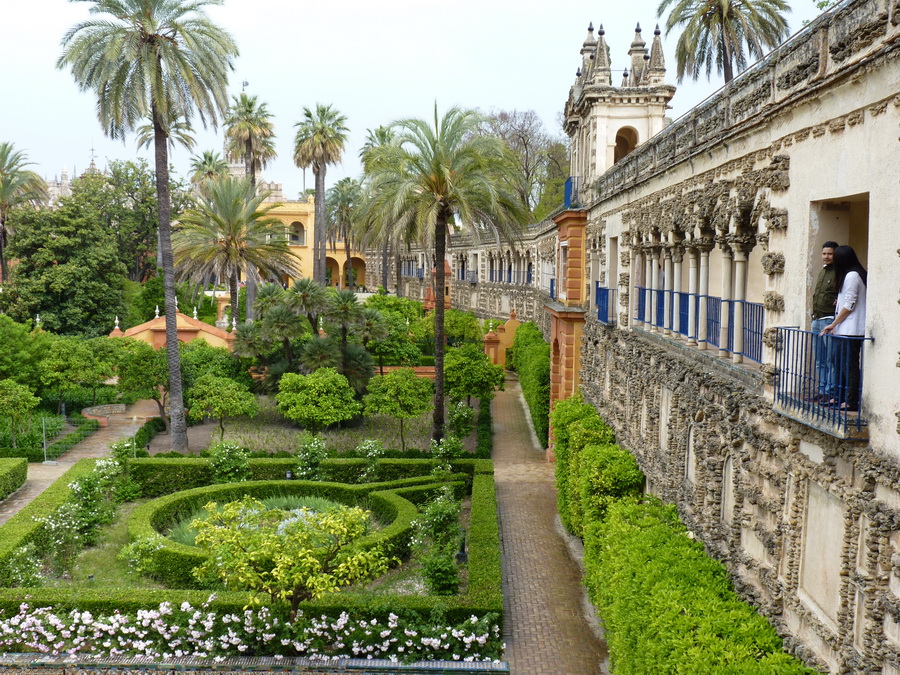
Hidden behind the palace is a lush green garden, reorganized during the era of Emperor Charles V. It blends Renaissance and French styles within an Arabic framework. The large garden is planned around several themes, such as the Prince’s Garden and the Ladies’ Garden, each marked by symbols like fountains or buildings. What attracted me most were the numerous subtropical plants, including tall palm and coconut trees, bougainvillea, lemons, roses, and cycads. Geometric ponds, fountains, patterned flower beds, orchards, mazes, distinctive buildings, and antique monuments dot the landscape. Each fountain adorned with painted tiles is unique; the sound of flowing water from tiled stairways adds to the charm.
The rear garden’s winding, intersecting shaded paths are captivating. Each path offers a strict perspective view with different plantings and green walls, leaving visitors amazed by the space and bright scenery at every turn. The most enchanting view is from the two-story-high wall walkway, offering a panoramic vista. Looking down from above, the scene is poetic and picturesque, immersing one in a world of beauty so completely that all worldly concerns are forgotten.