Suprematism
Kazimir Malevich Suprematism 73x60cm 1920 Collection of the Stedelijk Museum, Amsterdam
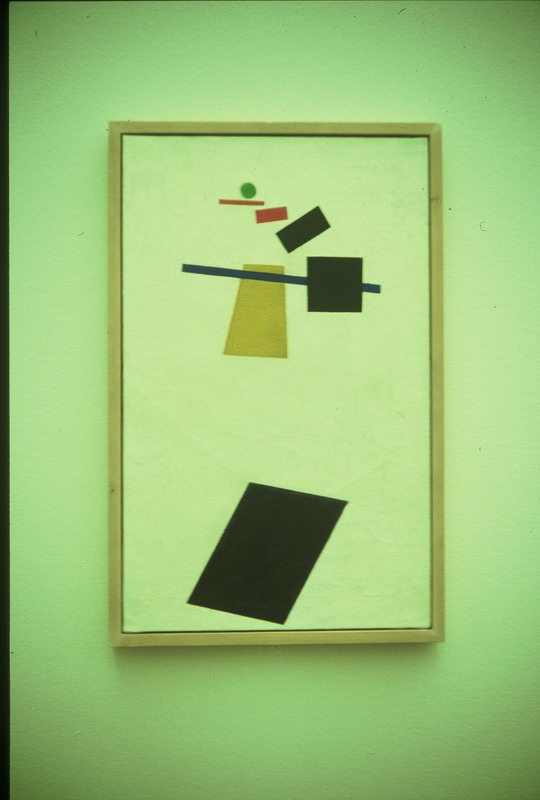
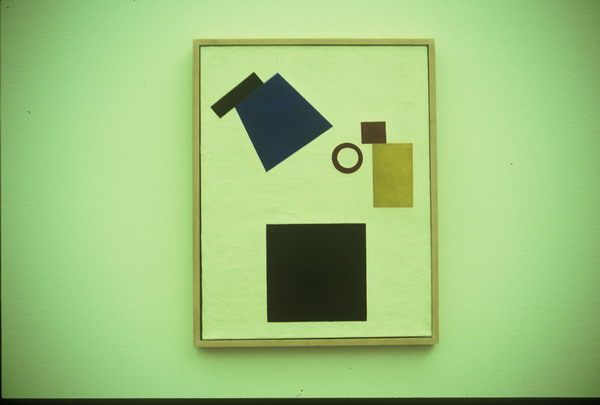
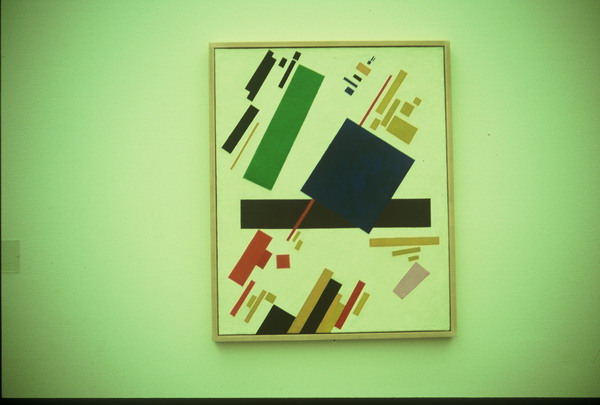
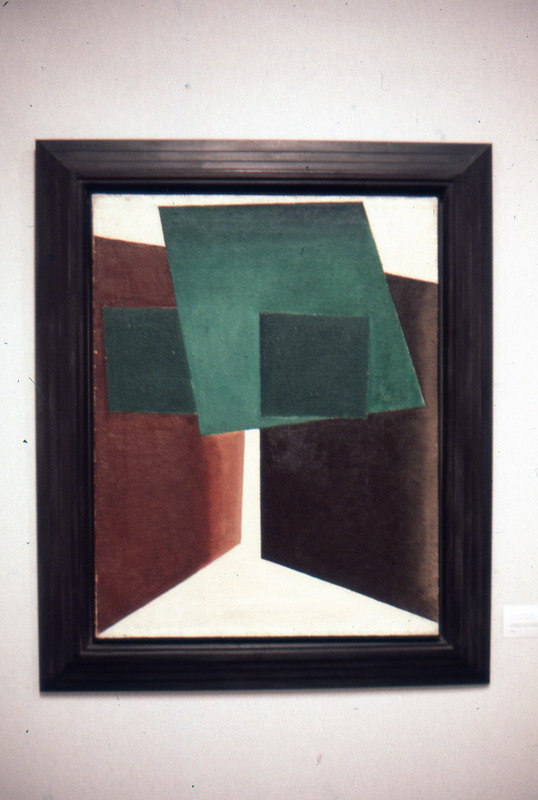
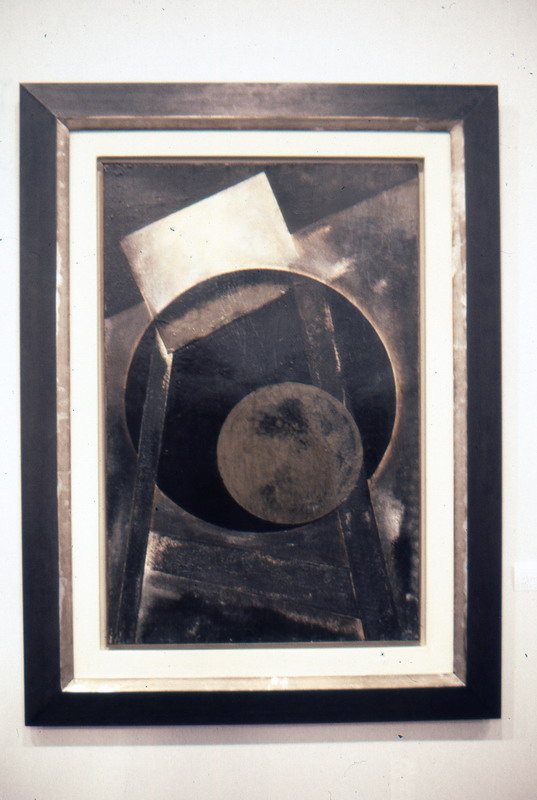
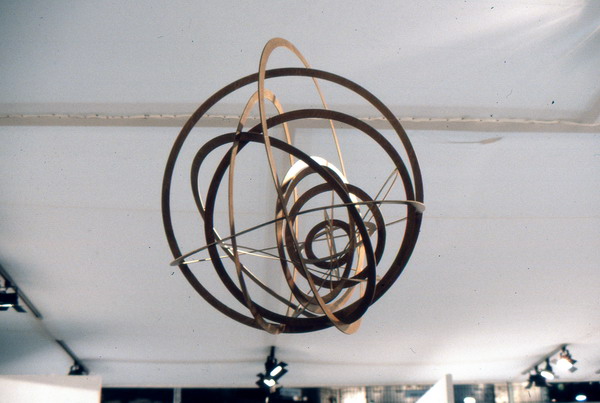
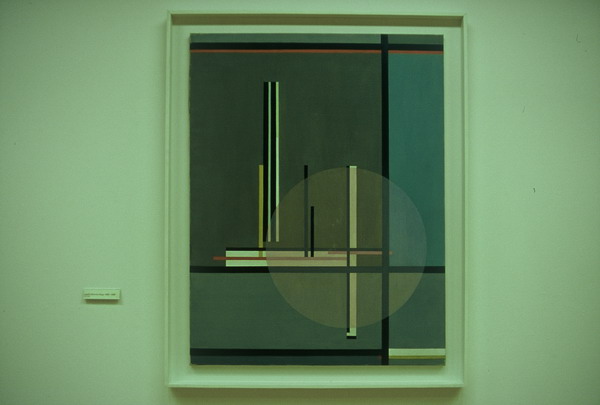
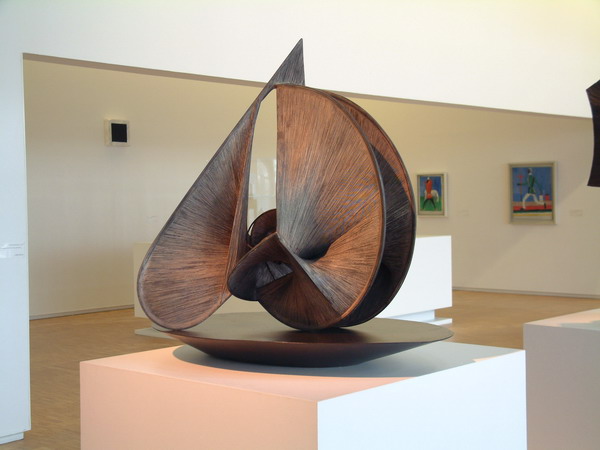

The movement of Suprematism was founded by Russian avant-garde artist Kazimir Malevich in 1913. It represents one of the most radical aesthetic revolutions of the 20th century, affirming the non-existence of objects and asserting that the only thing existing in the world is the non-object. He insisted on the concepts of basic forms and pure colors, with works composed entirely of geometric shapes (circles, squares, crosses, triangles, and straight lines). This style is similar to Constructivism, created by Vladimir Tatlin, and Non-Objectivism, by Aleksandr Rodchenko. The revolutionary aesthetic perspective of Suprematism deeply influenced 1970s Minimal Art and 1980s Neo-Geometric Abstraction.