Yves Klein (1928-1962)
Yves Klein Blue Period (ANT82) 1960, Centre Pompidou, National Museum of Modern Art, Paris Collection
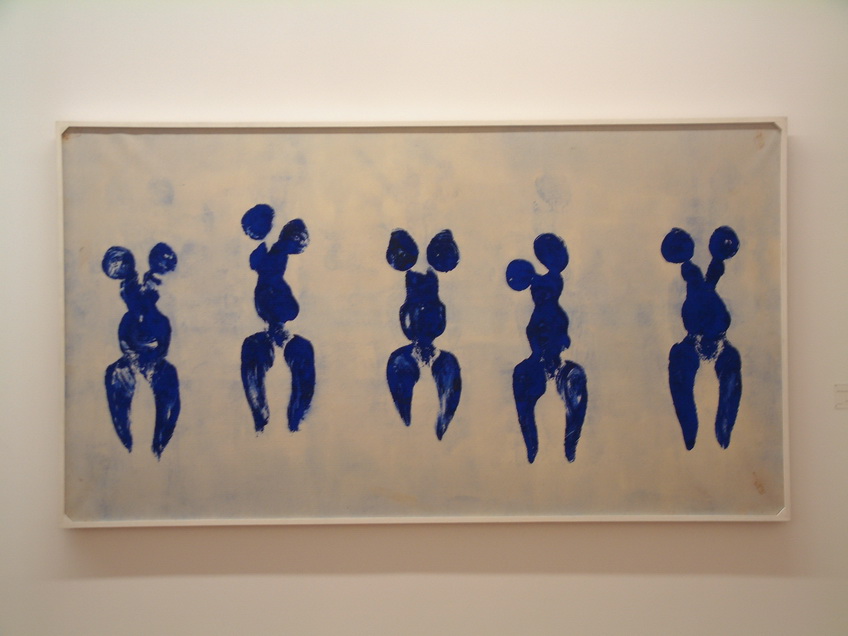
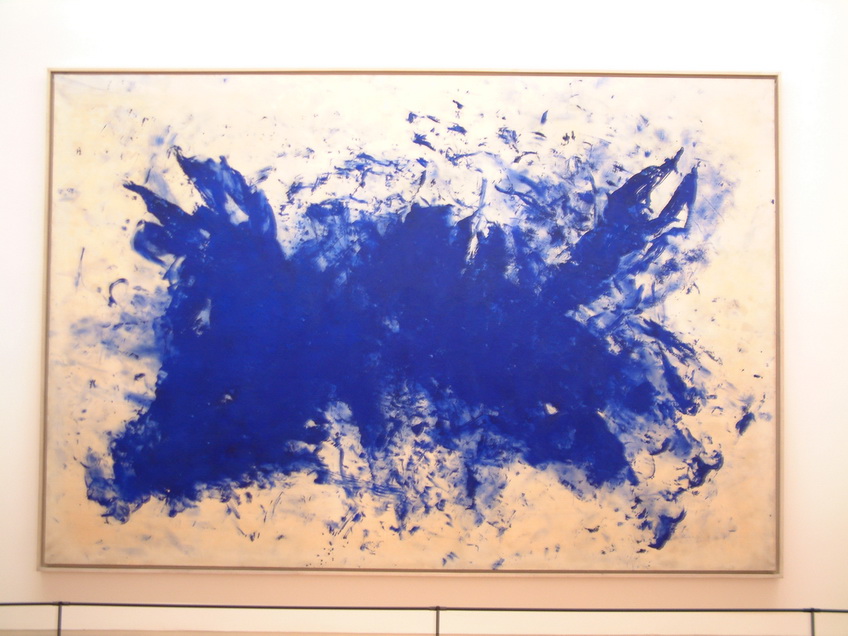
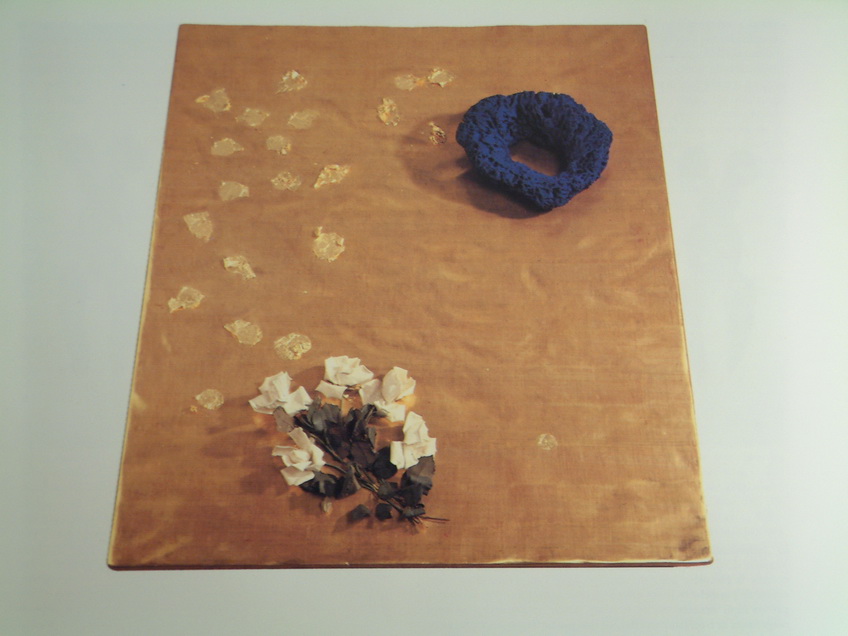
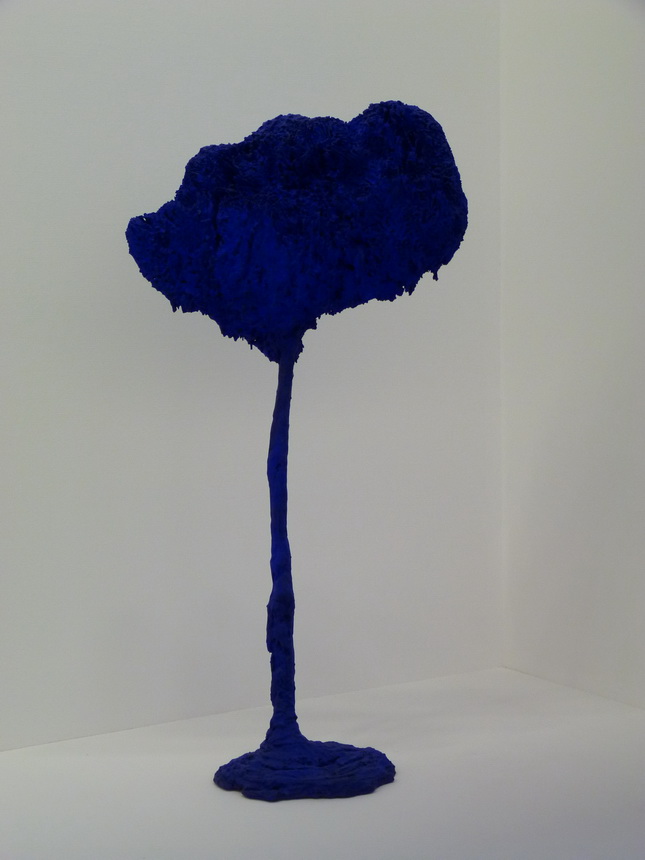
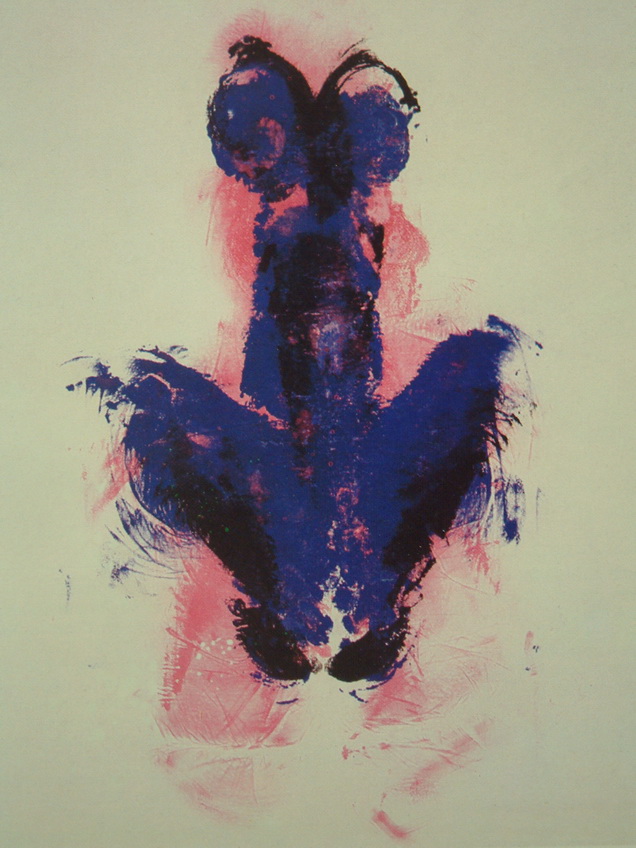
Text and images by Chen Chi-Hsiang. Yves Klein (1928-1962): From matter to immateriality, from image to non-image, from matter to spirit, pioneering the transcendental. Two directions in Klein’s artistic work: 1. Purely intellectual speculation; he proposed foundations for conceptual art, yet with a touch of mysticism, equally outstanding in the transfer within the sensitive zone of the immaterial and in the doctrinal concerns of esoteric believers (Rosicrucians). 2. Appropriating those elements: the human body and his Anthropometries series, yet similarly wind, rain, and convergence forming the basis of such a cosmogony. For Klein, the artist is completely free; life exists in that state as color itself, or atmosphere, or gesture. He no longer considers material supports, avoiding them through similar completion in those circulations (dispersals). The artist said: "Regarding color, I am fully conscious of it and regard it as emotion and space, so! I am indeed free and unbound."
In Klein’s artistic thinking, the desire was to detach from {the concept of art}. Klein stated: "The essence of painting is something, some (spiritual glue), some intermediate product, which the artist conceals with all his creative being, and he has the ability to set it down, or wrap it and infuse it into the interior of the painting."
Klein’s Anthropometries and his fascination with the immaterial: personally, he said: "I try never to dirty my body, thus becoming a living brush: on the contrary, I wear a tuxedo, bow tie, and white gloves, embodying the concept that they will not soil my hands." And to highlight the painting and that distance, under my eyes and command. To complete the realization of the artwork. Thus, from the work begins as its realization, I stand there attending the ritual, pure white (not a speck of paint), calmly, lightly, fully aware of this art passing through and preparing to be born in the defined world.
Past traditional painters painted models or a gust of wind on fishing floats; however, Klein directly used models to paint (living brushes), or wind, thus establishing the foundation of a true {New Realism}. Klein said: "I will be a painter, we say I am a painter, and I myself feel truly to be a painter, because I do not paint or at least in appearance, making my {existence} like the paintings made by painters, which is at least in this era more remarkable."