The Turbulent Spiritual and Overall Landscape of 20th-Century Art
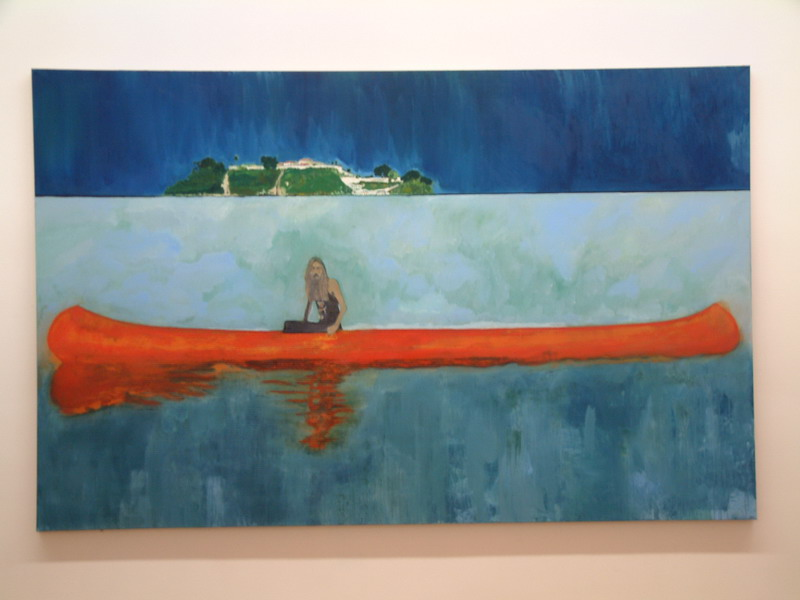
Peter Doig (b. 1959), a young painter of the new generation, is in the collection of the Centre Pompidou, Musée National d'Art Moderne, Paris. 100 Years age 2001.
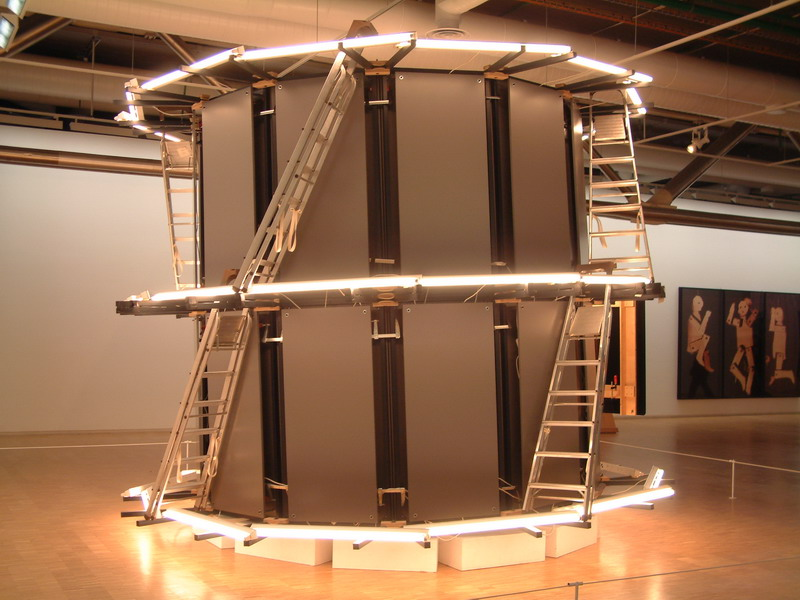
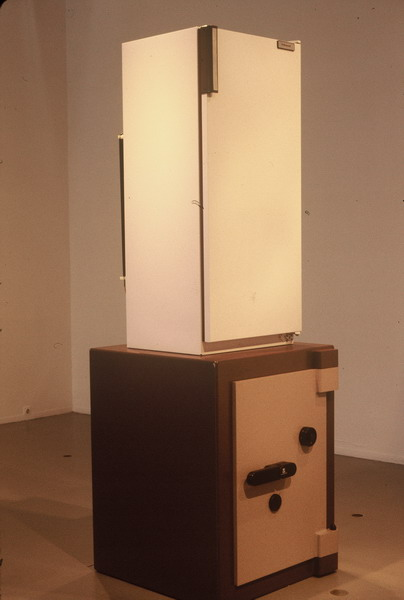
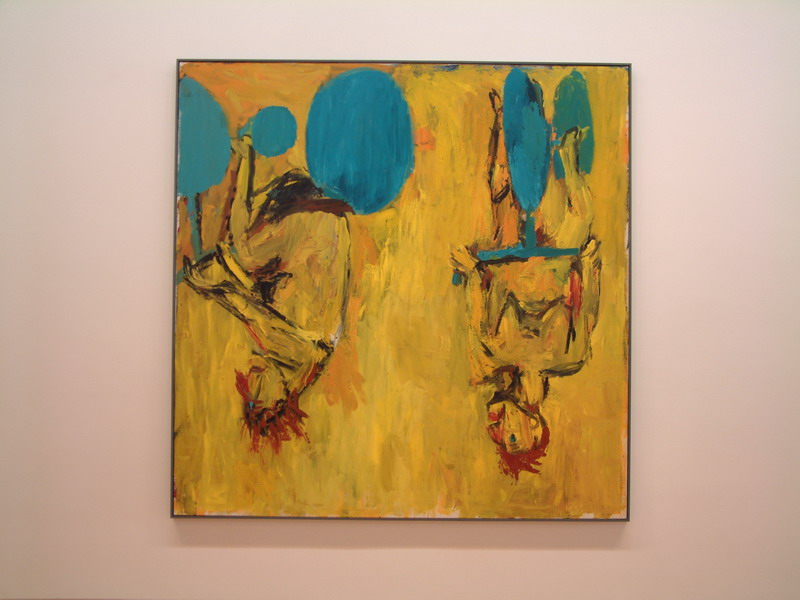
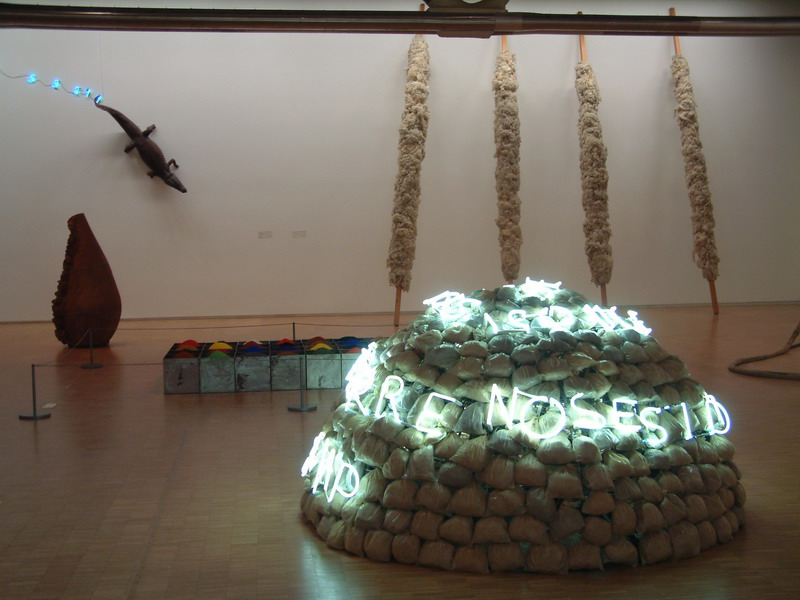
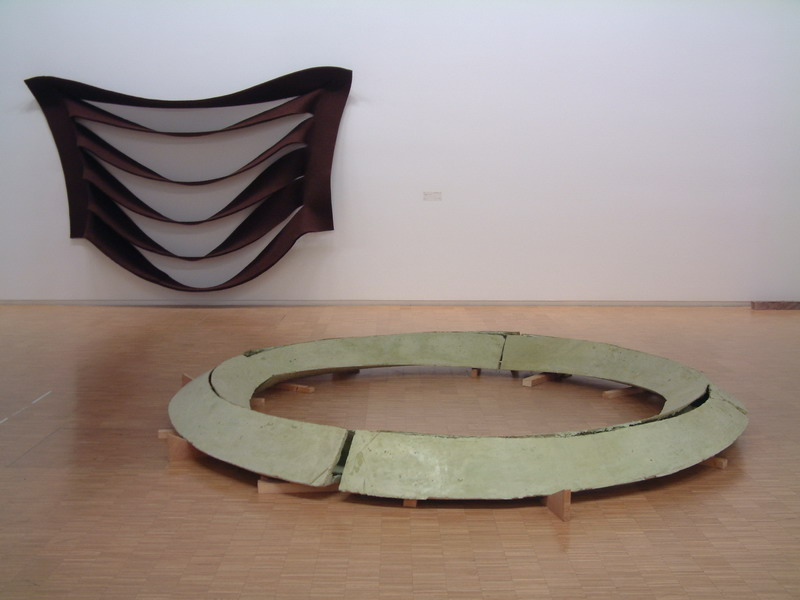
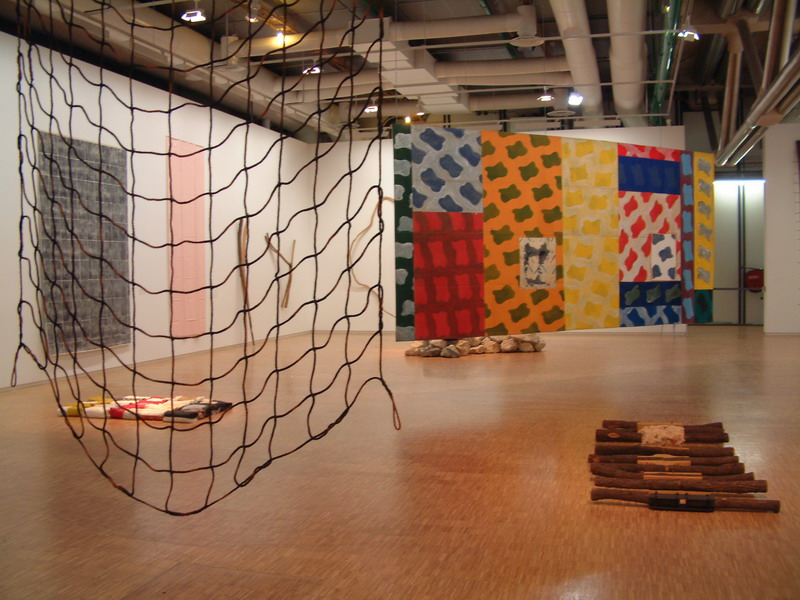
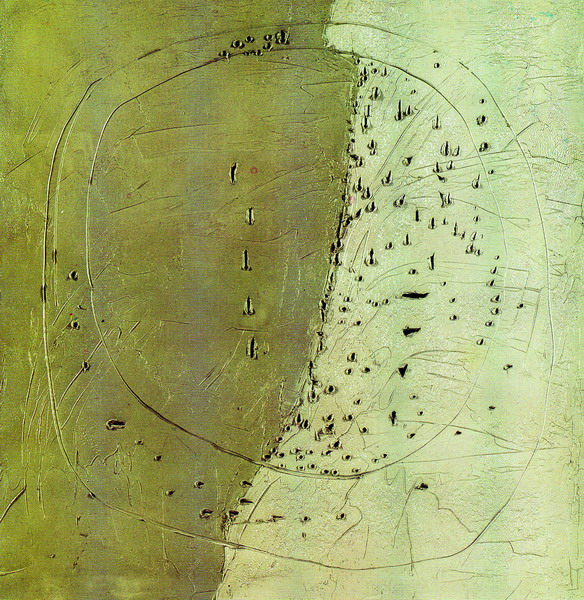
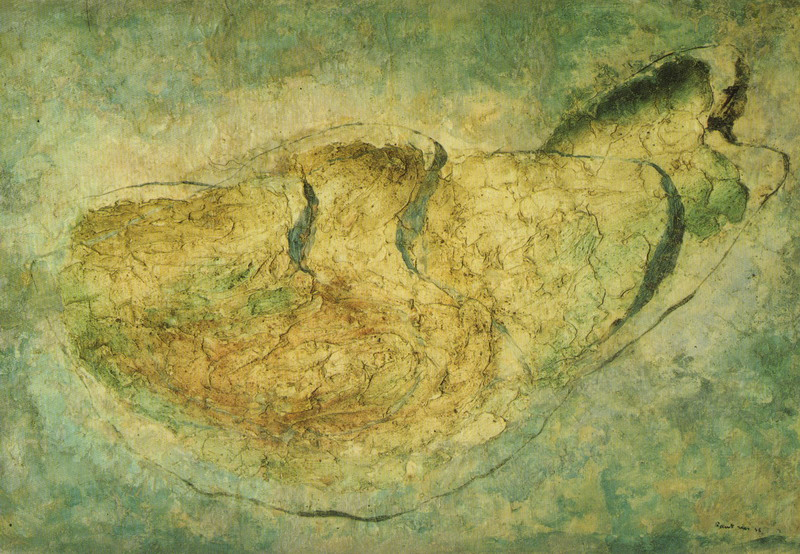
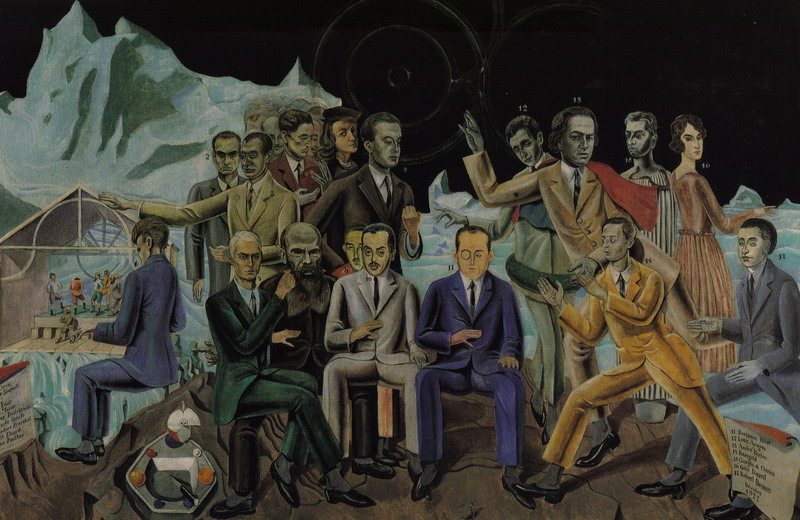
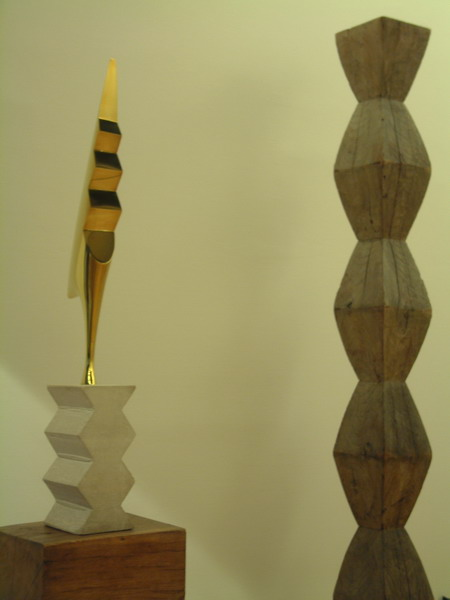
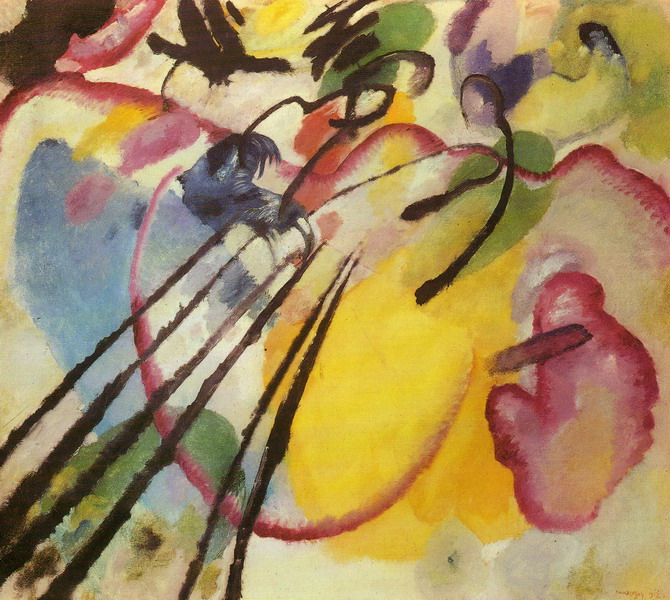
Peter Doig (born 1959), a representative of the new generation of young painters, *100 Years*, 2001, Centre Pompidou, Musée National d'Art Moderne collectionChristian Boltanski, France's most representative contemporary artist, *Monument*, 1986, Centre Pompidou, Musée National d'Art Moderne collectionReinhard Mucha, Germany's most representative sculptor of the 1980s, *Object-Sculpture*, 1985, Centre Pompidou, Musée National d'Art Moderne collectionBertrand Lavier, France's most representative postmodern artist, *Brand on Fichet Bauche*, 1985, Centre Pompidou, Musée National d'Art Moderne collectionAnselm Kiefer (born 1945), Germany's most representative Neo-Expressionist painter of the 1980s, *The Secret Life of Plants* (detail), 2001–02, Centre Pompidou, Musée National d'Art Moderne collectionGeorg Baselitz, Germany's most representative Neo-Expressionist painter of the 1980s, *Olmo's Young Girl III*, 1981, Centre Pompidou, Musée National d'Art Moderne collectionJoseph Beuys (1921–1986), hero of contemporary art, *Fur*, 1966–1984, Centre Pompidou, Musée National d'Art Moderne collectionItalian Arte Povera panorama of the 1970s, Centre Pompidou, Musée National d'Art Moderne collectionAmerican Minimal Art of the 1970s, Centre Pompidou, Musée National d'Art Moderne collectionFrench Surface-Support panorama of the 1970s, Centre Pompidou, Musée National d'Art Moderne collectionYves Klein, *Blue Body Measurements*, 1960, Centre Pompidou, Musée National d'Art Moderne collectionAndy Warhol, contemporary art star, *Ten Lizes*, 1963, Centre Pompidou, Musée National d'Art Moderne collectionLucio Fontana, *Spatial Symphony*, 150×150 cm, 1960, Centre Pompidou, Musée National d'Art Moderne collection, from illusionistic space to real space.François Dufrêne, *Tender Woman*, 97×145 cm, 1946, Centre Pompidou, Musée National d'Art Moderne collection, lyrical abstraction from flatness to materiality.Ernst, *Appointment of Friends*, 130×195 cm, 1922, Museum Ludwig Cologne collection, Surrealism from consciousness to the unconscious.Brancusi, *Bird and Infinite Column*, 1935, Centre Pompidou, Musée National d'Art Moderne collection, modern sculpture freeing traditional sculpture from its pedestal.Duchamp, *Fountain*, 1917–1964, Centre Pompidou, Musée National d'Art Moderne collection, the spirit and state of avant-garde art—subversion and provocation.Mondrian, *Composition with Yellow, Red, and Blue*, 80×50 cm, La Haye Museum, Netherlands collection, simplification—flattening into geometrization and color planes—pioneering Neoplasticism.Kandinsky, *Improvisation No. 26*, 98×107.5 cm, Munich Städtische Galerie collection, abstraction as the result of moving toward Modernism.Picasso, *Les Demoiselles d'Avignon*, 244×233 cm, 1907, MoMA New York collection, simplification and multi-perspective Cubism breaking traditional illusionistic space, paving the way for Modernism.
Matisse’s Dance (260 x 391 cm, 1910) is held in the Hermitage Museum in St. Petersburg. Simplification, flattening, and color-field treatment are all characteristics of modernism. The art of the 20th century was colorful; its diversity, variety, and multiplicity were unprecedented. Everything existed amidst rebirth and disillusionment, representing a naked confession of the human soul in an era of crisis. Much like the architecture of the Centre Pompidou in Paris, its bare structural functions became its external image (decoration)—a cultural-industrial supermarket resembling an oil refinery. This was the most revolutionary, subversive, and provocative manifestation of 20th-century modernist art, embodying the spirit and state of avant-garde art in the last century. From absolute modernism, it moved toward dark indifference and barren wastelands, advancing continuously into the inner abyss of humanity. The Greek ascetic philosopher Cleanthes prayed to Zeus and Fate: “Whether I am afraid or decide to rebel, I must still follow the same path.” Is this not the fate of 20th-century humanity and the dilemma of modernist art? Finally, it reached the postmodern realm where, after seemingly hitting a dead end, a new vista unexpectedly opened up. In this turbulent evolution of 20th-century modern art, painting gradually shifted from depicting external natural appearances to exploring the essence of internal subjective expression, establishing the subjectivity of painting itself. As the abstract artist Kandinsky said, “Creating a work is equivalent to creating a world.” Sculpture was no exception; revolutionarily removing traditional pedestals, it integrated sculpture with space/time. Through new materials, concepts, and technologies, it expanded the artistic domain, eventually dissolving the boundaries between painting and sculpture, reaching unprecedented new artistic realms. Modernism, briefly characterized by simplification, flattening, colorization, abstraction, and conceptualization.