The Context of the 20th Century
Braque, The Man with a Guitar, 115×78 cm, 1911, MoMA New York Collection

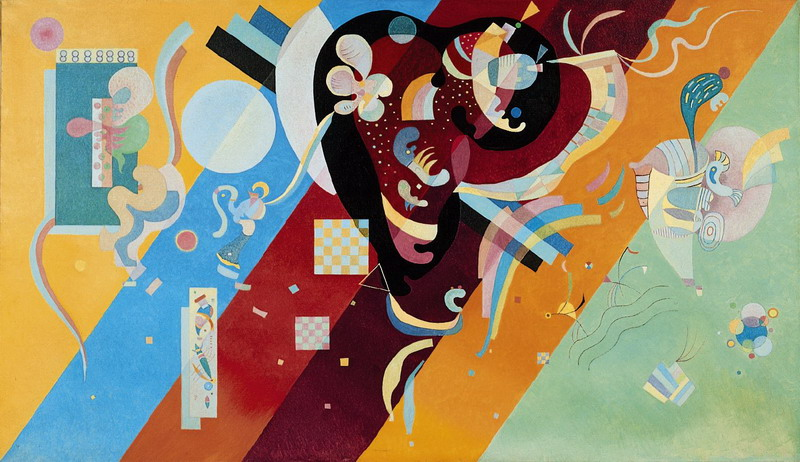



The 20th century was an era of material civilization. After the Western Enlightenment and the Industrial Revolution, human civilization accelerated its evolution. Within modernization, humanity’s politics, economy, and society entered a new structural situation. Especially in the West, under empirical science, a brilliant industrial civilization developed, bringing unprecedented convenience and hope to humanity.
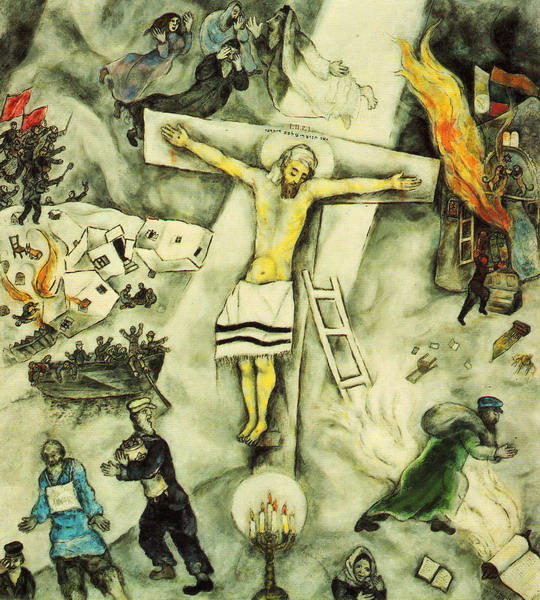
However, this booming era of commerce and industry did not bring the promised paradise. Instead, it harbored inherent human contradictions and conflicts, leading to the catastrophe of two World Wars. This shattered all human value systems and beautiful ideals. Furthermore, modernization brought crises, the collapse of traditional systems, ecological destruction, and urbanization. Humans became parts of machines, resulting in dehumanization.
After the war, the confrontation between Eastern and Western blocs, the Cold War, and economic crises led to the collapse of ideologies, ending in the post-Cold War "very times." Humanity was filled with indifference, anxiety, and unease, leading life toward emptiness. As the 19th-century German philosopher Nietzsche predicted the arrival of nihilism, humans, after self-liberation in modernization, felt lost. They sought to fill spiritual emptiness with material goods, thus indulging in material civilization.