French 2012 Presidential Election (First Round)
The UMP's traditional right-wing candidate, current French President Nicolas Sarkozy, seeking re-election.
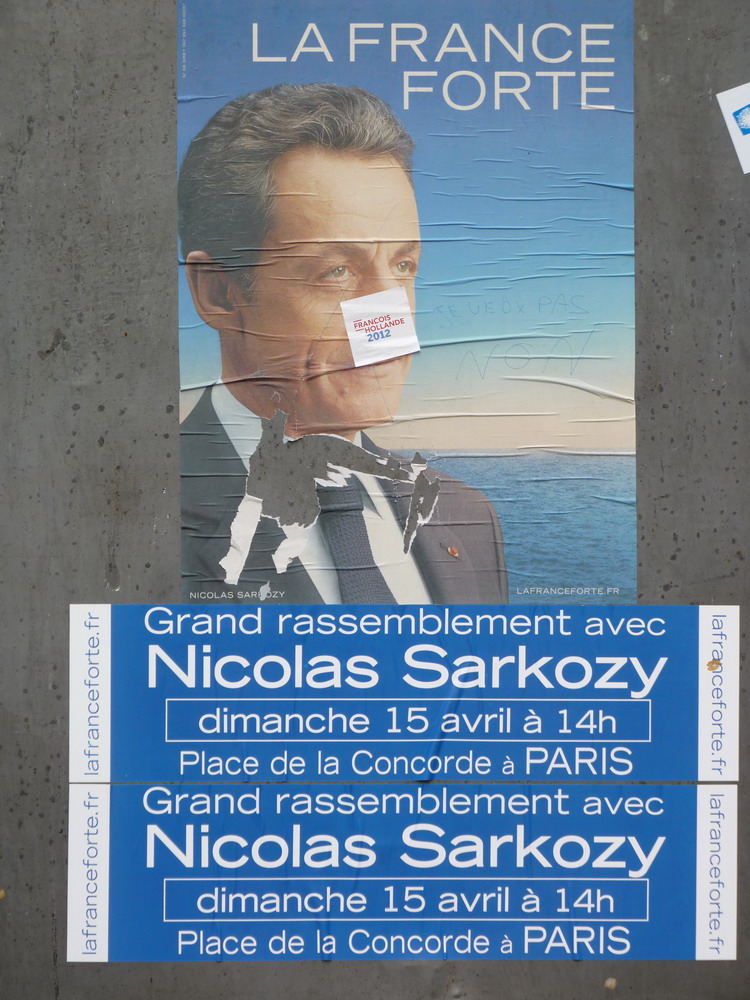
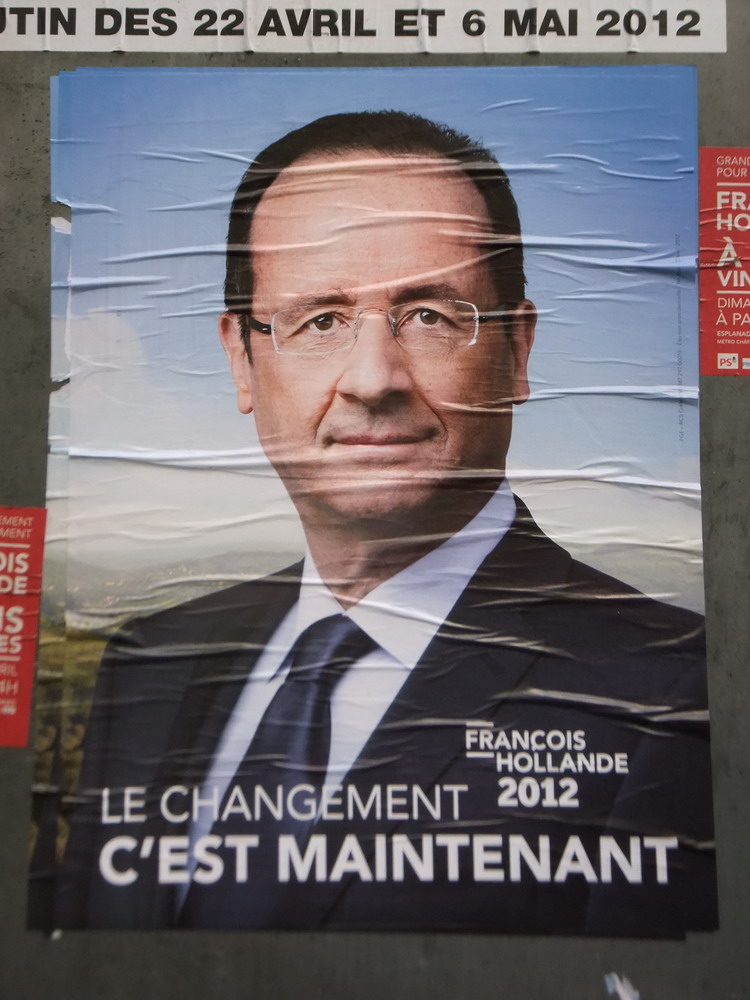
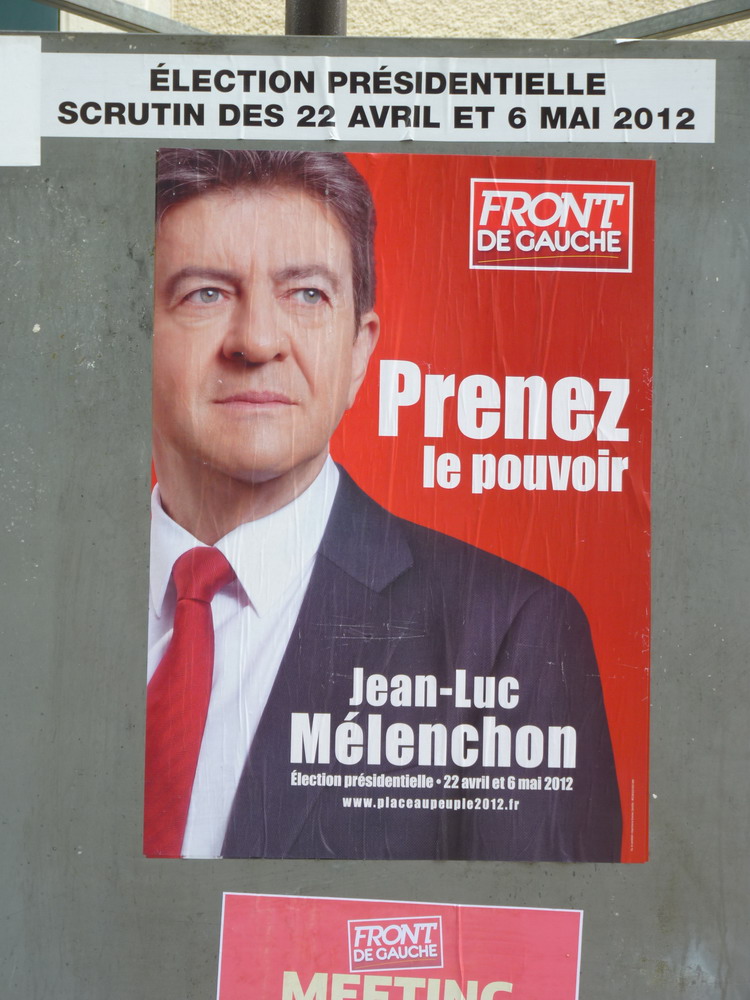
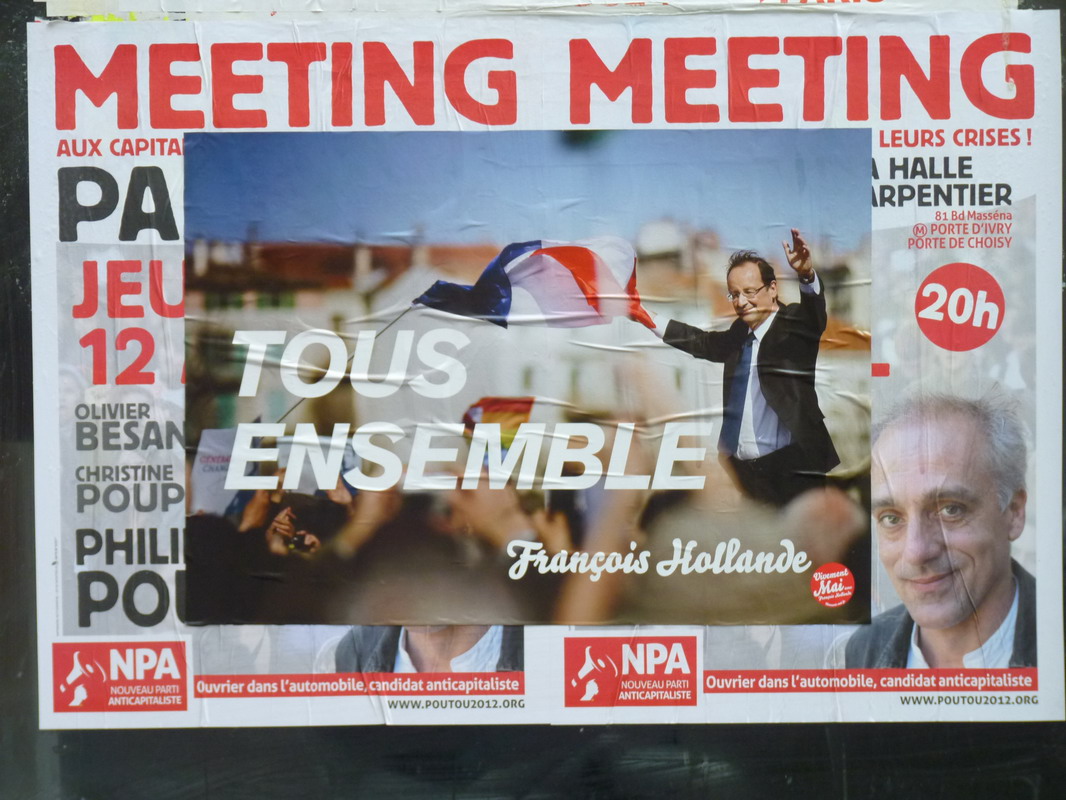
Upon returning to Paris, I immediately sensed the rumbling smoke of the presidential campaign, with tensions high as the first round of voting approached this Sunday. Although I was not in Paris during this period, I kept abreast of developments through online news and international reports. While I became a spectator in this election, I did not absent myself; living in France—Paris—I care not only about France’s future prospects and Europe’s current situation but also harbor hopes for a more just and beautiful world, even if it is merely an idealistic utopia. As a French citizen, I still had the duty and responsibility to exercise my civic obligation by casting my sacred vote.
Elections are the manifestation of majority rule in a democratic society. Though not a perfect system, they reflect the current democratic reality. Voting is a citizen’s duty regarding the nation’s governance prospects; ballots represent public opinion, which determines the country’s direction. Elections offer choices. The French presidential election begins with multiple options in the first round, leading to a left-right showdown in the second. Thus, the first-round candidates are diverse, representing various political parties, ethnic groups, and associations, shaping a diversity of perspectives on national governance and future prospects. This year’s election featured ten candidates, ranging from the far-right to the center, Greens, and far-left, providing comprehensive representation. This not only satisfies the public’s desire for governance ideals but also allows each party and group to advocate for their vision of the nation’s future, demonstrating greater democracy.
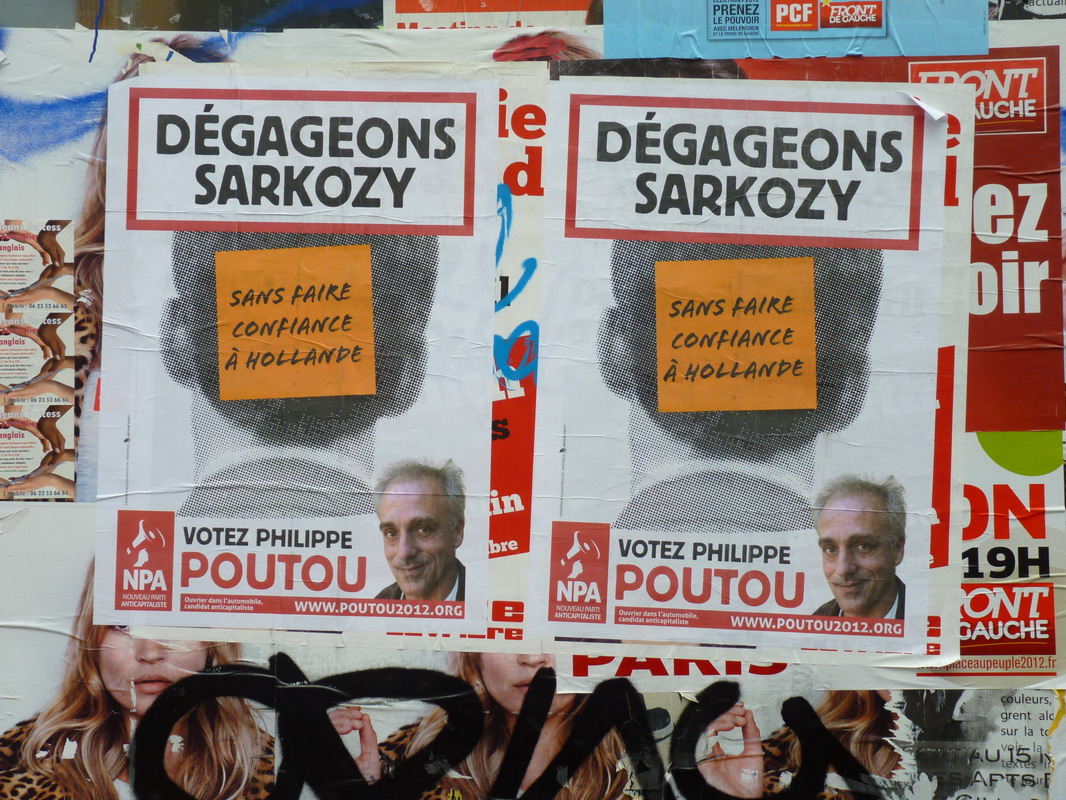
The ten candidates included: incumbent President Nicolas Sarkozy (traditional right-wing), Socialist Party candidate François Hollande (traditional left-wing), National Front candidate Marine Le Pen (far-right), Left Alliance candidate Jean-Luc Mélenchon, center candidate François Bayrou, Green candidate Eva Joly, Workers’ Party candidate Nathalie Arthaud, Sovereign Independence candidate Nicolas Dupont-Aignan, anti-capitalist candidate Philippe Poutou, and Unity and Progress candidate Jacques Cheminade. They came from all social strata, from the ruling president to the lowest-level workers. The traditional left and right wings remained the largest factions. The far-right has long been marginalized in elections but continued to grow. The center traditionally balances left and right forces. The left-wing coalition replaced the past Communist Party, uniting with radical left representatives to form an anti-Sarkozy alliance, emerging as an undeniable force in this election. The Greens, generally aligned with the left, have struggled to expand in French politics. Eva Joly, a retired famous anti-corruption judge with unique insights on environmental protection and anti-corruption, represented them.
Pre-election polls showed Socialist candidate François Hollande slightly ahead of incumbent Nicolas Sarkozy, while Left Alliance candidate Jean-Luc Mélenchon seemed poised for remarkable performance. Marine Le Pen, the youngest candidate, carried on her father Jean-Marie Le Pen’s legacy. Due to racist views, her polling numbers were consistently marginalized, making her status hard to gauge. In an era of economic depression, financial crisis, European debt, unemployment, weak purchasing power, and declining consumption, the far-right National Front was expected to see unexpected growth.
The first round concluded on Sunday, April 22, with high turnout exceeding 80%. Results: Nicolas Sarkozy (traditional right) received 27.2%; François Hollande (Socialist) received 28.6%; Marine Le Pen (National Front) shocked everyone with 17.9%, becoming an unprecedented third force. Jean-Luc Mélenchon (Left Alliance) failed to become the third major figure, receiving only 11.10%. François Bayrou (center) dropped from a third force to marginalization with 9.13%. Eva Joly (Greens) disappointed with 2.31%, suggesting environmental awareness is irrelevant under capitalism and consumerism, as protecting the environment is unprofitable, allowing global disasters to proceed naturally. Nathalie Arthaud (Workers’ Party) received 0.56%; Nicolas Dupont-Aignan (Sovereign Independence) 1.79%; Philippe Poutou (anti-capitalist) 1.15%; Jacques Cheminade (Unity and Progress) 0.25%.
The most surprising result was Marine Le Pen’s vote share, exceeding poll predictions but fitting the reality. She became a key figure for the next presidency and a significant third political force. Amid financial crises, economic depression, debt, declining consumption, mass unemployment, and social unrest, the rise of far-right forces in Europe was foreseeable. Notably, no first-time presidential candidate has ever led in the first round. The gap between the two finalists was small, and who would win remained unknown, setting the stage for a life-and-death struggle.
The second-round showdown is between UMP traditional right-wing Nicolas Sarkozy and Socialist traditional left-wing candidate François Hollande. A fierce battle awaits. Tune in for the next installment, revealed on May 6.